GreatAmericanLakes

The Season · September through November

Great Lakes Fishing in Fall

The lakes turn over, the salmon come home, and the biggest fish of the year move into reach of the shore. Also the season of the November gale. Fish it hard and watch the sky.

Lakes covered

6

Species in season

12

Months

September–November

Fall is the run. Mature chinook and coho stage off the harbor mouths in late summer and push up the rivers they were stocked in or born in, and the pier and river fishing on Lake Michigan and Lake Ontario becomes a shoulder-to-shoulder event. Steelhead and brown trout follow them in, and the Erie and Ontario tributaries fill with fish that stay through winter.

Out on the open lake, the surface cools, the layers mix, and fish that spent the summer deep come back into range. Erie walleye feed hard and produce the heaviest fish of the year, often at night along the shoreline. Muskie on St. Clair, Huron and Erie hit their trophy window as the water cools. Late in the season lake trout and whitefish move onto shallow rock and gravel to spawn.

Lake by lake

Fall on the six lakes

Lake Superior

Lake trout come up on the reefs to spawn

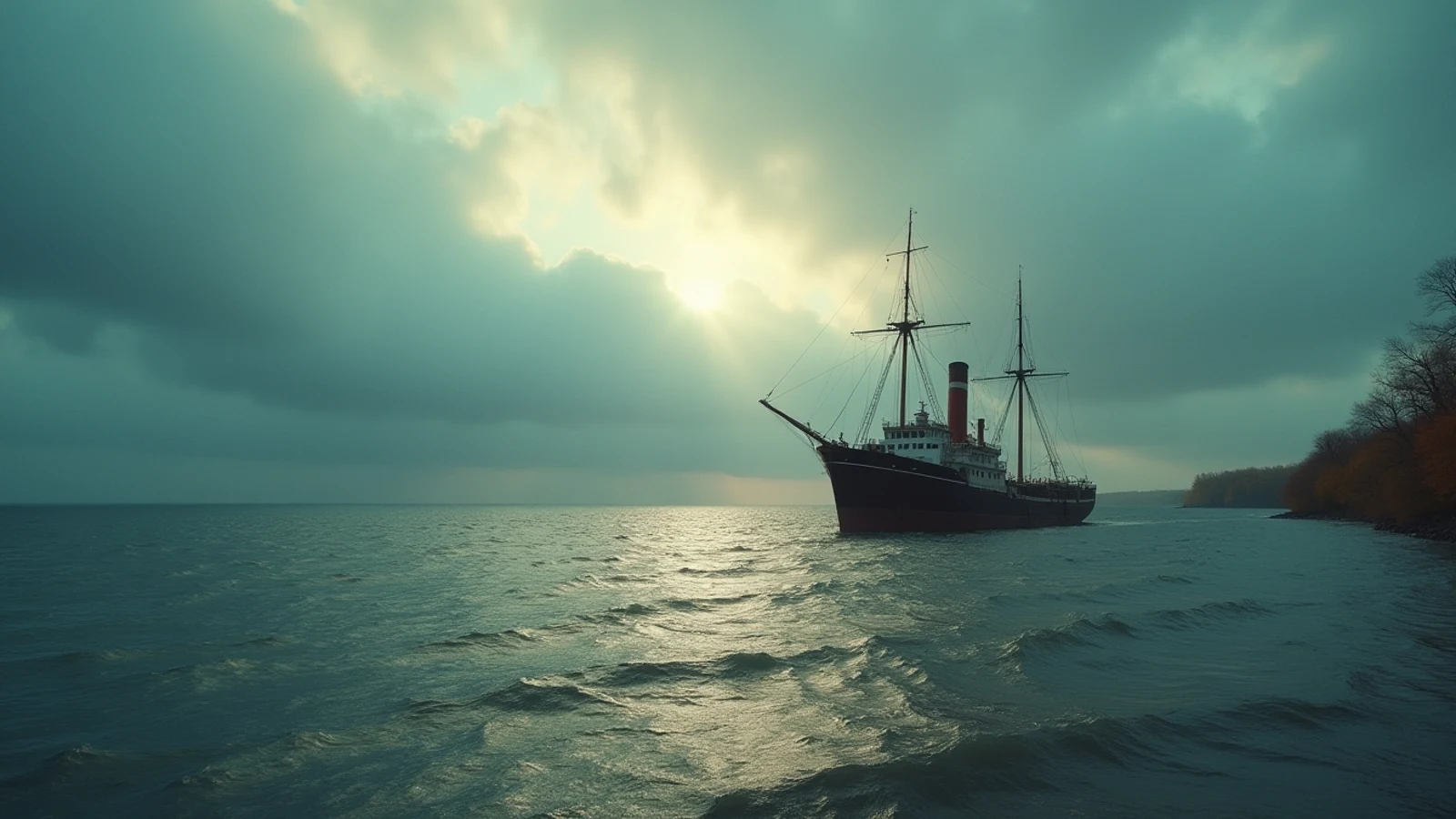
From late September into November lakers move onto shallow cobble and boulder reefs to spawn — the one time of year a native fish that lives at 150 feet is catchable at 30. Whitefish stage in the same window. Coho stack at the tributary mouths and steelhead start their fall push. It is the best fishing of the year and the worst weather; November on Superior is not a casual outing.

In season hereWalleyeYellow PerchChinook SalmonCoho SalmonLake TroutSteelheadBrown TroutSmallmouth BassMuskellungeNorthern PikeLake WhitefishLake Sturgeon
The full Superior field guide →

Lake Michigan

Staging kings and the river run

From mid-August into October mature chinook stack off the river mouths — Ludington, Manistee, the Grand, the St. Joseph, the Kewaunee — before they run. Fish get shallow, aggressive and unpredictable, and pier casters get real shots at them at first light. Once the fish are in the rivers, steelhead follow them upstream to eat eggs and stay all winter.

In season hereWalleyeYellow PerchChinook SalmonCoho SalmonLake TroutSteelheadBrown TroutSmallmouth BassMuskellungeNorthern PikeLake WhitefishLake Sturgeon
The full Michigan field guide →

Lake Huron

Big walleye out deep, lakers up on the rock

September and October produce the largest walleye of the year in the outer bay and along the Michigan shoreline as fish feed heavily before winter. Lake trout move onto shallow spawning reefs from Thunder Bay north. Whitefish stage. Wind becomes the limiting factor — the bay is shallow enough that 15 knots ends the day.

In season hereWalleyeYellow PerchChinook SalmonCoho SalmonLake TroutSteelheadBrown TroutSmallmouth BassMuskellungeNorthern PikeLake WhitefishLake Sturgeon
The full Huron field guide →

Lake Erie

Steelhead Alley and the biggest walleye of the year

The first cool rain in September or October pulls steelhead into the Pennsylvania, Ohio and New York tributaries — Elk, Walnut, Conneaut, the Grand, Cattaraugus — and the run holds fish through winter. Float fishing with eggs, jigs and beads under a slip float is the dominant method. Out on the lake, walleye fatten hard and the fall night bite off the central basin shoreline produces the heaviest fish of the season on shallow-running stickbaits.

In season hereWalleyeYellow PerchLake TroutSteelheadBrown TroutSmallmouth BassMuskellungeNorthern Pike

The full Erie field guide →

Lake Ontario

The Salmon River, and the biggest event on the chain

From September into November mature chinook and coho stage off Oswego, the Salmon River mouth and the Niagara before running upstream. The Salmon River at Pulaski is the largest tributary salmon run in the Great Lakes and it fills the town. Once the kings are through, steelhead and brown trout move in behind them and fish through winter. Egg patterns, beads and jigs under floats; centerpins are standard equipment here.

In season hereWalleyeYellow PerchChinook SalmonCoho SalmonLake TroutSteelheadBrown TroutSmallmouth BassMuskellungeNorthern Pike

The full Ontario field guide →

Lake St. Clair

The best muskie fishing in North America

October and November are why people drive here. Muskies feed hard on gizzard shad and move predictably, and trolling large crankbaits across the mid-lake flats produces multiple-fish days that would be a career elsewhere. Smallmouth group up tight on deeper rock and eat blade baits and hair jigs. Weather gets serious, boat traffic disappears, and the fishing peaks.

In season hereWalleyeYellow PerchSteelheadSmallmouth BassMuskellungeNorthern PikeLake Sturgeon

The full St. Clair field guide →

What is biting

12 species worth chasing in fall

SpeciesTypicalBest waterHow
Walleye15–22 inches, 1.5–4 lbErie, Huron, St. Clair, Michigan, Ontario, Superiortrolling crankbaits; bottom bouncers and worm harnesses
Yellow Perch8–11 inchesErie, Michigan, St. Clair, Huron, Ontario, Superiorperch spreaders with minnows; small jigs
Chinook Salmon10–18 lbMichigan, Ontario, Huron, Superiordownrigger trolling; dipsy divers
Coho Salmon3–8 lbMichigan, Superior, Ontario, Huronshallow trolling with dodgers and flies; planer boards
Lake Trout5–12 lbSuperior, Huron, Michigan, Ontario, Eriedeep trolling with cowbells; vertical jigging
Steelhead5–10 lbMichigan, Ontario, Erie, Superior, Huron, St. Clairfloat fishing with eggs; swinging streamers
Brown Trout4–10 lbOntario, Michigan, Huron, Superior, Erieshallow trolling with stickbaits; planer boards
Smallmouth Bass2–4 lbSt. Clair, Erie, Huron, Ontario, Michigan, Superiordrop-shot; tube jigs
Muskellunge38–46 inchesSt. Clair, Ontario, Michigan, Huron, Erie, Superiorcasting large rubber; trolling crankbaits
Northern Pike24–32 inchesHuron, Michigan, Ontario, St. Clair, Superior, Eriecasting spoons and spinnerbaits; dead-baiting under tip-ups
Lake Whitefish2–4 lbSuperior, Huron, Michiganvertical jigging spoons; ice fishing over deep flats
Lake Sturgeon40–60 inchesHuron, St. Clair, Michigan, Superiorbottom fishing with nightcrawler gobs; heavy tackle

Outfit for it

Fall kits

All kits

6 pieces · About $700, or $400 if you already own a decent cooler

Getting a Limit Home: Fillet and Cold-Chain Kit

Ice, a board, a sharp knife and a sealer: how a cooler of Erie walleye becomes good food instead of freezer-burned regret.

8 pieces · $1,100–1,400, and the auger and shelter are most of it

Hardwater Walleye and Perch Ice Kit

The auger, shelter, flasher and jigging setup for Saginaw Bay and western Erie ice, plus the picks you hope never to use.

7 pieces · $3,000–3,400, and the kayak is nearly all of it

Kayak Angler's Great Lakes Starter

A pedal kayak, a paddle, an anchor trolley and a worn PFD: the honest minimum for fishing protected Great Lakes water from a plastic boat.

Read before you go

Fall guides

shorelineLake Superior

Great Lakes Lighthouses Worth the Detour

The Great Lakes hold more lighthouses than any coastline in America. These are the ones worth building a trip around, and what makes each one different.

Updated 2026-09-01

Common questions

Fall on the lakes, answered

When is the salmon run on the Great Lakes?
Chinook typically stage at river mouths from late August and run the rivers from September into October, with coho overlapping and running slightly later. Exact timing shifts with water temperature and rain from year to year and river to river, so check local and state agency fishing reports before you drive.
Can you catch fall salmon from shore?
Yes — fall is the best shore-fishing season on the lakes. Piers, breakwalls and river mouths on Lake Michigan and Lake Ontario put staging kings within casting range at dawn and dusk. Many rivers have special snagging, gear or closed-area rules during the run; read the state regulations first.
What is Steelhead Alley?
The tributary corridor along the Lake Erie shore of Ohio, Pennsylvania and western New York. The first cool fall rains pull steelhead into the creeks, and the run holds fish through winter. Our Lake Erie and steelhead pages cover it in depth.

Seasons, limits and closures are set by each state and change year to year. Check the agency for your water on our state shoreline pages before you keep a fish.