The Bass Islands — South Bass, Middle Bass and Green Island
Limestone shoals and rubble edges in 10–25 ft. Current between the islands stacks fish on the down-current side. Best in June and again in October.
Smallmouth Bass · Lake Erie
Erie grows the heaviest smallmouth in the Great Lakes and the eastern basin from Erie, Pennsylvania to Buffalo is where they live. The western basin islands give you numbers and easier water; the eastern basin gives you five-pound fish over 25 feet of rock.
Prime time
Late May through June, and September through early November
Depths
10–22 ft on the western basin reefs; 22–45 ft over eastern basin rock and gravel
Typical size
2–4 lb
Lake max depth
210 ft
Where
Limestone shoals and rubble edges in 10–25 ft. Current between the islands stacks fish on the down-current side. Best in June and again in October.
Broad rock shelves off Ohio's largest Erie island. Reliable post-spawn water in 12–20 ft and easily reached from Marblehead or Port Clinton.
Isolated western basin hard bottom well off the mainland. Less pressure than the island shoals and often holds the bigger western basin fish.
The transition into the eastern basin. Rock and gravel in 20–35 ft outside the peninsula, plus a shallow bay fishery inside it.
Eastern basin shoreline structure west of Buffalo. Gravel, boulders and creek-mouth transitions that hold heavy fish in September and October.
New York eastern basin ports with quick access to 25–45 ft of hard bottom. The deep drop-shot fishery that produces the lake's largest smallmouth.
How
The pattern that made Erie famous. A 1/2 oz weight — heavier than you would use elsewhere, because you are in 30 to 45 feet and often drifting — with a 4- to 5-inch straight-tail worm 18 inches up. Hold vertical with the trolling motor and shake without moving the weight. Bites in deep water feel like weight, not a tap.
Western basin, 10 to 22 feet. A 1/2 oz insert-head tube dragged across limestone rubble around the Bass Islands and Kelleys. Use enough weight to stay in contact in current — Erie's island passages move water and a 1/4 oz tube will never touch bottom.
Late October into November and again in early spring, when the water is below 52°F. A 1/2 oz blade bait, lift-dropped over 25 to 40 feet of gravel. Short lifts, controlled fall on a tight line. Nearly every bite comes on the drop.
Erie gets hammered by cold fronts and the fish sulk afterward. A 1/6 oz mushroom head with a short buoyant stick bait, dead-sticked on the bottom for five or six seconds at a time in 15 to 25 feet, catches fish that will not touch anything else.
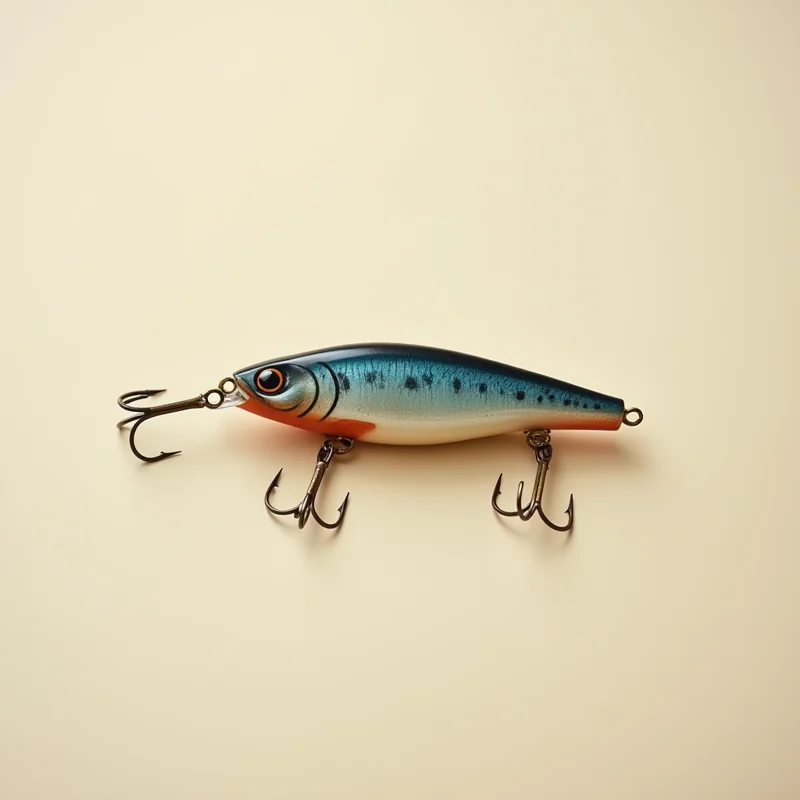
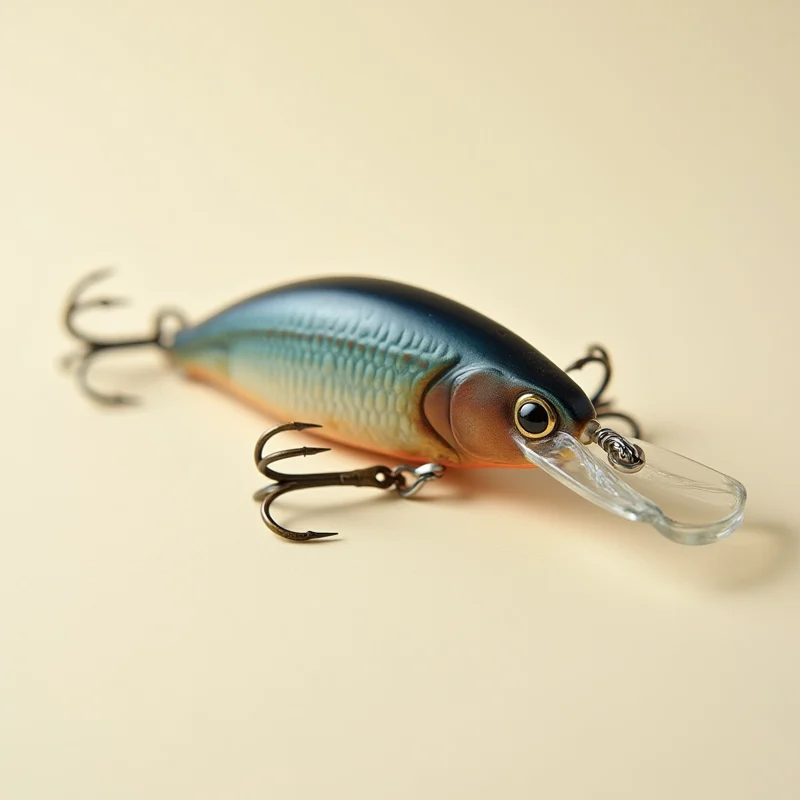
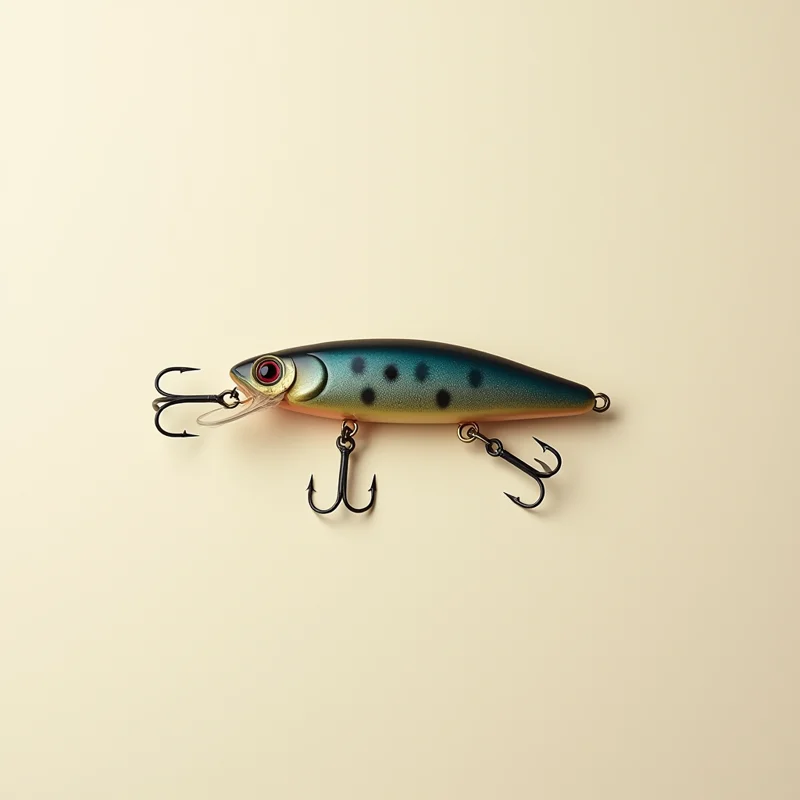
May and late October, over 8 to 16 feet. A suspending jerkbait worked with two twitches and a long pause — three to six seconds — is the best cold-water search bait on the island shoals. The colder the water, the longer the pause.
Erie’s smallmouth fishing splits cleanly. West of the islands, the lake is 25 to 35 feet deep and built on limestone reefs. East of Cleveland it deepens toward 210 feet, gets colder and clearer, and the fish move onto deep gravel and boulder flats. Both are excellent. They require different tackle and different thinking.
The western basin is the accessible one: short runs out of Port Clinton and Marblehead, hard bottom in 10 to 22 feet, and enough current between the islands to concentrate fish predictably. The eastern basin, from Presque Isle east to Buffalo, is where the giants are and where the drop-shot in 40 feet became the standard technique it now is nationally.
The single most important thing that happened to Erie smallmouth in the last thirty years is round gobies. They arrived in ballast water, colonized every piece of hard bottom in the lake, and gave smallmouth an endless bottom-dwelling protein source. Average weights climbed noticeably, and every effective bait on this page — tube, drop-shot worm, Ned rig — is a goby imitation fished on the bottom.
That single fact should determine how you fish. Bottom contact is everything. A bait swimming three feet up is not in the goby zone.
South Bass, Middle Bass, Green Island, Rattlesnake and Kelleys sit in a cluster with current running between them. Fish set up on the down-current side of a shoal edge, and the wind direction on any given day determines which side that is. A 1/2 oz tube dragged across the limestone in 12 to 20 feet is the highest-percentage bait.
Gull Island Shoal and Niagara Reef are the offshore versions of the same structure, less pressured, often better.
June is the month. Post-spawn fish are grouped on the shoals, water is in the 60s, and the boat traffic is still mostly walleye anglers going somewhere else.
From Erie, Pennsylvania east through Dunkirk, Barcelona and out to Sturgeon Point, the bottom is gravel and boulder and the fish sit in 25 to 45 feet. This is a sonar fishery. You find a rock patch, hold on it with the trolling motor, and drop-shot straight down.
Weights are heavier than most anglers arriving from an inland lake expect: 1/2 ounce is standard, because you need to stay vertical in wind and current at 35 feet. Line is 8 to 10 lb fluorocarbon or braid to a fluoro leader. The bite in that much water is a change in weight, not a strike.
September and October are the peak. The fish are heaviest, the water is cooling through the 60s into the 50s, and the largest smallmouth in the Great Lakes are caught in this window.
Below about 52°F, the drag-and-shake game slows down and vertical presentations take over. Blade baits lift-dropped over gravel, and suspending jerkbaits with pauses that feel absurdly long — five, six seconds — over shallower rock. This is the November pattern and it produces some of the year’s best fish for anyone willing to be cold.
Erie averages 62 feet deep, the shallowest of the Great Lakes, and it stacks up faster than anything else on this site. A 20-knot wind builds a short, steep four-foot chop in under an hour, and the western basin — where the water is shallowest and the island passages funnel current against wind — is the worst of it. The eastern basin gives you deeper water but longer runs from port.
Small-boat anglers get caught out on Erie every year. Watch the afternoon wind shift, set a hard turnaround time, and carry a VHF.
Ohio, Pennsylvania, New York and Michigan each manage their portion of Erie and set their own bass seasons, sizes and limits, which have differed from one another on the same lake. They change. Read the current rules for the water you are on.
Where to put in
Dark marks are launches named in this guide. Generalized shoreline, not for navigation.
Kit
A short buoyant stick bait that stands up off bottom on a light jighead — the highest-percentage smallmouth bait on the lakes.
The tube is still the St. Clair smallmouth bait, and a 3.5-inch green pumpkin on an internal head is the whole answer most days.
A thin metal blade that vibrates hard on the lift and flutters on the drop — the cold-water bait for deep, inactive walleye.
MEGA side imaging that shows individual rocks and fish out to 125 feet either side — the shallow-water structure tool.
The default braid on half the jigging rods in the system, and it holds up to zebra-mussel-scarred structure better than it has any right to.
Questions
Same fish, other water
Size limits, bag limits, and open seasons for smallmouth bass on Lake Erie are set by Michigan DNR, NYSDEC, Ohio DNR Division of Wildlife and PA Fish & Boat Commission and change from year to year. Check the current rulebook before you keep a fish.
Sources
Last updated 2026-09-01