Niagara Reef
One of the classic western basin spawning reefs north of Port Clinton. Fish stage on the 16–22 ft edges in April and hold there through the first warm push.
Walleye · Lake Erie
Lake Erie is the best walleye water in North America and it is not a close argument. If you get one walleye trip a year, spend it in the western basin between Port Clinton and the Bass Islands.
Prime time
Late April through June, then again from mid-September into November
Depths
18–34 ft over hard bottom in the western basin; 55–72 ft east of Huron by August
Typical size
15–22 inches, 1.5–4 lb
Lake max depth
210 ft
Where
One of the classic western basin spawning reefs north of Port Clinton. Fish stage on the 16–22 ft edges in April and hold there through the first warm push.
The water off the Camp Perry range west of Port Clinton is closed to boats when the range is hot. Watch for the red flags and the range boat — the fishing along the boundary is excellent and the closure is not negotiable.
Shallow rubble off the Toussaint River mouth. Best in the first two weeks after ice-out when the water there warms three or four degrees ahead of the open lake.
Current seams between the islands concentrate fish all summer. Troll the down-current side of Green Island on a west wind.
By late June the school slides east. Deeper, dirtier water off Huron and Vermilion holds fish in 45–60 ft through August.
The late-summer and fall central basin bite. Long trolling passes in 60–72 ft with the fish suspended well off bottom.
How
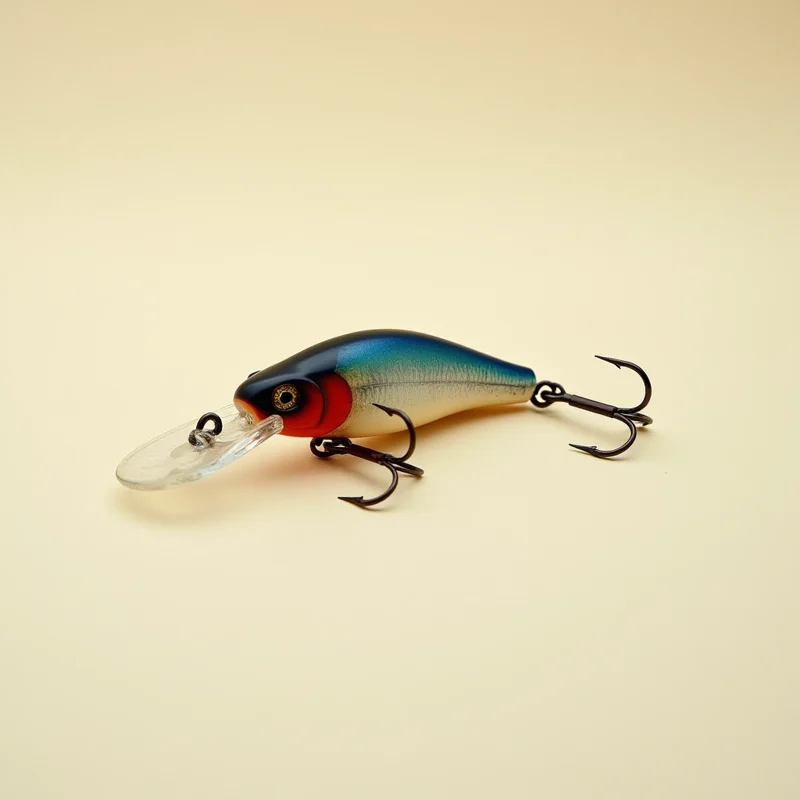
The single most productive Erie pattern from May through October. Run deep-diving cranks at 1.6–2.2 mph in spring, 2.2–2.8 mph once water passes 68°F. Spread lines wide on boards, stagger dive depths, and keep changing colors until one board takes two fish in a row — then put everything on it.
The old Erie way and still the best cure for scattered fish in 20–28 ft. Cast, count down one second per foot, then reel just fast enough to feel the blade thump. Most bites come as the blade rises on the retrieve, not on the fall.
June and July, when fish sit tight to the reef edges. Use enough bouncer weight to hold a 45-degree line angle at 1.0–1.3 mph — 2 oz in 25 ft is typical. Fresh crawlers, hooked once, trailing straight.
April and early May, before the trolling fleet arrives. A 3/8 to 5/8 oz jig with a shiner or a plastic, dragged slow across rubble in 16–24 ft. The bite is a weight change, not a thump.
For the mid-summer suspended fish that will not commit to a crankbait. Half a crawler on a bent hook, 1.1–1.4 mph, snap weight set to put the bait 4–6 ft above the marks.
Erie is the shallowest Great Lake, averaging 62 feet, and the western basin is shallower still — much of it under 30 feet. Sunlight reaches the bottom, the water warms early, and the whole basin turns into a nursery. A strong hatch year on Erie puts more walleye in the water than the rest of the chain produces in a decade. That is the entire story: warmth, light, and a limestone reef complex that gives spawning fish exactly what they want.
The consequence for you is that Erie fishes differently from every other walleye water on this site. On Saginaw Bay you hunt structure. On Erie you are more often hunting a school in open water, and your electronics matter more than your knowledge of any single rock pile.
Ice comes off the western basin in late February or March, and the fish move onto the limestone. Niagara Reef, Toussaint Reef, Round Reef and the rubble around the Camp Perry line all hold fish once the water touches 42–46°F. This is the one window on Erie where jigging beats trolling. Work the 16–24 ft edges, drag slow, and expect the bite to feel like nothing at all.
By the second week of May the spawn is over and the fish scatter west and north into open water 20–30 ft deep. That is when the trolling fleet takes over.
June is the month Erie is famous for. Water is in the low 60s, fish are eating hard, and a good spread of deep-diving cranks on planer boards covers enough water to find a school in an hour. Run boards 60–100 feet out to the side, put your deepest-running baits closest to the boat, and pull 1.8–2.2 mph. When water hits the upper 60s, push it to 2.5 and the average fish gets bigger.
The big variable is water clarity. Erie can be chocolate on the west end and clear as a spring creek four miles east. Bright colors — firetiger, gold, orange — on the mud line; natural purple and blue chrome on the clean water. Anglers who never adjust for clarity catch about half of what they should.
By July the western basin warms past 74°F and the school slides east toward Huron, Vermilion and eventually Fairport Harbor, following cooler, deeper water. Now you are trolling 55–72 feet with fish suspended 25–45 feet down. Dipsy divers and lead core replace the boards, speeds climb, and the whole thing starts to resemble salmon fishing. Long passes, fewer bites, better fish.
Mid-September flips it back. Water cools, bait moves shallow, and the fish return west. October and early November on Erie are the best trophy window of the year, and the boat traffic has gone home. Dress for it — a 45°F day with a 15-knot northwest wind on a shallow lake is genuinely cold, and the same shallowness that grows the fish is what stacks the waves up on you.
Erie kills more small boats than the rest of the chain because it is shallow, crowded, and looks harmless from the ramp. Waves here are short-period and steep; four feet on Erie beats six feet on Superior for punishing a 17-foot aluminum hull. Wind against the current between the islands makes it worse. Have a VHF, a plan for where you run if it comes up, and no ego about turning around.
Erie’s walleye rules are set separately by Ohio, Michigan, Pennsylvania and New York, and they are revised most years based on the interagency stock assessment. Never assume last year’s limit still applies. Read the current regulations from the agency managing the water you are on.
Where to put in
Dark marks are launches named in this guide. Generalized shoreline, not for navigation.
Kit
The crankbait Lake Erie walleye trolling runs on — it dives 18 to 22 feet on its own and the dive curves are published.
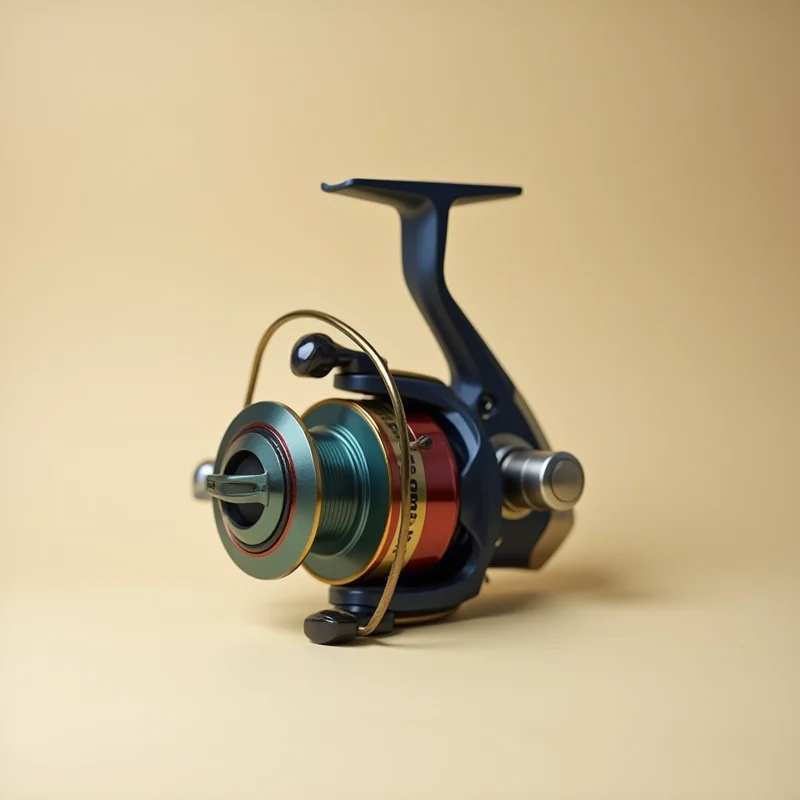
The line counter that put repeatable trolling depths within reach of everyone with a boat and eight rod holders.
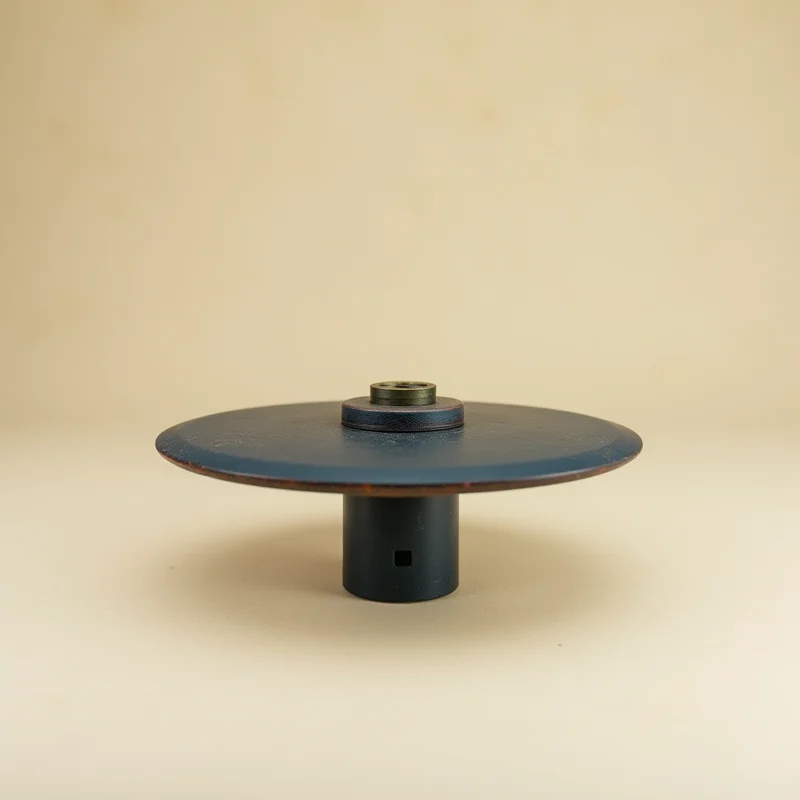
The in-line board that walleye trolling on Erie is essentially built around — it tracks hard, releases clean, and shows a bite.
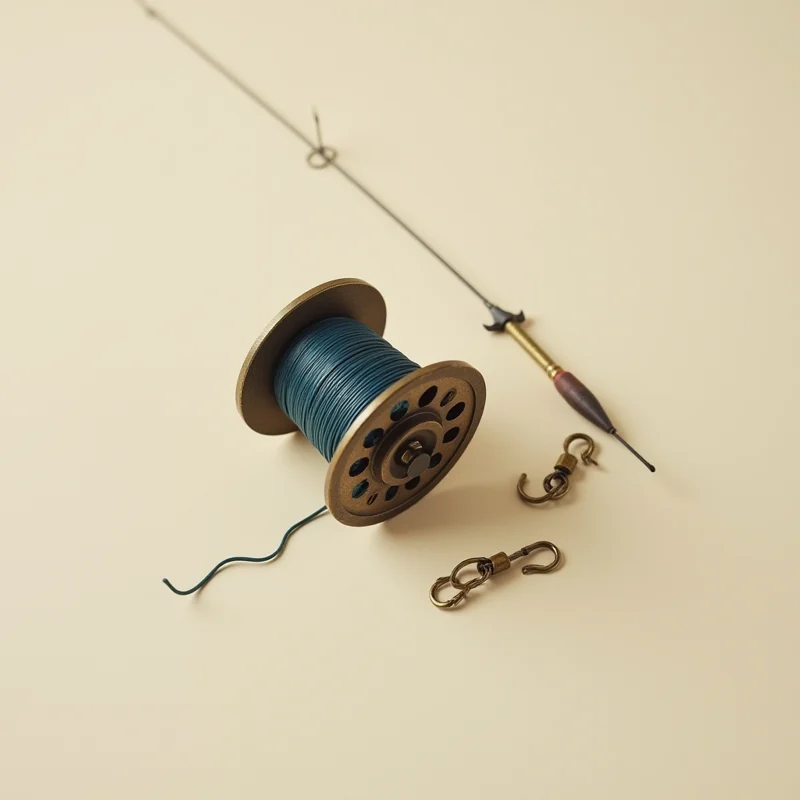
L-shaped wire weights that walk a harness along the bottom without burying it, sold in the three sizes that cover Great Lakes depths.
A bent hook that makes half a nightcrawler roll in a tight corkscrew at 1.1 mph, which is the single most reliable summer walleye presentation on Erie.
Questions
Same fish, other water
Size limits, bag limits, and open seasons for walleye on Lake Erie are set by Michigan DNR, NYSDEC, Ohio DNR Division of Wildlife and PA Fish & Boat Commission and change from year to year. Check the current rulebook before you keep a fish.
Sources
Last updated 2026-09-01