GreatAmericanLakes

Walleye · Lake Superior

Lake Superior Walleye Fishing: St. Louis River & Chequamegon Bay

Most of Lake Superior is too cold and too deep for walleye, and the fishery lives in a few warm, shallow corners. The St. Louis River estuary at Duluth-Superior holds the largest walleye stock on the lake, and Chequamegon Bay off Ashland is a solid second, so fish those two and don't bother with the open lake.

Prime time

May and June in the St. Louis River; July and August trolling the south shore; March on the Chequamegon Bay ice

Depths

6–20 ft in the estuary channels and bays; 8–20 ft along the south shore in summer; 10–25 ft through the ice

Typical size

15–22 inches, 1.5–4 lb

Lake max depth

1,332 ft

Where

Water worth running to

The St. Louis River below the Fond du Lac dam

The roughly mile-and-a-quarter stretch of rocky, fast water from the dam down to the Highway 23 bridge is the main spawning ground for western Lake Superior's walleye. A seasonal fish sanctuary covers the upper end in spring. Read the rules before you fish it.

The St. Louis River estuary, Duluth and Superior

11,500 acres of bays, backwaters and dredged channels between Minnesota and Wisconsin. Most of the estuary's walleye fishing happens in May and June, and the fish are wild. Nobody stocks this population.

Superior Entry to Port Wing

The Wisconsin south shore east of the harbor. After the river bite fades in July, walleye that have left the estuary are caught by anglers trolling shallow water along this stretch of shoreline.

Chequamegon Bay, Ashland and Washburn

34,000 acres of shallow, productive bay behind the Apostle Islands. A spring shore bite along the Ashland side and off the Washburn coal dock, summer trolling, and a dependable ice fishery off Ashland.

Keweenaw Bay, L'Anse and Baraga

Michigan's best walleye water on Superior is the weedy south end of the bay near L'Anse. It's a small fishery that the Keweenaw Bay Indian Community supports with walleye it raises and stocks.

How

Tactics, in the order we would try them

  1. 01

    Jigging and trolling the estuary in May and June

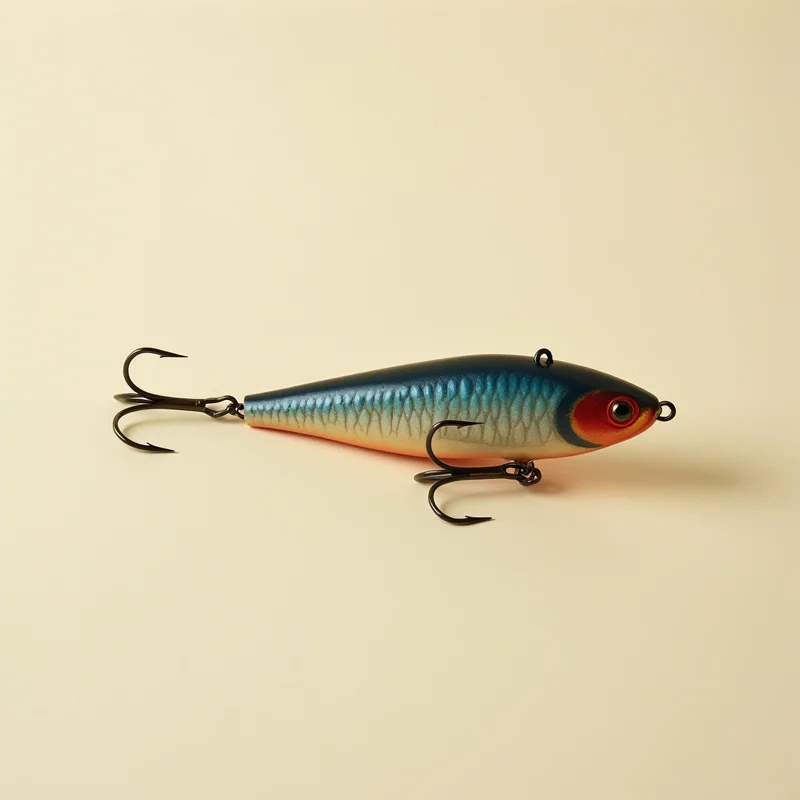
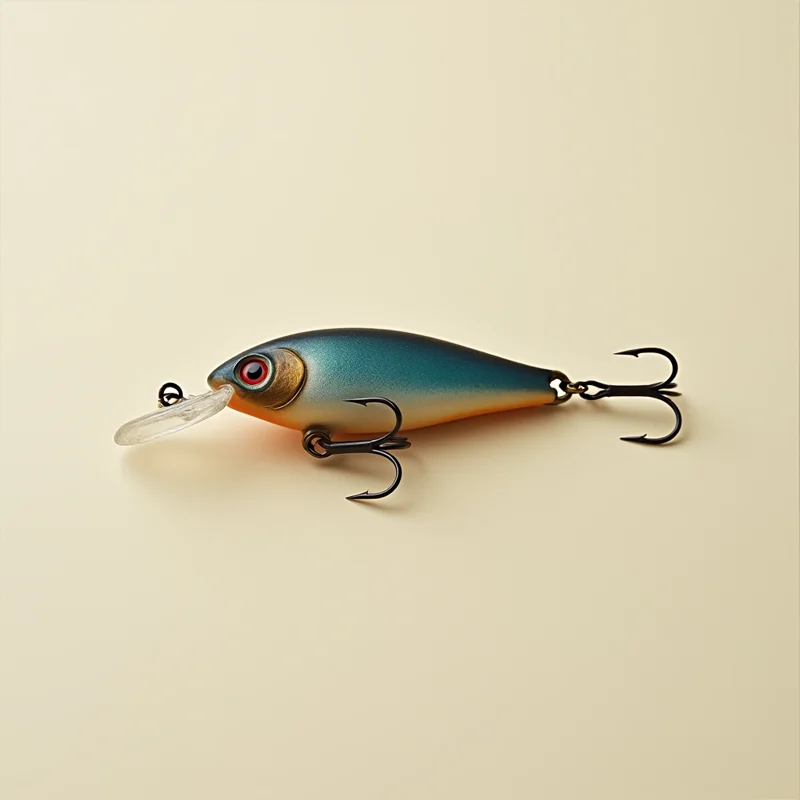
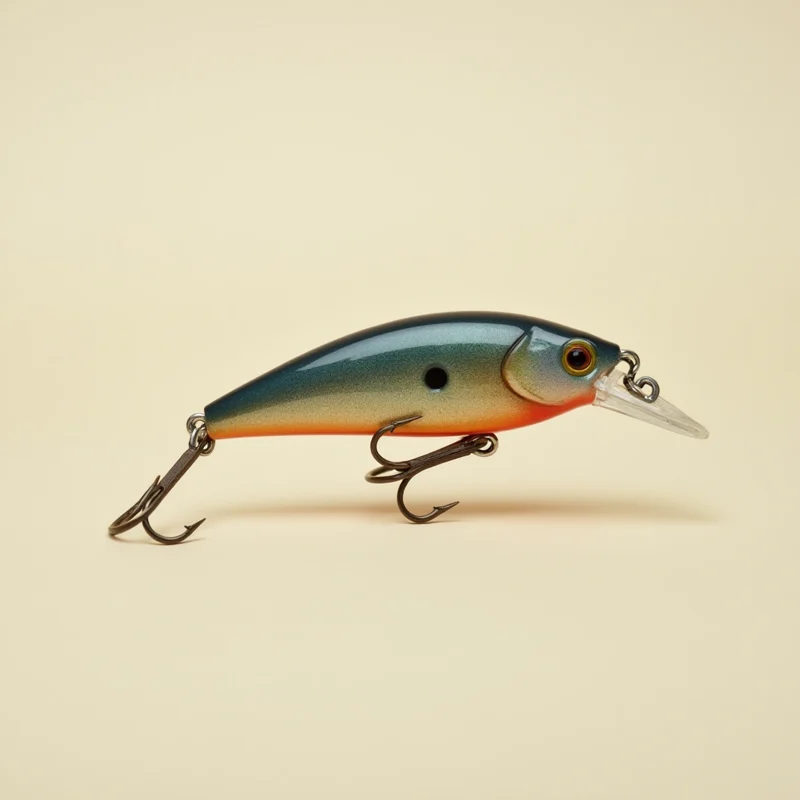
    Most of the estuary's walleye are caught by the end of June. Early in the season, jig a 1/4 to 3/8 oz jig and minnow along channel edges in 8 to 18 feet, or troll shallow-running crankbaits along the breaks at 1.8 to 2.4 mph. Switch to crawler harnesses at 1.0 to 1.5 mph once the water warms.

  2. 02

    Trolling the south shore in July and August

    When the upper estuary goes over the mid-70s, walleye move to the lower estuary and the open lake. Run crawler harnesses or shallow stickbaits off planer boards in 8 to 20 feet between Superior Entry and Port Wing, at 1.2 to 2.2 mph. Trolling the same way in Chequamegon Bay also produces fish.

  3. 03

    Jigging through the ice off Ashland

    Late winter, off the Ashland shoreline and the east end of the bay. A 1/4 oz jigging spoon, a No. 5 or No. 7 jigging rap or a small blade bait, tipped with a minnow head, in 10 to 25 feet. The bite is best from late afternoon into dark.

  4. 04

    Shore casting at dusk in May

    Along the Ashland side of Chequamegon Bay and off the Washburn coal dock, and from shore access in the estuary. A 3/8 oz jig with a 3-inch paddle tail, or a suspending stickbait twitched slowly, cast as the light goes.

A walleye lake only at the edges

Lake Superior is the coldest, deepest and clearest of the Great Lakes. That suits lake trout and doesn’t suit walleye. Walleye want warm, stained, shallow water, and Superior has very little of it.

Where it does, the fishing is good. The St. Louis River estuary at the western tip of the lake and Chequamegon Bay on the Wisconsin shore account for most of the walleye fishing on the US side. Keweenaw Bay in Michigan is a smaller third. If you’re coming from Erie or Saginaw Bay, adjust your expectations on numbers. The size is another matter: the fish here grow old and heavy.

The St. Louis River run

Every spring, walleye run up the St. Louis River to the rocky, fast water just below the Fond du Lac dam. Wisconsin and Minnesota biologists have sampled that run since 1980. Their reports call the river and estuary the largest walleye stock in Lake Superior. It is supported entirely by natural reproduction, and many of the fish leave for the open lake after they spawn. The 2024 survey counted 17 year classes in the run, with fish up to 19 years old.

The spawning stretch is partly protected by a seasonal sanctuary, so the open-water fishing starts once the fish have dropped back into the estuary. May and June are the season. The 2015 creel survey found that about 94 percent of the year’s walleye harvest was taken by the end of June. Jig the channel edges early, troll crankbaits along the breaks, and switch to crawler harnesses once the water warms.

The estuary is 11,500 acres of channels, bays and backwater. Shore anglers do well here. The Minnesota DNR points to Rice’s Point, Boy Scout Landing, Perch Lake and the Waabizheshikana Trail in west Duluth. Rice’s Point is scheduled to close for several years during the Blatnik Bridge replacement, so check before you drive there. On the Wisconsin side, you can launch at Barkers Island and Loons Foot Landing in Superior.

Following the fish out in summer

By July the upper estuary is too warm. Walleye avoid water above about 75°F, and temperature monitors in the upper estuary stay above that for weeks. The fish drop down to the lower estuary, where cold water pushed in from the lake keeps it cooler, and then out into the lake itself.

That’s when the Wisconsin DNR’s fishing calendar sends you east along the south shore. Troll shallow water from Superior Entry to Port Wing with crawler harnesses or stickbaits on boards, and stay on the 8 to 20 foot contour. On a calm morning this is pleasant fishing. When the wind comes from the northeast it isn’t, and there’s little shelter between Superior and Port Wing. See reading a Great Lakes marine forecast.

Chequamegon Bay

Chequamegon Bay is 34,000 acres with an average depth of 28 feet. It is the warmest, most productive water on the Wisconsin shore. Walleye there originally spawned in the Kakagon River and its sloughs. When that reproduction declined, the Wisconsin DNR began stocking along Ashland and the Bad River Band began stocking the Kakagon. The DNR’s 2026 report on the Ashland stock found it closely tied to stocking, with little sign of natural reproduction along the Ashland shoreline.

What that means for you: the Ashland fish are a managed, put-and-grow population, and the size structure is good. Spawning surveys there have measured females to nearly 32 inches. In May, shore casting along the Ashland side and off the Washburn coal dock picks up. Late summer, troll the bay. You can launch at Kreher Park in Ashland or the Washburn Marina.

On the ice

Chequamegon Bay freezes most winters, which the open lake usually doesn’t. Ice anglers off Ashland jig spoons, jigging raps and blade baits tipped with minnow, and the bite gets better as the season goes on and into the evening. Pressure cracks open across the bay, and no ice on Superior is safe ice. Read ice fishing the Great Lakes safely before you walk out.

Keweenaw Bay

Michigan’s Superior walleye are mostly in the shallow, weedy south end of Keweenaw Bay near L’Anse and Baraga. The Keweenaw Bay Indian Community raises walleye and stocks them in western Upper Peninsula waters. It’s a local fishery, and a good add-on if you’re already up there for northern pike or lake trout.

Regulations

Four governments manage the water on this page. The St. Louis River estuary is a Minnesota-Wisconsin border water with its own rules and a seasonal sanctuary, so check both the Minnesota DNR and the Wisconsin DNR. Chequamegon Bay is managed by the Wisconsin DNR, and Keweenaw Bay by the Michigan DNR. The Bad River and Keweenaw Bay reservations set their own codes. Read the current regulations for the exact water before you fish.
Where to put in

Launches for walleye on Superior

Chart of Lake Superior with the launches for walleye markedBaraga Village RampBaraga State ParkAlan Tomczak Park Public Boat LandingBarkers Island MarinaHot Pond Overlook Boat RampKreher Park Boat LandingPort Wing Marina Boat RampThompsons West End Park Boat Launch

Dark marks are launches named in this guide. Generalized shoreline, not for navigation.

Every public Lake Superior launch →

Kit

What we would have in the boat

Questions

Walleye on Superior, answered

Are there walleye in Lake Superior?
Yes, but only in a few places. Superior is mostly cold, deep, clear water that suits lake trout. Walleye live in the warmer, shallow edges: the St. Louis River estuary at Duluth-Superior, Chequamegon Bay in Wisconsin, Keweenaw Bay in Michigan, and a few large bays on the Ontario shore.
Where is the best walleye fishing on Lake Superior?
The St. Louis River estuary. Wisconsin and Minnesota biologists describe it as the largest walleye stock on Lake Superior, and it reproduces entirely on its own. Many of the fish leave for the open lake after they spawn.
Are Chequamegon Bay walleye stocked?
Mostly, yes. Walleye along the Ashland shoreline rely heavily on Wisconsin DNR stocking, and Wisconsin DNR surveys have found little natural reproduction there. The Bad River Band stocks walleye in the Kakagon River on the east side of the bay.
Why does the St. Louis River walleye bite slow down in July?
Because the water gets too warm. Walleye avoid water above roughly 75°F, and the upper estuary stays above that for long stretches in summer. The fish move to the cooler lower estuary and the lake, so you have to follow them out to the south shore.
What are the walleye rules on Lake Superior?
It depends on where you fish. The St. Louis River estuary is a Minnesota-Wisconsin border water with its own rules and a seasonal sanctuary. Chequamegon Bay is Wisconsin water, Keweenaw Bay is Michigan, and tribal waters have separate codes. Read the current rules for the exact water before you go.