fishing · Lake Erie
Ice Fishing the Great Lakes Safely
Ice thickness numbers, pressure ridges, current, and what safe ice on the Great Lakes actually means — plus the gear that gets you back off the ice.
Great Lakes ice is not lake ice. An inland lake freezes as one plate with no current under it and nowhere to go. The Great Lakes freeze in sheets that flex with a seiche, ride on current, crack along pressure ridges, and blow out to sea with people standing on them. Every winter, boats and helicopters pull anglers off ice that looked exactly like the ice that held all week.
None of that means stay home. It means the standards are different, and the difference is not subtle.
The thickness numbers, and what they do not cover
For new, clear, solid ice, the widely published guidelines are:
- Under 4 inches — stay off.
- 4 inches — one person on foot, spread out from your partners.
- 5 to 7 inches — snowmobile or ATV.
- 8 to 12 inches — a small car or side-by-side.
- 12 to 15 inches — a mid-size truck.
Now the fine print, which is the part that actually matters. Those numbers describe clear black ice, the kind that freezes hard on a calm cold night. White or “snow ice” — refrozen slush — carries roughly half the load of clear ice at the same thickness. Ice honeycombed by late-season sun carries less than that no matter how thick your spud bar says it is. Ice with current under it is thinner in unpredictable spots. Ice near a river mouth, a pier, a discharge, a spring, or a narrows should be assumed unsafe until proven otherwise.
Thickness is also never uniform. On Saginaw Bay you can walk from 14 inches to 3 inches in fifty yards, and the transition does not announce itself.
How to actually check it
Drill or spud your way out. Do not trust the thickness at the access and assume it holds. Chip a hole with a spud bar every 20 or 30 yards on a new route. If the bar breaks through in one good jab, the ice will not hold you — turn around and step in your own tracks.
Check color and structure. Clear blue-black ice is the good stuff. Gray means water is in it. White, bubbly, layered ice is weak. Ice you can see fish through is ice you can trust the arithmetic on.
Listen and watch. Booming and cracking on a cold night is normal thermal expansion. Water welling up through a crack, a spongy underfoot feel, or a wet sheen spreading on a cold day is not.
Ask, then verify. Local bait shops and access-point regulars know where the current runs and where the sheet went out last week. That information is worth more than a forecast. Verify it with your own spud anyway.
Pressure ridges, cracks, and the offshore plate
A pressure ridge forms where two sheets push together. The ice piles up, buckles, and the seam becomes a moving fault line. Ridges refreeze, reopen, and shift with wind and seiche. The ice thirty feet from a ridge can be four feet thick and the ice at the ridge can be open water covered in snow.
Rules that keep people alive around ridges:
- Cross only where somebody has probed a crossing that day, and probe it yourself.
- Never cross a ridge in the dark or in blowing snow.
- Never let a ridge get between you and shore. If wind is forecast to shift onshore-to-offshore, be on the shore side of every ridge before it does.
- On Erie and Saginaw Bay, an offshore wind on a warm afternoon is the classic ice-detachment setup. When the wind swings offshore and freshens, leave. Whole plates with dozens of people on them have gone adrift in under an hour.
The gear that is not optional
Ice picks worn around your neck, outside your coat. Not in a pocket. Not in the sled. Hands go useless in cold water fast, and picks are how you claw onto ice with no grip on it.
A float suit or float bibs. Buoyant, insulated, and rated to keep you at the surface. This turns a fatal event into a bad afternoon.
A rope. Fifty feet of floating line in the sled, with a loop or a weighted end so it can be thrown. Rescue attempts fail when the rescuer walks up and joins the victim in the hole.
A partner and a plan. Fish with someone. Tell somebody on land where you are going and when you will be back. Carry a fully charged phone in a waterproof pocket, not in the shack.
A spud bar. The oldest tool on the ice and still the most useful.
If you go through
Do not thrash. Turn back toward the direction you came from — that ice held your weight seconds ago. Get your arms up onto the sheet, kick your legs to the surface behind you, and swim yourself out horizontally rather than trying to climb. Punch the picks in and pull. Once you are out, roll away from the hole to spread your weight; do not stand until you are well clear.
Then get warm immediately. Hypothermia does more killing on the Great Lakes than drowning does. Vehicle heat, dry clothes from the truck, warm non-alcoholic drinks. If someone is confused, slurring, or has stopped shivering, that is an emergency — call 911.
Fishing it well once you are safe
The reward is real. Saginaw Bay and Little Bay de Noc grow winter walleye in numbers that boats never see. Green Bay produces whitefish and perch through the ice all winter. Lake St. Clair perch stack on the deep breaks. Erie’s western basin, in the years it makes ice, is the best walleye fishing on the continent.
Bring a flasher — being able to see a fish rise to your bait changes jigging from guesswork into a conversation. Run tip-ups on the edges of your spread to cover water while you jig. A hub shelter turns a marginal day into a comfortable one and pays for itself the first February you use it.
Regulations on the Great Lakes vary by state, by zone, and by year, including where and when you can fish through the ice and how many lines you may use. Check the current rules with the state agency before you drill your first hole — Michigan DNR, Ohio DNR, and the other Great Lakes states publish them annually, and they change.
Keep exploring
More from the field guide
Mentioned above
Gear from this guide
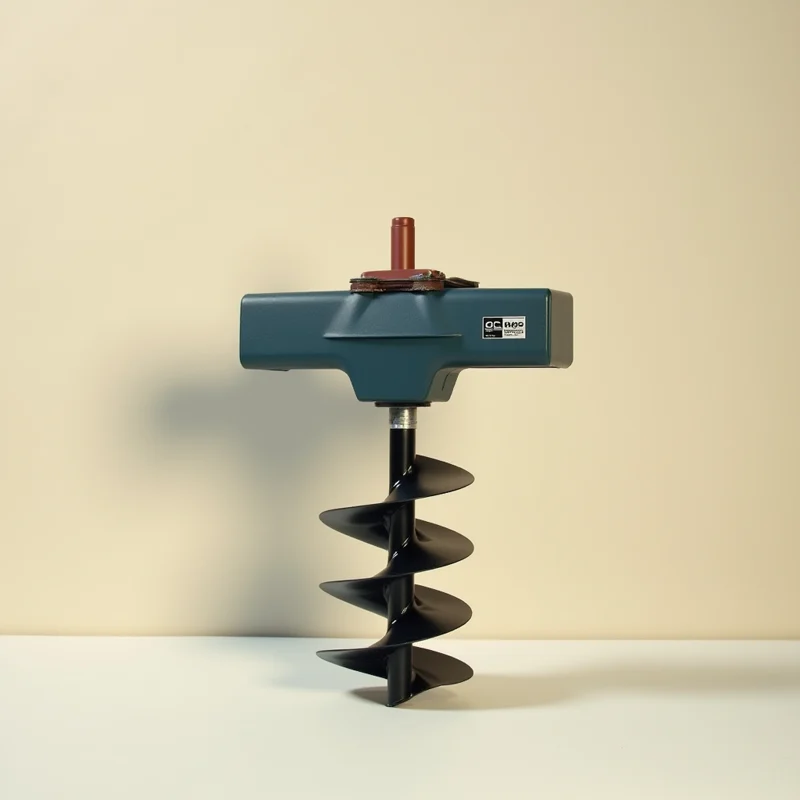
Ice Safety Picks
4.6(2,900)4.6 out of 5 stars, 2,900 reviews, on Amazon at the time this was writtenTwo steel awls on a cord around your neck. The cheapest piece of gear that has ever saved a Great Lakes angler's life, and the most commonly skipped.

Lithium 40v Ice Auger
4.5(980)4.5 out of 5 stars, 980 reviews, on Amazon at the time this was writtenA cordless auger that cuts forty-plus holes in Saginaw Bay ice on one battery and never asks you to carry gas onto the lake.
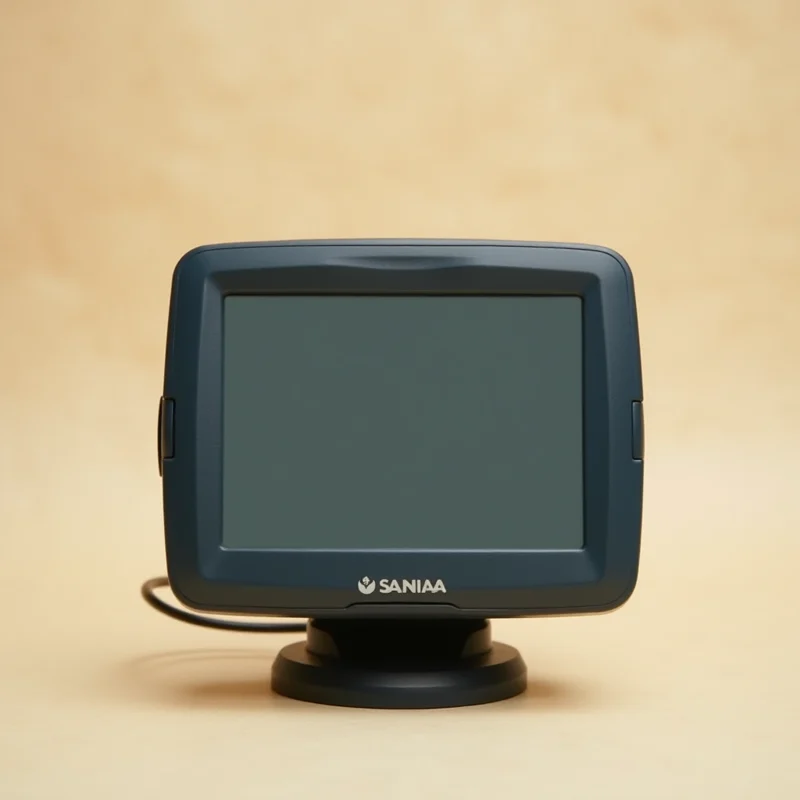
FL-8SE Ice Flasher
4.7(1,300)4.7 out of 5 stars, 1,300 reviews, on Amazon at the time this was writtenThe ice flasher that has been the standard for thirty years — zero lag, and it shows your jig and the fish coming to it.

I-Float Ice Suit
4.4(810)4.4 out of 5 stars, 810 reviews, on Amazon at the time this was writtenA jacket-and-bib set with buoyant flotation foam built in, so going through the ice becomes a survivable problem instead of a fatal one.
X300 Thermal Hub Shelter
4.6(1,150)4.6 out of 5 stars, 1,150 reviews, on Amazon at the time this was writtenAn insulated hub that holds heat well enough to fish Saginaw Bay in February in a sweatshirt, which is a real and specific thing this shelter does.
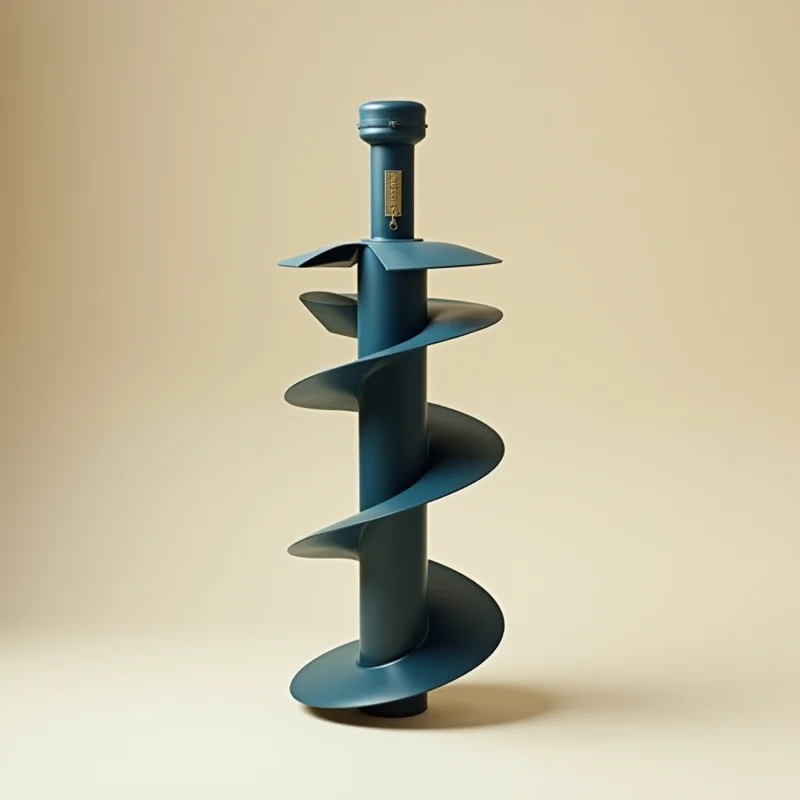
Original Tip-Up
4.7(1,680)4.7 out of 5 stars, 1,680 reviews, on Amazon at the time this was writtenThe wooden tip-up that has been catching Great Lakes pike since the 1940s, with a sealed underwater spool that does not freeze up at fifteen below.
Questions
- How many inches of ice is safe to walk on?
- Four inches of clear, new, solid ice is the common minimum for a person on foot, with 5 to 7 inches for a snowmobile or ATV and 12 or more for a small car. Those numbers assume clear ice of uniform thickness. On the Great Lakes proper, uniform is rare — treat every published number as a floor, not a permission slip.
- Is Lake Erie ice safe to fish?
- Erie is fished hard every winter out of Ohio ports, and it also produces the most ice rescues on the chain. The western basin freezes because it is shallow, but wind and current break it up and move whole plates offshore. Nobody experienced fishes Erie ice without picks, a float suit, a spud bar, and a partner, and most hire a guide the first several times.
- What is a pressure ridge?
- A pressure ridge is a seam where two ice sheets grind against each other and buckle, often piling broken ice several feet high. The ice near a ridge can be thick, thin, or open water within a few feet, and ridges move. Cross only at a spot someone has probed that day, and never after dark.
- Do I need a float suit for ice fishing?
- It is the single highest-value purchase in the sport. A buoyant ice suit keeps your head up and buys you the minutes you need to self-rescue after a break-through, and modern ones are warmer than the bibs they replace.
Read next
Your First Day on Lake Erie: Launch, Run, and Come Home With Fish
A realistic plan for a first Lake Erie walleye trip: forecast, launch, run, two proven presentations, and getting the fish home in good shape.
Fishing the Tributaries: Fall and Spring Runs Without Crowding Anybody
How Great Lakes steelhead and salmon runs work, what water conditions turn them on, and the river etiquette that keeps a crowded hole fishable.
Trolling Speed, Lure Depth, and How to Know Where Your Bait Is
Speed at the ball vs. speed over ground, dive curves, and line counters: the math that puts a trolling bait at a known depth instead of a hopeful one.