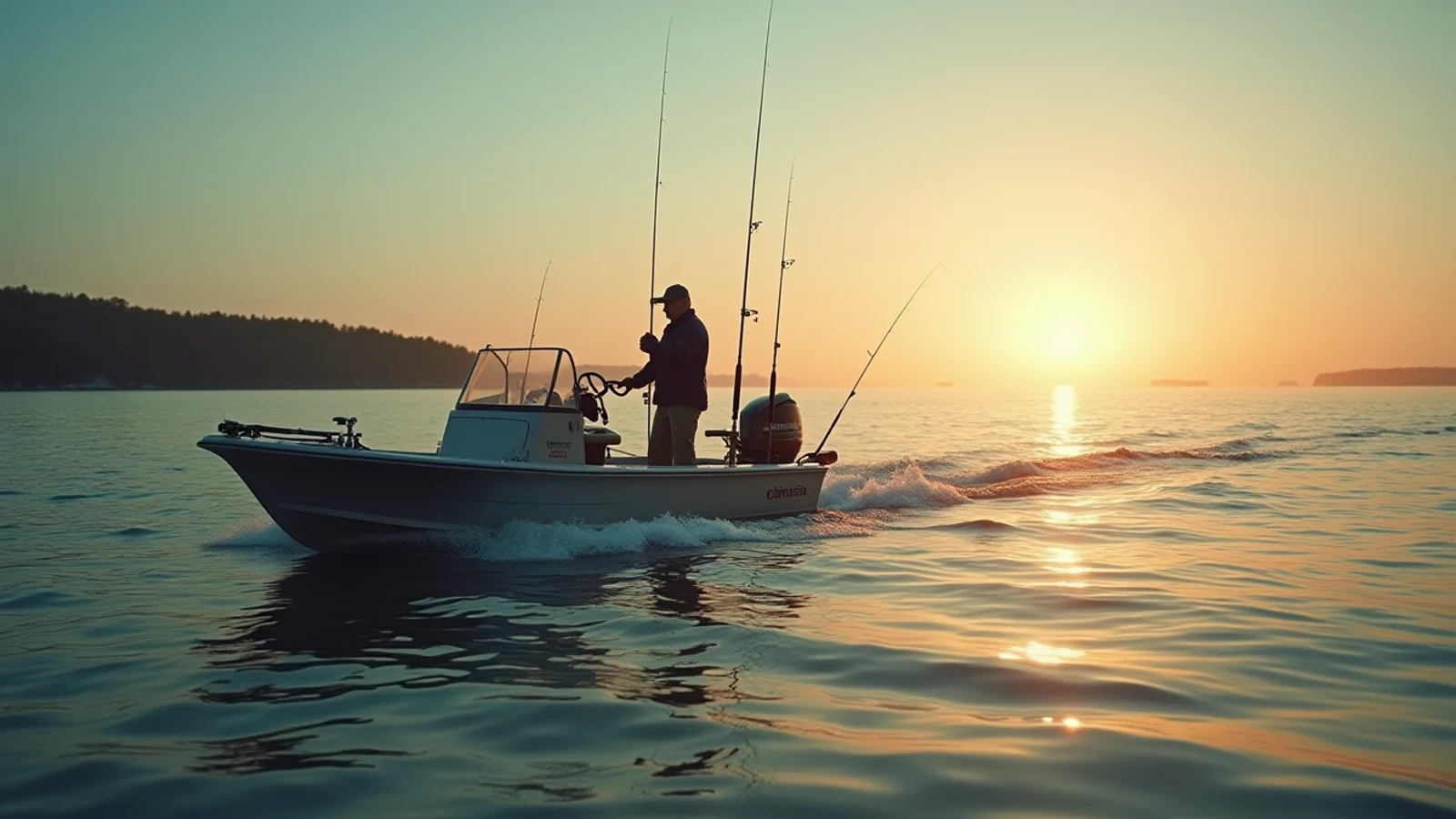
fishing · Lake Michigan
Fishing the Tributaries: Fall and Spring Runs Without Crowding Anybody
How Great Lakes steelhead and salmon runs work, what water conditions turn them on, and the river etiquette that keeps a crowded hole fishable.
A tributary run is the only time the Great Lakes come to you. Fish that spent two years in 200 feet of open water funnel into rivers you can wade across, and for about ten weeks a year an angler with a $200 outfit can stand in the Rocky River or the Betsie and hook something that would take a downrigger to reach in August.
That accessibility is why the banks fill up, and why the etiquette section of this guide matters as much as the tactics.
What triggers a run
Three things move fish out of the lake and into the river: water temperature, flow, and daylight.
Chinook stage off the river mouths in August, holding in cool water near the plume, and enter on the first real cool-down and rain of late August or September. They spawn and die; by late October the kings in most systems are done.
Coho follow, usually late September into November, and stay bright longer.
Steelhead are the long season. Fall fish come in behind the salmon to eat eggs, often from late September onward. In the big systems — the Salmon River in New York, the Muskegon and Manistee in Michigan — fish hold all winter in deep runs and are catchable any day the ice lets you stand there. Then a second, larger push comes with spring melt and rain from late February through April, and those fish are aggressive.
Brown trout run in fall and are the least predictable of the group, which is part of the appeal.
Rain is the switch. A one-inch rain on a low, clear river in October will put fish in overnight. The trick is timing: during the spike the river is unfishable mud. Fish the falling limb, when the gauge is dropping and the water clears to about two feet of visibility. That is when a fresh fish, a visible bait, and a manageable current all exist at once.
Learn to read the USGS gauge for your rivers. Two seasons of watching a gauge and writing down what the river looked like at what cubic-feet-per-second reading is worth more than any hot tip.
Where the fish actually sit
Fresh fish move; holding fish rest. Both are catchable if you know the difference.
- Tailouts — the shallow, even-flowing exit of a pool. Fresh fish stop here at first light before pushing up.
- The head of a pool — where riffle water breaks into depth. Oxygen, cover, and a food conveyor. Nearly always worth a drift.
- Slots and seams — a narrow deeper cut in otherwise even gravel, or the line where fast water meets slow. Steelhead will lie in a slot barely deeper than their backs.
- Below spawning gravel — in spring, drop-back steelhead and fall fish behind spawning salmon sit downstream eating eggs.
- Woody cover in winter — cold fish do not fight current. In January they will be in the slowest deep water in the river.
Do not walk past skinny water at dawn. The best drift of the day is often in three feet of water that everyone crosses to reach the “good” hole.
Float fishing, and why it dominates
The float — a bobber, if you want to be plain about it — solved the tributary. It suspends a bait at a set depth, tracks at current speed, and shows a take as a clean dip instead of a mushy tick.
The system: a long rod (10 to 13 feet), a float sized to the water, a shot pattern that gets the bait down but leaves the bottom shot light, an 18- to 30-inch fluorocarbon leader, and a bait that matches what the river is eating. Egg sacs and single beads in fall, small jigs under a float in winter, egg patterns and nymphs in spring.
The whole game is the drag-free drift. If the float is being pulled by your line, the bait is moving faster than the current and it looks wrong. Mend your line downstream of the float, keep the rod tip up, and let it go. A centerpin does this best because the spool free-spins with zero resistance; a long spinning rod with a light hand does it nearly as well and costs a third as much.
Set the depth so your bottom shot is ticking gravel occasionally, not dragging constantly. When the float hesitates — not dives, hesitates — set the hook. Half of tributary steelhead takes look like the float thought about something.
Gear that earns its place
A long, soft rod is not a luxury. It cushions light leaders against a fish that runs 40 yards downstream in fast water, and it mends line at distance. Waders that actually seal matter more in November than any lure. A rubber-mesh conservation net protects the slime coat on a fish you intend to release and does not tangle every hook you own.
Fluorocarbon leader in the 6- to 10-pound range is the standard, sized down in clear low water and up in stained. Carry both.
Etiquette, which is the actual skill
Great Lakes tributaries in October are crowded, and the difference between a good day and a fight is entirely behavioral.
Ask before you step in. “Mind if I fish below you?” costs nothing and settles everything.
Rotate. On popular runs the convention is a step-and-drift rotation: cast, drift, take a step downstream, repeat. Everyone moves through the run. Standing on one spot all morning in a rotation line is the single rudest thing you can do on a river.
Give a working angler room. Do not drop in above someone and cut off their water. If a person is fighting a fish, reel up. Every time.
Never low-hole. Sliding in directly below someone to intercept the fish they are working toward is understood everywhere as theft.
Do not walk through the run. Cross at the tailout or well below. Wading through holding water empties it for everyone including you.
Leave the redds alone. Fish visibly spawning on gravel deserve to finish. Walking on redds crushes eggs. Fish below them instead — that is where the eaters are anyway.
Pack out your line. Monofilament on the bank is the signature of the sport at its worst, and it kills birds. Pick up somebody else’s too.
Handle them right
These fish are worth more alive than the twenty seconds of a photo. Wet your hands, support the belly, keep it in the water while you unhook, and if you want a picture, have the camera ready before the fish comes out. In water below 40 degrees a fish revives slowly — hold it head-into-current until it kicks off on its own.
Harvest rules, seasons, tackle restrictions, and river-specific regulations change every year and differ between neighboring streams. Check the current regulations with the state agency for the water you are standing in.
Keep exploring
More from the field guide
Mentioned above
Gear from this guide
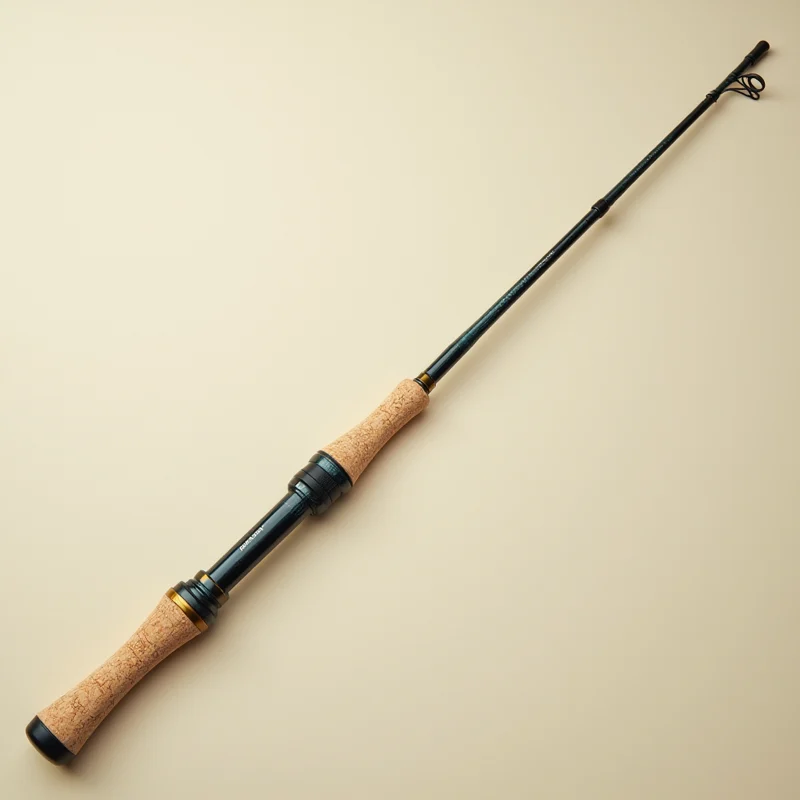
Heartland Float / Noodle Rod
4.4(310)4.4 out of 5 stars, 310 reviews, on Amazon at the time this was writtenThirteen feet of soft graphite built to mend line across a tributary current and protect 6-lb fluoro from a hot steelhead.
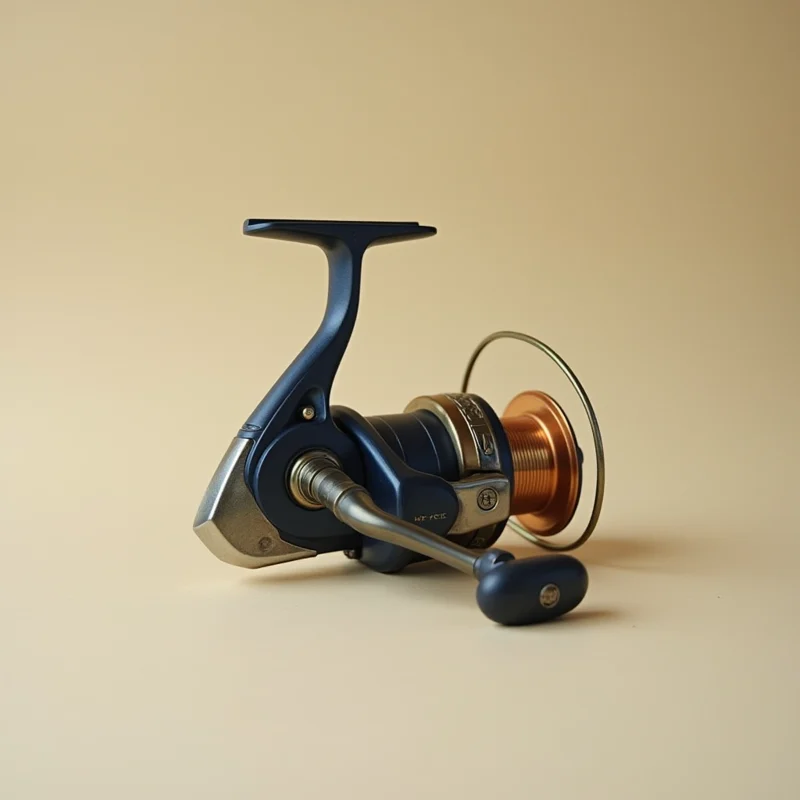
Sheffield Centerpin Float Reel
4.4(260)4.4 out of 5 stars, 260 reviews, on Amazon at the time this was writtenAn affordable entry into centerpin float fishing — a free-spinning drum that lets a float drift at true current speed.
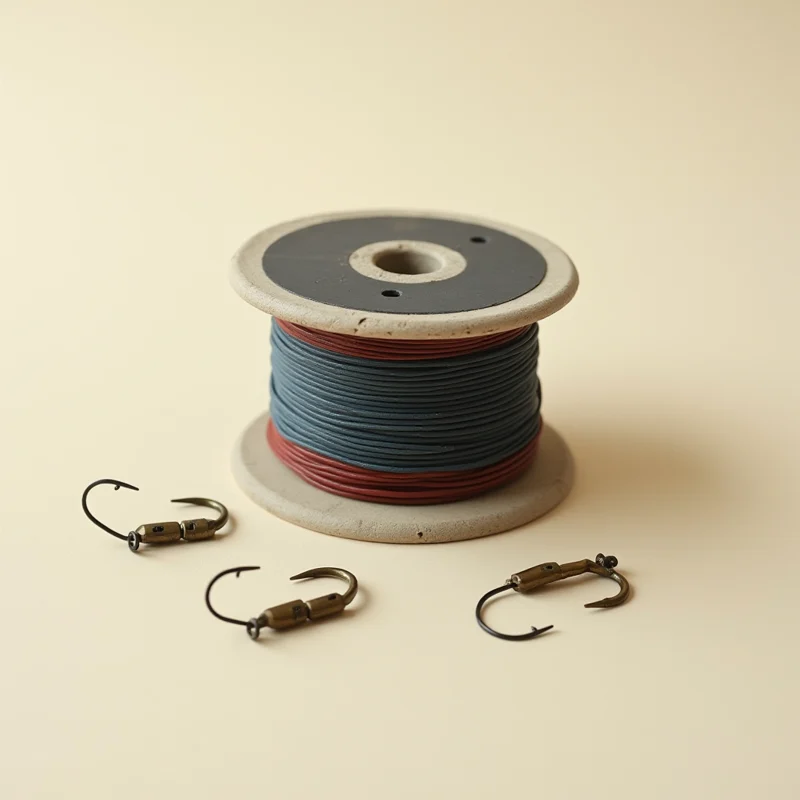
Float, Shot and Hook Kit
4.5(720)4.5 out of 5 stars, 720 reviews, on Amazon at the time this was writtenEverything you need to build a float program for tributary steelhead, assembled by the company that made float fishing normal in the Great Lakes.
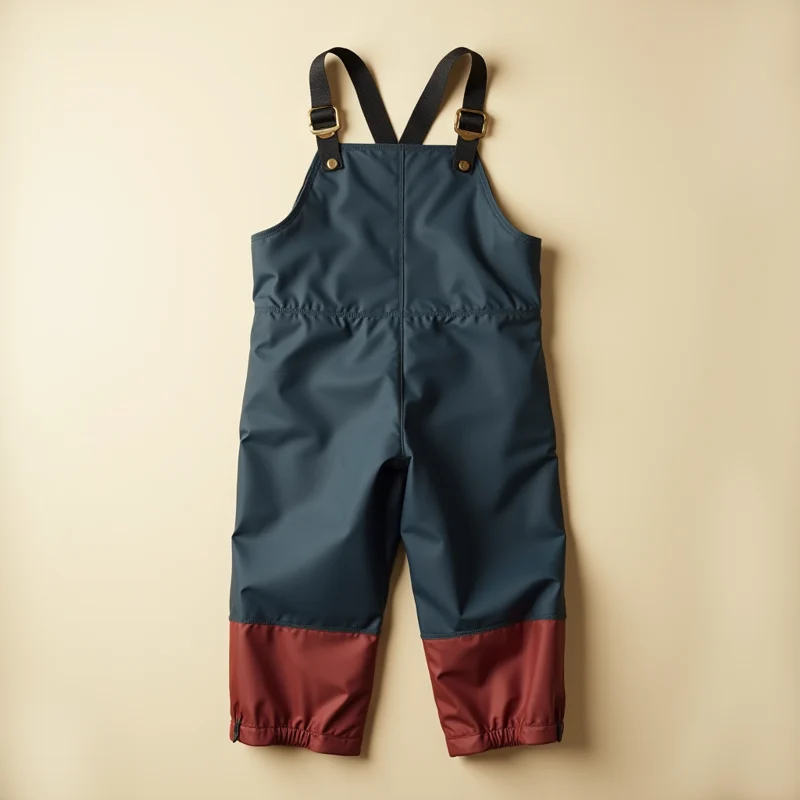
Freestone Stockingfoot Waders
4.5(1,900)4.5 out of 5 stars, 1,900 reviews, on Amazon at the time this was writtenBreathable four-layer waders that survive a tributary steelhead season, from the company whose warranty and repair program is the actual reason to pay up.
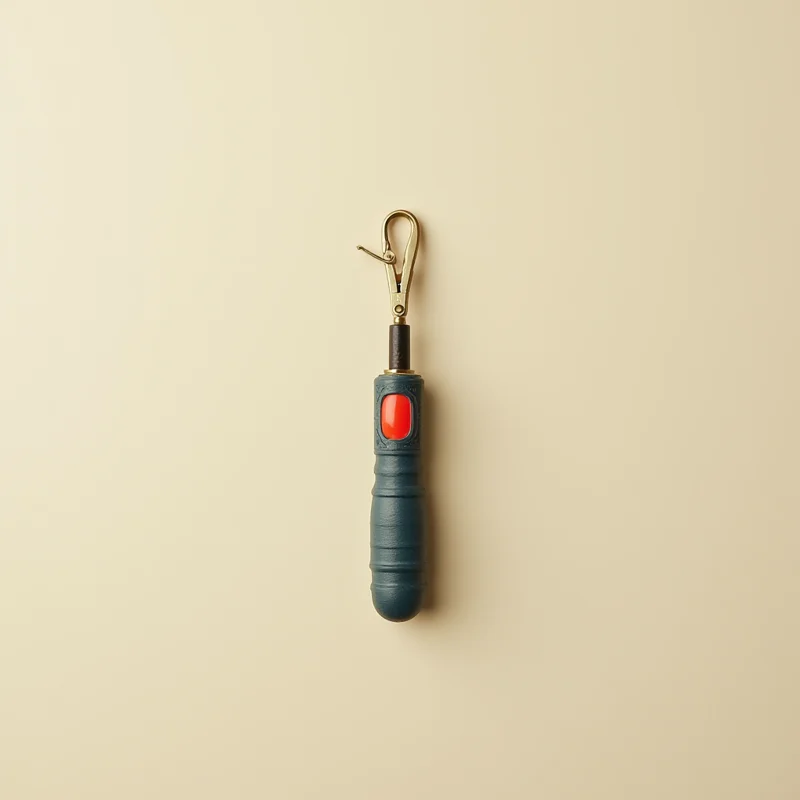
Conservation Series Landing Net
4.6(2,450)4.6 out of 5 stars, 2,450 reviews, on Amazon at the time this was writtenA knotless, rubber-coated net that does not strip slime or tangle trebles, in a hoop size that actually fits a Great Lakes fish.
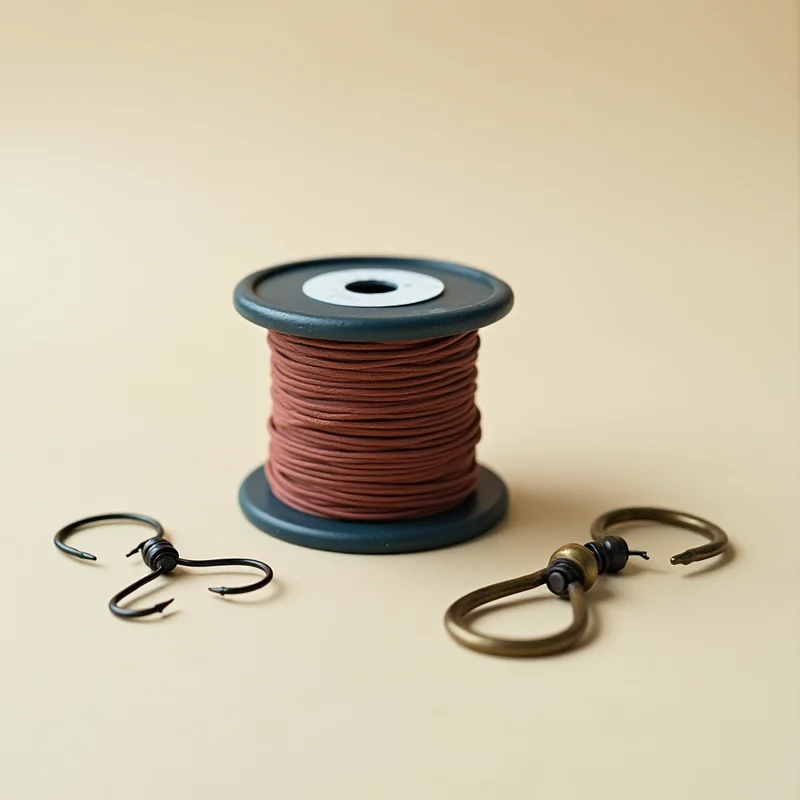
InvizX Fluorocarbon
4.5(6,800)4.5 out of 5 stars, 6,800 reviews, on Amazon at the time this was writtenThe leader material that makes braid usable over mussel-covered rock, and the whole line when smallmouth get selective in gin-clear water.
Questions
- When do steelhead run in the Great Lakes tributaries?
- Fish enter tributaries from roughly late September through December on a fall push, hold through winter in the bigger systems, and push again on rising water from late February into April. Rain and a drop in water temperature move the most fish.
- What water level is best for tributary steelhead?
- The falling side of a high-water event. During the spike the river is chocolate and unfishable; as it drops and clears to about two feet of visibility, fresh fish are in and they can see your bait.
- Do I need a centerpin reel to float fish?
- No. A long spinning rod with a float and a good drift catches the same fish. A centerpin gives a longer drag-free drift, which matters most on wide, slow rivers like the Salmon and the Muskegon.
- Is it legal to snag salmon in the Great Lakes tributaries?
- Snagging rules, foul-hook rules, gear restrictions, and open seasons vary by state, by river, and by year — some stretches have specific hook-size and single-hook rules. Read the current regulations from the state agency before you fish; do not rely on what somebody told you on the bank.
Read next
Your First Day on Lake Erie: Launch, Run, and Come Home With Fish
A realistic plan for a first Lake Erie walleye trip: forecast, launch, run, two proven presentations, and getting the fish home in good shape.
Ice Fishing the Great Lakes Safely
Ice thickness numbers, pressure ridges, current, and what safe ice on the Great Lakes actually means — plus the gear that gets you back off the ice.
Trolling Speed, Lure Depth, and How to Know Where Your Bait Is
Speed at the ball vs. speed over ground, dive curves, and line counters: the math that puts a trolling bait at a known depth instead of a hopeful one.