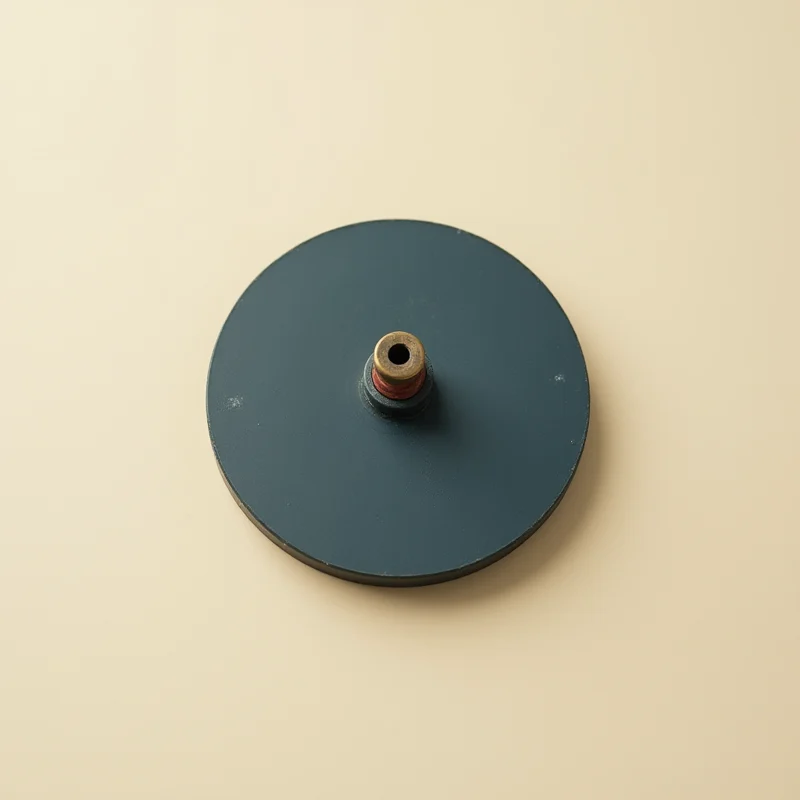
Dipsy Diver
4.6(3,800)4.6 out of 5 stars, 3,800 reviews, on Amazon at the time this was writtenA directional diving disc that takes a bait down and out to the side — the cheapest way to widen a trolling spread.
Salmon · Oncorhynchus kisutch
The spring opener. Cohos school tight near the surface in April and May off the southern Lake Michigan ports, which makes them the most beginner-accessible salmon on the chain.
Where to go
Ranked by how good the fishing actually is, not alphabetically. If a lake is not on this list, it is because the fish is not worth targeting there.
The April and May coho run in southern Lake Michigan is the most beginner-friendly big-water salmon fishing in America — the fish school tight in the top 25 feet within a few miles of Chicago and the Indiana ports. A 4- to 6-pound coho on light tackle in 45-degree water is a better introduction to Great Lakes trolling than any king trip.
Lake Superior grows fewer and smaller coho than Lake Michigan, but almost all of them are wild fish and they are catchable in the top 20 feet of water within sight of the North Shore highway. Spring and early summer off Duluth, Knife River and the Apostles is the most consistent coho water on the lake.
Coho are the second salmon on Lake Ontario, not the first, and most anglers catch them incidentally on a chinook program. The exception is late summer in the eastern basin, where maturing coho gather off the Salmon River and Oswego River mouths in numbers worth targeting on purpose.
Lake Huron has the thinnest coho fishery on the American side of the chain, a consequence of the same alewife collapse that took the chinook down. The northern shore from Rogers City to De Tour and the water off Alpena still give up coho in early summer, usually mixed into a lake trout and steelhead program.
How to catch them
Ordered by how much of the annual catch each one accounts for across the chain. The lake-specific pages above tell you which one to lead with, and when.
Tackle
A directional diving disc that takes a bait down and out to the side — the cheapest way to widen a trolling spread.
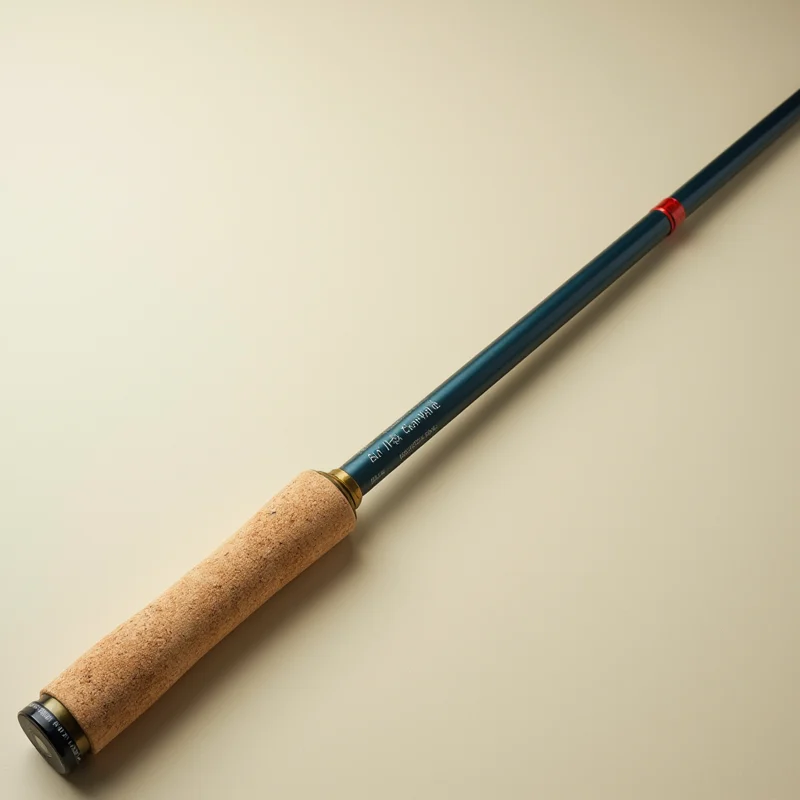
The rod most Great Lakes charter boats actually have in the holders, at a price that lets you buy six of them.
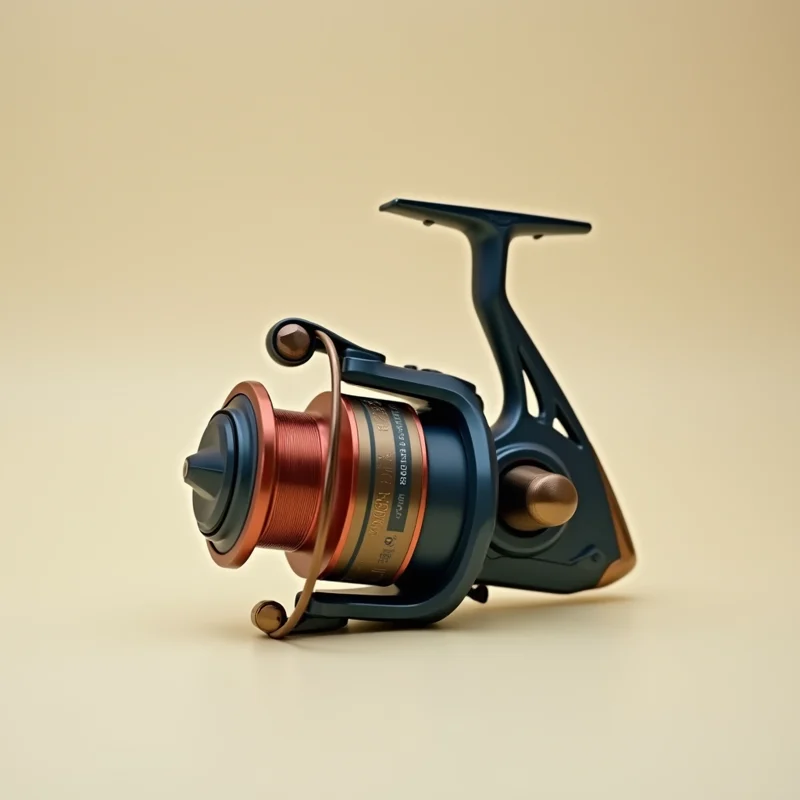
The line counter that put repeatable trolling depths within reach of everyone with a boat and eight rod holders.
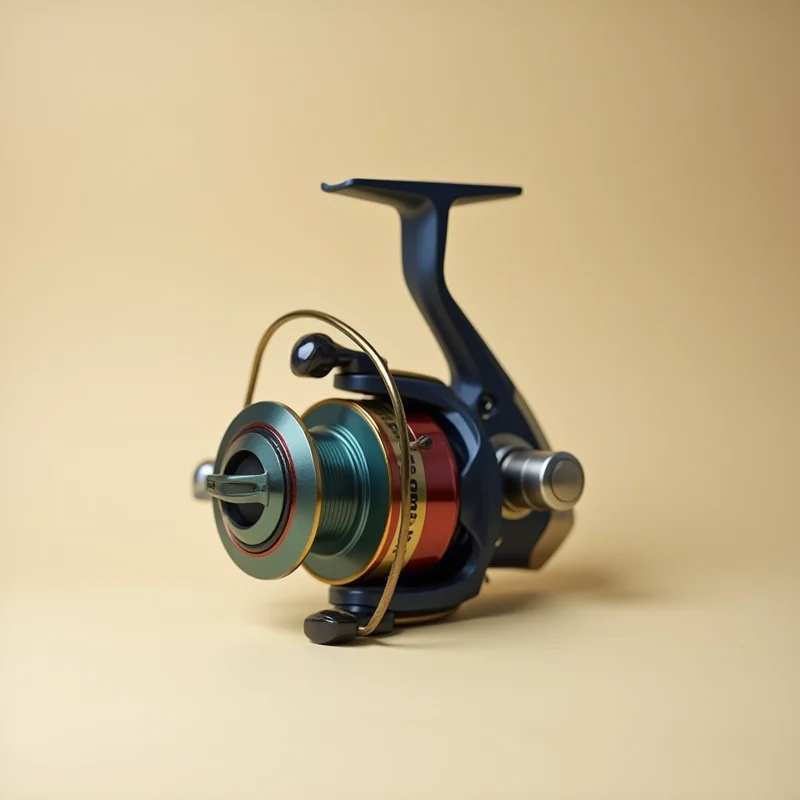
The reel the charter fleet actually runs, with a drag that stays smooth through a 20-pound king's third run.
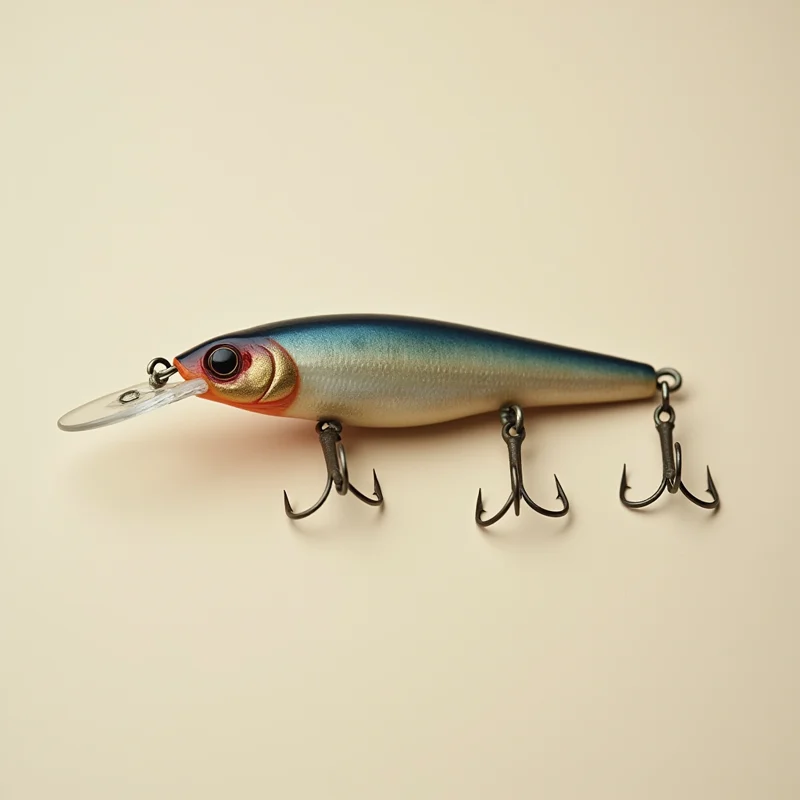
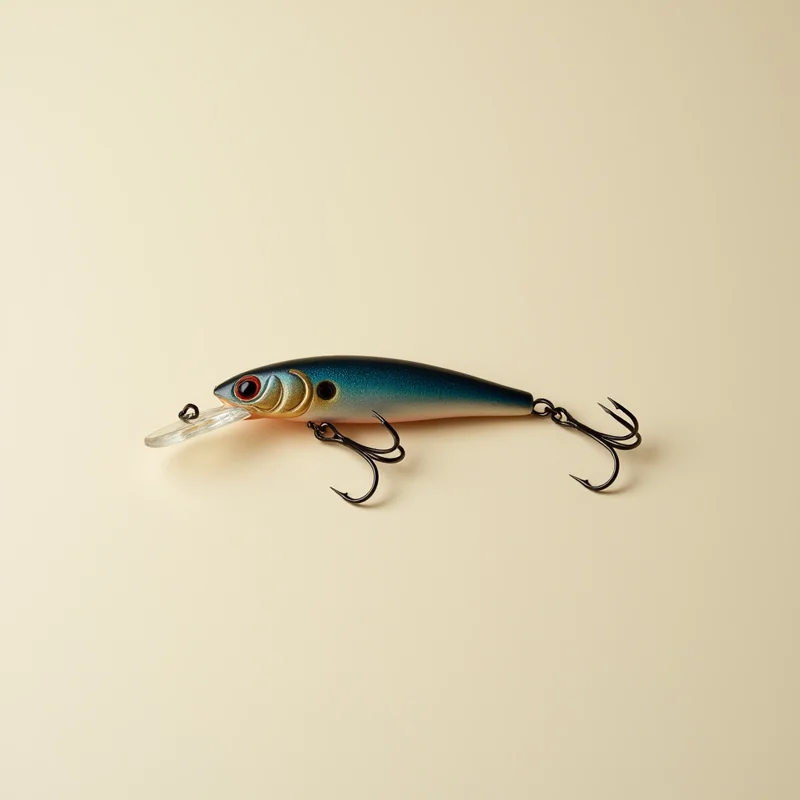
A thin, high-action trolling spoon with genuinely long-lasting glow — the standard early-morning king spoon on Michigan and Ontario.
The pier spoon. A heavy, wobbling casting spoon that has caught fall salmon and spring steelhead off Great Lakes breakwalls for sixty years.
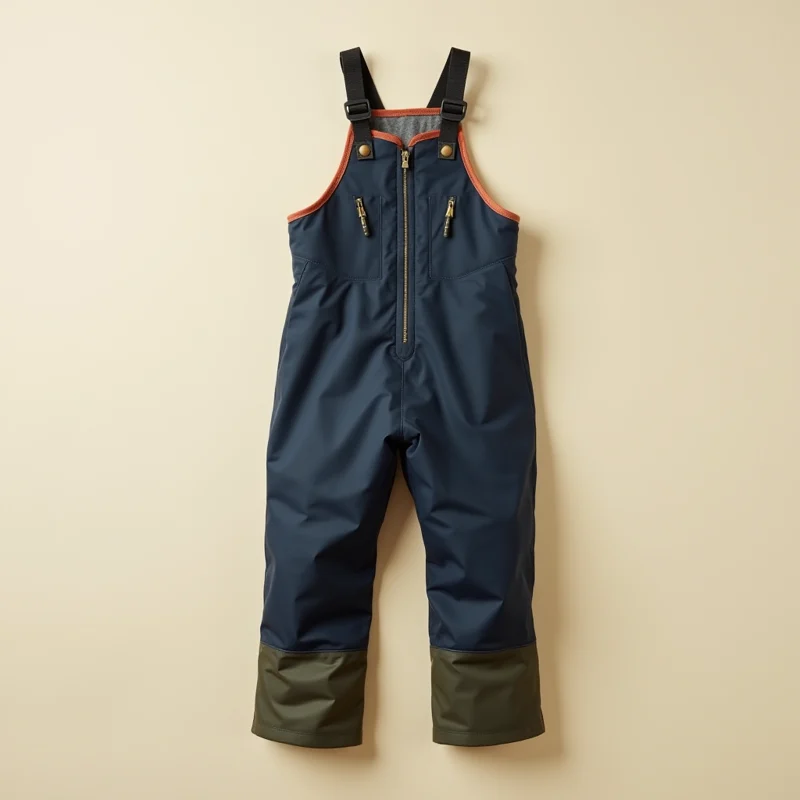
Commercial-grade PVC bibs that keep spray, rain, and fish slime off you through a full day of trolling, and that shrug off the things that destroy consumer rain gear.
The other standard in-line board — slightly larger, pulls heavier loads, and handles copper and lead core better than most.
Read next
Two invasive species wrecked the Great Lakes food web, and a Michigan biologist answered with Pacific salmon. The history behind every charter boat here.
Three ways to get a bait deep on the Great Lakes, what each costs in money and deck space, and an honest order to buy them in.
How Great Lakes steelhead and salmon runs work, what water conditions turn them on, and the river etiquette that keeps a crowded hole fishable.
Speed at the ball vs. speed over ground, dive curves, and line counters: the math that puts a trolling bait at a known depth instead of a hopeful one.
How Great Lakes water stratifies, why the thermocline sets your trolling depth, and how to find the temperature break with the gear already on your boat.
Seasons, size limits, and daily bags for coho salmon are set by each state and change year to year. Read the current rulebook for the water you are fishing before you keep a fish — every state agency is linked here.