Mexico Bay and Port Ontario
The shallow eastern shelf off the Salmon River mouth is where Lake Ontario coho gather before their run. From mid-August, fish 40 to 100 feet of water within two miles of the river.
Coho Salmon · Lake Ontario
Coho are the second salmon on Lake Ontario, not the first, and most anglers catch them incidentally on a chinook program. The exception is late summer in the eastern basin, where maturing coho gather off the Salmon River and Oswego River mouths in numbers worth targeting on purpose.
Prime time
Late July through September, concentrated in the eastern basin
Depths
25–80 ft down over 60–300 ft of water
Typical size
3–8 lb
Lake max depth
802 ft
Where
The shallow eastern shelf off the Salmon River mouth is where Lake Ontario coho gather before their run. From mid-August, fish 40 to 100 feet of water within two miles of the river.
Coho stage here alongside kings in late August and September. The trench outside the harbor holds cold water and bait, and the fish ride the top of it.
The stretch between Sandy Creek and Selkirk fishes shallow and holds coho tight to the temperature break in August. Good water for a smaller boat.
The western ports produce coho earlier in the season, in June and July, mixed into the king and steelhead spread on the 150 to 300 foot line.
Spring coho hold on the bar where the Niagara River outflow meets the lake. Shallow, current-driven and reachable from a modest boat.
How
Run a six- to eight-inch dodger with a 12- to 16-inch leader to a green or orange fly at 1.9 to 2.2 mph, set 25 to 50 feet down. Coho hold above the kings, so put your shallowest rigger and your shortest coppers on the coho program and leave the deep gear for chinook.
Two to three inch spoons in orange, green-glow and silver, run 80 to 150 feet behind a board, cover water fast and pull coho out of a school. This is the highest-percentage rig on Mexico Bay staging fish in August.
One hundred fifty to 200 feet of 45-pound copper runs about 30 to 40 feet down at 2.2 mph. That is the coho band in late summer. Five colors of lead core off a board covers roughly the same water at a lower cost.
Staging coho in September go off the feed and get territorial. Drop to 1.8 mph and put a bright dodger and fly in 20 to 50 feet of water within a half mile of the Salmon River or Oswego River plume at first light.
Lake Ontario is a chinook fishery first and everything else second. New York’s stocking program, the charter fleet out of Oswego and Olcott, and the September madness on the Salmon River at Pulaski all revolve around kings. Coho live in the margins of that — a smaller stocked component, some natural reproduction, and a fish that most anglers meet by accident.
That does not make them incidental to a good trip. Coho on Lake Ontario average 4 to 8 pounds, they come to the boat harder than a king of the same weight, and they eat better. And in the eastern basin in August they are catchable on purpose.
The single most useful adjustment is vertical. Ontario chinook in August are 90 to 120 feet down. Coho are usually in the top half of the thermocline, 25 to 60 feet, in slightly warmer water — 52 to 58 degrees rather than 46 to 50. If your whole spread is deep, you will catch kings and wonder where the coho went.
Dedicate two rods to shallow water. A short copper or five colors of lead core off a board, plus a rigger at 30 feet with a dodger and fly, is enough to answer the question by mid-morning.
The eastern basin shelf off Mexico Bay is shallow by Lake Ontario standards and warms considerably by August, which pushes fish onto its outer edge. Maturing coho gather there ahead of the Salmon River run. The fishing is close to shore, the water is 40 to 100 feet deep, and a 19-foot boat is entirely adequate.
Run the color spread that has worked on this lake for decades: green-glow, orange and chartreuse dodgers with small flies. Ontario water in the eastern basin carries more color than the western end, and bright finishes earn their place.
Coho enter the Salmon River, the Oswego River and the smaller eastern tributaries after September rain, generally alongside or slightly behind the kings. They are smaller targets in heavy water and they take a swung fly and a drifted egg sac more readily than a mature chinook will. Pulaski gets crowded to a degree that has to be seen; if you want the run without the crowd, fish the lake off Port Ontario the last week of August instead.
The Lake Michigan coho fishery is a spring phenomenon in the southern basin, where warm shallow water and huge stocked numbers create a schooling fishery in April within sight of Chicago. Ontario has no equivalent — the western end does produce spring coho on the Niagara Bar, but nothing at that density. Ontario’s coho window is late summer and it is an eastern-basin story, tied to the Salmon River rather than to a spring warm-up.
Ontario runs east-west with a long fetch, and a westerly stacks up steep water on the shallow eastern shelf. A comfortable ride out of Oswego at 6 a.m. can be a punishing ride home at noon. Watch the wind forecast rather than the current conditions, keep a handheld VHF aboard, and note that the deep water you were fishing is in the 40s regardless of what the surface reads.
Where to put in
Dark marks are launches named in this guide. Generalized shoreline, not for navigation.
Kit
The value flasher — a smaller, lighter rotator that pulls less than an 11-inch chip and still drives a fly hard.
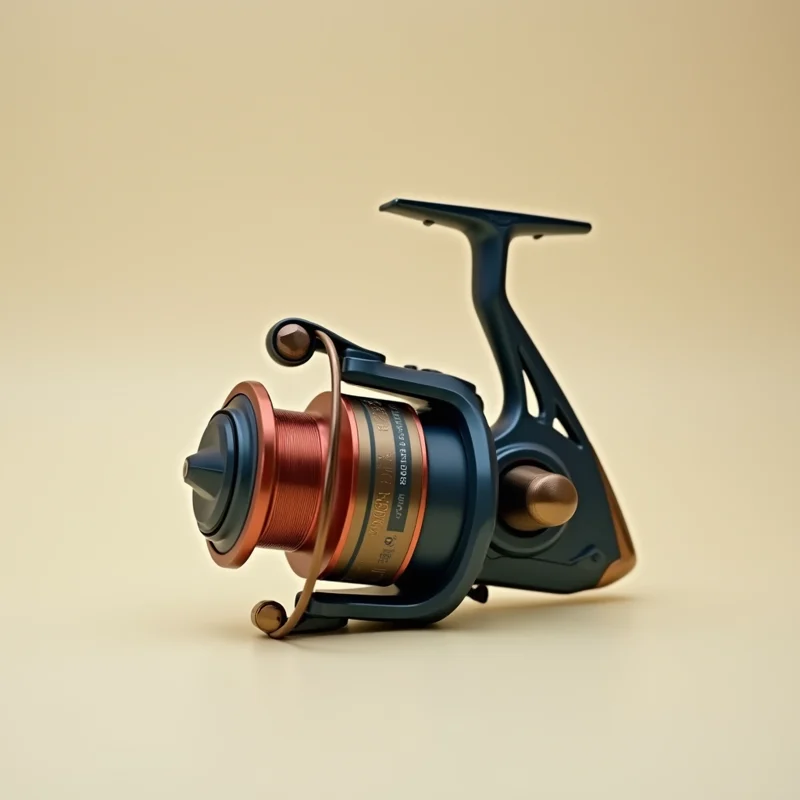
The reel the charter fleet actually runs, with a drag that stays smooth through a 20-pound king's third run.
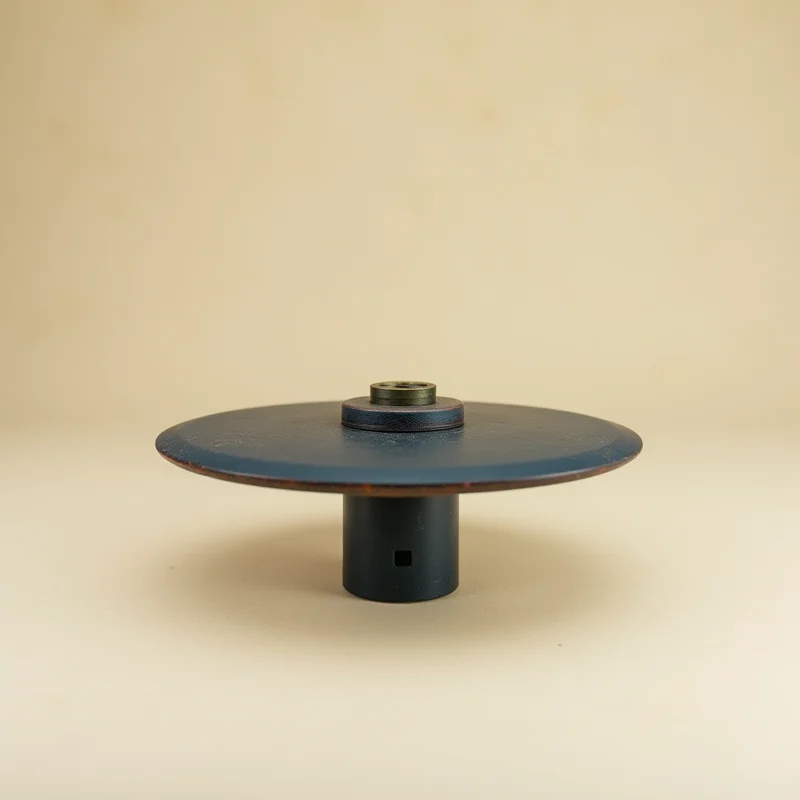
The in-line board that walleye trolling on Erie is essentially built around — it tracks hard, releases clean, and shows a bite.
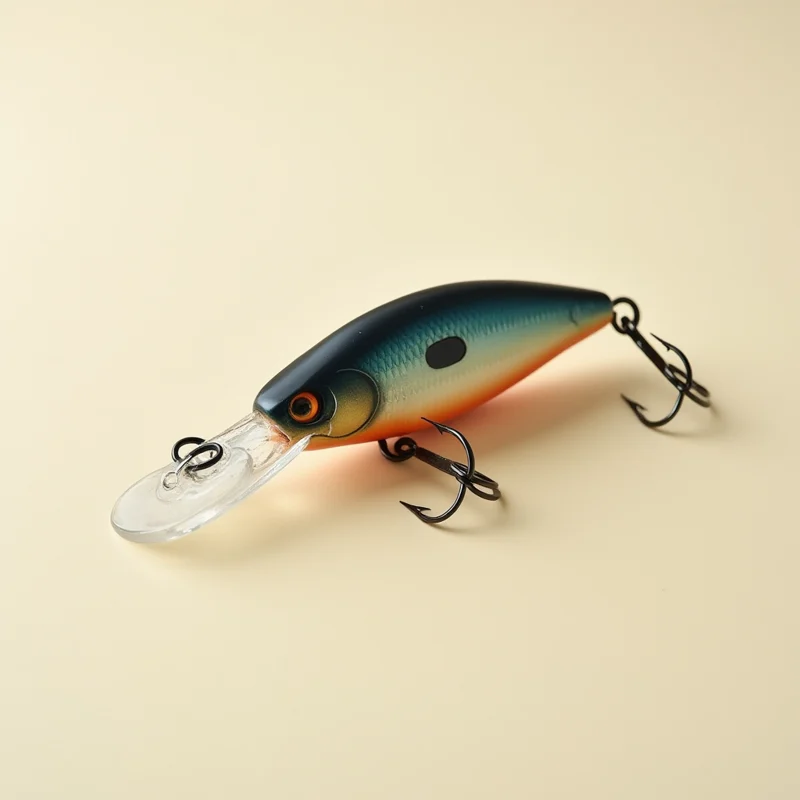
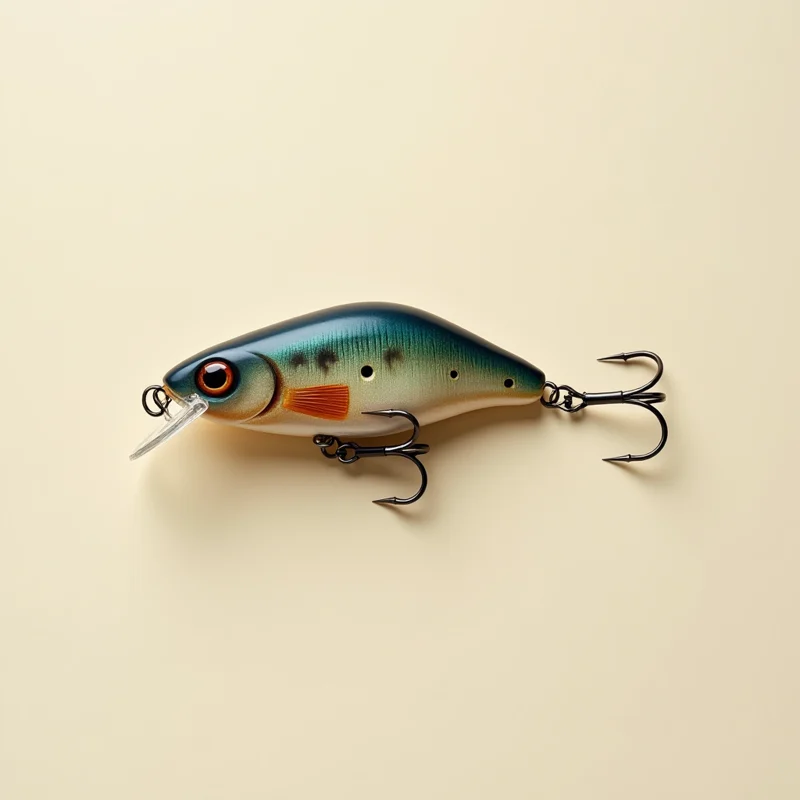
A narrow, fast-fluttering spoon built for higher trolling speeds — the steelhead and coho answer when kings are not the target.
Braided-jacket lead core that sinks faster and takes up less spool than the old nylon-jacketed stuff.
Questions
Same fish, other water
Size limits, bag limits, and open seasons for coho salmon on Lake Ontario are set by NYSDEC and change from year to year. Check the current rulebook before you keep a fish.
Sources
Last updated 2026-09-01