The Salmon River at Pulaski
A managed tailwater with dependable winter flow and the largest steelhead run on the American side of the lake. The upper fly-fishing-only water and the lower river fish very differently.
Steelhead · Lake Ontario
Lake Ontario steelhead run bigger than most of the chain and they have somewhere to go: the Salmon River at Pulaski is a genuine tailwater with scheduled flows and fish in it from October through April. The lake fishery is real too, in the top 30 feet from June through August.
Prime time
October through April in the tributaries, peaking December and again in late March; June through August offshore
Depths
3–12 ft in the rivers; 5–35 ft down over deep water offshore
Typical size
5–10 lb
Lake max depth
802 ft
Where
A managed tailwater with dependable winter flow and the largest steelhead run on the American side of the lake. The upper fly-fishing-only water and the lower river fish very differently.
Big, deep, fast green water below the falls. Drift boats fish it all winter and the steelhead here run heavy. Not wadeable in most places.
An urban tailwater below the lower falls with fall and spring runs and easy access. Fishes best on a moderate flow.
A small western tributary with a heavy stocked run and a short, accessible section below the dam.
Smaller water east of Rochester with less pressure than the Salmon River and a good March run.
Summer steelhead ride the top 30 feet over deep water, often along a scum line. Run fast, run bright, and stay high in the column.
How
Drift a bead, egg sac or small jig 12 to 24 inches off bottom under a slip float, matched to current. Flows here are scheduled — a low 185 cfs release fishes small and technical, a high 750 cfs release moves fish and demands heavier shot and a bigger float. Check the flow before you drive.
A 7-weight switch rod with a sink tip and a small leech or intruder pattern covers the Salmon River's long runs efficiently. Winter fish hold in slow water 4 to 8 feet deep — swing slow, and let the fly hang at the end of the drift.
After spawning in March and April, spent steelhead drop back toward the lake and feed hard. They hold in the softer water at the edges of runs and take streamers, spinners and egg patterns aggressively. This is the most forgiving steelhead fishing of the year.
In July, run out over 200-plus feet and find the debris line. Steelhead sit in the top 15 feet in 58 to 62 degree water. Pull orange, pink and copper spoons 150 to 250 feet behind boards at 2.6 to 3.0 mph — noticeably faster than a salmon program.
Most Great Lakes steelhead rivers are at the mercy of weather. The Salmon River at Pulaski is not. It runs on scheduled releases from the Salmon River Reservoir, which means it holds cold, steady, fishable flow through a January that would lock up every creek on Steelhead Alley. That single fact is why Pulaski is the biggest tributary fishing destination in the Great Lakes.
Flow matters more than weather here. A low release fishes small, clear and technical — light leader, small beads, careful drifts. A high release pushes fish upriver, colors the water, and calls for heavier shot and a bigger float. Look up the current release before you commit to a four-hour drive.
The upper river includes fly-fishing-only water with catch-and-release sections and its own set of rules. The lower river, from the town of Pulaski down toward Port Ontario, is bigger, slower and more forgiving, and it holds fish that have just entered. The middle water between them is where most float anglers work.
The specific regulations for each section change and have historically included gear restrictions and seasonal closures. Read the current NYSDEC guide before you rig a rod, not after.
Below the falls, the Niagara runs deep, fast and an improbable shade of green, and it holds steelhead all winter alongside lake trout and smallmouth. It is almost entirely a boat fishery — drift boats and jet sleds working the gorge — and the fish average heavy. Shore access at Devil’s Hole and Artpark exists and is worth a day, but the river’s productive water is out in the current.
This is also the most weather-independent steelhead water on the lake. The Niagara does not blow out.
After spawning, steelhead in the Salmon River and the western tributaries turn downstream and feed hard on the way back to the lake. They stack in the soft water on the inside of runs and take streamers and spinners with none of the caution they showed in January. April drop-back fishing is the easiest steelhead fishing of the year, the weather is human, and the November crowds are long gone.
Lake Ontario steelhead spend summer near the surface in open water, and the same scum-line program that works on Lake Michigan works here. Get out over 200 feet or more, look for floating debris, and put bright spoons in the top 15 feet behind long-lead planer boards at 2.6 to 3.0 mph. Most Ontario boats are busy with kings 100 feet down and never see these fish.
Erie’s Steelhead Alley offers more fish in smaller creeks with easier wading and worse crowds. Lake Michigan offers more rivers and a longer season spread across more water. Ontario offers the biggest average fish and the single most reliable winter river on the chain — at the cost of fishing shoulder to shoulder in November.
December on the Salmon River is genuinely cold and the water is around 34 degrees. Felt soles ice up on the walk in, banks are slick, and hypothermia is the real hazard rather than drowning. Wear a wading belt, layer with wool rather than cotton, carry a spare set of clothes in the truck, and get out of the water before your hands stop working.
Where to put in
Dark marks are launches named in this guide. Generalized shoreline, not for navigation.
Kit
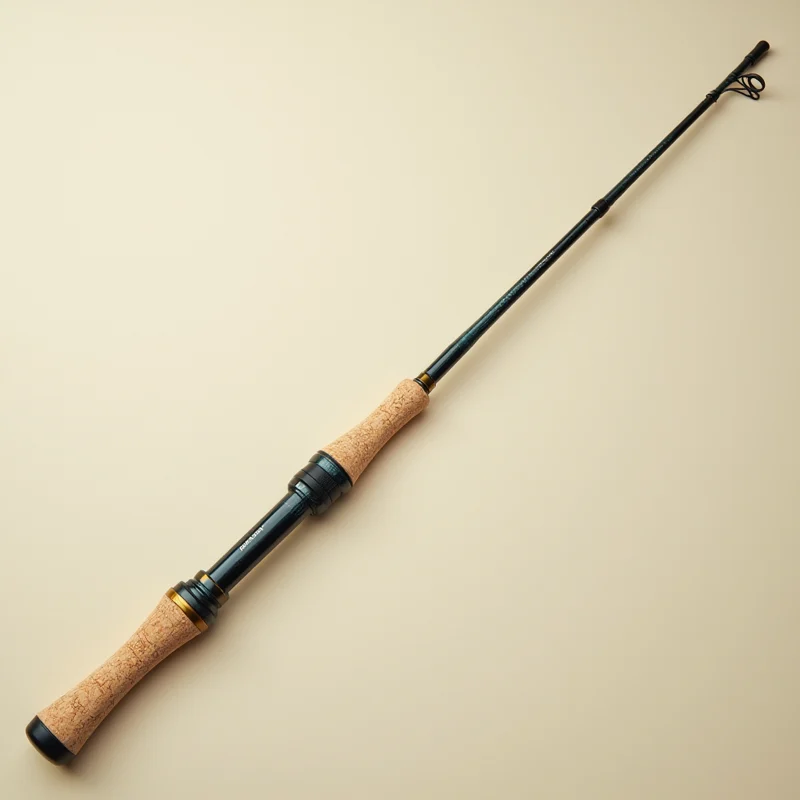
Thirteen feet of soft graphite built to mend line across a tributary current and protect 6-lb fluoro from a hot steelhead.
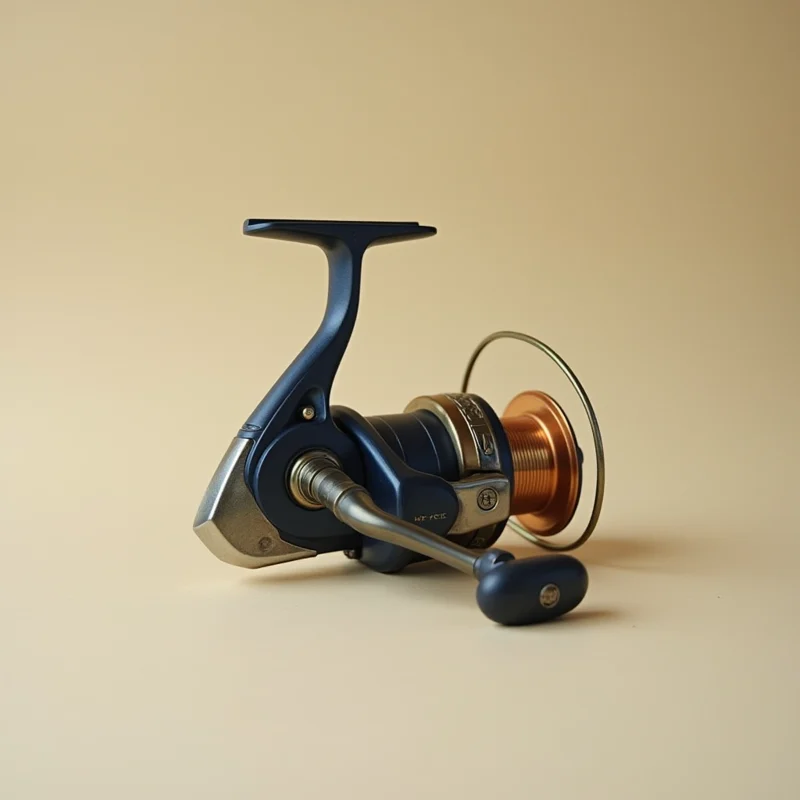
An affordable entry into centerpin float fishing — a free-spinning drum that lets a float drift at true current speed.
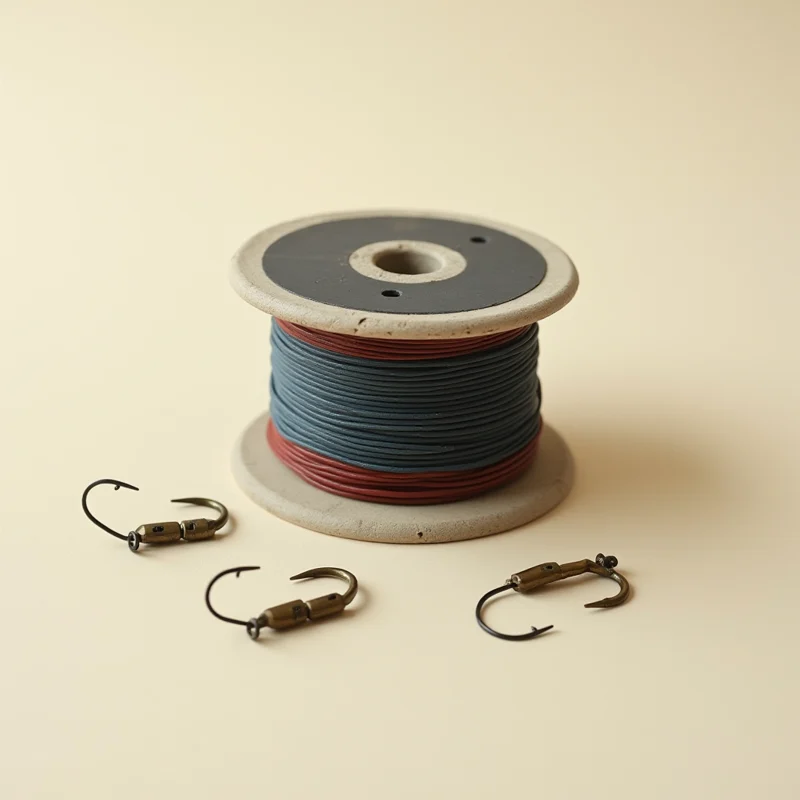
Everything you need to build a float program for tributary steelhead, assembled by the company that made float fishing normal in the Great Lakes.
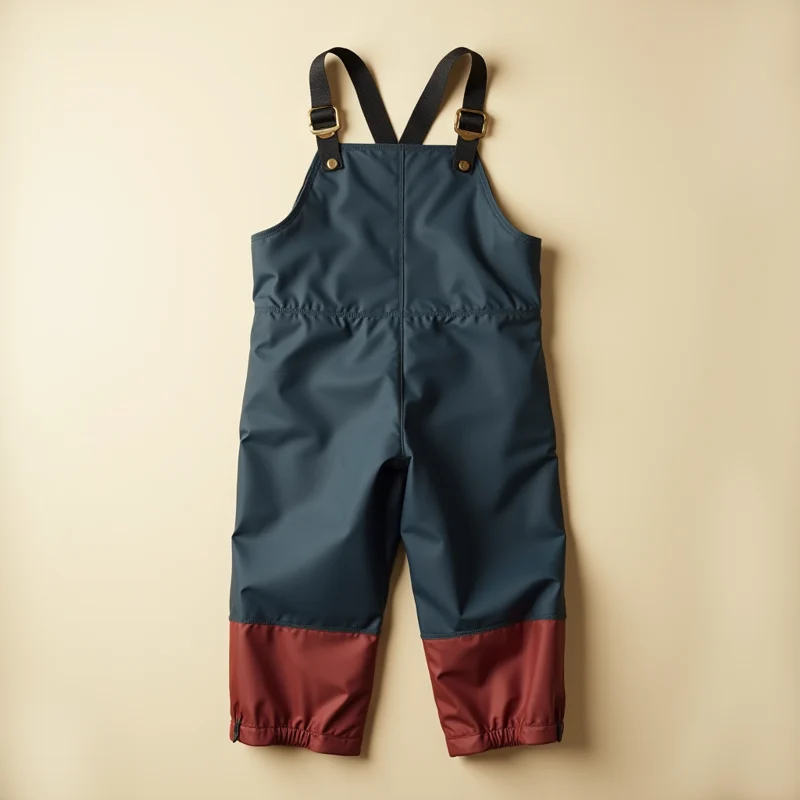
Breathable four-layer waders that survive a tributary steelhead season, from the company whose warranty and repair program is the actual reason to pay up.
The other standard in-line board — slightly larger, pulls heavier loads, and handles copper and lead core better than most.
Questions
Same fish, other water
Size limits, bag limits, and open seasons for steelhead on Lake Ontario are set by NYSDEC and change from year to year. Check the current rulebook before you keep a fish.
Sources
Last updated 2026-09-01