The Bois Brule River, Wisconsin
The most storied trout river on the south shore, with both a spring steelhead run and a fall run. Long public frontage through the Brule River State Forest.
Steelhead · Lake Superior
Superior steelhead are mostly wild, mostly small, and fished in some of the most beautiful water in North America. The Minnesota North Shore rivers and Wisconsin's Bois Brule carry a short, intense spring run, and the Michigan streams east of Marquette add a fall fishery worth planning a weekend around.
Prime time
April and May on the North Shore; September through November on the Michigan and Wisconsin streams
Depths
2–6 ft in the streams; 5–20 ft off the mouths
Typical size
5–10 lb
Lake max depth
1,332 ft
Where
The most storied trout river on the south shore, with both a spring steelhead run and a fall run. Long public frontage through the Brule River State Forest.
The North Shore's best-known steelhead stream and the focus of Minnesota's wild-steelhead management. A short, steep river that comes up and drops fast.
Small North Shore streams within a half hour of Duluth. Spring fish, easy access, and short productive stretches below the highway.
Remote Upper Peninsula water in the Lake Superior State Forest with a fall run and almost no crowd. Tannin-stained and beautiful.
Central Upper Peninsula streams with both spring and fall fish, and lake access at the mouths for casting spoons.
In April and again in fall, steelhead cruise the harbor entries within casting range. Throw a spoon or drift a spawn sac from the piers.
How
North Shore rivers rise hard with snowmelt in April. Drift a spawn sac or single bead 12 to 20 inches off bottom under a float, in the seams and pockets behind boulders. Eight-pound mainline and a 6-pound fluorocarbon leader. Water at 38 to 45 degrees moves fish; below 36 they will not be in the river yet.
These are short, boulder-strewn, high-gradient rivers with pocket water rather than long runs. A 6- or 7-weight with a sink tip and a small leech or egg-sucking pattern, swung through pockets and tailouts, is efficient and fits the water.
Before the fish commit to the river, and again after a fall rain, steelhead hold off the mouths in 5 to 20 feet. Cast a half-ounce spoon in silver or orange from the beach or the piers at first light and swing it across the current seam.
The North Shore run is driven entirely by snowmelt and water temperature. Fish move on the falling limb after a warm spell, generally mid-April to mid-May depending on the year. A week early is a wasted trip and a week late is over.
Superior is 31,700 square miles of cold, clear, nutrient-poor water. It does not grow fish fast. A steelhead that would reach ten pounds in Lake Ontario reaches five here, and it takes longer to do it. In exchange, these are largely wild fish in wild rivers, and the setting is basalt cliff, waterfall and boreal forest rather than a parking lot in Pulaski.
Minnesota manages North Shore steelhead with genuine care, distinguishing wild fish from stocked Kamloops-strain rainbows and applying different rules to each. That distinction is the single most important thing to understand before you fish Minnesota water, and it changes — read the current regulations rather than relying on what somebody told you at the launch.
North Shore rivers are steep, short and entirely snowmelt-driven. They spend most of the year too small and too warm or too frozen to hold steelhead. Then in April the snowpack lets go, the rivers roar, water temperature climbs through the high 30s into the 40s, and fish push in from the lake.
The window is two or three weeks. Timing it means watching stream gauges and weather, not a calendar. Fish move on the falling limb after a warm spell. If the river is chocolate and over the banks, wait a day. If it is low and clear and the water is 34 degrees, you are early.
The Knife River is the reference point. The French, Sucker, Lester, Baptism and Split Rock all run on the same schedule.
Wisconsin’s Bois Brule is a spring-fed river with far more stable flow than the Minnesota streams, which gives it both a spring steelhead run and a fall run, and a resident trout fishery besides. It has long public frontage through the Brule River State Forest, and it fishes like a proper river rather than a flooded creek. If you want one Superior steelhead trip with the best odds of finding fishable water, this is it.
East of Marquette, the Upper Peninsula streams — the Chocolay, the Anna, the Two Hearted — carry fall runs from September into November. This water is tannin-stained, remote and lightly fished. The Two Hearted in particular runs through country where you can spend a day and see nobody.
Fall fish take a swung streamer better than spring fish do, and the weather is more cooperative than an April blizzard on the North Shore.
These are high-gradient boulder rivers, not tailwaters. Instead of long even runs, you get pockets: a slot behind a rock, a seam at the head of a plunge pool, four feet of soft water against a ledge. Fish them individually and thoroughly. A float rig works, but a short-line drift or a swung streamer often fits the water better because there simply is not enough room for a long presentation.
North Shore rivers in April are snowmelt — 36 to 42 degrees — running fast over slick basalt through steep gorges. A fall here is serious and help is far away. Wear a wading belt, use a staff, fish with a partner, and stay out of water above your knees in heavy flow. On the lake side, Superior itself is an immersion risk in every month; a spoon cast from the Duluth piers is not worth going in the water for.
Where to put in
Dark marks are launches named in this guide. Generalized shoreline, not for navigation.
Kit
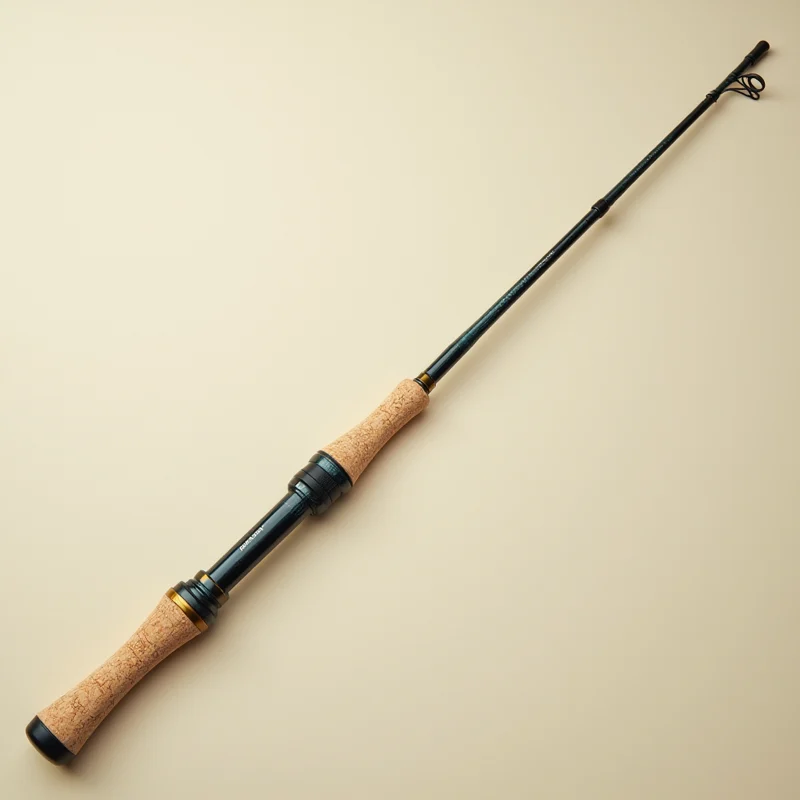
Thirteen feet of soft graphite built to mend line across a tributary current and protect 6-lb fluoro from a hot steelhead.
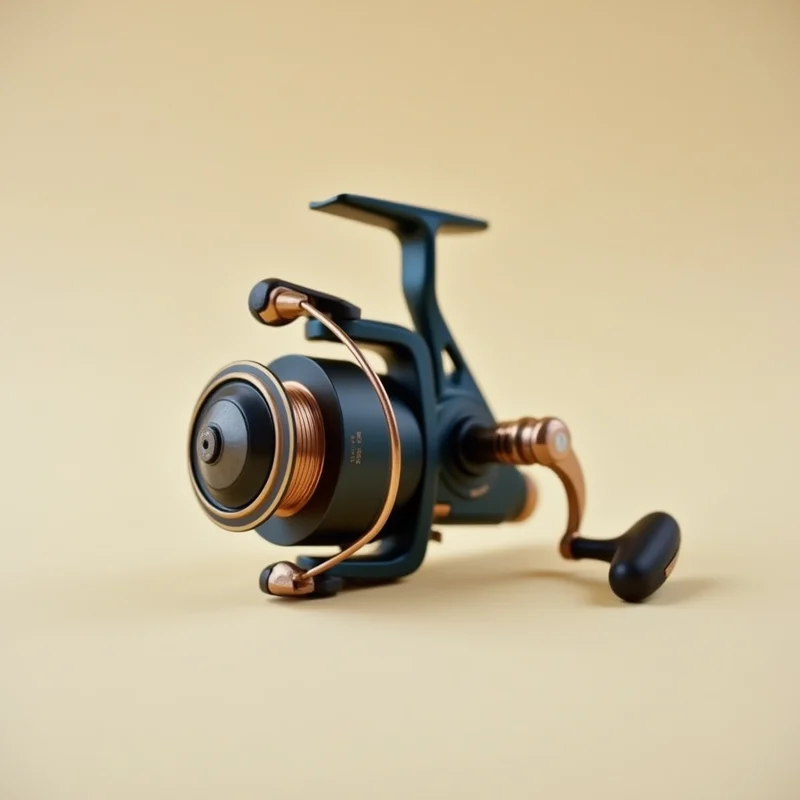
The best spinning reel under $80 by a wide margin, and the correct first real reel for a Great Lakes angler.
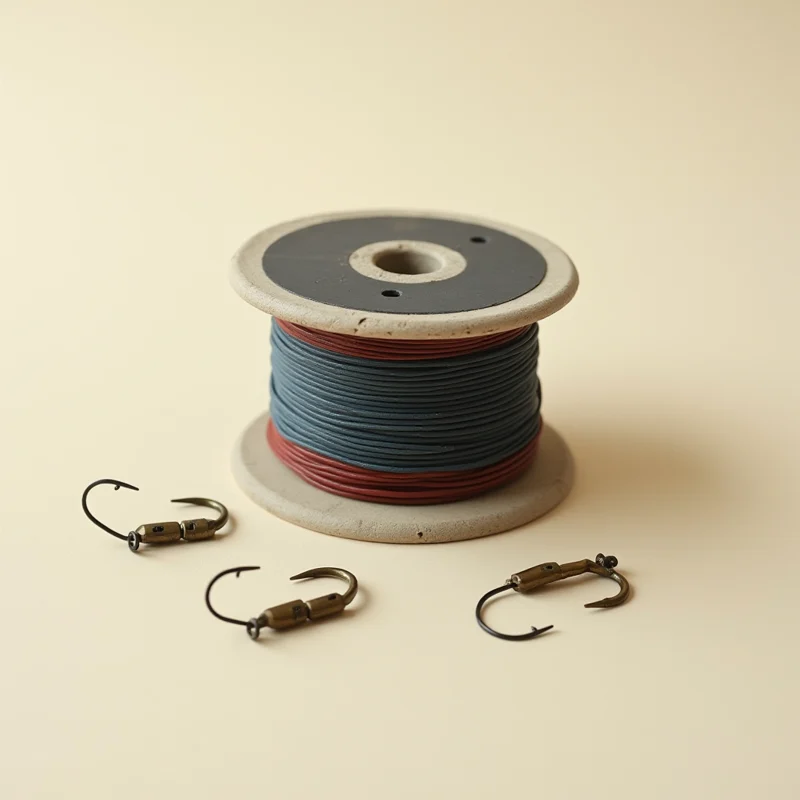
Everything you need to build a float program for tributary steelhead, assembled by the company that made float fishing normal in the Great Lakes.
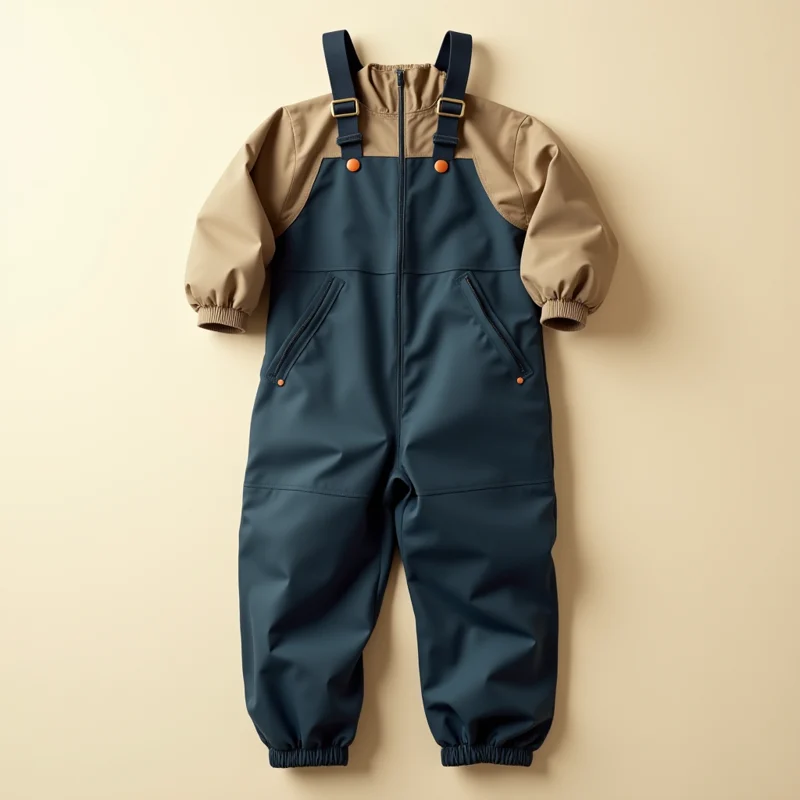
Breathable waders at a third the price of premium, which is the right first pair for someone who has not yet decided how many steelhead trips a year they want.
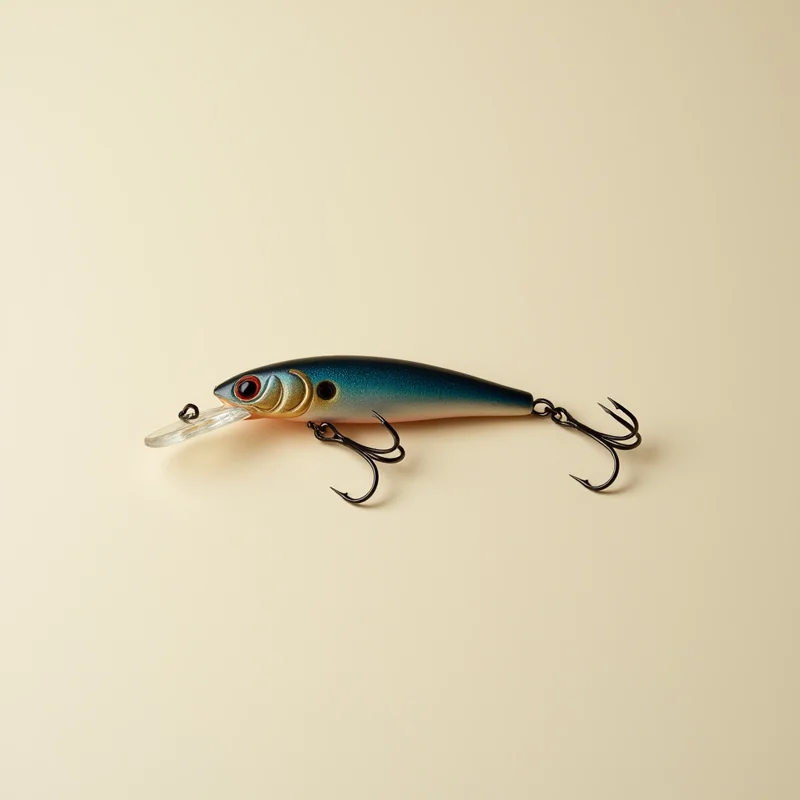
The pier spoon. A heavy, wobbling casting spoon that has caught fall salmon and spring steelhead off Great Lakes breakwalls for sixty years.
Questions
Same fish, other water
Size limits, bag limits, and open seasons for steelhead on Lake Superior are set by Michigan DNR, Wisconsin DNR and Minnesota DNR and change from year to year. Check the current rulebook before you keep a fish.
Sources
Last updated 2026-09-01