The Big Manistee River
A tailwater below Tippy Dam with steelhead in it from October through May. Cold, consistent flow and the most dependable winter steelhead water in Michigan.
Steelhead · Lake Michigan
Lake Michigan is the best all-around steelhead lake in the country because it gives you two completely different fisheries: an offshore summer bite in the top 40 feet of open water, and a nine-month tributary season on rivers like the Big Manistee and the Muskegon. Neither one requires you to compete for the same water.
Prime time
June through August offshore; October through April in the tributaries, peaking in March
Depths
5–40 ft down over 80–400 ft of water offshore; 3–10 ft in the rivers
Typical size
5–10 lb
Lake max depth
925 ft
Where
A tailwater below Tippy Dam with steelhead in it from October through May. Cold, consistent flow and the most dependable winter steelhead water in Michigan.
Below Croton Dam. A wide, wadeable, drift-boat river with a long spring run and enough water that pressure spreads out.
A flies-only stretch, wild fish, and one of the prettiest rivers on the chain. Fall and spring runs, and a genuinely technical fishery.
Summer steelhead ride the surface scum line miles offshore over 200 to 400 feet of water. Fish the top 20 feet and look for floating debris.
Southern Michigan's steelhead river, with a fish ladder at Berrien Springs and a run that starts earlier in fall than the northern rivers.
Racine's Root River and the Milwaukee-area streams carry good fall and spring runs and put steelhead within a short drive of a million people.
How
In June and July, run 6 to 12 miles out over 200 to 400 feet and look for a floating debris line. Steelhead sit in the top 15 feet under it in 58 to 62 degree water. Pull orange, pink and copper spoons 150 to 250 feet behind planer boards at 2.5 to 3.0 mph — faster than you would ever troll for kings.
The tributary standard. Suspend a spawn sac, single bead or jig 6 to 18 inches off the bottom under a slip float and drift it at current speed through holes and tailouts. Ten-pound mainline, 6 to 8 pound fluorocarbon leader. Cover water — a run gets one or two good drifts before you move.
On a summer offshore program, a Dipsy on a 1 setting only 60 to 120 feet back keeps a small spoon in the top 20 feet outside the boat wash. Combine with boards to spread wide; steelhead spook off the hull more than kings do.
On the Pere Marquette and Muskegon, swing a weighted streamer through the tailout on a sink tip, or dead-drift an egg pattern and a nymph under an indicator. Fall fish take a swung fly better than spring fish do.
A steelhead is a rainbow trout that lives in the lake and runs the rivers to spawn. On Lake Michigan that produces two separate sports that share nothing but the species.
The offshore fishery happens in June, July and August, well out in open water, and it is unlike anything else in Great Lakes trolling. Steelhead do not hold on the bottom or ride a thermocline. They swim in the top 15 feet, in 58 to 62 degree surface water, often over 300 feet of water, hunting insects and small bait along floating debris lines. You find them by looking for the scum line and running fast.
The tributary fishery runs from October to May and is a wading, drifting and float-fishing game on rivers like the Big Manistee, the Muskegon and the Pere Marquette. It is technical, weather-driven and crowded in the good weeks.
Get out to 200 feet or better, then get farther. Look for a visible line of foam, sticks and dead insects — the interface where two surface currents converge. It can be a mile long and twenty feet wide. Steelhead will be under it.
Everything about the presentation runs counter to salmon habits. Speed up: 2.5 to 3.0 mph, sometimes faster. Go shallow: boards with 150 to 250 foot leads and divers on a 1 setting, all in the top 20 feet. Go bright: orange, pink, copper and chartreuse. And spread wide, because steelhead in flat clear water will slide away from the hull.
The Big Manistee below Tippy Dam is the workhorse — a tailwater with cold, stable flow that holds steelhead from October straight through May. The Muskegon below Croton is wider and better suited to a drift boat, with a spring run that peaks in March and April. The Pere Marquette is smaller, wild-fish water, and its flies-only stretch is one of the classic pieces of trout water in the Midwest. The St. Joseph in the south starts earlier in fall.
Wisconsin’s Root River at Racine and the Milwaukee-area streams carry solid runs and are easy to reach from a city.
Float fishing is the highest-percentage approach for most anglers. Set a spawn sac, a single bead or a small jig 6 to 18 inches off the bottom under a slip float, and drift it through a run at exactly the speed of the current — not faster, not slower, no drag. A steelhead sitting behind a rock will take a bait that moves naturally and ignore one that skates.
Cover water. A run that has been drifted three times without a strike is a run that is done. The anglers who catch the most steelhead are the ones who walk the most river.
Water temperature governs everything. At 34 to 38 degrees the fish are lethargic and stacked in the deepest slow water; you need the drift slow and the bait close. At 42 to 50 degrees in March they spread into faster runs and take aggressively.
Erie’s Steelhead Alley is a shorter, more concentrated fall and winter run in small creeks. Ontario’s Salmon River fishery is bigger water and heavier crowds. Superior’s tributaries produce a smaller number of very wild fish. Lake Michigan is the one with both a legitimate offshore fishery and dozens of rivers, which is why you can fish steelhead here for nine months of the year without repeating yourself.
The offshore steelhead bite happens 8 to 12 miles out. That is a real commitment in any boat under 20 feet, and Lake Michigan builds a short steep chop fast in a northwest wind. On the rivers, the hazard is different: cold water, slick rock and heavy winter flow. Wear a wading belt, carry a staff, and never wade a tailwater without knowing the dam’s release schedule.
Where to put in
Dark marks are launches named in this guide. Generalized shoreline, not for navigation.
Kit
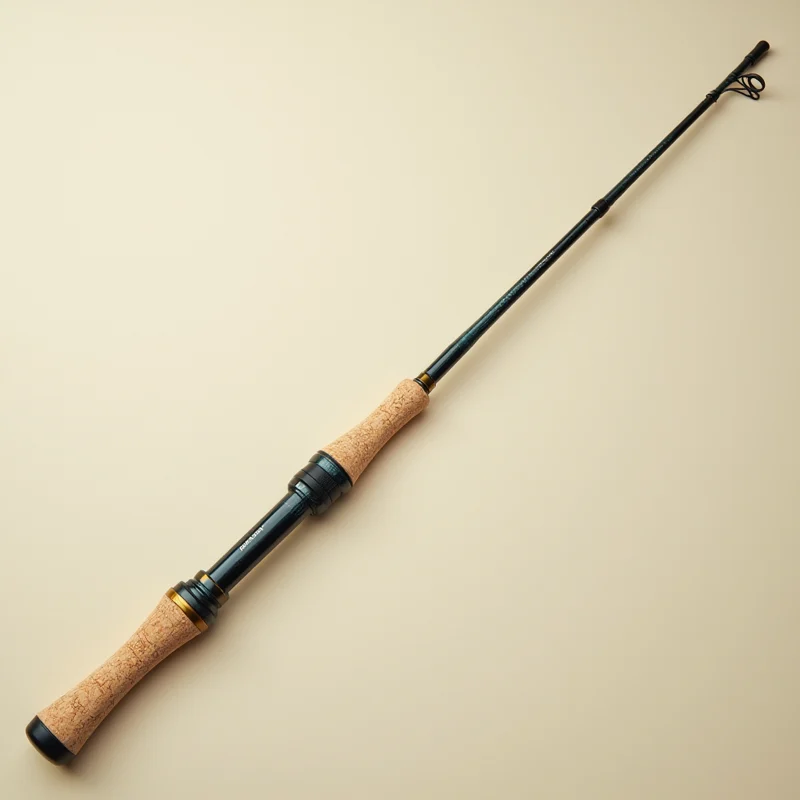
Thirteen feet of soft graphite built to mend line across a tributary current and protect 6-lb fluoro from a hot steelhead.
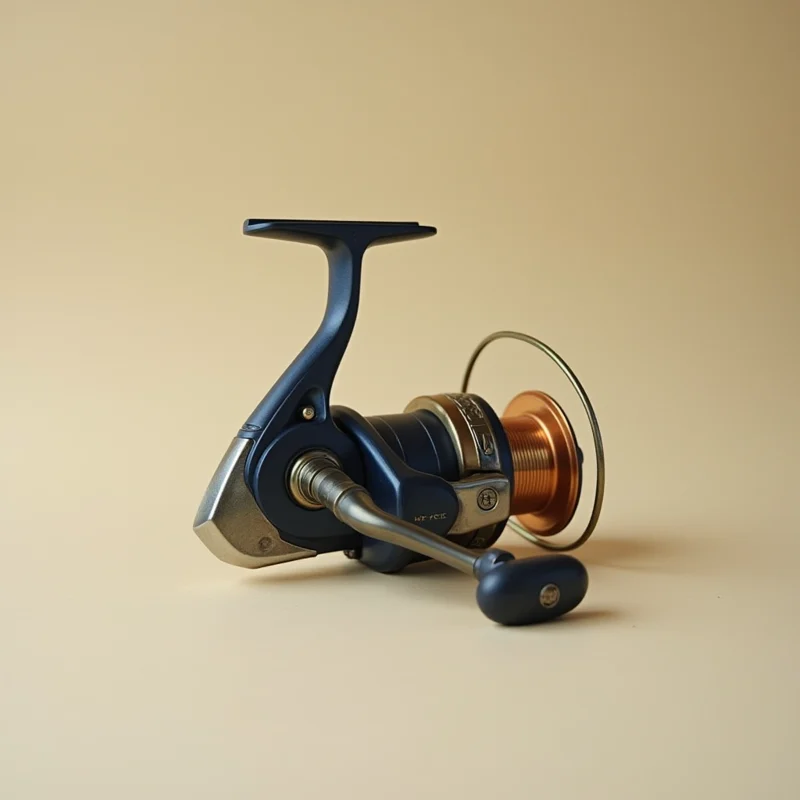
An affordable entry into centerpin float fishing — a free-spinning drum that lets a float drift at true current speed.
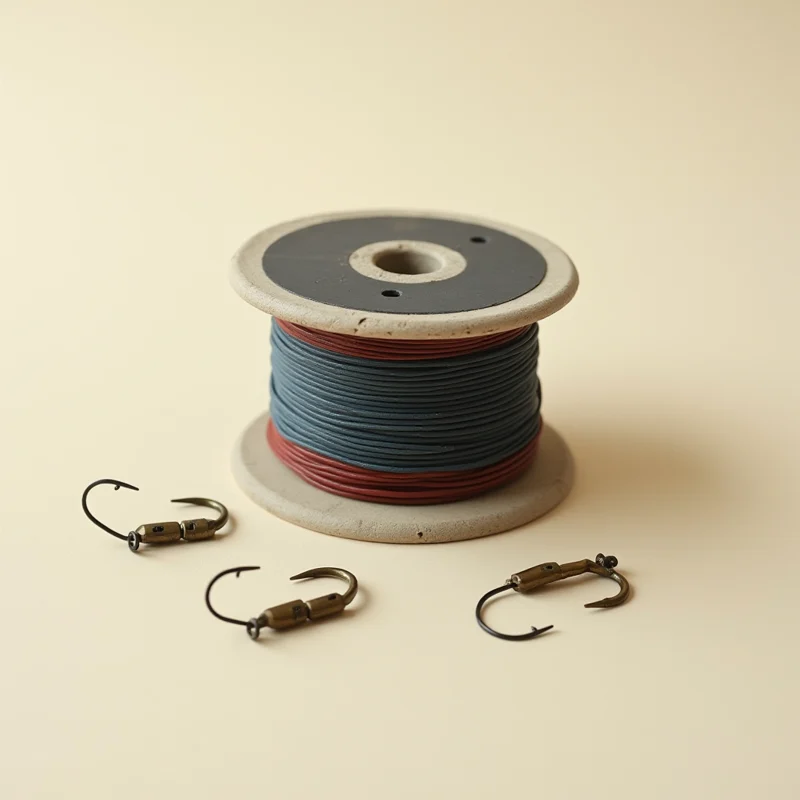
Everything you need to build a float program for tributary steelhead, assembled by the company that made float fishing normal in the Great Lakes.
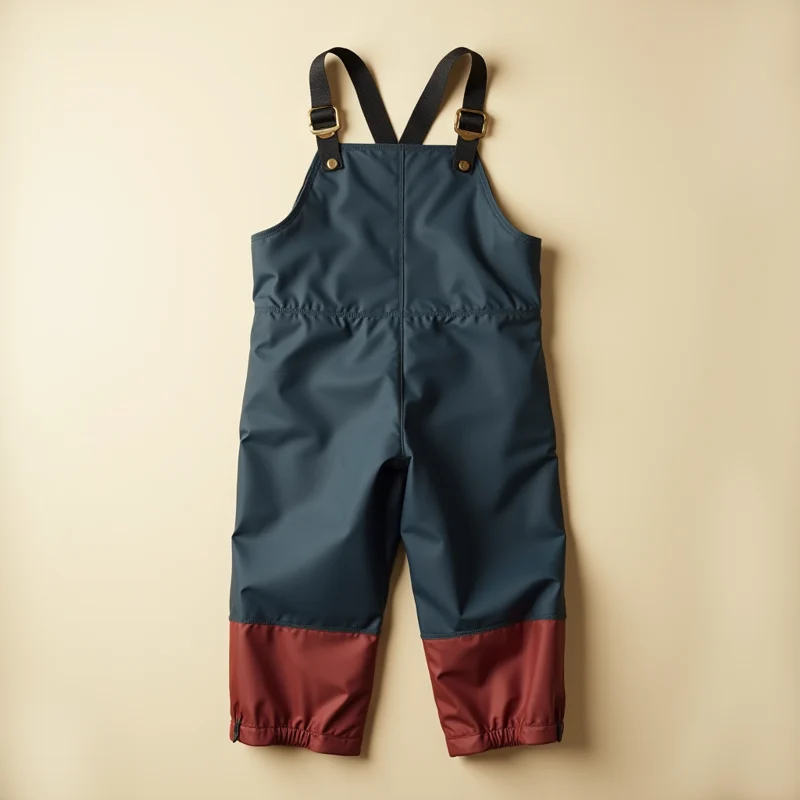
Breathable four-layer waders that survive a tributary steelhead season, from the company whose warranty and repair program is the actual reason to pay up.
The in-line board that walleye trolling on Erie is essentially built around — it tracks hard, releases clean, and shows a bite.
Questions
Same fish, other water
Size limits, bag limits, and open seasons for steelhead on Lake Michigan are set by Michigan DNR, Wisconsin DNR, Illinois DNR and Indiana DNR and change from year to year. Check the current rulebook before you keep a fish.
Sources
Last updated 2026-09-01