Smallmouth Bass
Great Lakes smallmouth are a different animal from the river fish most anglers know: bigger, meaner, and living on open rock and grass where four pounds is an ordinary afternoon.
The Sixth Lake
Not officially a Great Lake and nobody who fishes it cares. Eleven feet deep on average, gin-clear over grass flats, and the densest muskie population on the continent. Smallmouth here run big enough to embarrass a bass boat from anywhere else.
Surface area
430sq mi
Max depth
27ft
Average depth
11 ft
Shoreline
160mi
Volume
1cu mi
Elevation
574 ft asl
What swims here
Great Lakes smallmouth are a different animal from the river fish most anglers know: bigger, meaner, and living on open rock and grass where four pounds is an ordinary afternoon.
The fish of ten thousand casts, except on Lake St. Clair, where the population density is high enough that the number is a lot closer to a few hundred. The best muskie water on the continent.
A living fossil, protected nearly everywhere on the chain, and a genuine conservation success story in the St. Clair system. Catch-and-release only in most waters — check the state rulebook before you even rig a rod.
The people’s fish. Schooling, cooperative, catchable from a pier or a shanty, and the backbone of a Friday fish fry from Sandusky to Sheboygan.
Ambush predator of every weed edge and back bay on the chain. Available to shore anglers, kayakers, and ice fishermen, which makes it the most democratic big fish in the system.
The year on St. Clair
The St. Clair and Detroit rivers on either end carry a huge spring walleye migration, and vertical jigging in the current out of Detroit and Trenton is the marquee event in April. On the lake itself, smallmouth stage on the first hard bottom outside the spawning flats as water passes the mid-50s. Northern pike are in the canals and back bays early. The grass has not come up yet, so fish structure and bottom composition instead of weeds.
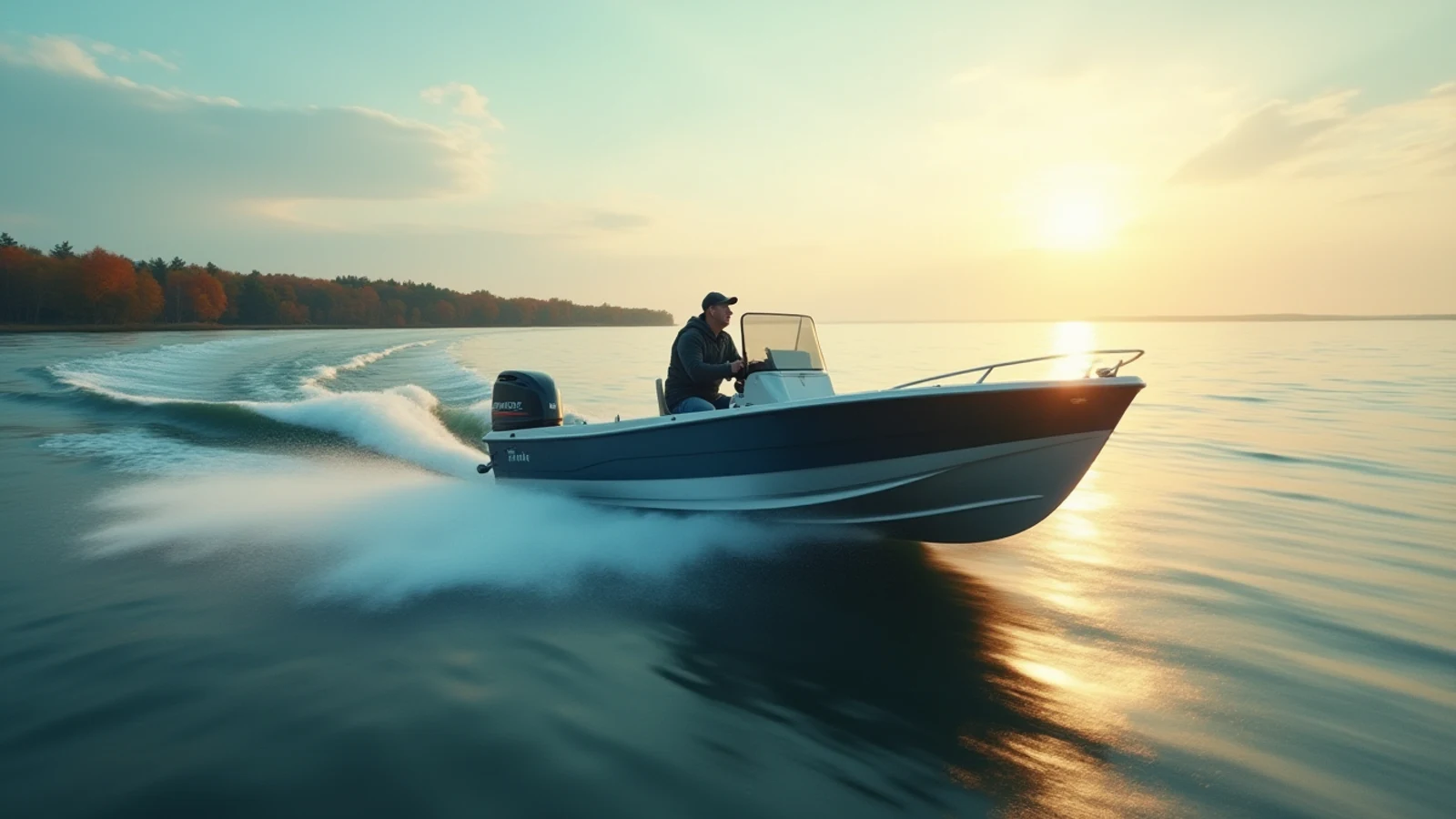
By late June the cabbage and coontail flats are up and the whole lake organizes around them. Smallmouth sit on the sand-grass edges in 8 to 16 feet — drop-shot, Ned rig and tubes, and expect four-pounders as ordinary fish. Muskies use the same flats and the weed edges, and this is casting-and-trolling season for them: big rubber, bucktails, and crankbaits trolled at 3.5 to 5 mph across the flats. Water clarity is high, so long casts and fluorocarbon matter.
October and November are why people drive here. Muskies feed hard on gizzard shad and move predictably, and trolling large crankbaits across the mid-lake flats produces multiple-fish days that would be a career elsewhere. Smallmouth group up tight on deeper rock and eat blade baits and hair jigs. Weather gets serious, boat traffic disappears, and the fishing peaks.
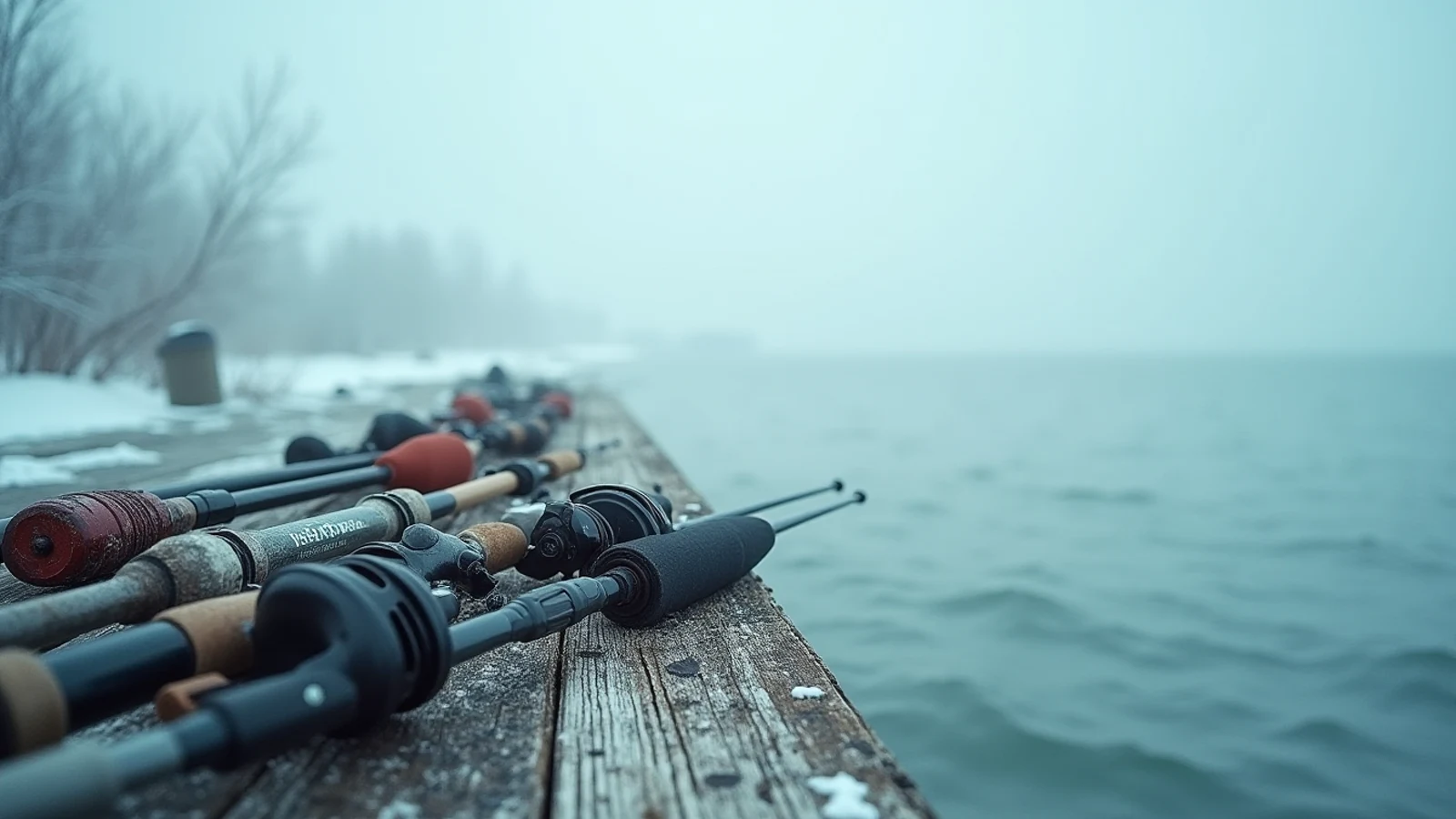
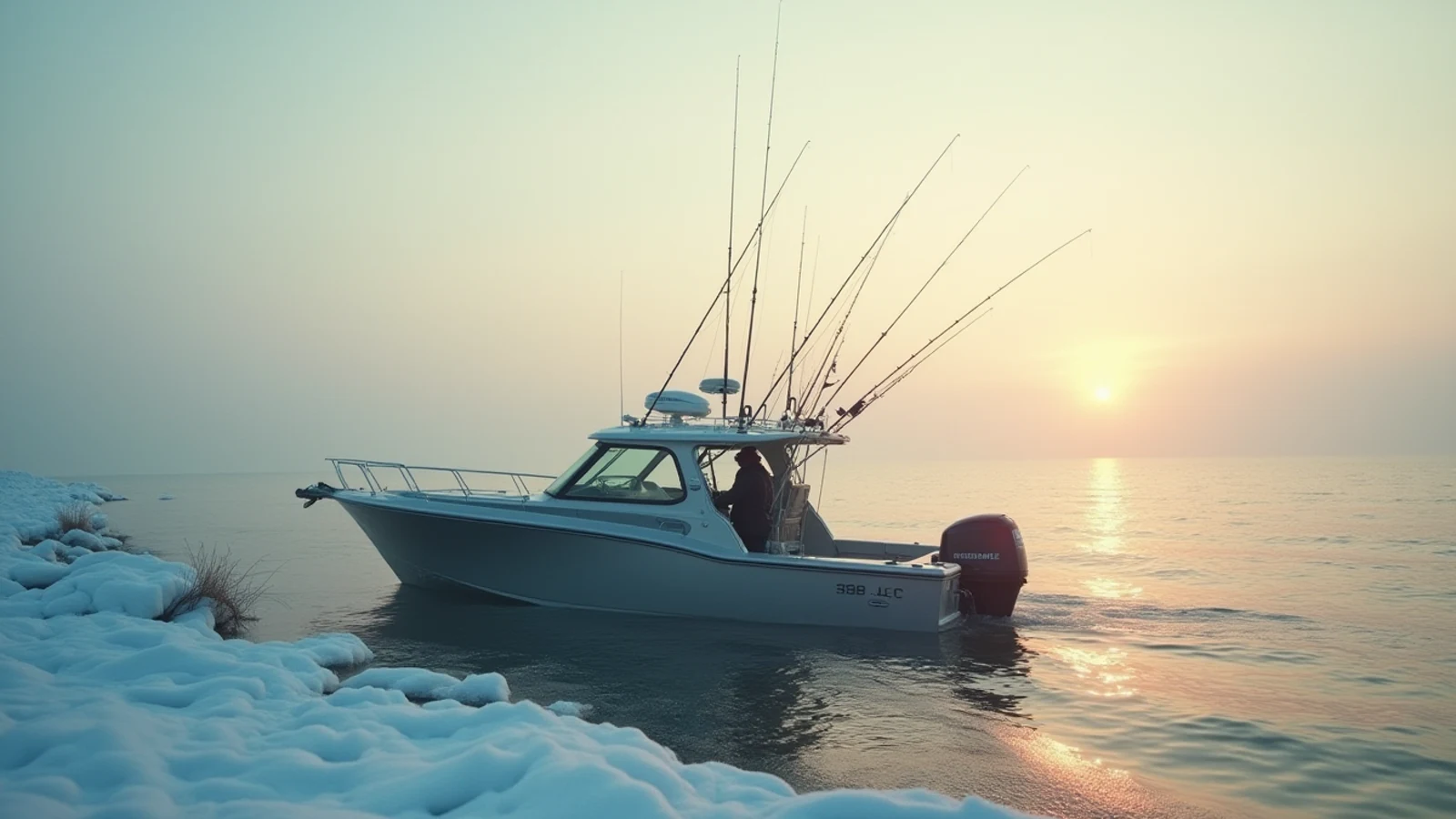
In a cold year the bays — Anchor Bay especially — carry a genuine ice fishery for yellow perch, pike on tip-ups, and some walleye. Anchor Bay out of New Baltimore and Fair Haven is the traditional hardwater ground. Ice on St. Clair is thin, wind-affected and moved by current from the connecting rivers, and it is one of the least reliable ice sheets in the region. Check locally the day you go.
St. Clair is not really a lake. It is a shallow, wide basin in the middle of the connecting channel between Huron and Erie, with the St. Clair River pouring in at the top and the Detroit River draining out the bottom. Every drop of water from the three upper Great Lakes passes through it on the way east.
That flow-through is the whole explanation. A basin this shallow anywhere else would be a warm, weedy, algae-choked pond by August. Here the water is continuously replaced with cold, clean water off Huron, so the lake stays clear and oxygenated top to bottom through the hottest part of the summer. Sunlight reaches bottom nearly everywhere, which grows enormous beds of cabbage, coontail and eelgrass across most of the American side.
Grass plus clear water plus current plus a constant supply of forage moving through equals an absurd amount of predator biomass in a small footprint. Muskie, smallmouth, walleye, pike, perch and largemouth all stack into the same flats. The fish are shallow, they are visible on sonar, and they are catchable from a modest boat — which is why St. Clair punches so far above its size on the national scene.
The delta at the north end, the St. Clair Flats, is the largest freshwater delta in the world and functions as the nursery for the entire system. That is where the muskies spawn, and it is why this fishery does not need a hatchery.
The clarity has a cost. Fish here see everything. Fluorocarbon leaders, long casts, and staying off the fish with the trolling motor are not finesse affectations on St. Clair, they are the difference between a day and a blank.
Muskellunge on most waters are exactly what the cliché says: a thousand casts, a follow, and a long drive home. St. Clair broke the cliché and it did it without stocking.
The population is wild and self-sustaining, spawning in the Flats and the connecting rivers, and its density is high enough that catch rates here are an order of magnitude better than a good northern Wisconsin or Minnesota lake. The practical version: a competent boat fishing the fall troll can raise a dozen fish and boat several in a day. Tournament fields here weigh multiple fifty-inch fish routinely.
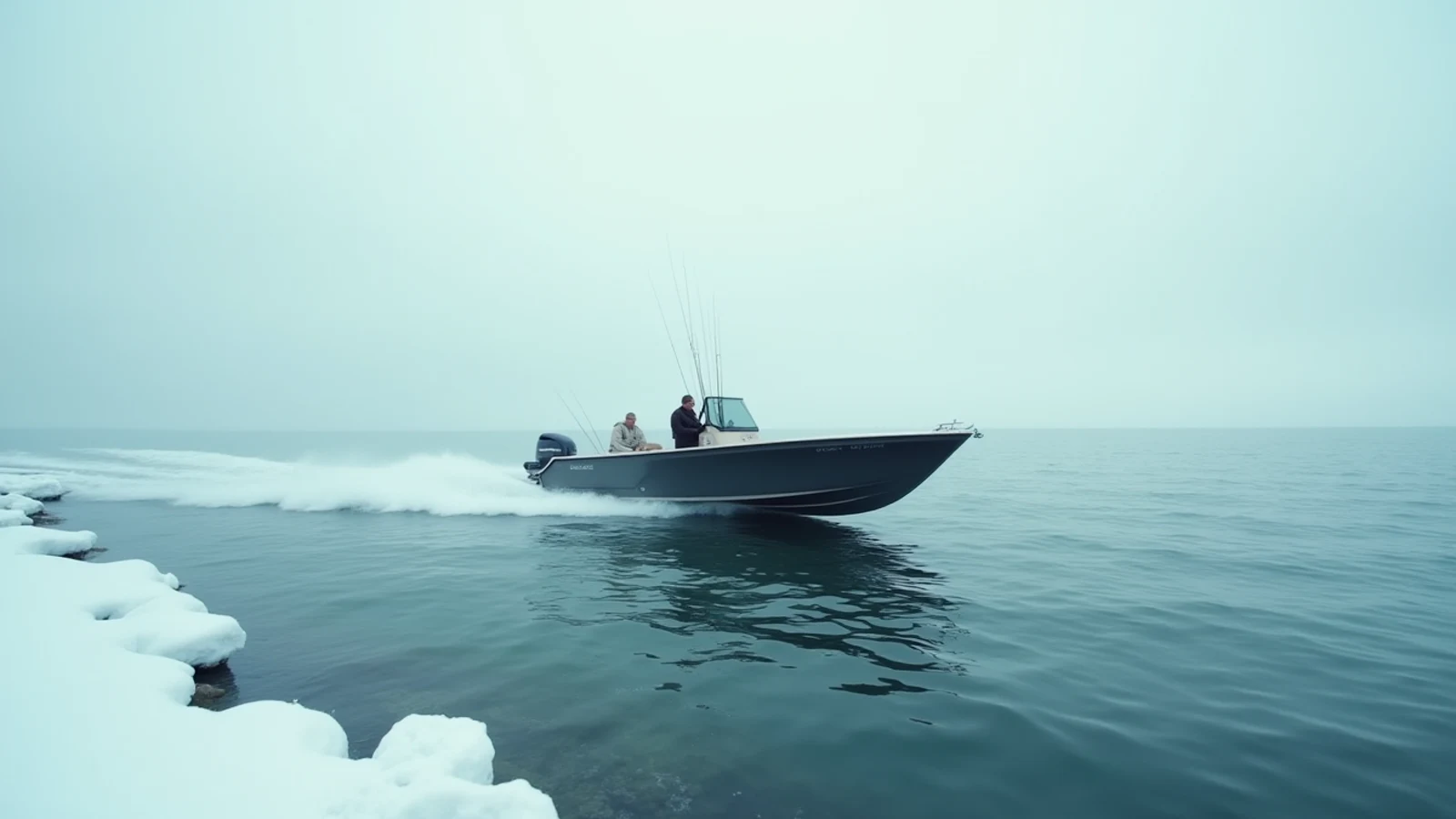
The technique that made it famous is trolling. Big crankbaits pulled at 3.5 to 5 miles an hour across open mid-lake grass flats, spread wide on planer boards to cover water, is the highest-percentage way to find fish in a basin with no classic deep structure to key on. Casting large rubber and bucktails on the weed edges works and is more fun; trolling finds more fish.
The other thing St. Clair did for muskie fishing is normalize the release. The handling standard here — cradle nets, long-nose hook removers, hook cutters, fish kept in the water, photographs taken fast — was worked out on this lake because enough fish get caught that mishandling would visibly dent the population. Come prepared to release properly or do not target them.
Smallmouth ride along on the same structure. The bass here are big, clear-water fish that live on sand-and-grass edges rather than rock piles, and they eat drop-shot and Ned rig presentations better than they eat anything loud. Multiple national tournaments have been decided on this water, which tells you what the professional field thinks of it.
St. Clair Shores is the metro-side base — Lake St. Clair Metropark and the nearby ramps put you on the southern flats in minutes.
Harrison Township and the Clinton River mouth sit central, with the best all-around access to the mid-lake muskie flats.
New Baltimore and Fair Haven open Anchor Bay: shallower, weedier, the pike and perch end of the lake, and the traditional ice ground.
Algonac puts you at the north end in the delta, with the Flats channels and the St. Clair River right there.
Fish the weather window, not the schedule. St. Clair is calm-morning water. If the forecast says 15 knots, plan a river day on the St. Clair or Detroit instead — both fish well and both give you a bank to hide behind.
Bring polarized glasses and use them. On this lake you can see grass edges, sand holes and often the fish themselves, and reading the bottom visually will out-fish staring at a screen.
Respect the border. The international line runs down the middle of the lake, and crossing it to fish requires the correct provincial licence and reporting. Know where you are.
And if you have never caught a muskie, come in October, hire a guide for a day, and bring the right gloves. This is the one place in America where that plan actually works.
Ports & launch towns
Largest ramps with published lane counts (MI)
All 14 public Lake St. Clair launches →
All 5 Lake St. Clair lighthouses →
Shoreline states
Know before you go
Read next
A layering system for Great Lakes spring and fall fishing: what each layer does, what cotton costs you, and why the outer shell is a safety decision.
Ice thickness numbers, pressure ridges, current, and what safe ice on the Great Lakes actually means — plus the gear that gets you back off the ice.
2D CHIRP, down imaging, side imaging, and live sonar compared for Great Lakes work, and which one earns its money on the water you fish.
How to back a trailer, launch in wind, use a Great Lakes ramp without holding up the line, and load a boat single-handed when the chop is on the wall.
Kit
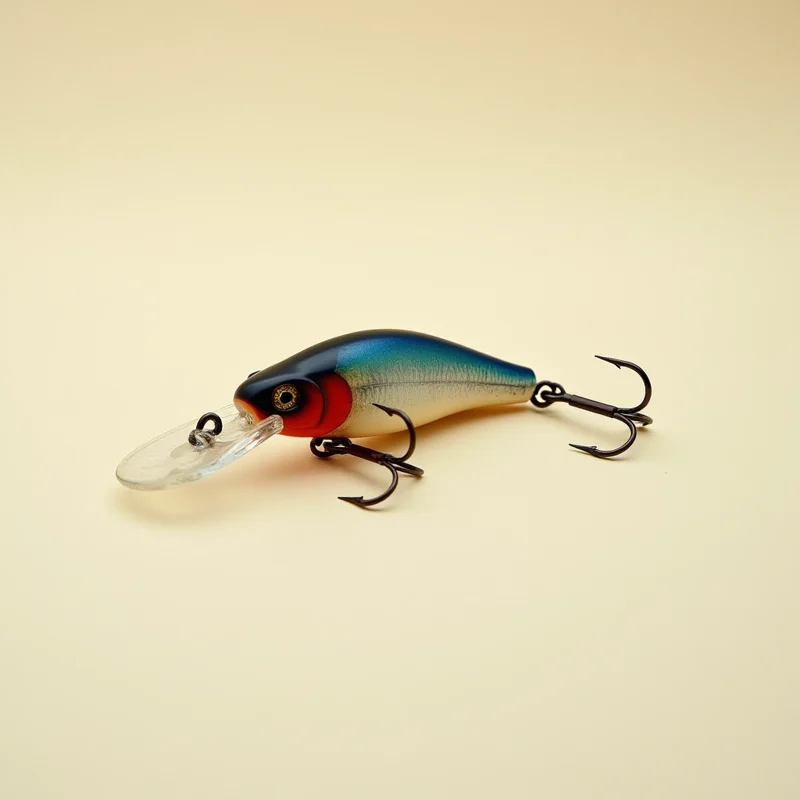
The crankbait Lake Erie walleye trolling runs on — it dives 18 to 22 feet on its own and the dive curves are published.
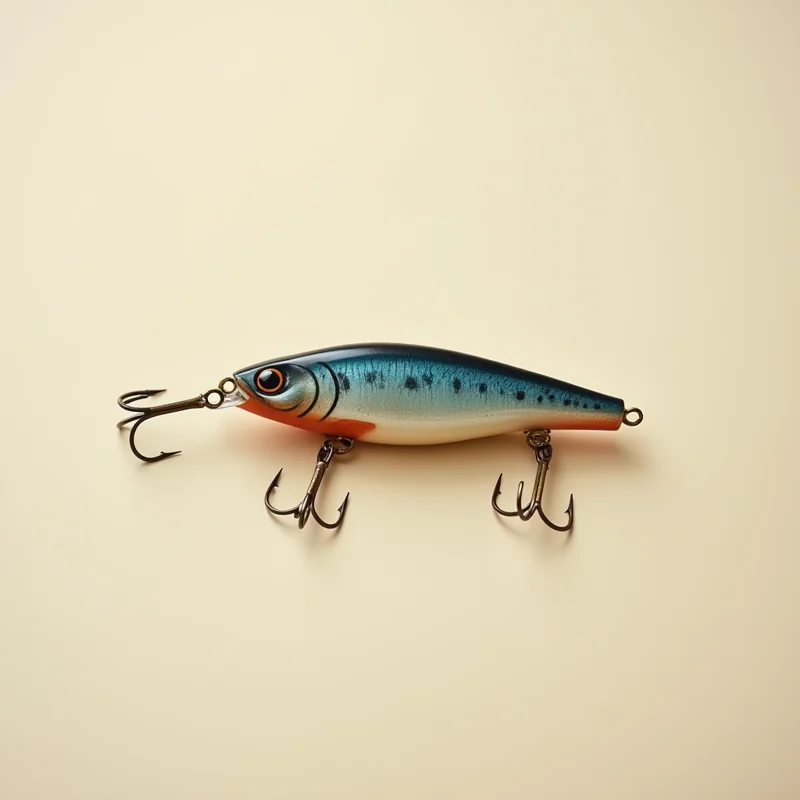
A short buoyant stick bait that stands up off bottom on a light jighead — the highest-percentage smallmouth bait on the lakes.
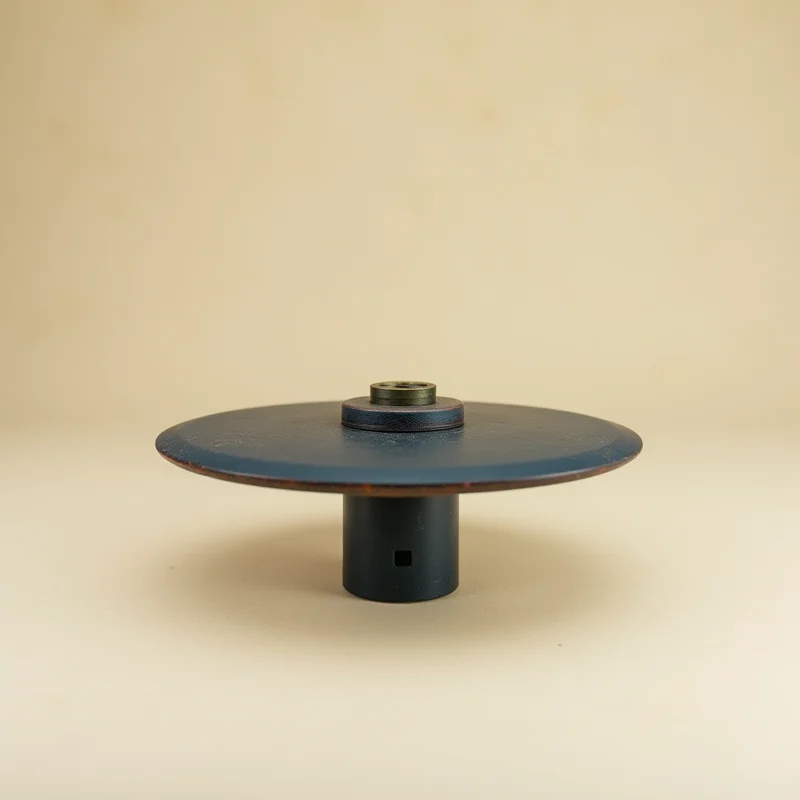
The in-line board that walleye trolling on Erie is essentially built around — it tracks hard, releases clean, and shows a bite.
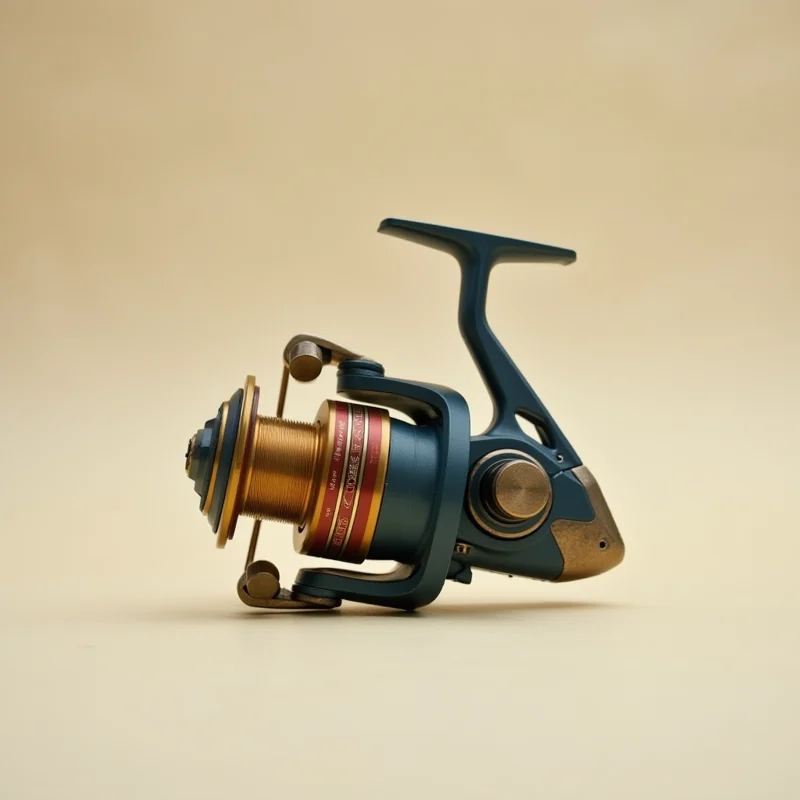
A sealed, cold-forged spinning reel that keeps its smoothness through years of spray, sand and freezing spray.
Common questions
Sources
Last updated 2026-09-01