The St. Clair River below Port Huron
Deep, fast, cold water under the Blue Water Bridge and downstream past Marysville. The heart of the system's sturgeon habitat, with hard bottom and current the fish have used for centuries.
Lake Sturgeon · Lake St. Clair
The Lake St. Clair and St. Clair River system supports the healthiest lake sturgeon population in the Great Lakes, and it is a genuine conservation success built on decades of protection and habitat work. Nearly all of this water is catch-and-release for sturgeon — read the current Michigan rulebook before you rig a rod, and assume the fish goes back.
Prime time
June through September, after the spring spawning period has passed
Depths
20–50 ft in the St. Clair River channels; 15–27 ft on the lake's deeper holes
Typical size
40–60 inches
Lake max depth
27 ft
Where
Deep, fast, cold water under the Blue Water Bridge and downstream past Marysville. The heart of the system's sturgeon habitat, with hard bottom and current the fish have used for centuries.
The delta's channels hold sturgeon through summer. Constructed spawning reefs in this system are part of a long-running binational habitat restoration effort.
Deeper channel water with steady current where sturgeon hold and feed. Access from Algonac is straightforward.
The lake averages only 11 feet and tops out at 27, so sturgeon concentrate in the few deeper areas and the dredged shipping channel.
The system's downstream half, with restored spawning reefs near Fighting Island and Grosse Ile. Same population, same rules, same responsibility.
How
Anchor above a channel edge or hole in 20 to 45 feet of current and fish a gob of six to ten nightcrawlers on a single hook, held down with a 4 to 12 oz sinker on a sliding rig. Sturgeon feed by smell and touch along the bottom. Bites are slow, heavy pulls rather than sharp taps — let the fish load the rod before you lift.
This is not a place for light line. A heavy rod, a reel with real drag, and 65 to 80 pound braid let you land a large fish in minutes rather than exhausting it over half an hour. A long fight in warm summer water is what kills a released sturgeon, not the hook.
Use a large circle hook and do not set hard — let the fish turn and load the rod. Circle hooks lodge in the corner of the jaw and come out cleanly. Pinch the barb. Both choices trade a small number of lost fish for a much higher survival rate.
Never lift a sturgeon vertically by the head, gill plate, or on a lip grip or scale. Their body mass is supported by water and a vertical hold tears internal connective tissue. Keep it horizontal and preferably in the water alongside the boat, support it under the belly with both arms if you must raise it, keep it out of the air for seconds not minutes, and revive it facing into the current until it swims off under its own power.
Lake sturgeon are protected almost everywhere on the Great Lakes. In Michigan waters the rules are specific, limited and revised — some waters are closed to sturgeon fishing entirely, some are catch-and-release only, and where any harvest exists at all it is tightly controlled and requires registration. None of that is something to work out from a forum post or a memory of last season.
Read the current Michigan DNR guide for the exact water you intend to fish — Lake St. Clair, the St. Clair River and the Detroit River are handled separately — and plan on releasing every sturgeon you touch. This page is written on that assumption.
Lake sturgeon were once so abundant in this system that commercial crews stacked them on the riverbank to burn. By 1900 the population across the Great Lakes had been reduced by something like 99 percent, through a combination of targeted harvest, dams that cut off spawning rivers, and the destruction of the clean gravel and cobble they spawn on.
The St. Clair system held on. The St. Clair River runs fast, cold and clean over hard bottom from Port Huron down to the delta, which is exactly the habitat sturgeon need to spawn, and Lake St. Clair below it is a shallow, productive feeding ground. Protection came, then decades of research, then a binational habitat effort that has constructed spawning reefs in both the St. Clair and Detroit rivers. The population here is now the strongest in the Great Lakes and the reference point everyone else’s restoration work is measured against.
That is the context you are fishing in. A sturgeon in this river is not a by-catch. It is the result of a century of somebody else’s work.
Lake sturgeon routinely live past fifty and can pass a hundred. Males may take fifteen years to reach maturity and females twenty or more, and a mature female does not spawn every year — she spawns every three to five. That reproductive math is the whole reason the species collapsed so completely and recovers so slowly. Kill one adult and you remove decades of future spawning from the system.
They have not changed much in a very long time. Bony plates instead of scales, a cartilage skeleton, four barbels under a protrusible vacuum of a mouth, and a shark-shaped tail. They feed by dragging those barbels across the bottom and inhaling whatever registers — insect larvae, crayfish, mollusks, and in the modern lake, a great many round gobies.
The technique is not complicated. Anchor above a channel edge or a hole in the St. Clair River in 20 to 45 feet, put a fist-sized gob of nightcrawlers on a large circle hook, hold it on bottom with enough lead for the current — often 6 to 12 ounces — and wait. The bite is a slow heavy load, not a tap. Do not swing. Let the fish turn against the circle hook.
Then fight it hard. This is the part people get wrong out of courtesy. A twenty minute battle on light line in 70-degree summer water builds lactic acid in a fish that may weigh more than the person holding the rod, and that is what kills released sturgeon. Heavy rod, real drag, 65 to 80 pound braid, and get it to the boat.
Never lift a sturgeon vertically. Not by the head, not by the gill plate, and not on a lip gripper or a hanging scale. These fish have a cartilage skeleton and a long heavy body designed to be supported by water along its entire length. Hanging one vertically tears internal connective tissue and organs in ways that do not show and are often fatal days later.
Keep it horizontal and keep it wet. Unhook it in the water alongside the boat if you can, with long pliers. If you lift it for a photograph, get both arms under the body, hold it low over the water, and count the seconds you have it in the air — under ten. Never let it thrash on a hot deck. Never put a finger under the gill plate.
Measure, do not weigh. A measuring board along the fish gives you a number without hanging it, and length is what fisheries biologists want anyway. Then hold it into the current, facing upstream, until it pulls away from you on its own.
Anglers who fish the St. Clair system for sturgeon are, whether they think about it this way or not, part of the monitoring effort. Tagged fish get reported. Length data gets used. The population that exists here exists because people decided, over about a hundred years, that it was worth the restraint. Fish it in that spirit and it will still be here when the fish you released this summer is finally old enough to spawn.
Where to put in
Dark marks are launches named in this guide. Generalized shoreline, not for navigation.
Kit
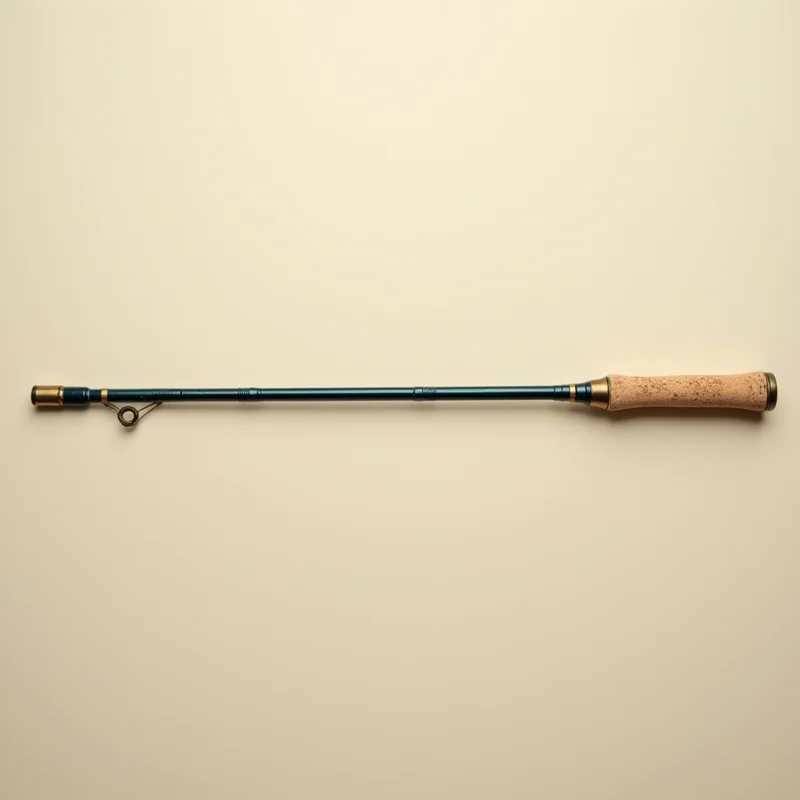
An 8-foot heavy musky stick that throws big rubber all day and still lets you finish a proper figure-eight boatside.
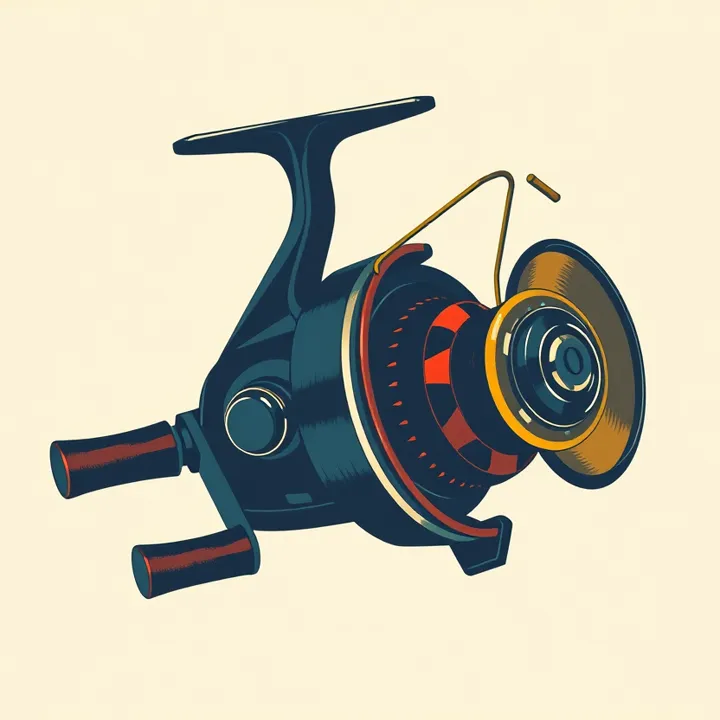
A round baitcaster built to throw 10-ounce rubber a thousand times a day and still have drag left for a 50-inch fish.
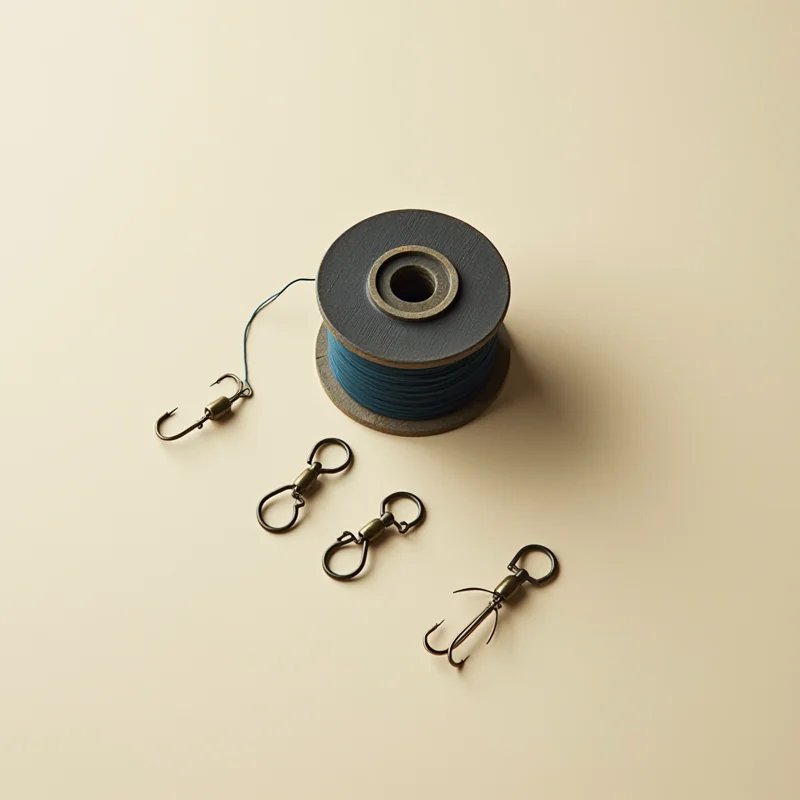
The default braid on half the jigging rods in the system, and it holds up to zebra-mussel-scarred structure better than it has any right to.
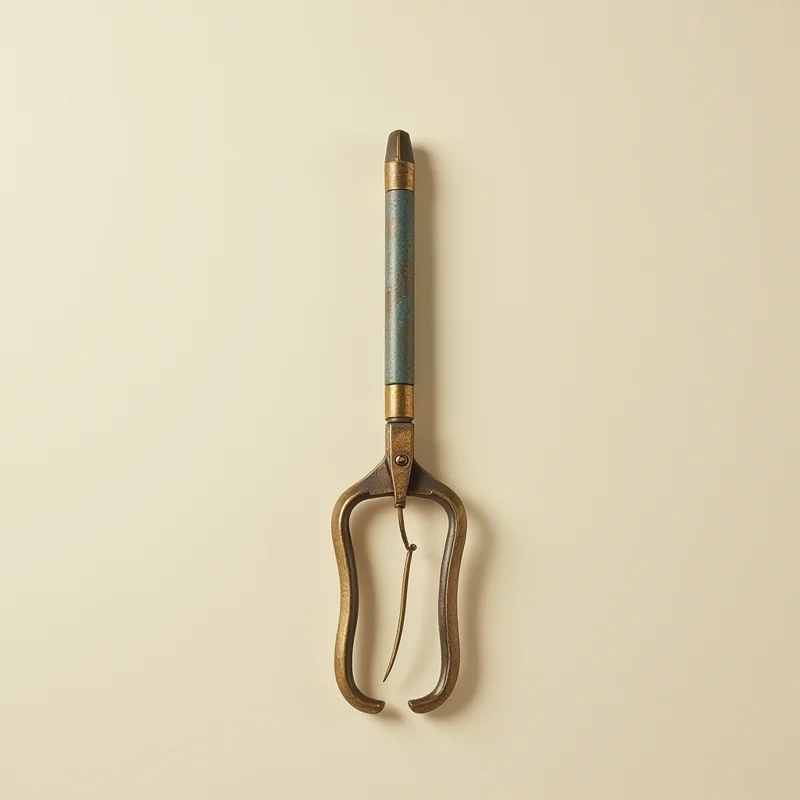
Eleven inches of stainless that reaches a hook past a pike's teeth without putting your hand in there, which is the entire product.
A bump board that gives you an honest length in three seconds, so you know whether a walleye is legal without guessing at a tape on a wet deck.
Questions
Size limits, bag limits, and open seasons for lake sturgeon on Lake St. Clair are set by Michigan DNR and change from year to year. Check the current rulebook before you keep a fish.
Sources
Last updated 2026-09-01