The Mile Roads off St. Clair Shores
The grass flats from roughly 9 Mile to 14 Mile out to the shipping channel. The most productive and most heavily fished smallmouth water on the lake, and it still gives up limits.
Smallmouth Bass · Lake St. Clair
Lake St. Clair is the best smallmouth lake in the country and the numbers are not close. Eleven feet of clear water over grass, a forage base of gobies and emerald shiners, and enough four-pound fish that a five-pounder does not stop the boat.
Prime time
Late May through October, with September and October the best big-fish window
Depths
8–16 ft over cabbage and sand flats; 18–24 ft on the shipping channel edges in fall
Typical size
2–4 lb
Lake max depth
27 ft
Where
The grass flats from roughly 9 Mile to 14 Mile out to the shipping channel. The most productive and most heavily fished smallmouth water on the lake, and it still gives up limits.
The shallow northeast corner off New Baltimore. Warms first in spring, holds the earliest post-spawn fish, and fishes well in 6–12 ft over sand and scattered cabbage.
Where the lake dumps into the river. Heavy current over hard bottom, and the biggest average fish on the system from September through November.
Behind the delta islands. Protected, weedy, and the place to go when the wind makes the open flats unfishable.
The dredged break from 12 ft to over 20 ft. Fall staging water. Watch for commercial traffic — this is a working seaway channel and you do not have right of way.
Current-swept cuts through the St. Clair Flats. Smallmouth hold on the outside of every bend and behind every island point.
How
The dominant St. Clair pattern. A 3/8 oz cylinder weight, an 18- to 24-inch tag, and a 4-inch straight-tail worm or goby-imitating plastic on a size 1 hook. Fish it nearly vertical while the trolling motor holds you over the fish. In clear water use 8 lb fluorocarbon on a spinning setup and 10 lb braid to a fluoro leader when the grass is thick.
A 3/8 oz insert-head tube, cast and dragged slowly across the clean sand between grass beds in 10 to 16 feet. This imitates a goby, which is what St. Clair smallmouth eat more than anything else. Watch the line for the sideways tick — the bite on a drag is rarely felt in the rod.
When the Mile Roads have twenty boats on them. A 1/10 to 1/6 oz mushroom head with a short buoyant stick bait, hopped once and then left alone for three or four seconds. The lightest presentation on this page and the one that saves a bluebird post-front day.
June through September, in 6 to 12 feet over the cabbage. A walking bait or a popper worked with long pauses in the first hour of light. Fewer bites than a drop-shot and a completely different day when it works.
October and November. A 1/2 to 3/4 oz hair jig or a heavy tube, cast upstream and swum back through the current seam off Peche Island. Heavier than the depth suggests, because the current is real. This produces the largest fish of the year.
Every element that makes a smallmouth fishery good is stacked on top of the others here. Lake St. Clair averages eleven feet deep, so sunlight reaches almost the entire bottom and grass grows everywhere. The bottom is sand and gravel, not muck. Current runs constantly from the St. Clair delta at the top of the lake to the Detroit River at the southwest corner, keeping the water oxygenated and moving food.
And then there are the gobies. Round gobies arrived in the system in ballast water and turned into an enormous protein supply sitting directly on the bottom where smallmouth feed. Great Lakes smallmouth got fatter across the board after the invasion, and nowhere more visibly than here.
The result: four-pound smallmouth are common enough on this lake that they do not draw a comment in the boat.
There is no classic deep structure on St. Clair. No humps rising from 60 feet, no bluff walls. What there is instead is thousands of acres of submerged cabbage, coontail and eelgrass growing in 8 to 16 feet, with clean sand openings scattered through it.
Smallmouth live on the edges and in the openings, not buried in the salad. Your job on a given day is to find which grass edge holds fish. The Mile Roads flats off St. Clair Shores are the classic starting point — miles of it, in the right depth, minutes from a ramp.
Polarized glasses matter here more than on any other lake on this site. In gin-clear water over 10 feet, you can see the grass lines, the sand holes and often the fish.
If you show up to St. Clair with a boat full of crankbaits and no drop-shot rod, you will catch some fish and you will get outfished by half. The drop-shot took over this lake for a reason: it presents a goby-sized bait a foot off bottom, in clear water, with almost no motion, and it stays in the strike zone while the boat holds position.
Setup: spinning rod, 8 lb fluorocarbon straight through or braid to a fluoro leader, a 3/8 oz cylinder weight, a 4-inch straight-tail worm nose-hooked on a size 1 hook, 18 to 24 inches above the weight. Fish it vertically. Shake the rod tip without moving the weight. Most bites feel like the line got heavier.
The tube jig is the companion technique and it beats the drop-shot on windy days when you want to cover ground. Drag it, do not hop it. Gobies do not swim, they scoot along the bottom.
Late April–May. Prespawn and spawn in Anchor Bay and the protected north end. Water in the 50s and 60s. Handle fish carefully and know the current rules — the season structure here has historically included catch-and-immediate-release periods.
June–August. Post-spawn fish spread onto the main-lake grass flats. This is peak numbers. Drop-shot, tubes, and topwater in the first hour of light.
September–November. The best big-fish window. Fish group up and slide toward current — the Detroit River head at Peche Island, the shipping channel edge — and the average size climbs hard. Heavy hair jigs and tubes in current.
Eleven feet of average depth means St. Clair builds a steep, ugly chop in a 20-knot wind with no lee shore, because the lake is nearly round and every wind has fetch. There is no deep water to absorb it. A day that starts glassy can end with a genuinely unpleasant ride back to Metropark.
The other factor is people. This lake sits on metro Detroit’s doorstep. Summer weekends bring heavy recreational boat traffic across the Mile Roads flats, and the fishing pressure on the best water is constant. Weekday mornings are a different lake, and Anchor Bay or Muscamoot will usually be quieter than the Mile Roads.
Michigan manages Lake St. Clair, and the bass rules here have historically differed from inland Michigan — including seasonal catch-and-immediate-release periods. Seasons and sizes are revised. Check the current Michigan DNR guide.
Where to put in
Dark marks are launches named in this guide. Generalized shoreline, not for navigation.
Kit
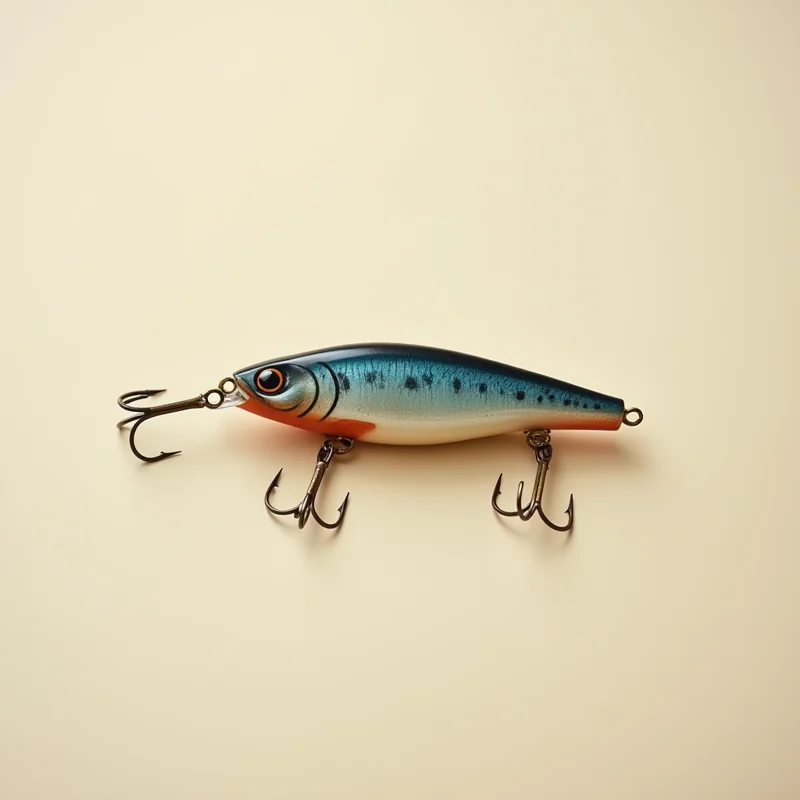
A short buoyant stick bait that stands up off bottom on a light jighead — the highest-percentage smallmouth bait on the lakes.
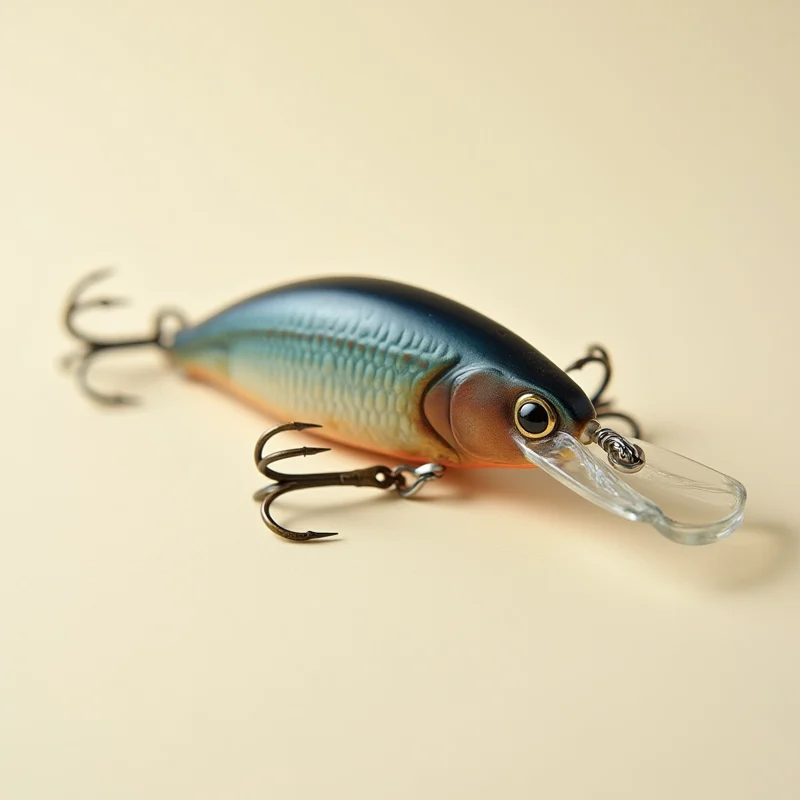
The tube is still the St. Clair smallmouth bait, and a 3.5-inch green pumpkin on an internal head is the whole answer most days.
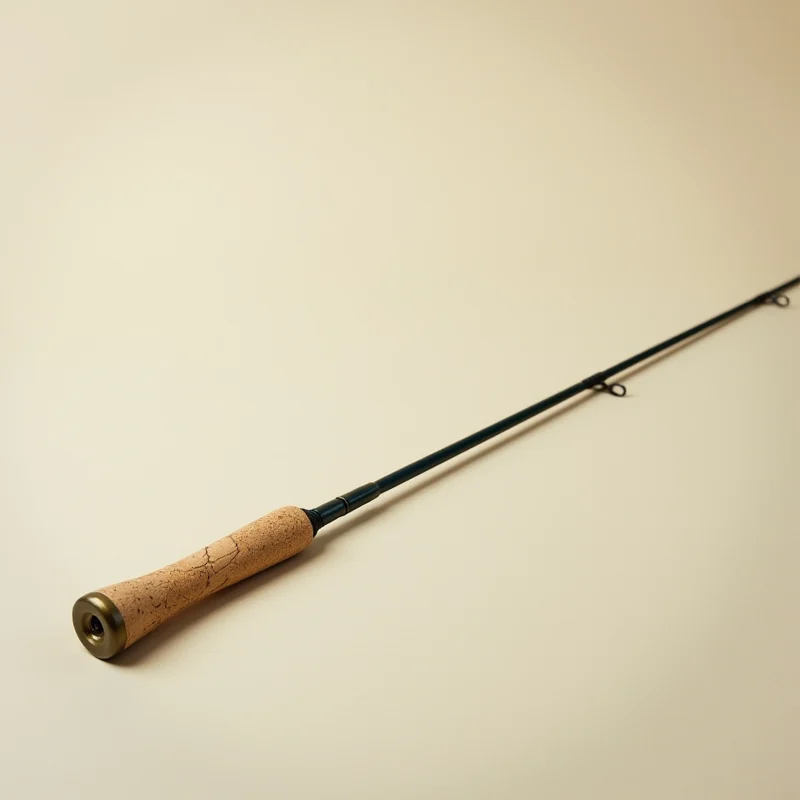
The all-purpose graphite spinning rod that covers smallmouth, walleye and perch without being the best at any one of them.
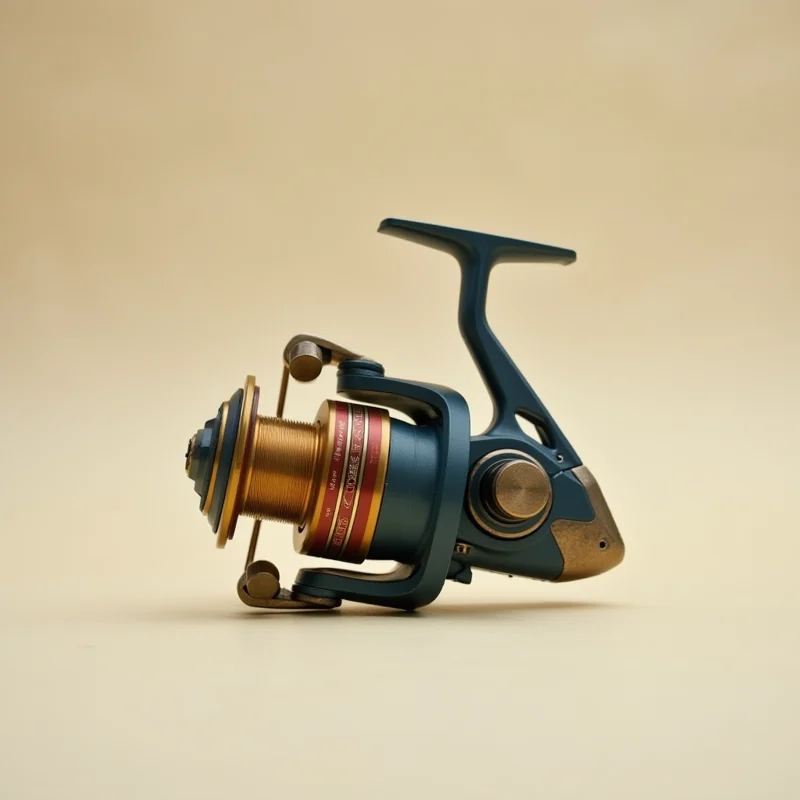
A sealed, cold-forged spinning reel that keeps its smoothness through years of spray, sand and freezing spray.
The leader material that makes braid usable over mussel-covered rock, and the whole line when smallmouth get selective in gin-clear water.
Questions
Same fish, other water
Size limits, bag limits, and open seasons for smallmouth bass on Lake St. Clair are set by Michigan DNR and change from year to year. Check the current rulebook before you keep a fish.
Sources
Last updated 2026-09-01