The Les Cheneaux Islands, Cedarville and Hessel
Thirty-six islands and a network of protected channels. Rock, sand and cabbage in 6–18 ft, and enough shelter that you can fish on a day the open lake is impossible.
Smallmouth Bass · Lake Huron
Lake Huron has more smallmouth water than any lake on the chain and almost nobody on it. Fish the northern island country around Les Cheneaux and Drummond Island for numbers and solitude, and the Thumb reefs off Port Austin for size.
Prime time
Mid-June through early October, with September the best size window
Depths
6–18 ft in the northern island bays; 18–35 ft on the Thumb and Thunder Bay reefs
Typical size
2–4 lb
Lake max depth
750 ft
Where
Thirty-six islands and a network of protected channels. Rock, sand and cabbage in 6–18 ft, and enough shelter that you can fish on a day the open lake is impossible.
The north side of Drummond, a maze of bays, points and boulder fields. Genuinely remote water with a smallmouth population that sees very little pressure.
Off the tip of the Thumb. Isolated hard bottom rising from deep water, and the best big-fish spot on southern Lake Huron. It also has walleye on it, which changes your hook choices.
Rock shelf and boulder fields from Port Austin east to Harbor Beach in 12–30 ft. Long stretches of it, easily accessible, mostly unfished for bass.
A large protected bay with limestone bottom, islands and reefs in 10–25 ft. The Thunder Bay National Marine Sanctuary shipwreck field sits in the same water — treat wrecks as protected sites, not fishing structure.
Current-swept water at the top of the lake. Smallmouth stack on the current breaks behind points and islands, and they run heavy.
How
The northern Huron standard. A 3/8 oz insert-head tube, dragged and hopped across boulder and cobble in 8 to 20 feet. This is a searching bait here — cast, take up slack, drag two feet, pause. Northern Huron fish are less pressured than St. Clair fish and will move to a bait.
Port Austin Reef, Thunder Bay and the Thumb shelf, in 20 to 35 feet. A 3/8 to 1/2 oz weight and a 4-inch straight-tail worm on an 18-inch tag. Hold vertical over marked fish. Necessary once water passes 70°F and the fish slide off the shallow rock.
Les Cheneaux and Potagannissing Bay, June through August, in 4 to 10 feet over sand and scattered rock. A walking bait or popper in the first two hours of light. In water this clear and this lightly fished, the topwater bite lasts later into the morning than it would on a pressured lake.
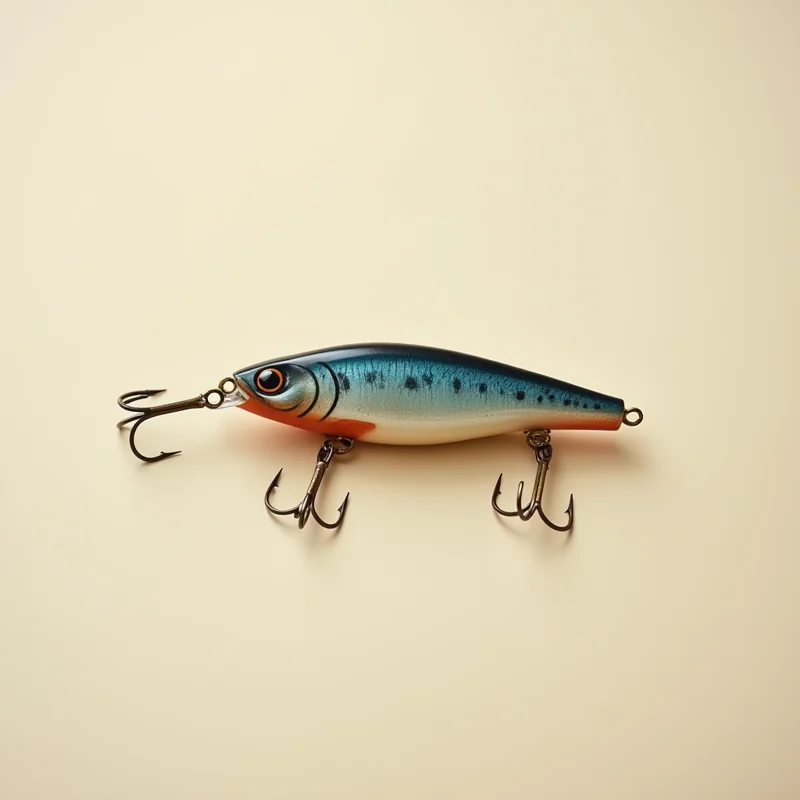
June before the water passes 62°F, and again in October when it falls back through it. A suspending jerkbait, two twitches and a four-second pause, over 8 to 16 feet of rock. The pause is where the bite happens.
Detour Passage and the St. Marys mouth. A 1/6 to 1/5 oz mushroom head cast upstream and allowed to tumble down the current seam. Keep enough line contact to feel bottom without dragging the bait out of the seam.
Lake Huron has 3,827 miles of shoreline, more than any other Great Lake. A large share of it is rock, cobble and boulder in 6 to 30 feet of clear water. It holds gobies, crayfish and emerald shiners. By every measure that predicts good smallmouth fishing, this lake should be famous.
It is not, for two reasons. The Michigan side of Huron is thinly populated north of Bay City, and Huron’s fishing identity belongs to walleye on Saginaw Bay and lake trout on the northern reefs. Bass anglers looking for Great Lakes smallmouth drive past it to get to St. Clair.
That is a gift if you are willing to take it.
The best of it is the northern shoreline from the Les Cheneaux Islands east to Drummond Island. Les Cheneaux is thirty-six islands forming a network of narrow protected channels around the towns of Cedarville and Hessel. Potagannissing Bay on the north side of Drummond is a bigger, wilder version of the same thing: boulder fields, points, sand flats and back bays.
The fishing here is shallow. Six to eighteen feet, over a mix of rock, sand and cabbage, with a tube jig or a topwater. Fish are less pressured than anywhere else on this site, which changes their behavior — they will move several feet to eat, they hold shallower later into the morning, and the topwater window that closes at seven a.m. on St. Clair stays open until ten here.
The other advantage is shelter. When a 20-knot northwest wind shuts down the open lake, you can still fish inside the Les Cheneaux channels.
The other Huron smallmouth fishery runs along Michigan’s Thumb, from Port Austin at the tip east and south to Harbor Beach. Rock shelf, boulder fields, and isolated offshore structure — Port Austin Reef being the famous piece.
This is deeper water, 18 to 35 feet, and it fishes like eastern Lake Erie: drop- shot vertically on marked fish over hard bottom. The average fish is heavier than the northern island fish. It is also more exposed water, and Port Austin Reef sits far enough offshore that it is a fair-weather trip only.
Grindstone City and the shoreline shelf between the ports are the accessible version of the same structure and get almost no bass pressure at all.
Alpena’s Thunder Bay is a large, protected limestone bay with reefs, islands and a mix of 10 to 25 feet of hard bottom. Very good smallmouth water and an easy place to fish from a modest boat.
One rule specific to this water: Thunder Bay National Marine Sanctuary protects the best-preserved shipwreck field in the Great Lakes, and many of the wrecks sit in shallow, fishable depths. They are protected archaeological sites. Do not anchor on them and do not treat them as structure.
Huron is a cold lake and everything here runs two to three weeks behind Erie or St. Clair. The spawn happens in June in the northern bays, not May. The topwater bite peaks in July and August. September is the best month for size, when the water falls back through the mid-60s and fish group up hard on the reef edges.
By late October the northern country is done and the season is over.
Drummond Island and the Les Cheneaux area are genuinely remote. Cell coverage is patchy, marine services are limited and seasonal, and the nearest help can be an hour away. Carry a VHF, tell someone your plan, and carry more fuel than the run requires. Huron’s open water is 750 feet deep at its deepest and gets a long period swell on a hard blow that a small boat should not be in.
Michigan manages Lake Huron bass, and Great Lakes seasons have differed from inland waters, including catch-and-immediate-release periods. Rules are revised. Check the current Michigan DNR guide.
Where to put in
Dark marks are launches named in this guide. Generalized shoreline, not for navigation.
Kit
The tube is still the St. Clair smallmouth bait, and a 3.5-inch green pumpkin on an internal head is the whole answer most days.
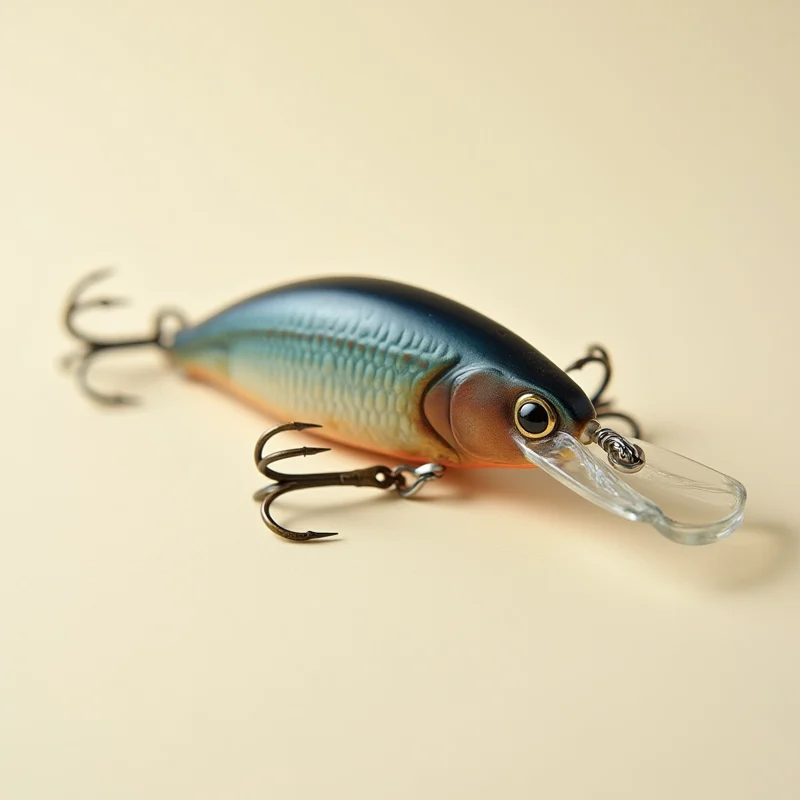
A suspending jerkbait that hangs motionless between twitches — the cold-water bait for walleye, smallmouth and browns.
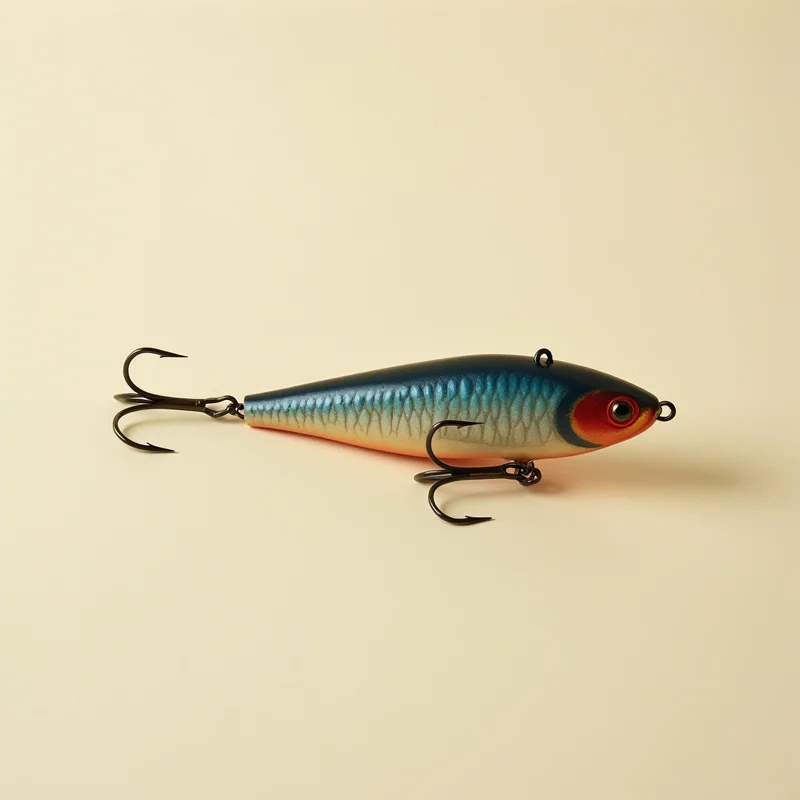
A short buoyant stick bait that stands up off bottom on a light jighead — the highest-percentage smallmouth bait on the lakes.
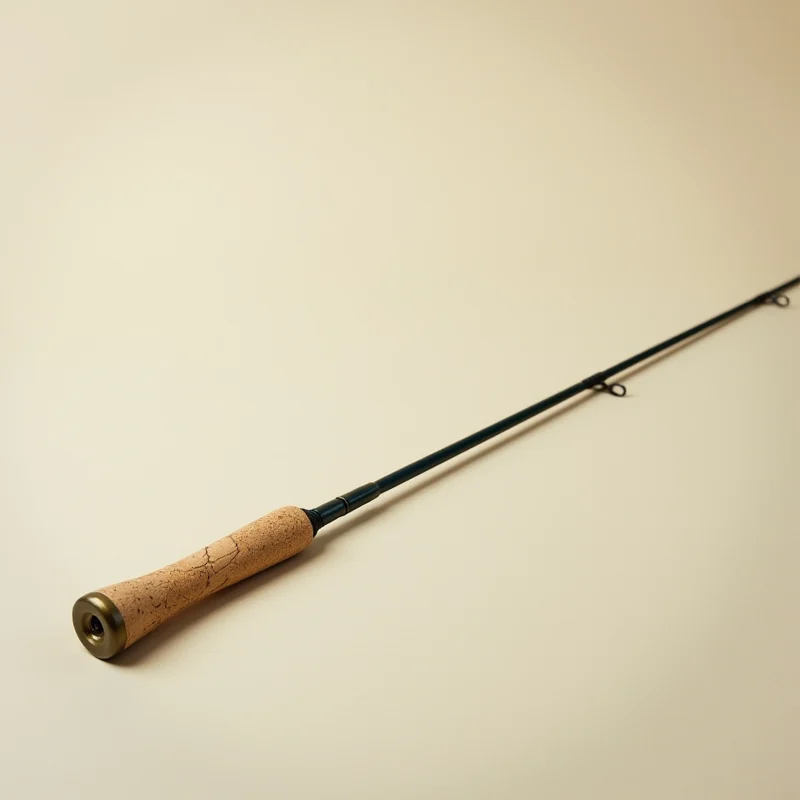
The all-purpose graphite spinning rod that covers smallmouth, walleye and perch without being the best at any one of them.
A knotless, rubber-coated net that does not strip slime or tangle trebles, in a hoop size that actually fits a Great Lakes fish.
Questions
Same fish, other water
Size limits, bag limits, and open seasons for smallmouth bass on Lake Huron are set by Michigan DNR and change from year to year. Check the current rulebook before you keep a fish.
Sources
Last updated 2026-09-01