Henderson Harbor and Henderson Bay
The center of the eastern basin fishery. Protected water with rock and grass in 10–25 ft, and a short run to the deeper offshore shoals.
Smallmouth Bass · Lake Ontario
Lake Ontario's eastern basin is one of the great deep-water smallmouth fisheries in the country, and its shoals around Henderson Harbor and Galloo Island go weeks without a bass boat on them. Fish it in September and October, and be ready to drop-shot in 35 feet.
Prime time
Late June through October, with September and October the best size window
Depths
12–25 ft on the eastern basin shoals in early summer; 28–45 ft by late summer
Typical size
2–4 lb
Lake max depth
802 ft
Where
The center of the eastern basin fishery. Protected water with rock and grass in 10–25 ft, and a short run to the deeper offshore shoals.
Offshore rock west of Henderson. Isolated hard bottom rising out of deep water, and the best big-fish structure in the eastern basin. Open-water run — go on a good forecast.
Shoreline rock and gravel points north of Henderson. Reliable, close to shore, and fishable from a smaller boat than Galloo demands.
Shallow, weedy and rocky, out of Chaumont and Three Mile Bay. Early-season and spawning water before the fish push out to the offshore shoals.
Where the Niagara River dumps into the lake at the west end. Current, hard bottom and a genuine trophy smallmouth population, especially in fall.
South-shore rock and gravel breaks near Rochester in 15–30 ft. Less structure than the eastern basin, but a real fishery and easy to access.
How
The core eastern basin pattern from July on. A 1/2 oz weight and a 4- to 5-inch straight-tail worm on an 18- to 24-inch tag, fished vertically over 28 to 45 feet of rock. You are holding on a specific piece of structure with the trolling motor, not covering water. Bites at that depth register as weight, not a tick.
Late June through July, in 12 to 25 feet around Stony Point and the Henderson shoreline. A 3/8 to 1/2 oz insert-head tube, dragged across gravel and boulder. Enough weight to hold bottom in the wind that this lake almost always has.
October and November, as water drops through the 50s. A 1/2 oz blade bait lift-dropped over 30 to 45 feet, or a 3/4 oz hair jig at the Niagara Bar in current. Short lifts, tight-line falls. Nearly every bite comes on the drop.
Chaumont Bay and Braddock Bay in June, over 6 to 14 feet. A walking bait at first light, or a suspending jerkbait with three- to five-second pauses once the sun is up. This is the shallow window before the fish commit to deep rock for the summer.
Lake Ontario’s reputation is chinook salmon, and it earned it. The charter fleet from Olcott to Oswego is built on kings and browns, and a September morning off the Salmon River is one of the great sights on the chain.
The smallmouth fishing gets almost none of that attention, and it is world class. The eastern basin — the corner of the lake between Chaumont, Sackets Harbor, Henderson Harbor and Galloo Island — is a complex of shoals, islands, gravel points and offshore rock that grows heavy, healthy smallmouth in numbers, and on most weekdays it is empty.
Ontario averages 283 feet and is cold and clear. The productive shoal structure sits at the edges, and once water warms past the mid-60s the fish drop off it into 28 to 45 feet and stay there through the summer.
That is not a subtlety, it is the whole fishery. Anglers who arrive with an inland lake’s habits — casting the shoreline, fishing 10 feet — will find nothing after the first week of July. You need sonar, a trolling motor that holds position, and a willingness to fish vertically over deep rock.
The goby population is the other half. Gobies colonized every piece of hard bottom in the lake, and Ontario smallmouth eat them constantly. That is why the productive baits are bottom-oriented plastics: drop-shot worms, tubes, Ned rigs.
Chaumont Bay. Shallow, weedy, protected. June water. Fish spawn here and spread out afterward.
Stony Point and Stony Island. Shoreline rock and gravel in 12 to 25 feet. Accessible, reliable, and a reasonable target for a smaller boat.
Henderson Harbor and Henderson Bay. The practical base for the fishery. Good water inside, and a short run to the offshore shoals.
Galloo Island. Offshore rock rising out of deep water. This is the best big- fish structure on the New York side and it is an open-water run — go on a good forecast, not a hopeful one.
At the west end of the lake, the Niagara River pours out over a shallow bar of hard bottom. Current, deep water alongside, and a smallmouth population that runs heavy. Fall is the season. A 3/4 oz hair jig or a heavy tube cast into the current and worked back along the seam is the presentation.
It is also serious water. The current is strong, the wind from the lake can build against it, and the bar is exposed. Treat it with the respect you would give any river mouth on open water.
June. Fish in the bays, shallow, spawning and post-spawn. Topwater and jerkbaits over 6 to 14 feet. Handle fish carefully and know the current season structure.
July–August. The move offshore. Drop-shot on 28 to 40 feet of rock. Numbers are good, the fish are healthy, and the technique barely changes for six weeks.
September–October. The best window. Fish group hard on the shoals, average size climbs, and the weather is still workable. This is when to plan the trip.
November. Cold-water blade baits over 35 to 45 feet. Fewer bites, biggest fish of the year, and genuinely uncomfortable conditions on a lake that gets a long westerly fetch.
Ontario is different from Erie. Where Erie stacks a short, steep, punishing chop, Ontario builds a long-period swell on a hard westerly that keeps rolling long after the wind drops. Neither is friendly to a small boat, but they fail differently: Erie beats you up quickly, Ontario keeps you out for a day and a half.
The eastern basin bays give you shelter. The runs to Galloo Island and the Niagara Bar do not. Carry a VHF, watch the west wind, and remember that the eastern basin is remote enough that help is not close.
NYSDEC manages Lake Ontario bass, and Great Lakes and St. Lawrence waters have carried seasons and catch-and-release periods that differ from inland New York. Rules change. Read the current regulations before you fish.
Where to put in
Dark marks are launches named in this guide. Generalized shoreline, not for navigation.
Kit
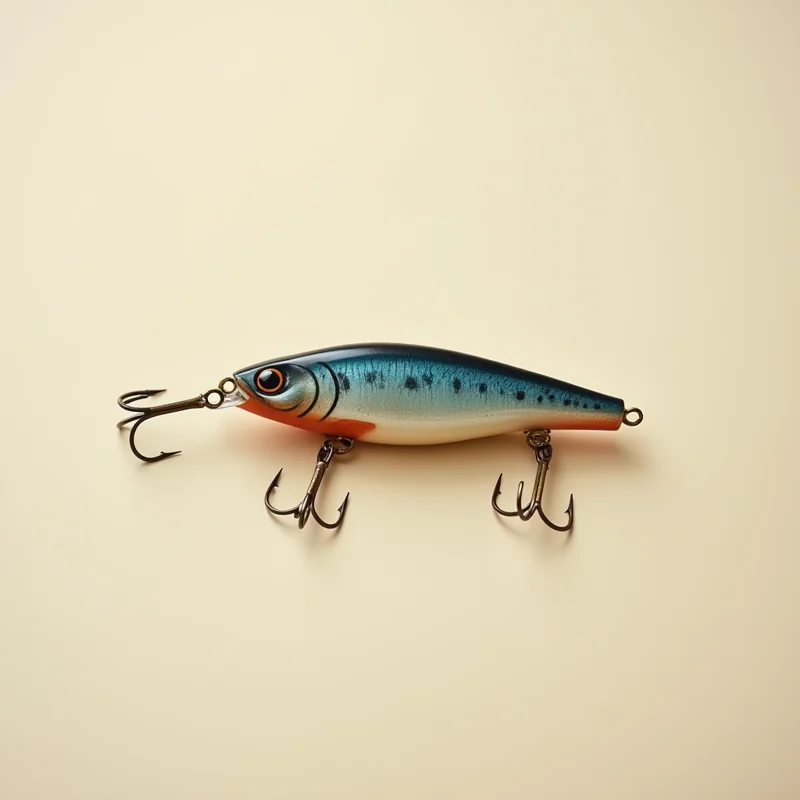
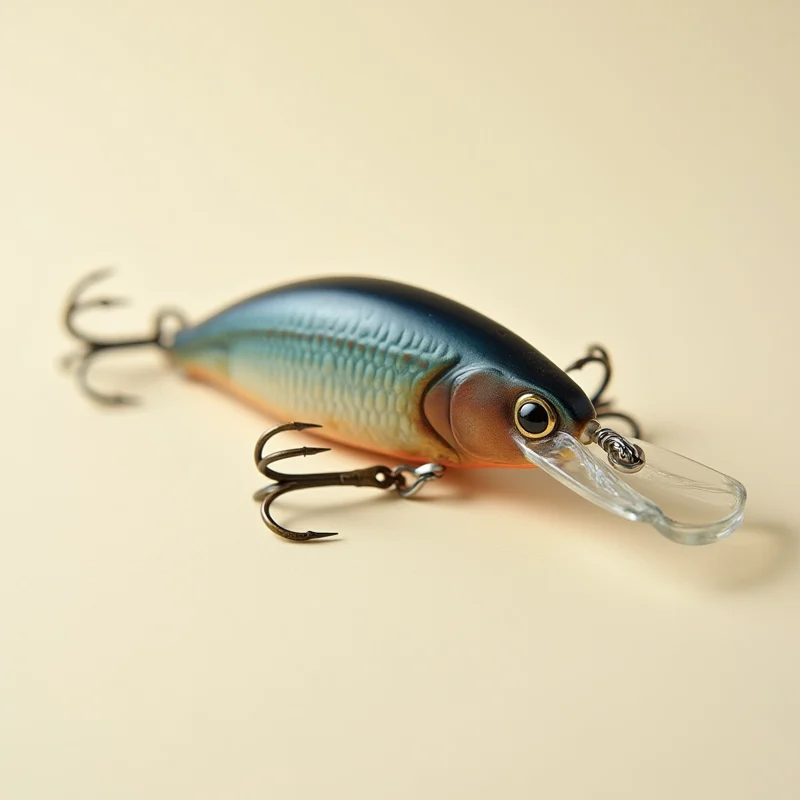
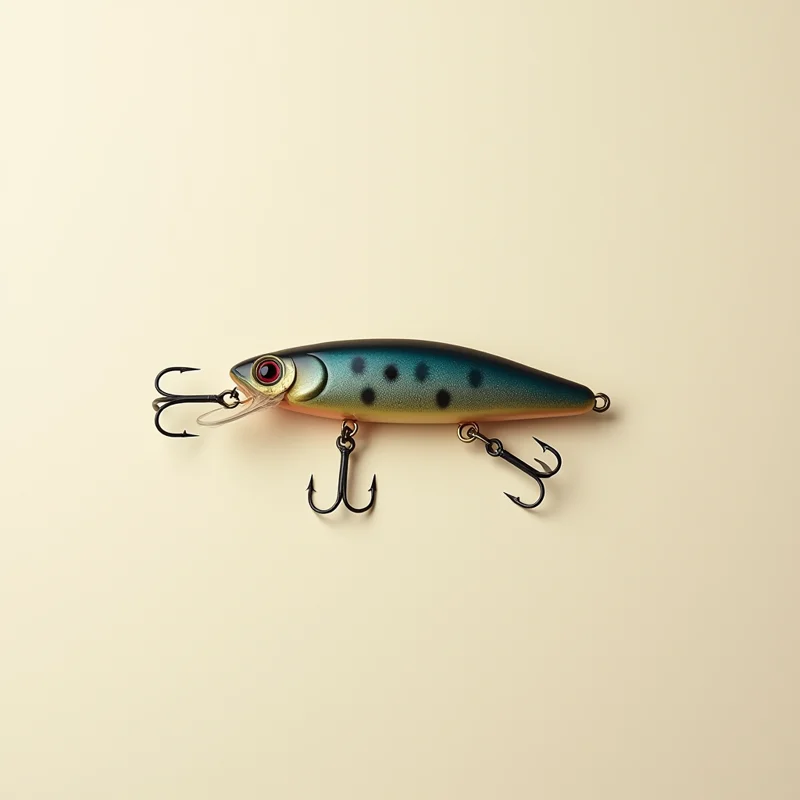
A short buoyant stick bait that stands up off bottom on a light jighead — the highest-percentage smallmouth bait on the lakes.
The tube is still the St. Clair smallmouth bait, and a 3.5-inch green pumpkin on an internal head is the whole answer most days.
A thin metal blade that vibrates hard on the lift and flutters on the drop — the cold-water bait for deep, inactive walleye.
A 9-inch chartplotter-sonar with Navionics charts built in — the single most useful electronics purchase for a Great Lakes boat.
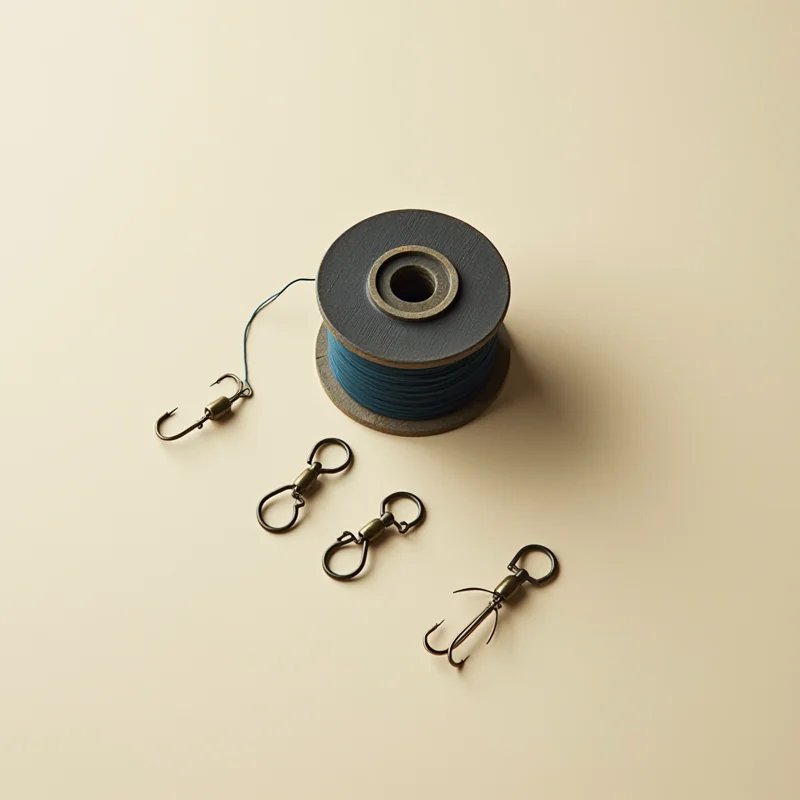
The default braid on half the jigging rods in the system, and it holds up to zebra-mussel-scarred structure better than it has any right to.
Questions
Same fish, other water
Size limits, bag limits, and open seasons for smallmouth bass on Lake Ontario are set by NYSDEC and change from year to year. Check the current rulebook before you keep a fish.
Sources
Last updated 2026-09-01