Grand Traverse Bay, east and west arms
Deep, gin-clear water with rock and gravel shelves off Old Mission Peninsula and Elk Rapids. Fish shallow in June and drop to 30-plus feet by August.
Smallmouth Bass · Lake Michigan
Lake Michigan's smallmouth fishing is concentrated in the northern bays and the Door County rock, and it is as good as anything in the country. Grand Traverse Bay and the Beaver Island archipelago are the two trips worth planning; Sturgeon Bay is the one that has already been discovered.
Prime time
Mid-June through early October, with September the peak for size
Depths
6–18 ft on the spring and early-summer rock; 25–40 ft by late summer in the deep bays
Typical size
2–4 lb
Lake max depth
925 ft
Where
Deep, gin-clear water with rock and gravel shelves off Old Mission Peninsula and Elk Rapids. Fish shallow in June and drop to 30-plus feet by August.
St. James Harbor, Garden Island and Hog Island. Remote boulder and cobble water with a smallmouth population that sees almost no pressure. Big-water crossing from Charlevoix — plan the weather carefully.
The Green Bay side of the Door Peninsula. Warm, fertile, rocky and productive — and by far the most heavily fished smallmouth water on the lake, having hosted major national tournaments.
Rock and gravel breaks in clear water within a short run of town. Fishes shallow early and deep by midsummer, like a smaller Grand Traverse.
The top of Green Bay out of Escanaba and Gladstone. Big Bay is the rockier of the two and holds the better smallmouth water in 10–25 ft.
Protected Green Bay pockets that warm early and hold the first shallow fish of the season, weeks before the clear northern bays turn on.
How
The workhorse from June through September. A 3/8 to 1/2 oz insert-head tube, dragged across cobble and boulder in 8 to 25 feet. Use the heavier head in Grand Traverse Bay, where the wind is constant and you need bottom contact you can actually feel.
July and August in Grand Traverse and Little Traverse, when the fish sit in 28 to 40 feet. A 1/2 oz weight, a 4-inch straight-tail worm 18 inches up, fished vertically over marked structure. In water this clear, drop to 6 lb fluorocarbon if the bites stop.
Beaver Island, the Les-Cheneaux-style back bays and the Bays de Noc, June through August, over 4 to 12 feet. A walking bait worked in the first hours of light. Lightly pressured northern fish will run a long way to eat one.
June before the water reaches 60°F, and again in late September and October. A 1/6 oz mushroom head dead-sticked, or a suspending jerkbait with four- to six-second pauses over 8 to 16 ft of rock. The colder the water, the longer you leave the bait sitting still.
Death's Door and the passages between the Door Peninsula and Washington Island move water. Cast a heavy tube or a 1/2 oz hair jig upstream and work it down the seam. Strong current and heavy ferry traffic — pick your day and stay out of the lane.
Lake Michigan smallmouth live in two distinct environments, and confusing them is the fastest way to waste a trip.
The first is the clear, cold, deep northern bays on the Michigan side: Grand Traverse, Little Traverse and the water around the Beaver Island archipelago. Visibility of 15 to 25 feet, water that stays cold into June, and fish that spend most of the summer between 25 and 40 feet.
The second is Green Bay: warm, fertile, stained at the south end, with rock and weed in shallow water on the Door County side and at the top around the Bays de Noc. Fish there behave like inland-lake smallmouth for much longer into the season.
The same species, three weeks apart in timing and twenty feet apart in depth.
Two long arms of very deep, very clear water separated by Old Mission Peninsula, running down to Traverse City. Rock and gravel shelves line both arms, dropping fast into blue water.
In June, once the shallows reach the high 50s, fish are on 8 to 18 feet of rock and a tube or a jerkbait works. By mid-July they are in 28 to 40 feet and the game becomes drop-shot fishing over structure you find on sonar. Clarity here is extreme enough that line size matters — drop to 6 lb fluorocarbon when the bites thin out.
The wind is constant. Both arms funnel it, and the west arm in particular gets rough in a hurry. Use a heavier tube than you would think you need, simply to hold bottom contact.
Thirty miles out of Charlevoix sits an archipelago — Beaver, Garden, Hog and High Islands — with boulder fields, cobble flats, protected harbors and effectively no fishing pressure. Smallmouth here behave the way smallmouth behaved before boats had side-scan: they hold shallow, they move to a bait, and they eat topwater well past sunrise.
The catch is the crossing. Thirty miles of open Lake Michigan is a real passage and it demands a capable boat and a good forecast. The islands themselves offer shelter once you are there. Plan around the weather window, not around the fishing report.
Sturgeon Bay is the famous one, and deservedly — rock, warm fertile water, huge fish, and a history of national tournaments won there. It is also the most fished smallmouth water on the lake.
The alternatives are close by and quieter. Little Sturgeon, Sawyer Harbor and Chaudoir’s Dock are protected pockets that warm early and hold the season’s first shallow fish. Big Bay de Noc at the top of the bay has more rock than its neighbor Little Bay and gets a fraction of Door County’s boats.
The passages between the Door Peninsula and Washington Island move real current and concentrate fish. They also carry ferry traffic on a schedule. Fish the seams, stay clear of the lane.
Green Bay’s protected pockets can be fishable in May. Grand Traverse is often not worth starting until mid-June. The Beaver Islands and the Bays de Noc run later still. If you are planning one trip, September is the safest single answer everywhere on this lake: the water has cooled back through the 60s, the fish are grouped and heavy, and the summer boat traffic is gone.
Lake Michigan is 925 feet deep and 22,404 square miles, and every one of the places above except the sheltered Green Bay pockets involves open-water running. Grand Traverse Bay is deep enough to build a serious sea. The Beaver Island crossing is a genuine passage. Door County’s passages combine current, wind and commercial traffic.
Carry a VHF. Watch the wind forecast for the afternoon, not the morning. And do not treat a bass boat as a big-water boat because the ramp was calm.
Four states manage Lake Michigan bass and each sets its own seasons, sizes and limits, which have differed from inland waters and from each other. Read the current regulations for the state whose water you are on.
Where to put in
Dark marks are launches named in this guide. Generalized shoreline, not for navigation.
Kit
The tube is still the St. Clair smallmouth bait, and a 3.5-inch green pumpkin on an internal head is the whole answer most days.
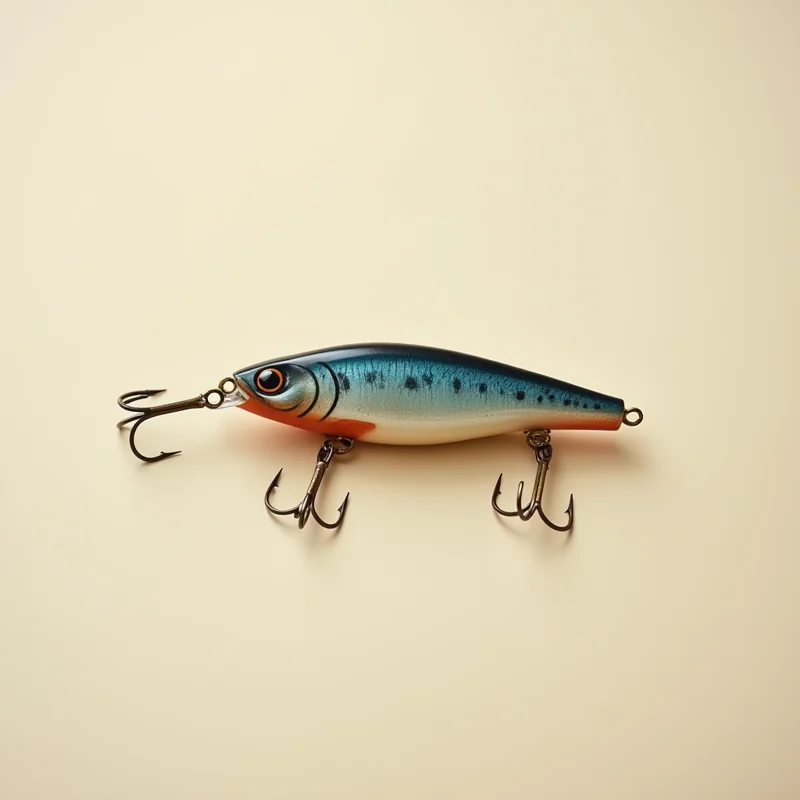
A short buoyant stick bait that stands up off bottom on a light jighead — the highest-percentage smallmouth bait on the lakes.
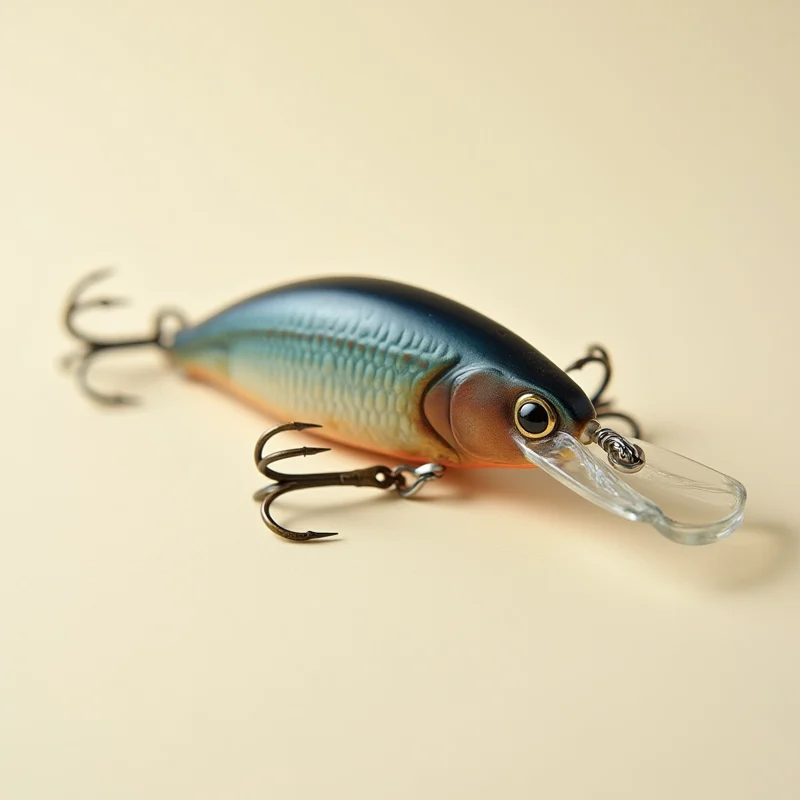
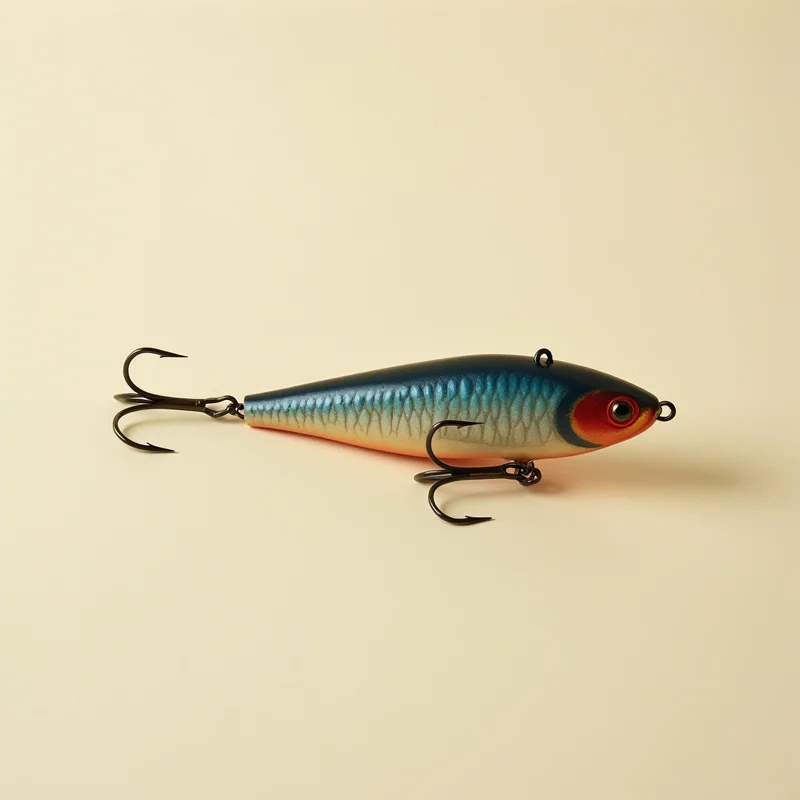
A suspending jerkbait that hangs motionless between twitches — the cold-water bait for walleye, smallmouth and browns.
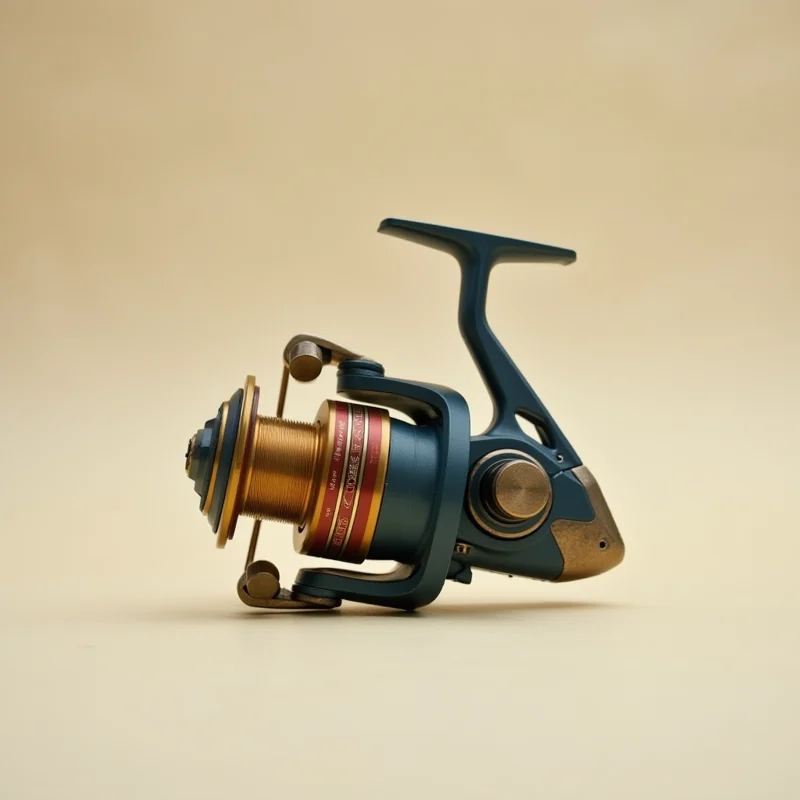
A sealed, cold-forged spinning reel that keeps its smoothness through years of spray, sand and freezing spray.
MEGA side imaging that shows individual rocks and fish out to 125 feet either side — the shallow-water structure tool.
Questions
Same fish, other water
Size limits, bag limits, and open seasons for smallmouth bass on Lake Michigan are set by Michigan DNR, Wisconsin DNR, Illinois DNR and Indiana DNR and change from year to year. Check the current rulebook before you keep a fish.
Sources
Last updated 2026-09-01