Northern Pike
Ambush predator of every weed edge and back bay on the chain. Available to shore anglers, kayakers, and ice fishermen, which makes it the most democratic big fish in the system.
The Island Sea
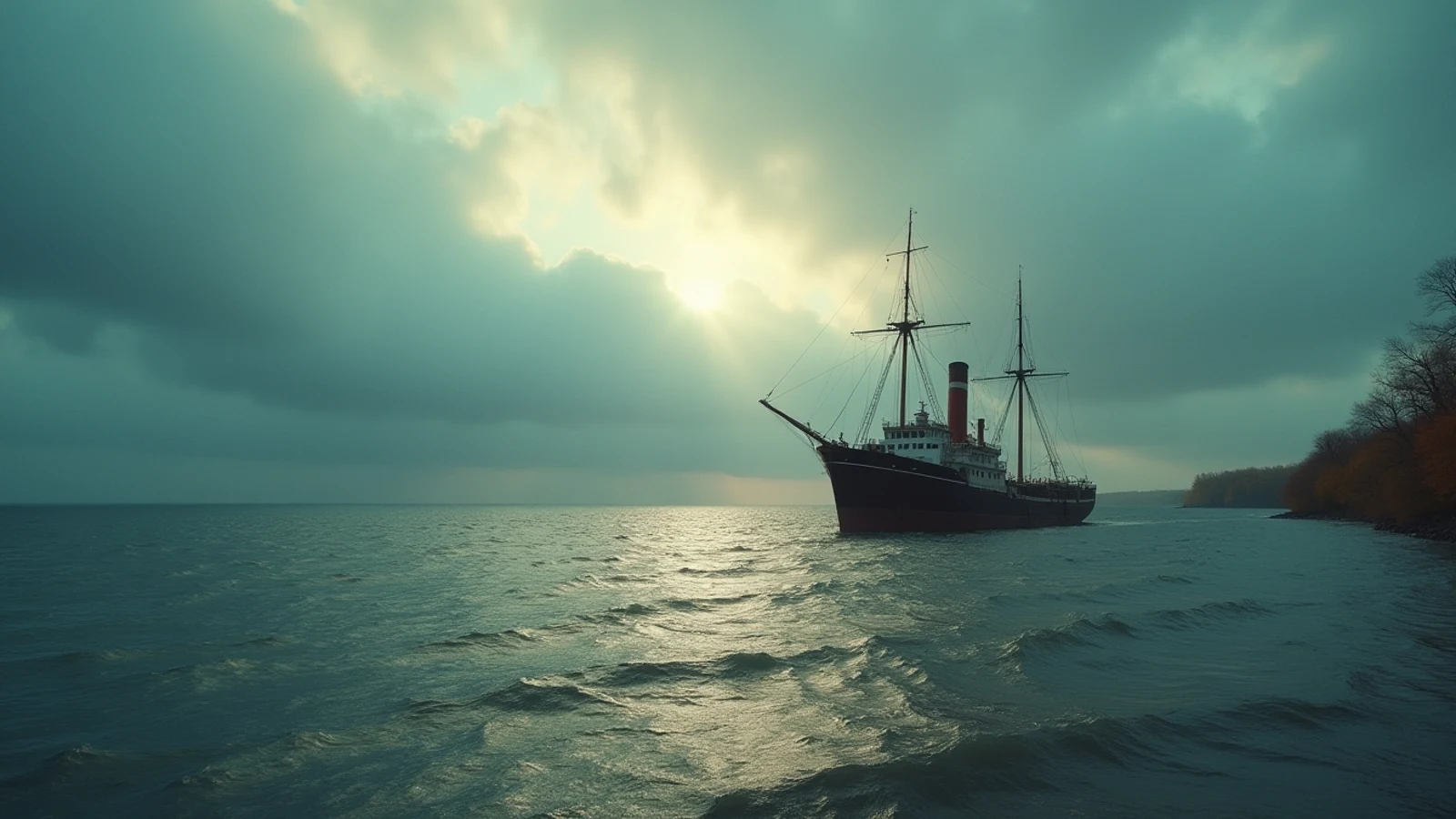
More shoreline than any other Great Lake, most of it quiet. Saginaw Bay grows walleye by the million, the Les Cheneaux islands hide pike and smallmouth, and Thunder Bay holds the best-preserved shipwreck field in the system.
Surface area
23,007sq mi
Max depth
750ft
Average depth
195 ft
Shoreline
3,827mi
Volume
850cu mi
Elevation
577 ft asl
What swims here
Ambush predator of every weed edge and back bay on the chain. Available to shore anglers, kayakers, and ice fishermen, which makes it the most democratic big fish in the system.
A living fossil, protected nearly everywhere on the chain, and a genuine conservation success story in the St. Clair system. Catch-and-release only in most waters — check the state rulebook before you even rig a rod.
The native. Lakers were here before the stocking programs and survived the sea lamprey collapse in Superior when they vanished everywhere else. Deep, cold, slow-growing, long-lived.
The commercial fish that became a sport fish. Whitefish took over the ice-fishing calendar in northern Michigan and Wisconsin once anglers worked out they will chase a jigging spoon in 60 feet of water.
The king. Stocked into the lakes in the 1960s to eat alewives and now the single biggest driver of Great Lakes charter money. Fights deeper and harder than anything else out there.
The shallow-water prize. Browns hold tight to the beach in cold water, which puts genuine 15-pound fish inside 20 feet of water within sight of shore in early spring.
Great Lakes smallmouth are a different animal from the river fish most anglers know: bigger, meaner, and living on open rock and grass where four pounds is an ordinary afternoon.
The people’s fish. Schooling, cooperative, catchable from a pier or a shanty, and the backbone of a Friday fish fry from Sandusky to Sheboygan.
The spring opener. Cohos school tight near the surface in April and May off the southern Lake Michigan ports, which makes them the most beginner-accessible salmon on the chain.
The fish of ten thousand casts, except on Lake St. Clair, where the population density is high enough that the number is a lot closer to a few hundred. The best muskie water on the continent.
The year on Huron
The bay is shallow and it warms weeks ahead of the main lake. Walleye move out of the Saginaw River system and spread across the inner bay in April and May, and you catch them casting and drifting jigs tipped with minnows in 6 to 14 feet before trolling season really starts. Steelhead run the Au Sable, Rifle and other east-side tributaries. On the main lake, brown trout and immature lake trout hold shallow along dark rock while the water is still in the 40s.
June through August the walleye move out into the middle and outer bay and it becomes a crawler-harness and crankbait troll behind bottom bouncers and planer boards in 18 to 35 feet. On the main lake, lake trout settle onto reefs and drop-offs from Alpena north, chinook and steelhead suspend over deep water, and the Les Cheneaux and North Channel weed edges hold pike and smallmouth. Smallmouth on the outer bay rock are excellent and badly underfished.
September and October produce the largest walleye of the year in the outer bay and along the Michigan shoreline as fish feed heavily before winter. Lake trout move onto shallow spawning reefs from Thunder Bay north. Whitefish stage. Wind becomes the limiting factor — the bay is shallow enough that 15 knots ends the day.
When it locks up, the inner bay carries a genuine hardwater town of shanties out of Linwood, Bay City, Quanicassee and Sebewaing, targeting walleye and yellow perch in 6 to 20 feet. Tip-ups with shiners, jigging spoons, and small jigging raps all work. The North Channel and Les Cheneaux bays add pike and whitefish. Ice quality on Saginaw Bay varies enormously with wind and is notorious for pressure cracks and shifting plates.
Huron is really three lakes wearing one name. There is the main basin — deep, cold, rocky, and as serious as Superior on a bad day. There is Saginaw Bay, a broad shallow shelf hanging off the Michigan thumb that behaves like a great prairie walleye lake bolted onto an inland sea. And there is the northern archipelago: the Les Cheneaux Islands, the North Channel, Georgian Bay across the border, a labyrinth of granite and weed that produces pike, smallmouth and quiet.
That variety is the practical argument for the lake. It also has more shoreline than anything else in the system, most of it undeveloped, which is why Huron is the least crowded good fishing on the American side of the chain. On a July Saturday you can run out of Rogers City and see three boats.
Saginaw Bay is the exception in every sense. It is shallow, turbid, fertile, warms early, and grows walleye at a rate the main lake cannot approach. The bay is also where the wind will get you: shallow water and a long fetch make a short, mean chop, and the bay goes from fishable to ugly in an hour.
Saginaw Bay used to be a byword for what industry did to a fishery. The Saginaw River drains one of Michigan’s most heavily farmed and industrialized watersheds, and by the middle of the twentieth century the bay had lost the water clarity, the oxygen and the spawning habitat that walleye need. The native, self-sustaining walleye stock effectively disappeared.
For decades the fishery existed because Michigan put fish in it. Hatchery walleye were planted by the million, they grew fine, and they gave the bay a fishery — but they were not reproducing in numbers that mattered. A stocked fishery is a subscription, not an asset.
What changed was a stack of unglamorous things happening at once. Water quality improved under decades of effluent regulation. Zebra and quagga mussels, whatever else they cost the system, cleared the water column and let light reach the bottom. Alewife — which eat larval walleye — collapsed lake-wide in the early 2000s. And with that predation pressure removed, wild walleye hatches in the Saginaw River system started surviving in numbers nobody had seen in living memory.
By the 2010s the bay’s walleye population was carried by naturally produced fish, and Michigan DNR stopped routine walleye stocking there. Saginaw Bay now supports one of the largest walleye sport harvests in the country off its own reproduction. That is a genuinely rare outcome in fisheries management, and it is worth knowing while you sit on a bucket in February watching a tip-up flag.
The same alewife collapse that helped walleye badly hurt Huron’s chinook fishery. Both things are true. The lake reorganized itself around native species, and the angler who shows up expecting 1990 will be disappointed while the one who shows up for walleye, lake trout and smallmouth will have a very good week.
Bay City, Linwood and Quanicassee are the inner Saginaw Bay bases — shallow launches, short runs, and the heart of the walleye and ice fishery.
Sebewaing and Caseville work the thumb side of the bay and put you closer to the outer-bay rock and the summer trolling water.
Port Austin and Harbor Beach sit at the corner where the bay meets the main lake, with access to both and some of the best underfished smallmouth on the lake.
Alpena is the main-lake hub: lake trout, walleye that have pushed north out of the bay, the Thunder Bay island structure, and the shipwreck sanctuary.
Rogers City and Cheboygan run north-end lake trout and salmon water with easy access to the Straits.
Hessel and Cedarville open the Les Cheneaux Islands — pike, smallmouth, perch, and shelter from any wind that blows.
Decide first whether you are coming for the bay or the big lake, because they are five hours apart in feel and about two hours apart in the truck.
If you want numbers, come for Saginaw Bay walleye between mid-May and late June or plan a February ice trip out of Linwood. If you want solitude and size, run the main lake north of Harbor Beach any month between June and October.
Bring a boat you can beach or a boat you can trust — the bay’s shallow ramps reward a small rig and the main lake does not. Fuel and marina services thin out badly on the northeast shore, so top off when you can rather than when you must.
And take a day off the water for Thunder Bay. Very few fisheries come with a hundred intact shipwrecks under them.
Ports & launch towns
Largest ramps with published lane counts (MI)
All 47 public Lake Huron launches →
All 30 Lake Huron lighthouses →
Shoreline states
Know before you go
Off the water
A 4,300-square-mile protected shipwreck field off Alpena, Michigan, in Lake Huron, with wrecks in water shallow enough to snorkel.
Read next
Two invasive species wrecked the Great Lakes food web, and a Michigan biologist answered with Pacific salmon. The history behind every charter boat here.
A layering system for Great Lakes spring and fall fishing: what each layer does, what cotton costs you, and why the outer shell is a safety decision.
Three ways to get a bait deep on the Great Lakes, what each costs in money and deck space, and an honest order to buy them in.
How Great Lakes steelhead and salmon runs work, what water conditions turn them on, and the river etiquette that keeps a crowded hole fishable.
The best swimming beaches on the Great Lakes, and how rip, structural, and channel currents form, how to spot them, and how to get out.
The Great Lakes hold more lighthouses than any coastline in America. These are the ones worth building a trip around, and what makes each one different.
Kit
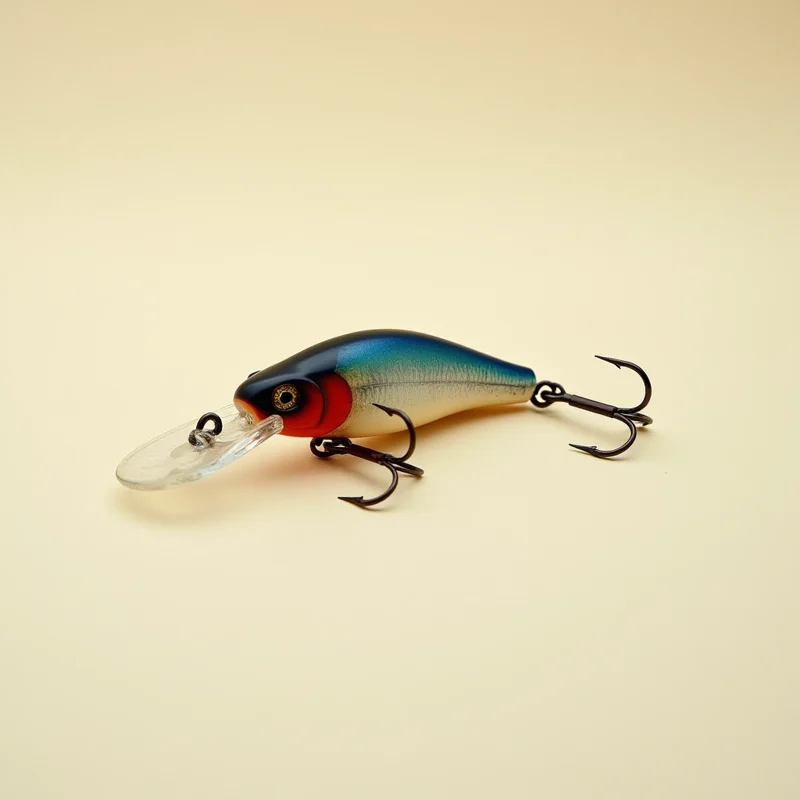
The crankbait Lake Erie walleye trolling runs on — it dives 18 to 22 feet on its own and the dive curves are published.
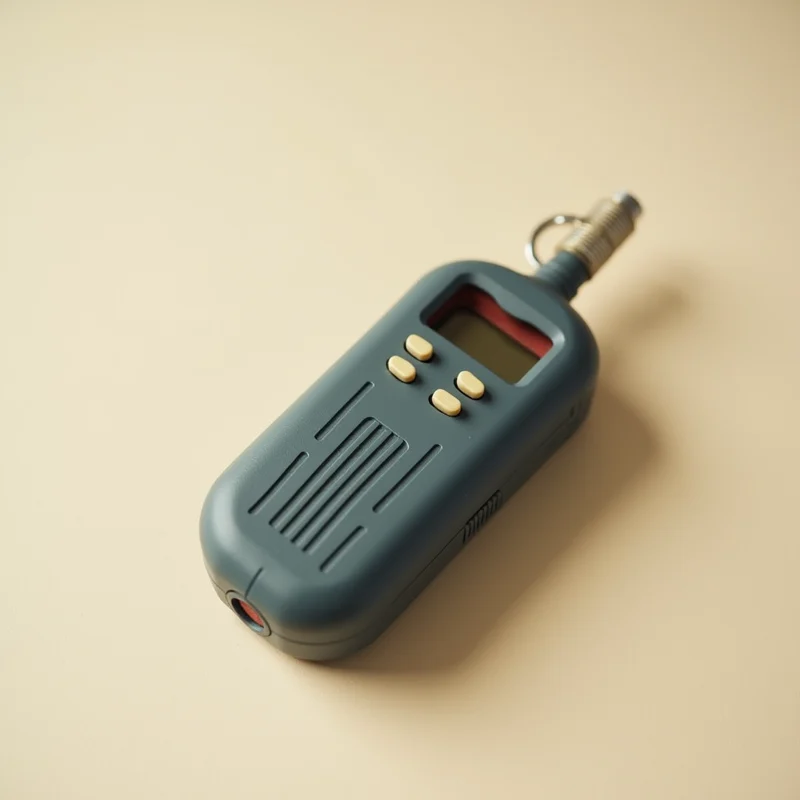
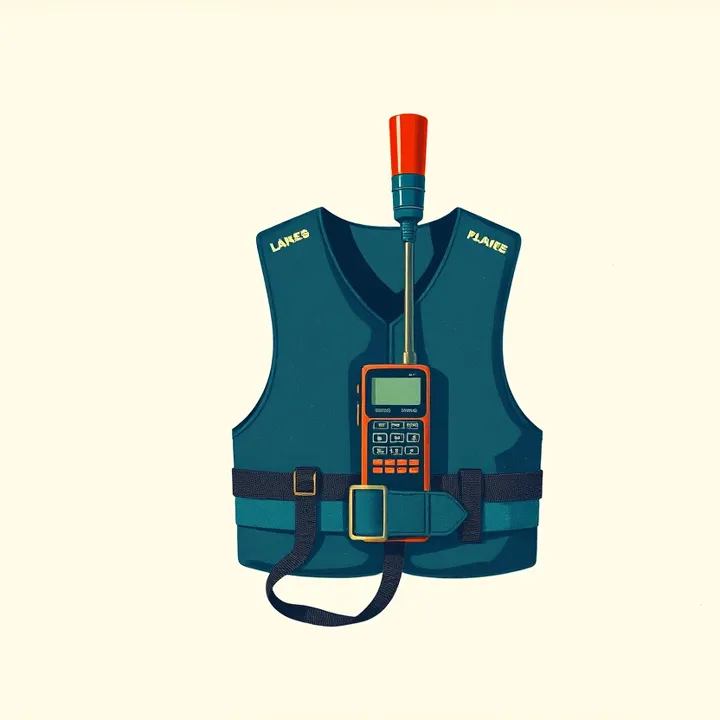
A floating, submersible six-watt handheld that reaches the Coast Guard when a cell phone has no bars, which offshore on Superior and Huron is most of the time.
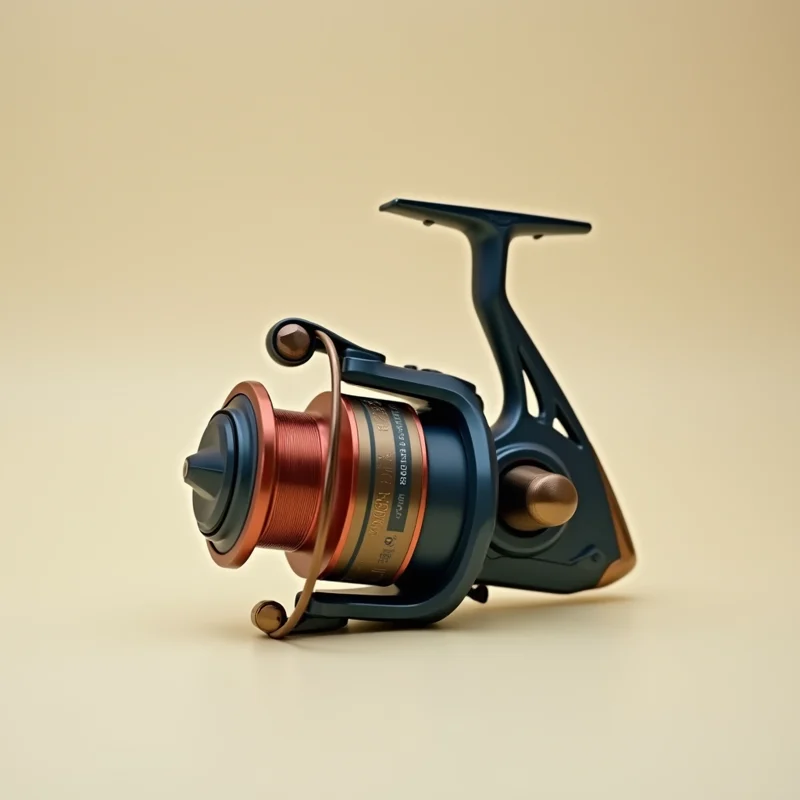
The reel the charter fleet actually runs, with a drag that stays smooth through a 20-pound king's third run.
A satellite personal locator beacon that puts your GPS position in front of search and rescue from anywhere on the lakes, with no subscription and no cell signal.
Common questions