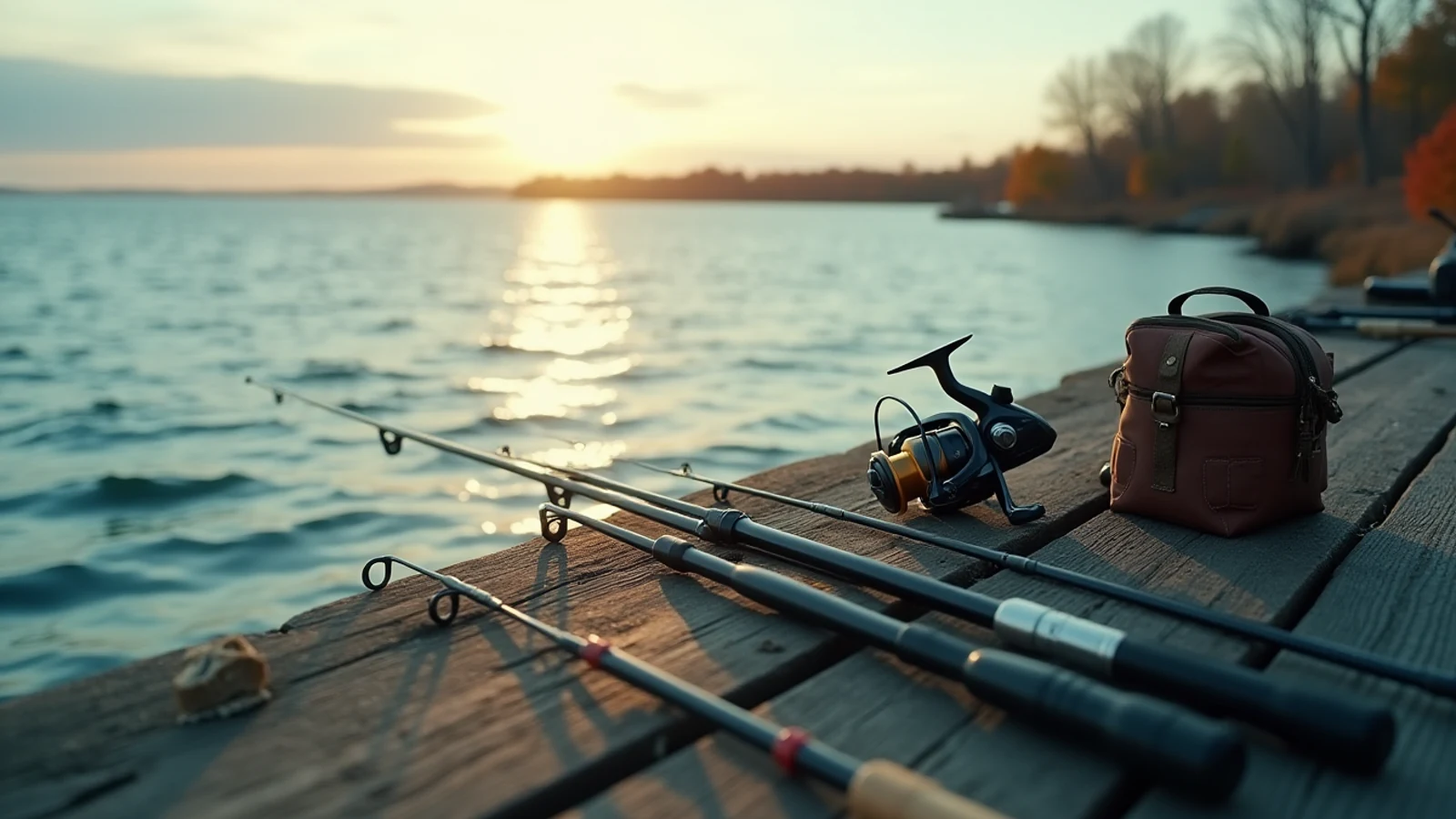
gear · Lake Michigan
Downriggers vs. Divers vs. Lead Core: Which to Buy First
Three ways to get a bait deep on the Great Lakes, what each costs in money and deck space, and an honest order to buy them in.
There are three ways to put a Great Lakes bait 60 feet down, and they are not interchangeable. Each one costs different money, occupies different deck space, and produces a different presentation. Boats that understand the differences buy in the right order and spend a third of what boats that do not spend.
Downriggers: precision, at a price
A downrigger is a winch with a boom that lowers a heavy cannonball on stainless cable. Your fishing line clips to a release at the ball, goes down with it, and pops free when a fish hits. You then fight the fish on a completely unweighted line.
What it does better than anything else:
- Exact depth. You set 62 feet and you are at 62 feet, minus a predictable amount of blowback. Nothing else in trolling is that precise.
- Instant changes. Fish move up six feet, you move up six feet, in fifteen seconds, without reeling anything in.
- A clean fight. No diver dragging sideways, no 300 feet of copper. Just the fish and the rod.
- Multiple baits per ball. Stacker releases put two or three lines on one cable at different depths.
- Probe capability. A cannonball probe reporting temperature and speed at depth is the best information on the boat, and only a downrigger can carry it.
What it costs: money and transom. Electric riggers with counters run into real money each and need power, a mounting plate, rod holders, and cable maintenance. Manual riggers are much cheaper and completely functional, and are what a lot of good Lake Michigan boats still run.
Where it earns it: dedicated salmon and lake trout fishing on Michigan, Ontario, Huron, and Superior, where the fish live in a narrow temperature band 60 to 120 feet down all summer.
Divers: the best value in trolling
A diver is a plastic or metal disc that planes down and out to the side when pulled. Set the trip mechanism, let out line, and the diver takes the bait away from the boat and toward the bottom. When a fish hits, the diver trips and comes in flat.
What it does better:
- Coverage. A diver moves a bait 50, 80, even 100 feet to the side of the boat. Two divers per side cover water no downrigger can reach and get baits away from engine noise.
- Cost. A diver, a stout rod, and a line counter reel is a fraction of a downrigger setup and reaches similar depths.
- Fish attraction. A diver dragging sideways imparts action and, on the strike, gives the fish something to pull against. Hookup rates on divers are excellent.
What it costs: it fights you. A diver pulls hard all day, which is why diver rods are heavy and the fight is less pure. Depth is derived from a chart, not set directly. And divers tangle with everything if you turn too sharply.
Where it earns it: everywhere on the chain, and specifically as the first serious deep-water investment on any boat.
Lead core and copper: depth by weight of line
Lead core is braided sheath over a lead wire, sold in 10-yard colors so you can count depth by color. Copper is solid wire, heavier, and sinks harder.
Rough numbers: classic lead core sinks about five feet per color at 2.0 mph, so ten colors gets you near 50 feet with a long haul behind the boat. Forty-five-pound copper runs roughly 22 feet down per 100 feet out.
What they do better:
- Stealth. Everything is 200 to 400 feet behind the boat, far from any disturbance, which is why copper is deadly on pressured fish and on bright flat days.
- Long, sweeping presentations. Lead core through the top 25 feet is a proven walleye technique on Erie and Michigan and a proven early-season salmon technique everywhere.
- No hardware. No transom holes, no power draw, no cable.
What they cost: deck management and reeling. Three hundred feet of copper is a long crank on every fish and every check, it demands a big reel, and it takes over your boat when you have three of them out. Depth also changes on every turn.
Where it earns it: boats without downriggers reaching 30 to 50 feet, boats fishing spooky surface-oriented fish, and anyone running big spreads who wants the outside rods far from the wake.
The order to buy them in
If you fish Erie walleye: you may need none of this. Bottom bouncers, inline weights, and crankbaits on planer boards cover Erie’s 20 to 45 feet. Add a few colors of lead core when fish suspend in July.
If you are starting on salmon: buy divers first. Two diver rods with line counter reels reach 40 to 70 feet, cost the least, and teach you more about depth and speed than anything else you can buy. Learn to calibrate them against your own line.
Second purchase: copper or lead core for the top of the column and the far outside of the spread. Cheap, effective, and no installation.
Third purchase: downriggers, once you are fishing enough days that precision is worth the money. Buy two, not four. Manual riggers are a legitimate choice and cost a quarter of electric.
Fourth, and the one people skip: a downrigger temperature and speed probe. On a boat already running riggers, this changes more days than a fourth rigger ever will.
Rods matter more than people admit
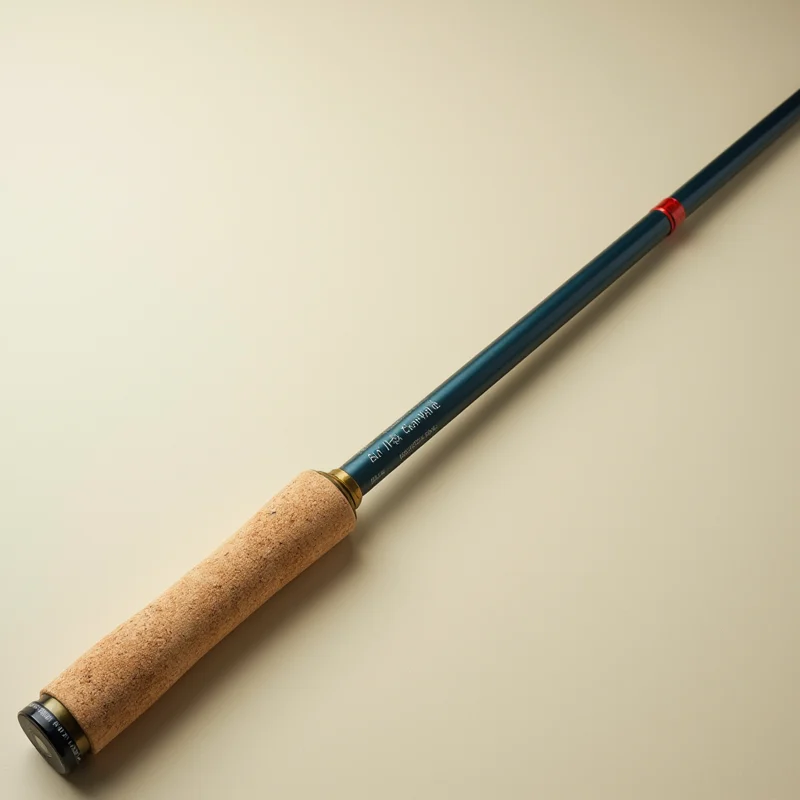
None of these systems work on the wrong rod. Downrigger rods are long and soft-tipped so they load into a deep bend at the release and cushion a king’s surge against a mono line. Diver rods are short, stiff, and built to pull a diver all day without fatiguing. Copper and lead core rods are long and heavy with big guides to handle the line’s bulk.
Using a stiff diver rod on a downrigger is the single most common rigging mistake on the Great Lakes, and it costs fish — a stiff rod pops the release early and rips hooks out at the boat. Match the rod to the job before you add another way to get deep.
Mentioned above
Gear from this guide
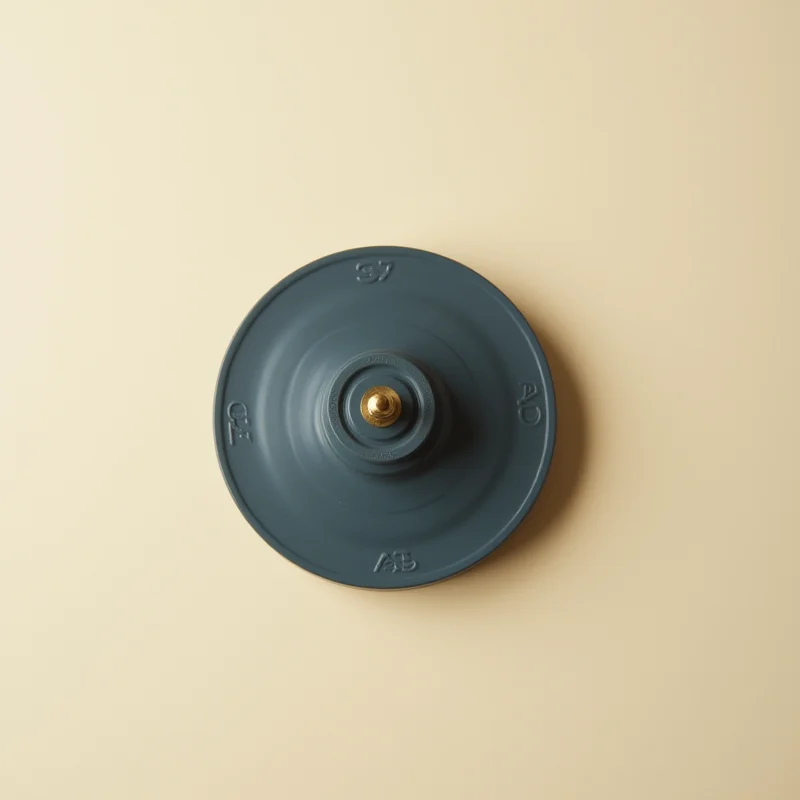
Optimum Electric Downrigger
4.4(190)4.4 out of 5 stars, 190 reviews, on Amazon at the time this was writtenA programmable electric downrigger that cycles baits, tracks bottom, and takes the guesswork out of fishing 100 feet down.
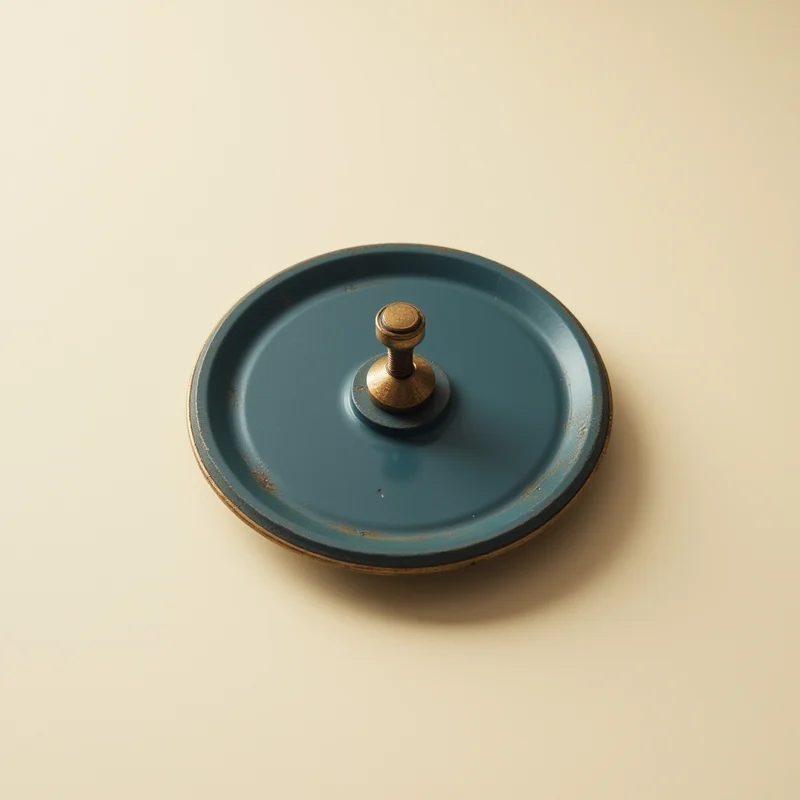
1106 Depthpower Downrigger
4.6(340)4.6 out of 5 stars, 340 reviews, on Amazon at the time this was writtenA simple, nearly unbreakable electric downrigger with a 60-inch telescoping boom and no software to fail.
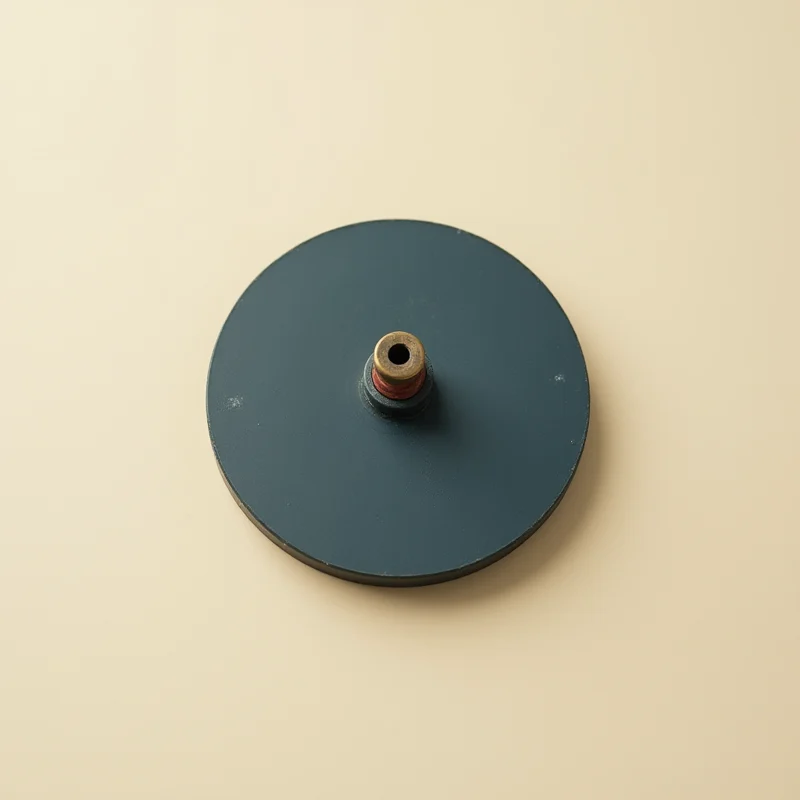
Dipsy Diver
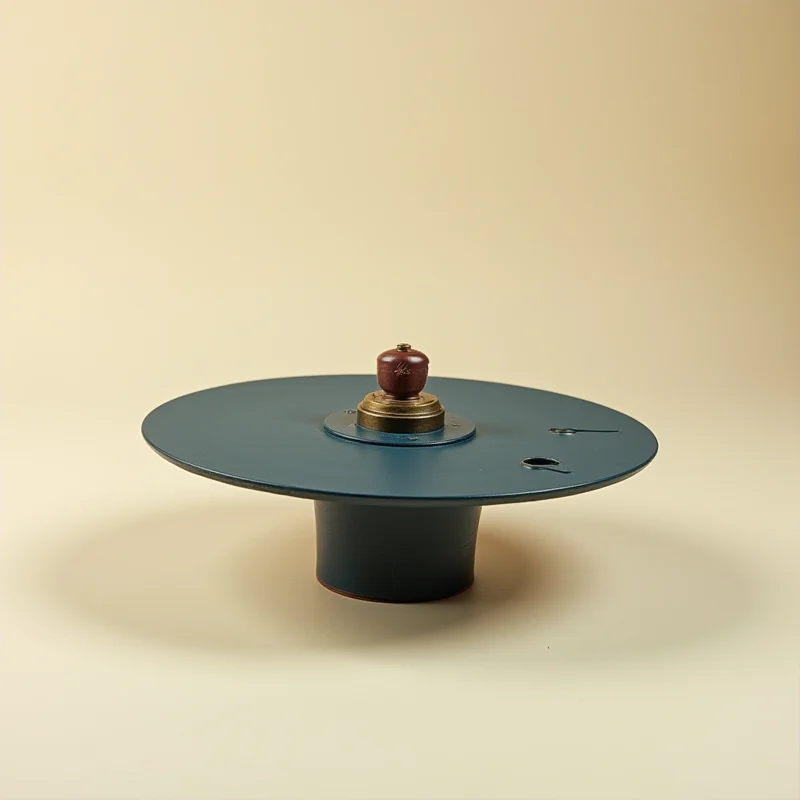
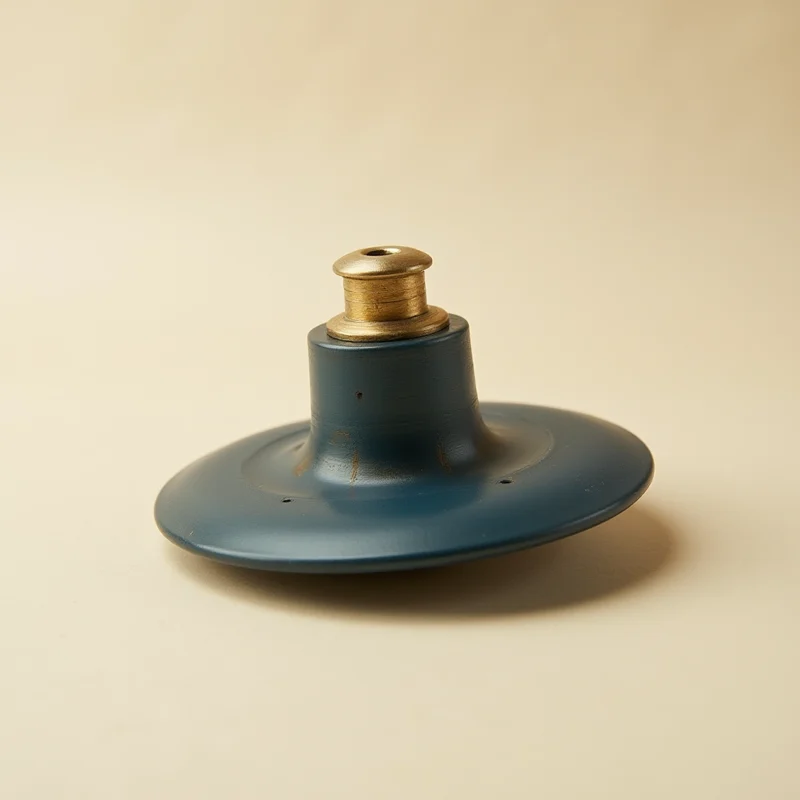
4.6(3,800)4.6 out of 5 stars, 3,800 reviews, on Amazon at the time this was writtenA directional diving disc that takes a bait down and out to the side — the cheapest way to widen a trolling spread.
832 Advanced Lead Core
4.6(1,100)4.6 out of 5 stars, 1,100 reviews, on Amazon at the time this was writtenBraided-jacket lead core that sinks faster and takes up less spool than the old nylon-jacketed stuff.
45 lb Copper Trolling Line
4.5(380)4.5 out of 5 stars, 380 reviews, on Amazon at the time this was writtenSolid copper trolling line that puts a spoon 60 to 100 feet down with no diver, no rigger, and a much better fight.
Classic Pro GLT Trolling Rod
4.5(3,100)4.5 out of 5 stars, 3,100 reviews, on Amazon at the time this was writtenThe rod most Great Lakes charter boats actually have in the holders, at a price that lets you buy six of them.
Questions
- Do I need a downrigger to catch Great Lakes salmon?
- No, but it is the most precise tool for the job. Divers and copper reach the same depths for less money. A downrigger lets you set an exact depth, change it in seconds, and fish a clean unweighted line, which matters most when fish are stacked in a narrow temperature band.
- How many downriggers do I need?
- Two covers most boats and most days. A third and fourth add coverage rather than capability, and boats that run four are usually running charters or fishing tournaments.
- Is lead core or copper better?
- Copper sinks deeper per foot and more consistently, and it is the better choice for getting past 40 feet on a long line. Lead core is cheaper, easier to handle, and fine for the top 30 feet, which covers most walleye and early-season salmon work.
- What is the cheapest way to get a bait to 50 feet?
- A diver on a rod you already own. A single diver and a suitable rod and reel puts a bait at 50 feet for a small fraction of a downrigger's cost, and it moves the bait out to the side of the boat at the same time.
Read next
Cold-Water Layering: Staying Functional at 38 Degrees in an Open Boat
A layering system for Great Lakes spring and fall fishing: what each layer does, what cotton costs you, and why the outer shell is a safety decision.
Line Counter Reels Explained, and How to Keep Them Honest
What a line counter actually measures, why it drifts as the spool empties, how to calibrate one, and which reel size fits Great Lakes trolling jobs.