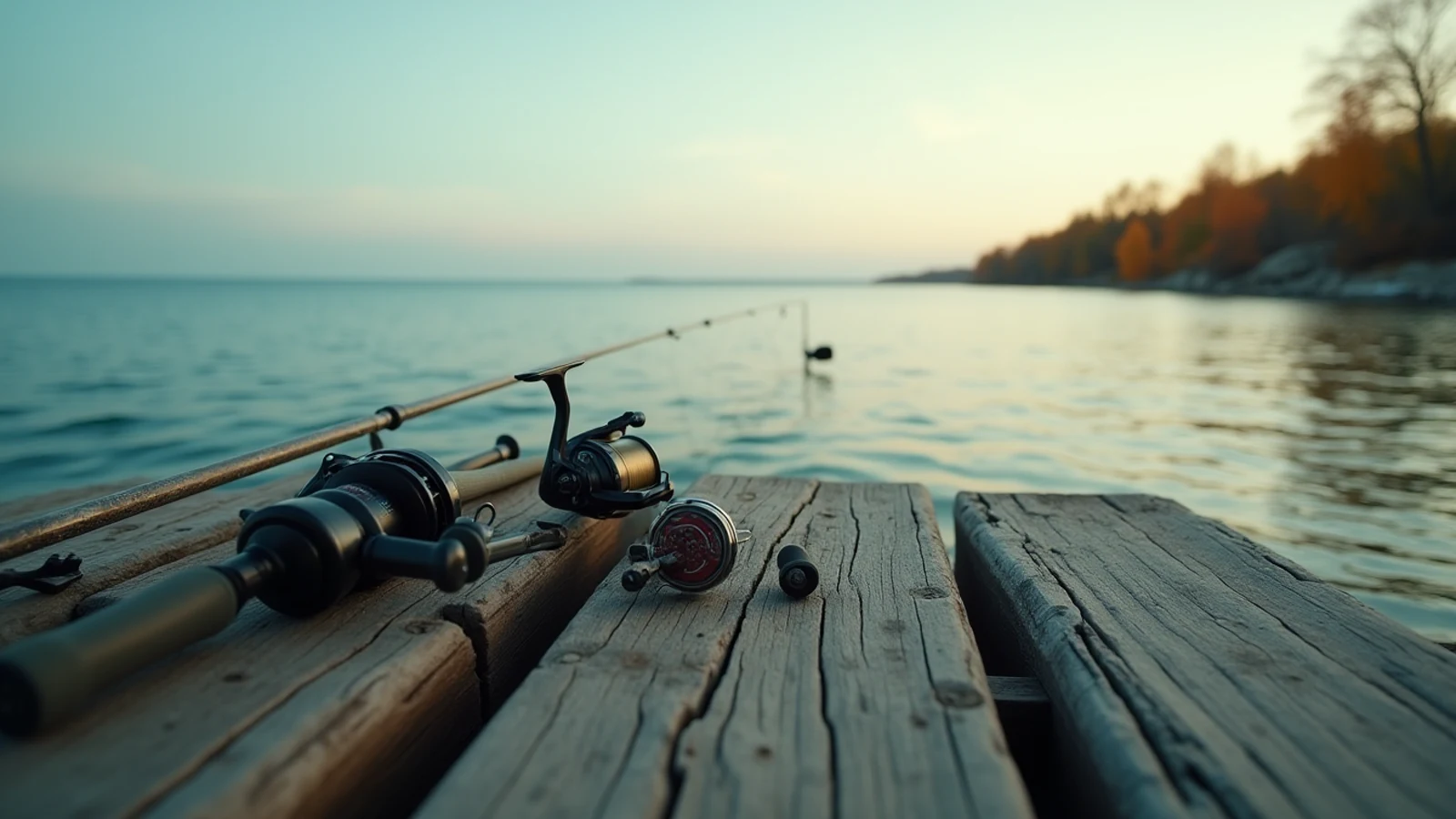
gear · Lake Erie
Line Counter Reels Explained, and How to Keep Them Honest
What a line counter actually measures, why it drifts as the spool empties, how to calibrate one, and which reel size fits Great Lakes trolling jobs.
A line counter is not a measuring device. It is a memory device. Once you accept that, everything about how to use one gets simpler.
What it actually measures
Inside the reel, a gear rides off the spool shaft and drives a mechanical or digital counter. The counter increments per spool revolution and multiplies by an assumed amount of line paid out per turn.
That assumption is where the error lives. A full spool has a large diameter, so one revolution pays out a lot of line. As the spool empties, the diameter shrinks and each revolution pays out less — but the counter keeps counting the same. A reel that is dead accurate at 50 feet will typically read 10 to 15 percent long at 250 feet on the same spool.
Line diameter compounds it. Thirty-pound braid is thinner than 20-pound mono, so more of it packs on the spool per layer, and the same counter reading means a different amount of line.
None of this is a defect. What you need from a trolling reel is the ability to say “the rod that fired was at 145” and then set three more rods to exactly the same place. A counter does that perfectly, whether or not 145 is really 145 feet.
Calibrating one, once
Fifteen minutes in a parking lot or on a dock is enough:
- Measure and mark a known distance — 100 feet is plenty, done with a tape.
- Zero the counter with the lure at the rod tip.
- Walk the lure out to your mark.
- Read the counter.
If it reads 112, your correction factor at that spool level is about 1.12, and you know that a dive chart calling for 100 feet of line means setting your counter to about 112. Do this again at 200 feet if you fish deep — the error is not linear.
Do it for each line type you run. Write the numbers on masking tape inside the rod locker.
Then keep the fleet consistent: spool all the rods in a group at the same time, with the same line, filled to the same level, roughly an eighth inch below the spool lip. Reels filled by different people on different days will never agree with each other.
Matching the reel to the job
Downrigger rods. Line counter matters least here, because depth is set by the cannonball. What you want is a smooth drag that lets a king run without popping the rod out of the holder, and a reel that free-spools cleanly when you set the release. A round-frame line counter in a 20- to 30-size class with 300 yards of 20- to 30-pound mono is the standard. Mono’s stretch is a feature on a rigger rod: it cushions the surge on a rubber-band release and keeps hooks in soft-mouthed salmon.
Diver rods. This is where the counter earns its keep. Diver depth is a direct function of line out, so a repeatable number is the whole system. Braid in the 30- to 50-pound range gives less water drag, a deeper dive at the same reading, and enough stiffness to trip the diver on a strike. Divers pull hard all day, so buy a reel with real gearing — a stamped, undersized reel will feel fine in the parking lot and grind by August.
Lead core and copper rods. Bulky lines need volume. Ten colors of lead core or 300 feet of 45-pound copper eats a lot of spool, and a bigger frame in the 40- to 50-size class is not optional. These rods spend all day pulling dead weight, so a wide, sturdy reel with a strong retrieve is worth the money.
Erie walleye rods. Smaller and lighter. A compact line counter with 12- to 17-pound mono covers crankbait trolling on planer boards and bottom-bouncer work with harnesses. Precision matters here as much as anywhere: crankbait dive curves are published against exact line diameters, and running 14-pound instead of the 10-pound the chart assumes will put your bait feet shallower than you think.
The features that matter and the ones that do not
Matters:
- Drag quality and consistency. Not maximum drag — smoothness at 4 to 8 pounds, held all day.
- Gear ratio. A slower ratio (around 4:1) gives cranking power against a diver. A faster ratio helps clearing rods and picking up slack on a king running at the boat.
- Frame stiffness. Aluminum frames stay in alignment under diver load. Graphite frames flex, and flex means gear wear.
- A counter you can read at 5 a.m. Big numbers, and a backlight if it is digital.
- Corrosion tolerance. Fresh water is kinder than salt, but a reel that lives in a rod holder in spray all season still needs sealed bearings and an annual service.
Does not matter much:
- Bearing count. Six good bearings beat eleven bad ones.
- Max drag ratings past about 20 pounds. You will never fish that, and your rod will not survive it.
- Line capacity beyond your actual longest set plus a margin.
Keeping them honest through a season
Reset to zero at the rod tip, every set. Not at the water, not at the release. Same reference point every time or the numbers are fiction.
Re-spool at least yearly. Mono takes a set, weakens with UV, and the diameter changes as it abrades, which drifts your calibration.
Flip and reuse mono. Strip half a season’s line onto a spare spool and reverse it. The unused half is fresh, and you have spent nothing.
Service the counters. Sand and grit in the counter gearing is the number one failure. Rinse the reel after every trip and get them cleaned and lubricated over the winter.
Log everything. The reason to buy a counter reel is the notebook it enables: date, port, depth, speed, line out, bait, result. Two seasons of that on Erie or Lake Michigan and you will be setting rods to numbers that work before anybody else on the lake has marked a fish.
Keep exploring
More from the field guide
Mentioned above
Gear from this guide
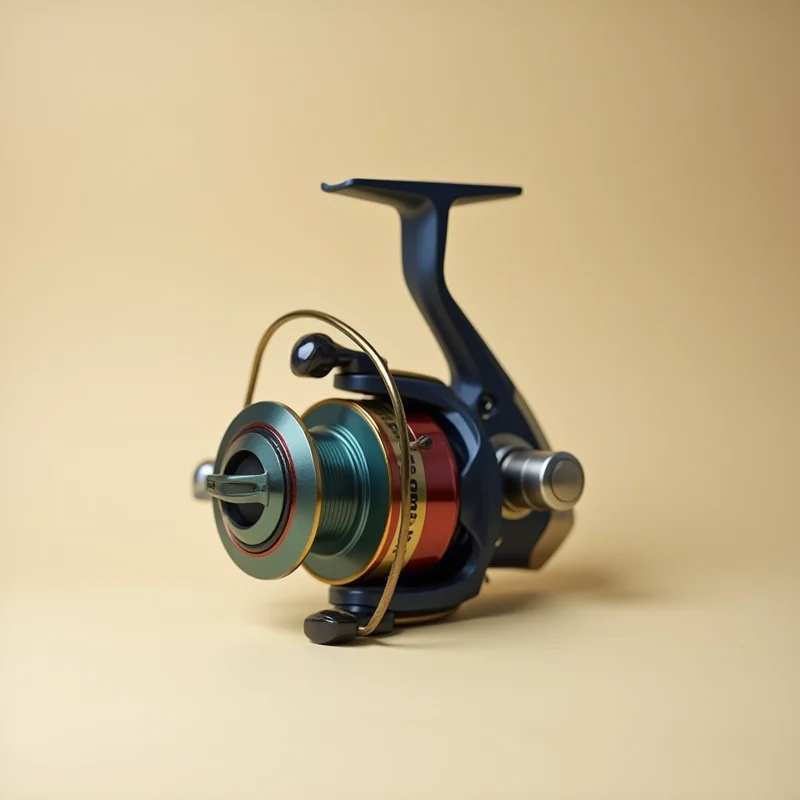
Cold Water Line Counter Reel
4.5(2,100)4.5 out of 5 stars, 2,100 reviews, on Amazon at the time this was writtenThe line counter that put repeatable trolling depths within reach of everyone with a boat and eight rod holders.
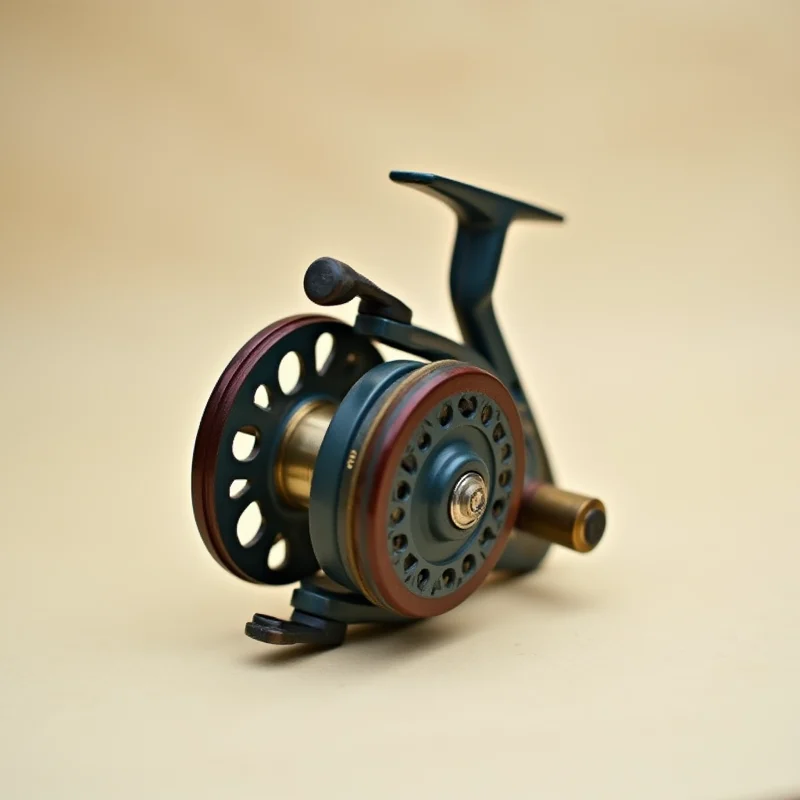
Sealine SG-3B Line Counter
4.5(1,350)4.5 out of 5 stars, 1,350 reviews, on Amazon at the time this was writtenA tougher, better-machined line counter than the budget tier, with a three-ball-bearing drive that stays smooth under a long run.
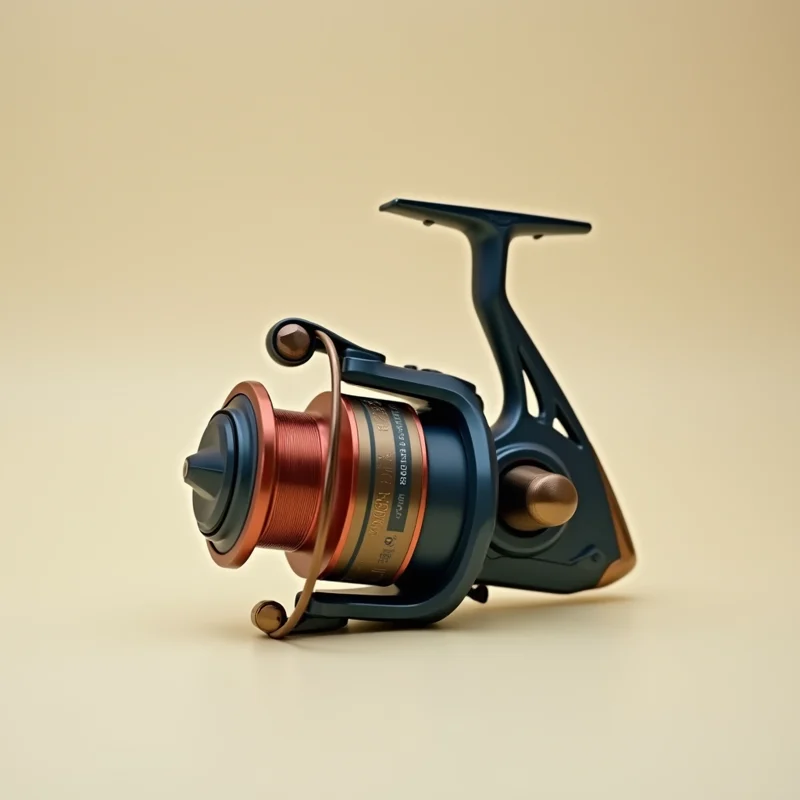
Tekota A Line Counter
4.8(1,600)4.8 out of 5 stars, 1,600 reviews, on Amazon at the time this was writtenThe reel the charter fleet actually runs, with a drag that stays smooth through a 20-pound king's third run.
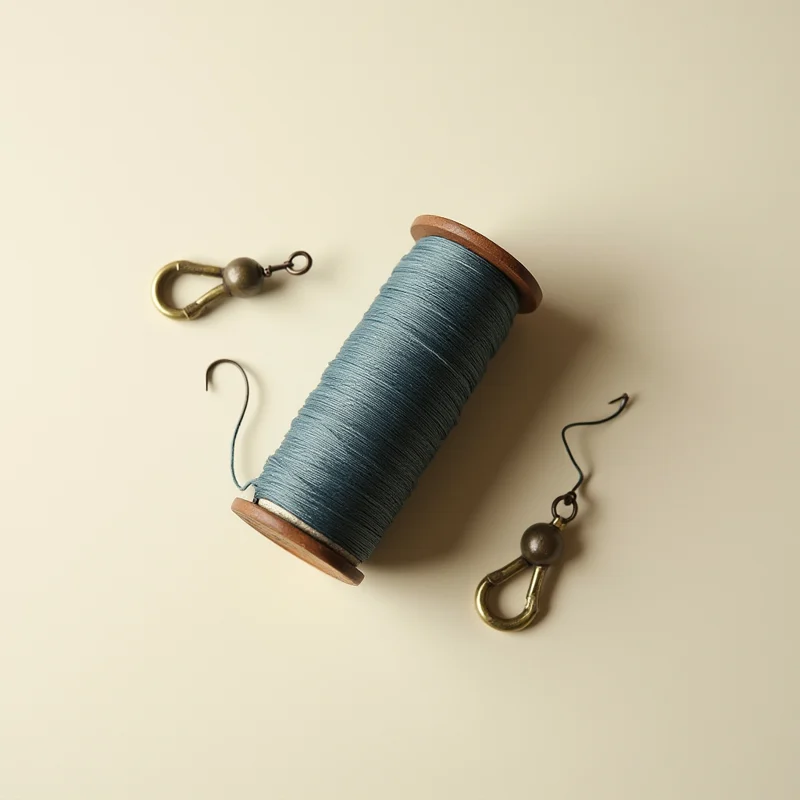
Trilene XT Monofilament
4.5(9,200)4.5 out of 5 stars, 9,200 reviews, on Amazon at the time this was writtenThe line most Great Lakes trolling programs still run, because stretch is a feature when a king salmon hits a rigger rod at 2.5 mph.
832 Advanced Lead Core
4.6(1,100)4.6 out of 5 stars, 1,100 reviews, on Amazon at the time this was writtenBraided-jacket lead core that sinks faster and takes up less spool than the old nylon-jacketed stuff.
45 lb Copper Trolling Line
4.5(380)4.5 out of 5 stars, 380 reviews, on Amazon at the time this was writtenSolid copper trolling line that puts a spoon 60 to 100 feet down with no diver, no rigger, and a much better fight.
Questions
- Are line counter reels accurate?
- They are repeatable, which matters more than accurate. A counter reads spool revolutions, not feet, so it reads long as the spool empties and its numbers change with line diameter. Calibrate once against a measured 100 feet and you will know your correction.
- What size line counter reel do I need for Great Lakes salmon?
- A reel holding roughly 300 yards of 30-pound line covers downrigger and diver work for kings. Copper and lead core setups need a larger frame — those lines are bulky, and a 400-size class reel is the usual answer for 300 feet of copper.
- Should I use mono or braid on a line counter?
- Mono for downrigger rods, where stretch cushions a king and a soft rod at a release. Braid for divers, where you want less drag, deeper dive at the same counter reading, and enough backbone to trip the diver on a strike.
- Why do my two line counter reels read differently?
- Different spool fill levels, different line diameters, or different amounts of line already used. Spool matched rods at the same time with the same line to the same level, and re-spool them together.
Read next
Cold-Water Layering: Staying Functional at 38 Degrees in an Open Boat
A layering system for Great Lakes spring and fall fishing: what each layer does, what cotton costs you, and why the outer shell is a safety decision.
Downriggers vs. Divers vs. Lead Core: Which to Buy First
Three ways to get a bait deep on the Great Lakes, what each costs in money and deck space, and an honest order to buy them in.