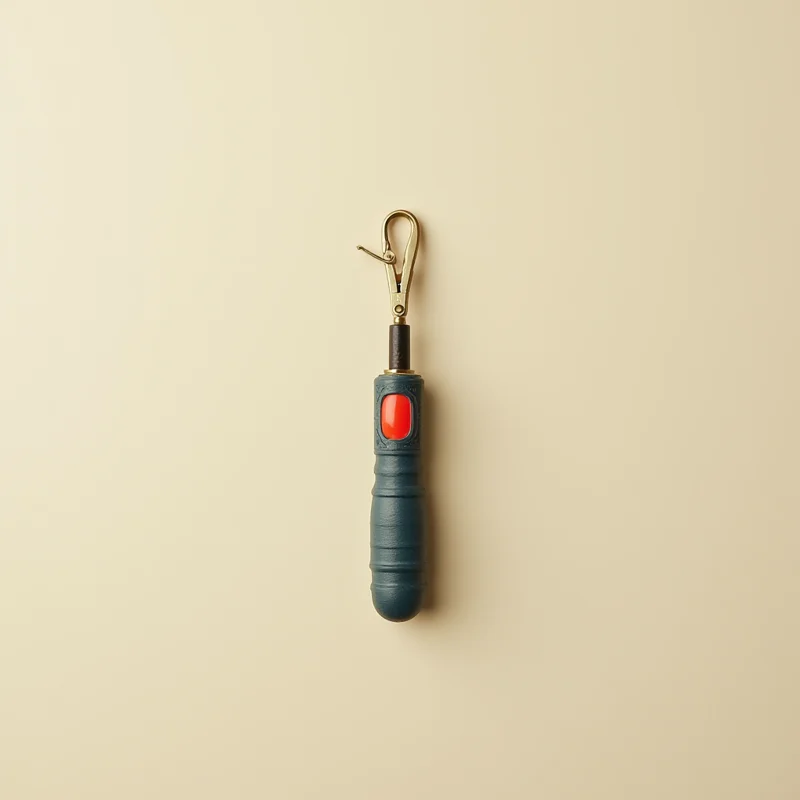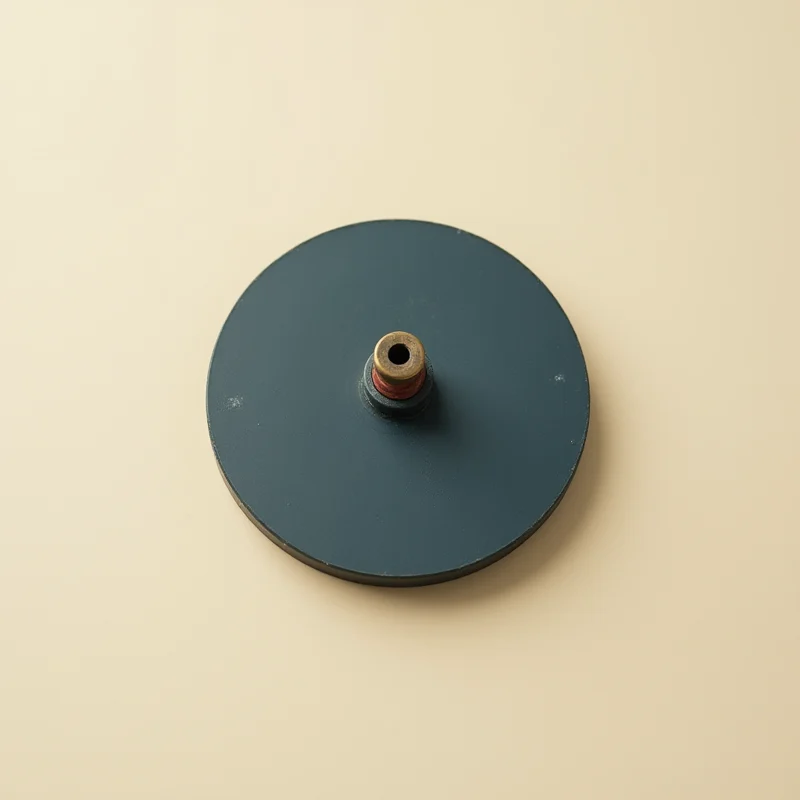
Dipsy Diver
4.6(3,800)4.6 out of 5 stars, 3,800 reviews, on Amazon at the time this was writtenA directional diving disc that takes a bait down and out to the side — the cheapest way to widen a trolling spread.
Salmon · Oncorhynchus tshawytscha
The king. Stocked into the lakes in the 1960s to eat alewives and now the single biggest driver of Great Lakes charter money. Fights deeper and harder than anything else out there.
Where to go
Ranked by how good the fishing actually is, not alphabetically. If a lake is not on this list, it is because the fish is not worth targeting there.
Lake Michigan is still the most reliable king salmon water in the United States, and the stretch from St. Joseph to Frankfort will put a 15-pound fish in the box on an ordinary July morning. You will work deeper and farther offshore than your father did, but the fish are there.
Pound for pound Lake Ontario produces the biggest chinook in the Great Lakes, and a 25-pound fish here is a good day rather than a career fish. The offshore run is shorter than Lake Michigan's and the south-shore ports put you over 400 feet of water within a few miles.
Lake Huron's chinook fishery is a fraction of what it was before the alewife crash of 2003, and anyone promising you a Michigan-style king box is selling something. Wild, naturally reproducing fish still run the northern end from Rogers City to De Tour, and they are lean, fast and worth targeting if you go in with the right expectations.
Lake Superior is the least productive chinook water on the chain and a king here is a bonus fish, not a plan. The Minnesota North Shore and the Apostle Islands produce them most reliably, usually as a by-catch of a coho and lake trout program run in the top 60 feet.
How to catch them
Ordered by how much of the annual catch each one accounts for across the chain. The lake-specific pages above tell you which one to lead with, and when.
Tackle
A directional diving disc that takes a bait down and out to the side — the cheapest way to widen a trolling spread.
A knotless, rubber-coated net that does not strip slime or tangle trebles, in a hoop size that actually fits a Great Lakes fish.
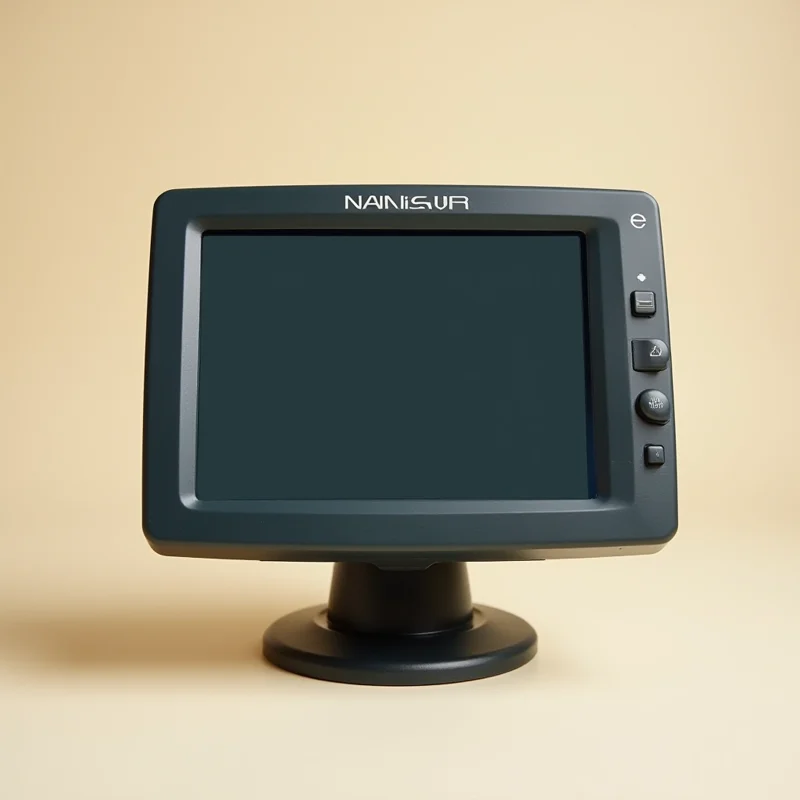
A 9-inch chartplotter-sonar with Navionics charts built in — the single most useful electronics purchase for a Great Lakes boat.
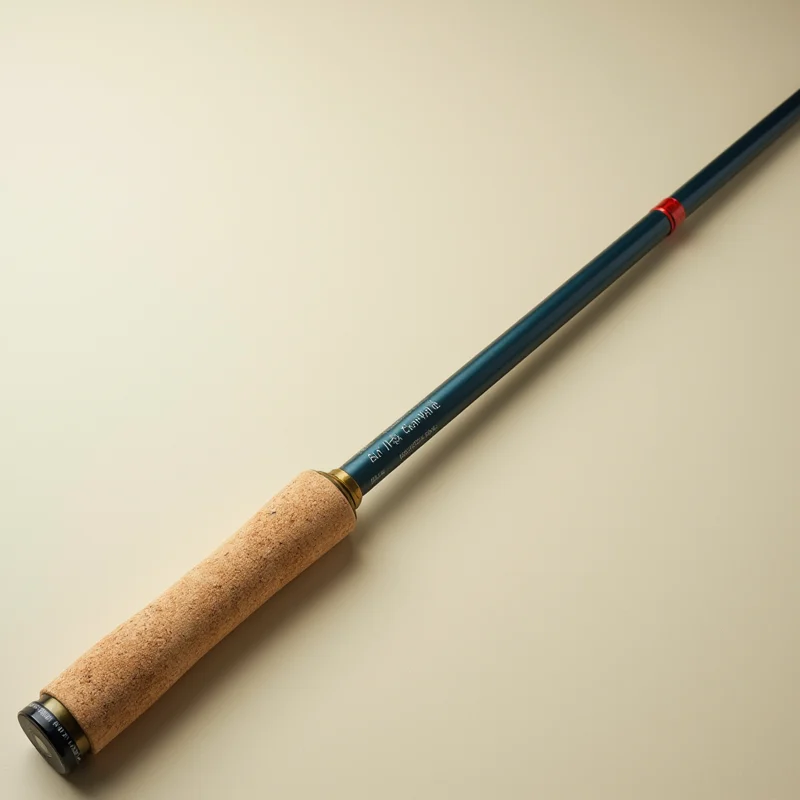
The rod most Great Lakes charter boats actually have in the holders, at a price that lets you buy six of them.
The line counter that put repeatable trolling depths within reach of everyone with a boat and eight rod holders.
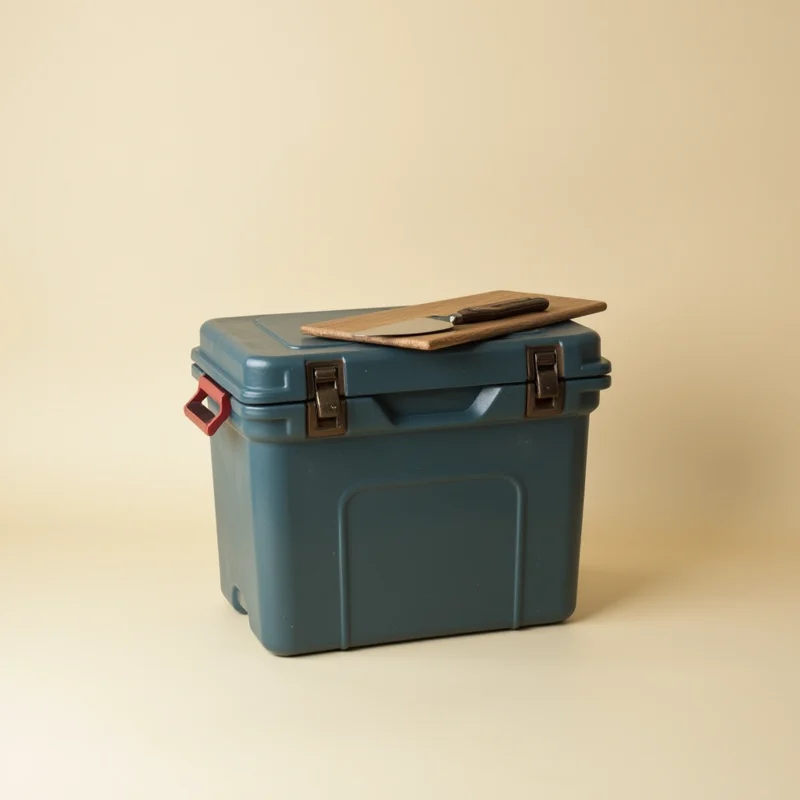
A rotomolded cooler that holds ice through a July weekend and swallows a Lake Michigan king whole, which a standard cooler does neither of.
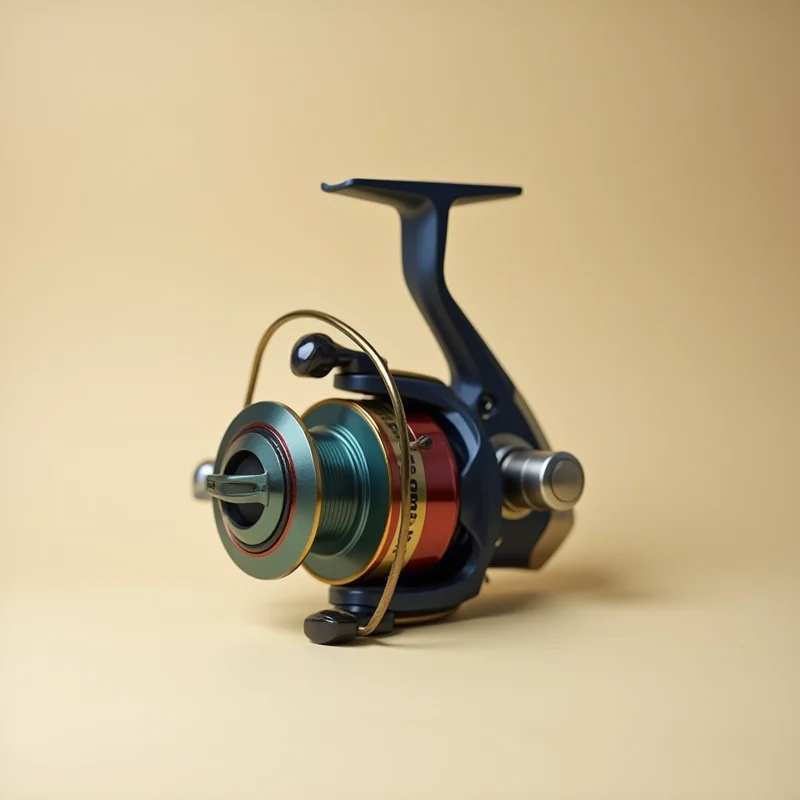
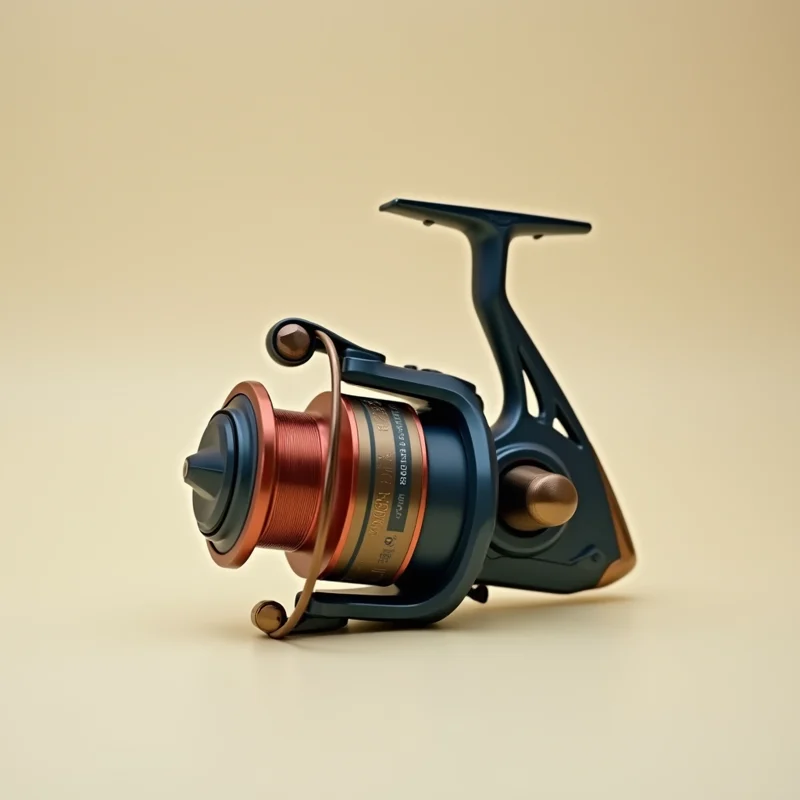
The reel the charter fleet actually runs, with a drag that stays smooth through a 20-pound king's third run.
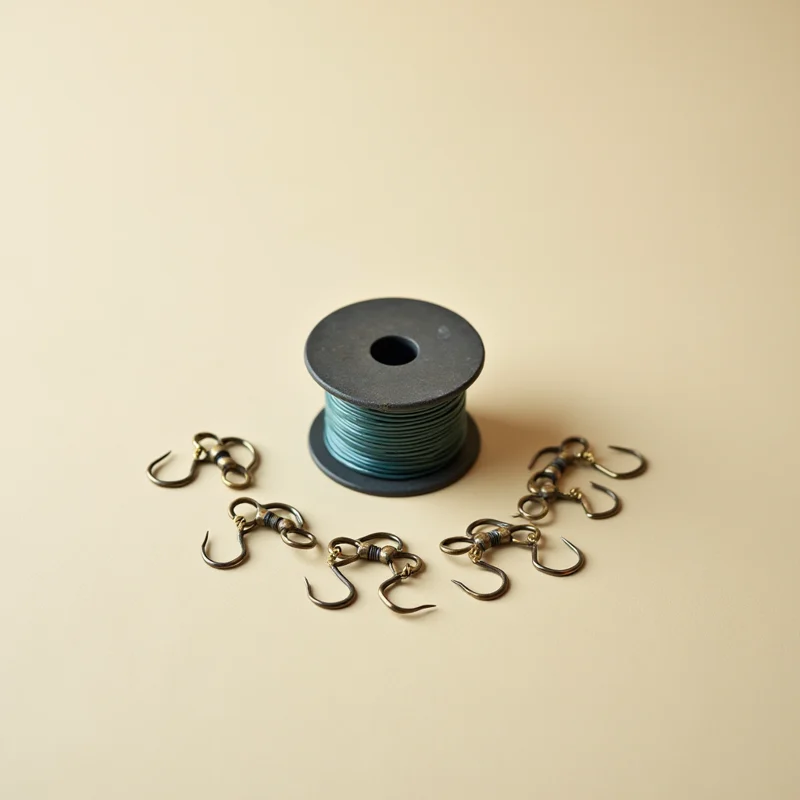
The small part that keeps a spinning spoon or a rolling crawler from twisting your main line into unusable spring, in a size range that covers the whole boat.
Read next
Two invasive species wrecked the Great Lakes food web, and a Michigan biologist answered with Pacific salmon. The history behind every charter boat here.
A layering system for Great Lakes spring and fall fishing: what each layer does, what cotton costs you, and why the outer shell is a safety decision.
Three ways to get a bait deep on the Great Lakes, what each costs in money and deck space, and an honest order to buy them in.
How Great Lakes steelhead and salmon runs work, what water conditions turn them on, and the river etiquette that keeps a crowded hole fishable.
What a line counter actually measures, why it drifts as the spool empties, how to calibrate one, and which reel size fits Great Lakes trolling jobs.
2D CHIRP, down imaging, side imaging, and live sonar compared for Great Lakes work, and which one earns its money on the water you fish.
Seasons, size limits, and daily bags for chinook salmon are set by each state and change year to year. Read the current rulebook for the water you are fishing before you keep a fish — every state agency is linked here.