Oswego and the Oswego Trench
Deep water swings close to the harbor mouth and the trench holds cold water and bait through the hottest weeks. Late August staging fish pile up here ahead of the Oswego and Salmon River runs.
Chinook Salmon · Lake Ontario
Pound for pound Lake Ontario produces the biggest chinook in the Great Lakes, and a 25-pound fish here is a good day rather than a career fish. The offshore run is shorter than Lake Michigan's and the south-shore ports put you over 400 feet of water within a few miles.
Prime time
Mid-June through mid-September, peaking with the staging fish off Oswego and Mexico Bay in late August
Depths
60–140 ft down over 300–600 ft of water
Typical size
10–18 lb
Lake max depth
802 ft
Where
Deep water swings close to the harbor mouth and the trench holds cold water and bait through the hottest weeks. Late August staging fish pile up here ahead of the Oswego and Salmon River runs.
The shallow eastern shelf warms fast, so the kings sit on the outside edge of it. In the last two weeks of August fish stack off the Salmon River mouth at Port Ontario in 60 to 120 feet.
The Niagara County ports fish a steep drop from 120 to 500 feet. Thirty Mile Point is the classic westside milk run, best in June and early July before the fish move east.
Where the Niagara River dumps into the lake, the bar breaks from 20 feet to 200. Kings use it in spring and early summer, and it is the single most consistent piece of structure on the western end.
Fish the 150 to 350 line straight out from the Genesee. Devils Nose east of Rochester holds a temperature edge that concentrates fish in July.
The far eastern end fishes shallower and later. Stony Point and the water off Galloo Island produce through September when the western ports have gone quiet.
How
Lake Ontario is a wire-diver lake. Run a magnum Dipsy on a 3 setting, 250 to 320 feet of 30-pound seven-strand wire, at 2.3 to 2.5 mph. Pair it with a 10-inch flasher and an 18- to 22-inch leader to a fly. Green-glow and blue-white flashers first, atomic and mixed veggie once the sun is up.
Put two riggers in the thermocline — usually 70 to 110 feet down in August — and stack a spoon 15 feet above the ball on a slider. Ontario kings run deeper than Michigan kings on the same date because the lake is deeper and the cold layer sits lower.
Four hundred to 600 feet of 45-pound copper covers 80 to 120 feet down at 2.4 mph and gets a bait outside the boat's cone entirely. It is the highest-percentage way to reach a spooky staging fish in flat, clear late-August water.
From about August 20 onward the fish quit chasing. Drop to 1.8 to 2.1 mph, swap spoons for flasher-fly and cut-bait rigs, and fish the first hour of light in 60 to 120 feet within two miles of the Salmon River or Oswego River mouths.
Lake Ontario is the smallest Great Lake by surface area and the deepest of the lower four. That combination — 7,340 square miles over an average depth of 283 feet — means cold water is never far away and the alewife population that feeds the salmon has held up better here than anywhere else on the chain. New York stocks aggressively and adjusts, and the payoff shows on the scale. A 20-pound king is common in August. Thirty-pound fish come out of the eastern basin most seasons.
The practical consequence for a visiting angler is that you can fish a smaller piece of water and expect a bigger average fish. The tradeoff is depth. Where a Lake Michigan program might have riggers at 70 feet in August, the Ontario boats next to you will be at 100 to 120, and their divers will be 300 feet back.
The season moves. In May and June, brown trout and early kings hold in the western end — the Niagara Bar, Wilson, Olcott — where the Niagara River’s outflow keeps things productive and the drop-off is dramatic. By early July the fleet slides east toward Rochester and the deep water off Devils Nose. By August the whole show has moved to Oswego and Mexico Bay, where the fish are gathering ahead of the Salmon River run.
If you have one weekend, take the third or fourth weekend in August out of Oswego. That is when the largest fish in the lake are concentrated in the smallest area.
Ontario kings sit in 46 to 52 degree water. In midsummer that band is deep and sharp — you can go from 60 degrees to 48 degrees in fifteen feet. A probe on the rigger tells you exactly where; without one you are guessing at the most important variable in the trip.
The reason the wire diver program is dominant here is horizontal coverage at depth. A Dipsy on wire tracks well outside the boat and pulls a big flasher with authority, and Ontario fish in flat late-summer water are boat shy. Run divers wide, copper wider still on boards, and keep riggers as your depth reference rather than your primary weapon.
Henderson Harbor, Stony Point and the water around Galloo Island are shallower and colder than the deep south shore, and they fish well into September after the main body has begun to move into rivers. This is also the friendliest end of the lake for a smaller boat: the islands break the sea and the runs are short.
Lake Michigan has more ports, more water and more fish, but lighter averages and longer offshore runs. Lake Huron’s king fishery is a shadow of what it was after the alewife collapse there. Lake Superior is too cold and too alewife-poor for chinook to grow to Ontario size. Ontario is the trophy end of the chain, and it concentrates that quality into a 712-mile shoreline with a handful of very good harbors.
Ontario runs east-west and builds a nasty following sea in a westerly. The eastern basin off Mexico Bay is shallower and stands the waves up higher and closer together than the deep water you just came from — a comfortable ride out can be an ugly ride home. Water temperature 100 feet down is in the 40s all summer, and the surface can drop into the low 50s on an upwelling. Wear the flotation, carry the VHF, and be honest about your boat.
Where to put in
Dark marks are launches named in this guide. Generalized shoreline, not for navigation.
Kit
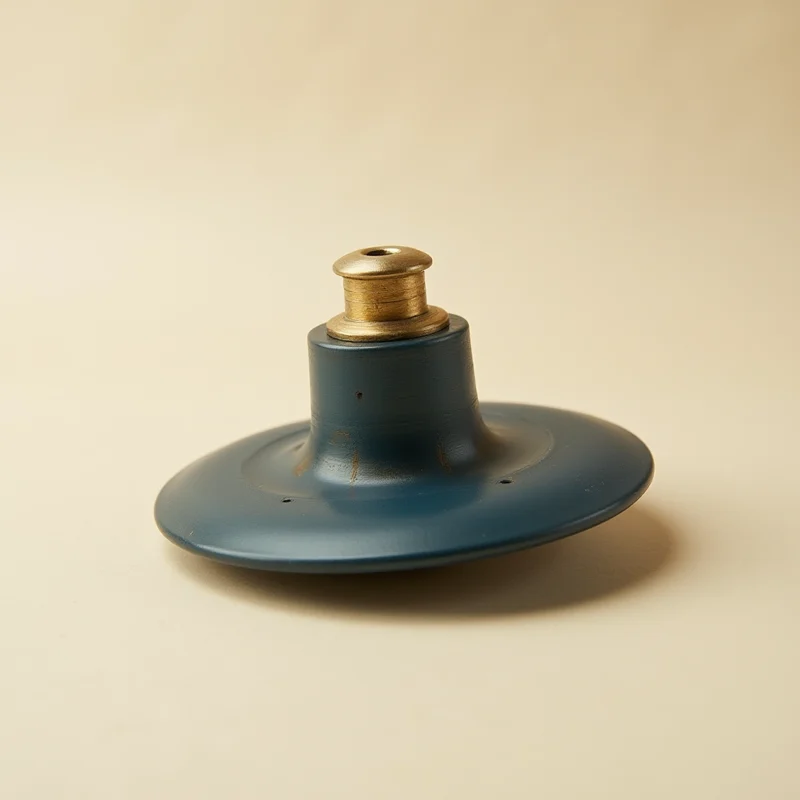
A directional diving disc that takes a bait down and out to the side — the cheapest way to widen a trolling spread.
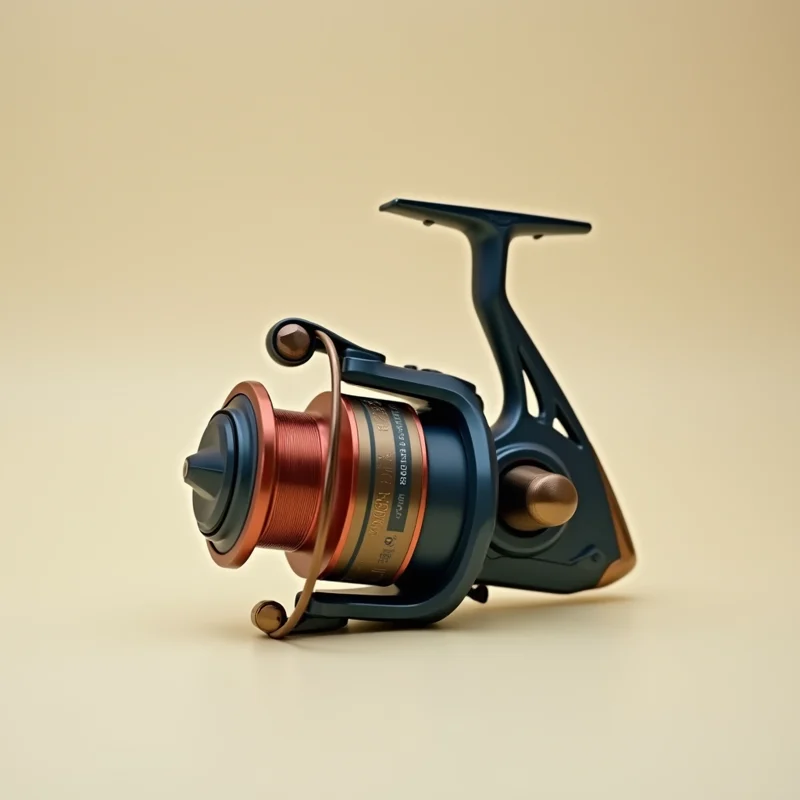
The reel the charter fleet actually runs, with a drag that stays smooth through a 20-pound king's third run.
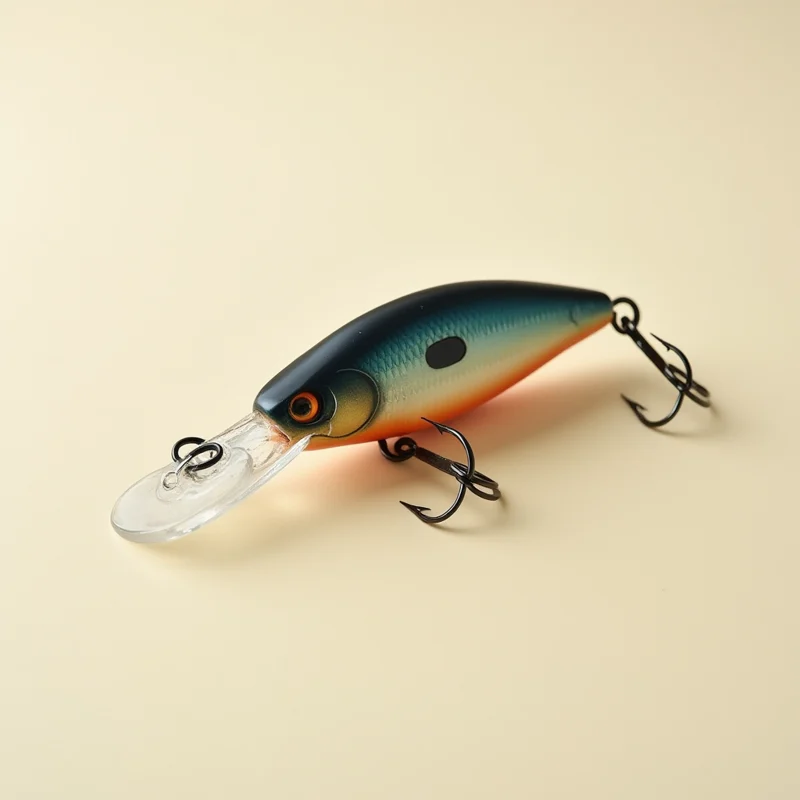
The value flasher — a smaller, lighter rotator that pulls less than an 11-inch chip and still drives a fly hard.
Solid copper trolling line that puts a spoon 60 to 100 feet down with no diver, no rigger, and a much better fight.
A 9-inch chartplotter-sonar with Navionics charts built in — the single most useful electronics purchase for a Great Lakes boat.
Questions
Same fish, other water
Size limits, bag limits, and open seasons for chinook salmon on Lake Ontario are set by NYSDEC and change from year to year. Check the current rulebook before you keep a fish.
Sources
Last updated 2026-09-01