The Niagara Bar
Where the Niagara River pushes warm, stained water onto the lake. The single most famous spring brown trout spot in the Great Lakes, with fish holding on the temperature seam in 10 to 30 feet.
Brown Trout · Lake Ontario
Lake Ontario is the best brown trout water in the Great Lakes and it is not particularly close. Spring browns hold inside 20 feet of water along the south shore and on the Niagara Bar, which means genuine 15-pound trout are catchable from a small boat within sight of the beach.
Prime time
Late March through May, with a second window in October and November near the river mouths
Depths
5–25 ft over 8–40 ft of water in spring
Typical size
4–10 lb
Lake max depth
802 ft
Where
Where the Niagara River pushes warm, stained water onto the lake. The single most famous spring brown trout spot in the Great Lakes, with fish holding on the temperature seam in 10 to 30 feet.
Shallow shoreline with warm creek mouths at Twelve Mile and Eighteen Mile Creek. Boats troll inside 20 feet from late March, often within a quarter mile of the beach.
A point that concentrates the near-shore current and stacks bait. Work the 12 to 30 foot band along it.
Warm river discharge in April pulls browns into the plume. Troll the color line where brown river water meets the clear lake.
Bay outlets warm faster than the lake and hold browns in early spring within a few hundred yards of the channel.
Warm-water discharge and river outflow keep browns near the harbor mouth into late spring, and again in fall.
How
The Lake Ontario spring program. Run 3 to 5 inch minnow baits 60 to 150 feet behind side planers, in 8 to 20 feet of water, at 1.8 to 2.4 mph. Get the boards well outside the boat — browns in shallow clear water will not tolerate a hull over them. Gold, black-silver and clown patterns.
Everything hinges on finding water in the 44 to 52 degree range. In April that is a narrow band close to shore or a river plume. Watch the surface gauge and troll along the color line, not across it. Two degrees of difference concentrates fish for a mile.
When the fish will not come up, put a small spoon 40 feet behind a one-ounce snap weight, then run 40 more feet to a board. That runs about 8 to 12 feet down and keeps a small profile in front of a shallow fish.
From the Wilson, Olcott and Oswego piers, cast a floating minnow bait or a half-ounce spoon at first light in April and again after October rain. Shore anglers take genuine double-digit browns in the harbor mouths every spring.
The reason Lake Ontario brown trout matter is not that they are the biggest fish in the lake — the kings are — but that they are big fish in water a 16-foot boat can reach in April. A 12-pound brown caught in 11 feet of water four hundred yards off Olcott is a different kind of experience than a 20-pound chinook taken 110 feet down eight miles out.
New York stocks browns aggressively and the lake feeds them well. Fish in the teens are ordinary in spring. The state record class of fish comes out of this shallow, near-shore water most years.
Brown trout in spring want 44 to 52 degrees. In April, the open lake is in the high 30s and low 40s. The only water that qualifies is near-shore shallows warmed by sun, and the plumes coming out of rivers, creeks and bay outlets.
That is why the Niagara Bar is famous. The Niagara River delivers a huge volume of comparatively warm, stained water onto a shallow bar, and the seam where it meets the cold clear lake concentrates bait and browns in a predictable line. The same mechanism operates at a smaller scale at Eighteen Mile Creek, the Genesee, the Irondequoit and Sodus outlets, and Oswego harbor.
Carry a surface temperature gauge and use it more than the fish finder. When you find the color line, troll along it.
Brown trout in ten feet of clear water are spooky in a way that deep-water salmon are not. The single biggest mistake anglers make is trolling over the fish. Run side planers 60 to 100 feet outside the boat, with baits another 60 to 150 feet behind the board, and keep the hull’s path clear of the water you are fishing.
Speed sits between 1.8 and 2.4 mph. Stickbaits — 3 to 5 inch minnow profiles in gold, black-silver and clown — cover most conditions. When fish are marking slightly deeper or refusing, a small spoon behind a one-ounce snap weight gets down 8 to 12 feet without changing the profile.
Browns move back toward river mouths in October and November ahead of spawning, and the same shallow-water program works again. Fall fish are darker, meaner and often larger. Pier casting at Olcott, Wilson and Oswego in the last hour of light after an October rain is a legitimate shot at a trophy from shore.
Lake Michigan produces good browns in its harbors and along the Wisconsin shoreline, but nothing at Ontario’s average size. Huron’s browns are scattered. Superior’s are small and localized. Ontario is the destination, and the Niagara Bar in April is the specific place.
The reason comes down to forage and stocking. Ontario still carries a substantial alewife population — the same thing that makes its chinook the heaviest in the system — and New York puts a lot of browns into it.
April on Lake Ontario is a shallow-water game, which is exactly why the weather matters. Eight feet of water gets ugly in a hurry when the wind comes up, and a southwest blow can turn a flat morning into breaking surf on the bar. Water temperature in the low 40s is an immersion hazard. Wear an inflatable, keep the VHF on, and go in when the whitecaps start.
Where to put in
Dark marks are launches named in this guide. Generalized shoreline, not for navigation.
Kit
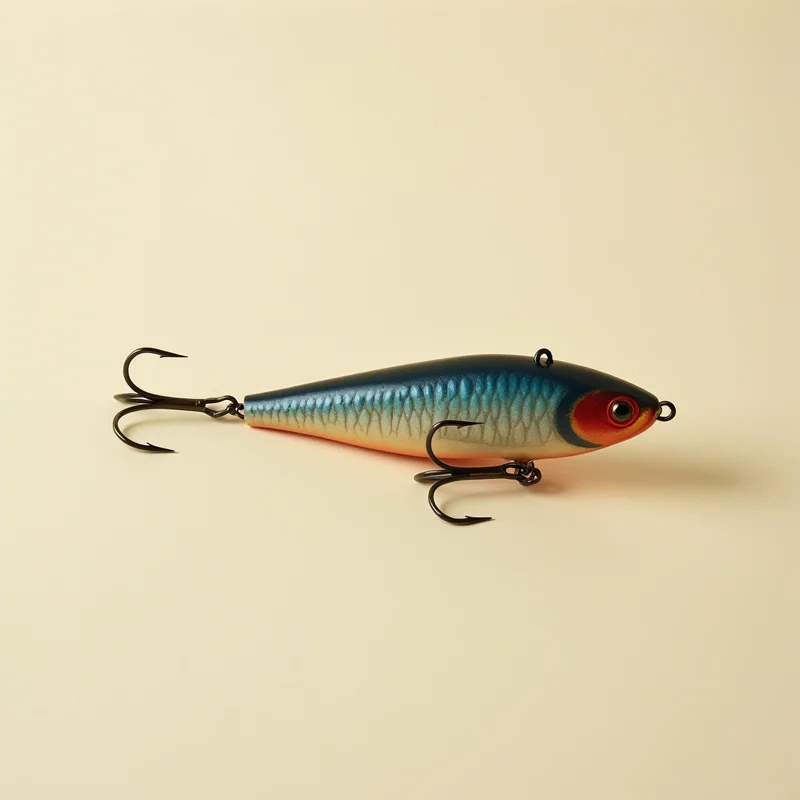
A suspending jerkbait that hangs motionless between twitches — the cold-water bait for walleye, smallmouth and browns.
The other standard in-line board — slightly larger, pulls heavier loads, and handles copper and lead core better than most.
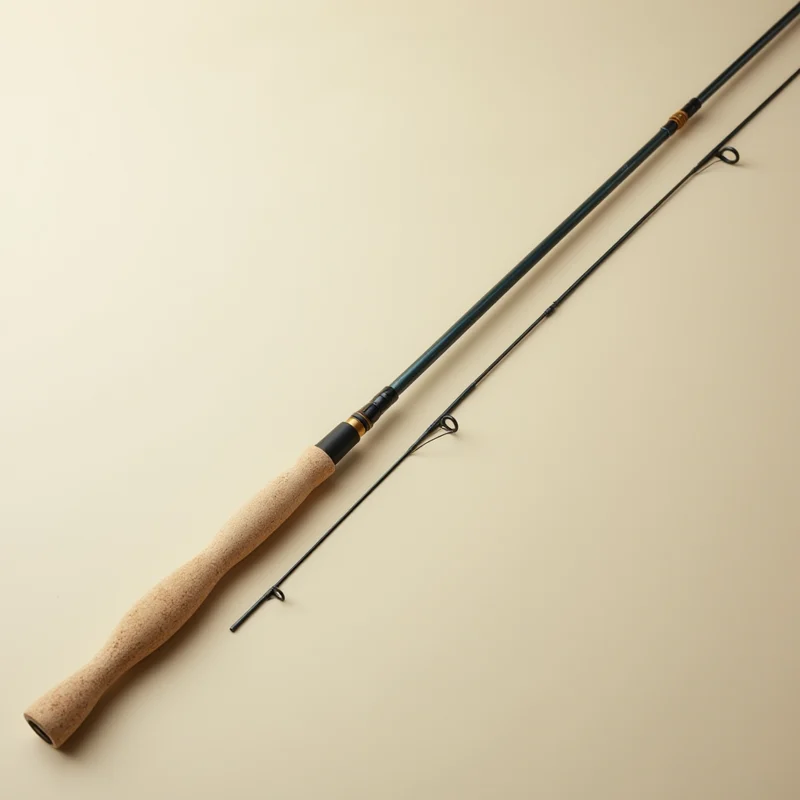
A step up from budget glass — better guides, better reel seat, and enough backbone to run a big Dipsy without folding.
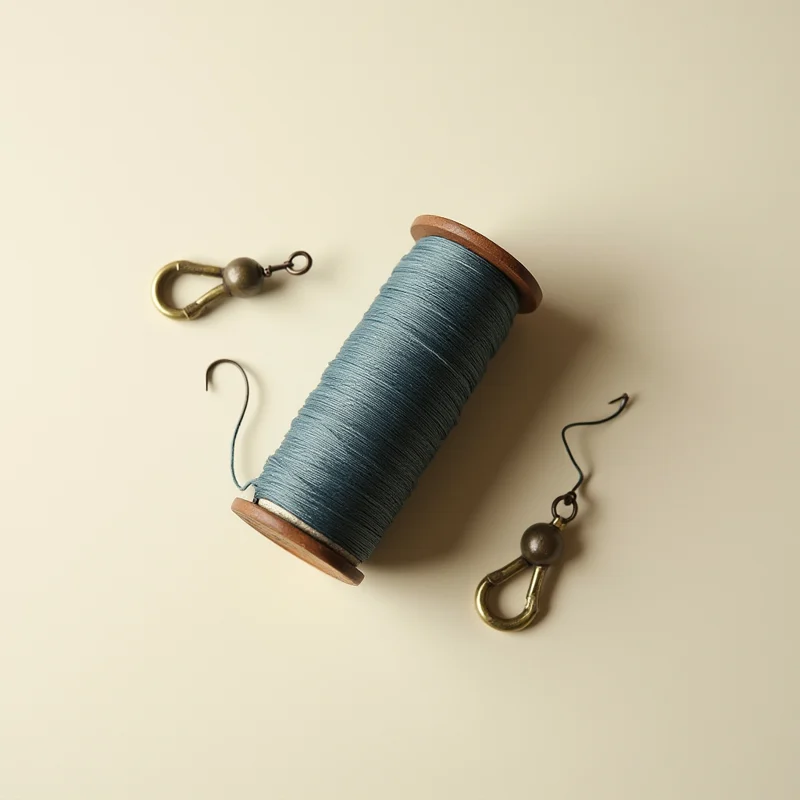
Clip-on weights that go 50 feet up the line, so the bait runs deep and there is no hardware near it.
The line most Great Lakes trolling programs still run, because stretch is a feature when a king salmon hits a rigger rod at 2.5 mph.
Questions
Same fish, other water
Size limits, bag limits, and open seasons for brown trout on Lake Ontario are set by NYSDEC and change from year to year. Check the current rulebook before you keep a fish.
Sources
Last updated 2026-09-01