Walnut Creek, Pennsylvania
One of the Pennsylvania stocking sites, including adult fish, and a heavily fished steelhead creek. The marina at the mouth is also the launch closest to the water where the state record came from.
Brown Trout · Lake Erie
Lake Erie brown trout are a small, stocked side fishery concentrated on the Pennsylvania shore, and most are caught by anglers fishing for something else. Pennsylvania stocks steelhead by the million and browns by the tens of thousands — come for steelhead and treat a brown as a bonus, not a plan.
Prime time
October through April in the tributaries alongside steelhead; April and May nearshore; July and August deep
Depths
2–8 ft in the creeks; 5–20 ft nearshore in spring; spoons 50–60 ft down over 70–80 ft of water in midsummer
Typical size
4–10 lb
Lake max depth
210 ft
Where
One of the Pennsylvania stocking sites, including adult fish, and a heavily fished steelhead creek. The marina at the mouth is also the launch closest to the water where the state record came from.
Small creeks east of the city of Erie that receive yearling browns from the Fish and Boat Commission. Fish them the same way you fish them for steelhead, after rain.
Stocked directly with browns. The bay, its piers and the lake shore outside the peninsula are the first water to warm in spring and draw fish in close.
An offshore area east of Walnut Creek and west of Presque Isle. The Pennsylvania record brown, 20 pounds 9 ounces, came from 74 feet of water here in August 2020, on a spoon 56 feet down.
How
October through April, the same program as steelhead: spawn sac, bead or small jig 12 to 24 inches under a float, 4 to 6 pound fluorocarbon leader in clear water. Browns tend to hold in the slower water and under cover rather than the middle of the run.
April and May, when the shallows warm first. Small spoons and shallow stickbaits off planer boards 5 to 20 feet down, 2.0 to 2.8 mph, along the shore near the creek mouths and outside Presque Isle. Steelhead hit the same spread.
July and August, small spoons on riggers set 50 to 60 feet down over 70 to 80 feet of water, in the cold band above bottom rather than on it. This is incidental fishing on Erie — run it as part of a steelhead or walleye program.
Late fall and early spring around Presque Isle and the creek mouths. A 1/4 to 1/2 oz spoon on light line, fanned out and worked slow in cold water.
In 2021 Pennsylvania stocked 1,091,197 steelhead into its Lake Erie waters. The same year, the whole lake received 46,607 brown trout, all of them in Pennsylvania.
That is the brown trout fishery on Lake Erie: real, deliberate, and a small fraction of the trout in the creeks. The fish turn up on float rods in November and on trolling spoons in August, usually in the hands of someone fishing for steelhead or walleye.
If brown trout are the reason for your trip, Lake Ontario is the place. If you are already coming to Erie for steelhead, this page is about the extra fish.
The Pennsylvania Fish and Boat Commission began stocking brown trout into its Lake Erie tributaries in 2009. The original eggs came from New York’s DEC, and the fish are spawned at the Linesville State Fish Hatchery in Crawford County. The stated aim was to add diversity to the fall tributary fishery, build a nearshore spring fishery, and add to the offshore summer boat catch.
The stocking points are the creeks and the bay. In spring 2024 the Commission put yearlings into Seven Mile Creek, Twelve Mile Creek and Presque Isle Bay, and adult fish into Walnut Creek. Sites and numbers vary year to year.
New York has stocked browns at Barcelona Harbor in past years, but the current program is Pennsylvania’s.
From October through April, browns run the same short shale creeks the steelhead do. You fish them the same way: a 10- to 13-foot rod, a float, a spawn sac or a bead drifting 12 to 24 inches off bottom, and a light fluorocarbon leader when the water drops clear.
The difference is where they sit. Steelhead hold in the middle of a run. Browns tend toward slower water, undercut banks, wood and the tail of a pool. When a creek is crowded, the slack water nobody is fishing is where a brown is most likely to be.
Our guide to fishing Great Lakes tributaries covers reading water after rain, which matters more than anything else on these creeks.
In April and May the shallow water around Presque Isle and the creek mouths warms first, and browns move in to feed. Troll small spoons and shallow stickbaits off planer boards 5 to 20 feet down, at 2.0 to 2.8 mph, close to shore. Expect steelhead on the same rods. From the piers and breakwalls, a 1/4 to 1/2 oz spoon worked slowly does the same job without a boat.
Erie’s surface water gets too warm for trout in midsummer, and the fish drop into the cold layer offshore. The Pennsylvania record — 20 pounds, 9 ounces — came on August 8, 2020, from an area anglers call the Condos, east of Walnut Creek and west of the peninsula. It hit a small spoon on a downrigger set 56 feet down in 74 feet of water — suspended in the cold band, well off bottom.
That is the pattern: small spoons 50 to 60 feet down over 70 to 80 feet of water, usually as part of a steelhead or walleye spread. It is a by-catch pattern, not a steady pick.
Browns in the creeks share water with heavy steelhead pressure. Land them fast, keep them wet, and release them in slow water. In winter, the same rules apply as for steelhead: shale is slick, the water is near freezing, and bank ice gives way without warning. Wear a wading belt and carry a staff.
The Pennsylvania Fish and Boat Commission sets the rules for Pennsylvania’s Lake Erie waters and tributaries. New York DEC and Ohio DNR manage their own shorelines. Seasons, sizes and possession limits differ and change; check the current regulations for the water you are fishing.
Where to put in
Dark marks are launches named in this guide. Generalized shoreline, not for navigation.
Kit
Everything you need to build a float program for tributary steelhead, assembled by the company that made float fishing normal in the Great Lakes.
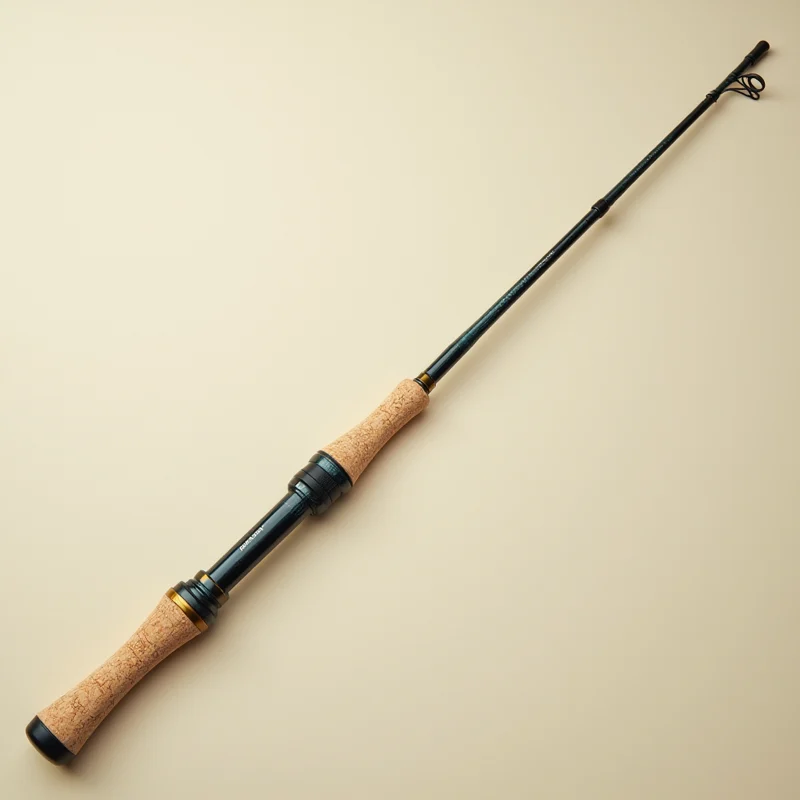
Thirteen feet of soft graphite built to mend line across a tributary current and protect 6-lb fluoro from a hot steelhead.
The pier spoon. A heavy, wobbling casting spoon that has caught fall salmon and spring steelhead off Great Lakes breakwalls for sixty years.
The other standard in-line board — slightly larger, pulls heavier loads, and handles copper and lead core better than most.
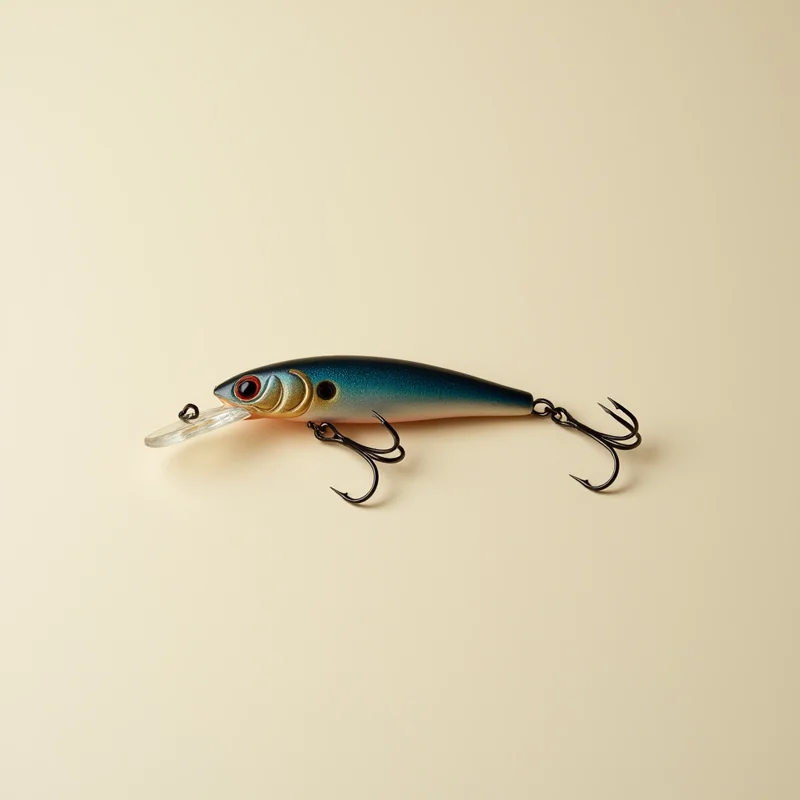
A suspending jerkbait that hangs motionless between twitches — the cold-water bait for walleye, smallmouth and browns.
Breathable waders at a third the price of premium, which is the right first pair for someone who has not yet decided how many steelhead trips a year they want.
Questions
Same fish, other water
Size limits, bag limits, and open seasons for brown trout on Lake Erie are set by Michigan DNR, NYSDEC, Ohio DNR Division of Wildlife and PA Fish & Boat Commission and change from year to year. Check the current rulebook before you keep a fish.
Sources
Last updated 2026-10-08