Elk Creek and Walnut Creek, Pennsylvania
The two heaviest-stocked streams on the alley and the reason Erie, Pennsylvania fills with anglers in November. Public access is extensive and so are the crowds.
Steelhead · Lake Erie
Steelhead Alley is the highest-density steelhead run in North America and it happens in creeks you can throw a rock across. From Vermilion, Ohio to Cattaraugus Creek in New York, roughly a hundred miles of shale-bottom tributary fills with fish every fall, and access is public across most of it.
Prime time
Late October through April, with the heaviest push after the first cold rains in November and a strong March run
Depths
2–8 ft in the creeks; 10–30 ft off the mouths in early fall
Typical size
5–10 lb
Lake max depth
210 ft
Where
The two heaviest-stocked streams on the alley and the reason Erie, Pennsylvania fills with anglers in November. Public access is extensive and so are the crowds.
A longer stream that holds fish well upriver and spreads pressure out. It stays fishable when the smaller creeks blow out.
Ohio's biggest alley tributary. Big enough to fish when everything else is high, and slow to clear when everything else has dropped.
A metropark stream running straight through the west side of Cleveland with fish from November through April. The most urban steelhead water in the country.
Small, clear and technical. Fishes best a day or two after a rain when the water carries a little color.
The largest New York alley tributary, running through the Zoar Valley. Big water, wild scenery, and fish well into spring.
How
The alley standard. Drift a spawn sac, a single bead or a small jig 12 to 24 inches under a float, matched exactly to current speed. Use 8 to 10 pound mainline and step down to 4 to 6 pound fluorocarbon in low clear water. A 10 to 13 foot rod is not optional — it is how you mend line and control the drift.
Before the rains, steelhead stack off the creek mouths in 10 to 30 feet of water. Cast spoons and small crankbaits from the breakwalls at Conneaut, Fairport and Ashtabula, or troll a small spoon along the shoreline in 15 feet at 2.0 mph.
A 7-weight switch rod with a sink tip and a small streamer works the deeper runs, but the numbers come from dead-drifting an egg pattern and a stonefly nymph under an indicator. In water below 38 degrees, put the fly on the bottom and slow the drift.
These creeks rise and fall in a day. Peak conditions are the falling limb — visibility around 12 to 24 inches, water the color of weak tea. Blown out and chocolate, fish the biggest stream you can find. Gin clear and low, go small, go light and go at first light.
Lake Erie is the shallowest and warmest Great Lake, averaging 62 feet, and it grows more fish per acre than the rest of the chain combined. It is a poor summer home for a cold-water fish, which is why Erie has no meaningful offshore steelhead fishery the way Lake Michigan does. What it has instead is a shoreline lined with short, steep tributaries and a stocking program aimed squarely at them.
From Vermilion, Ohio east through Cleveland, Ashtabula and Conneaut, into Pennsylvania at Elk and Walnut Creeks, and on to Cattaraugus Creek in New York, those streams receive hundreds of thousands of smolts a year. The fish go to the lake, grow fast on Erie’s rich forage, and come back at 5 to 10 pounds. In a good November there are more steelhead per mile of stream here than anywhere else on the continent.
These are not the Big Manistee or the Salmon River. Most alley tributaries are narrow, shale-bottomed and shallow, with pools you can read from the bank and runs you can cross in waders. They rise fast in rain and drop just as fast. They go gin clear in a week of dry weather and become nearly unfishable in bright sun.
That makes water-reading the primary skill. The falling limb after a rain, with 12 to 24 inches of visibility, is the window. In that condition fish move up, spread through the runs, and take aggressively. In low clear water they stack in the deepest holes, spook off a shadow, and require 4-pound leader and a dawn start. In a blowout, the only fishable water is the biggest stream in the region — usually the Grand or the Cattaraugus.
Long rods and float fishing dominate the alley because they solve the specific problem of these creeks: you need a natural drift, at exactly current speed, through water that is often only three or four feet deep and very clear. A 10 to 13 foot rod lets you keep line off the water and mend. A centerpin does it best; a long spinning rod with a slip float does it well enough.
Terminal setups run light. Eight to ten pound mainline, a 4 to 6 pound fluorocarbon leader in low water, split shot spread to get the bait riding 12 to 24 inches off bottom. Spawn sacs, single beads and small marabou jigs cover almost every situation.
October and early November: fish are staging in the lake off the mouths. Breakwall casting at Conneaut, Ashtabula and Fairport Harbor takes them, as does trolling a small spoon in 15 feet along the shoreline.
November through January: the main fishery. Fish are in the creeks in numbers. Cold snaps drop water temperature into the 30s and the fish get sluggish — slow the drift, get closer to the bottom.
February and March: the water warms into the low 40s and the fish become active again ahead of spawning. March is the second peak and it is far less crowded than November.
Elk and Walnut Creeks in mid-November can feel like a parking lot. Local practice is to work down through a run and rotate, not to plant yourself in the best slot for three hours. If you want solitude, fish the long streams — Conneaut, the Grand, the Cattaraugus — well upstream, and fish weekdays.
Alley creeks run over shale that is genuinely slippery, and winter flows are strong and cold enough to matter. Wear a wading belt cinched tight, carry a staff, and do not wade above your comfort in water that is 34 degrees. Ice shelves along the banks in January collapse without warning.
Where to put in
Dark marks are launches named in this guide. Generalized shoreline, not for navigation.
Kit
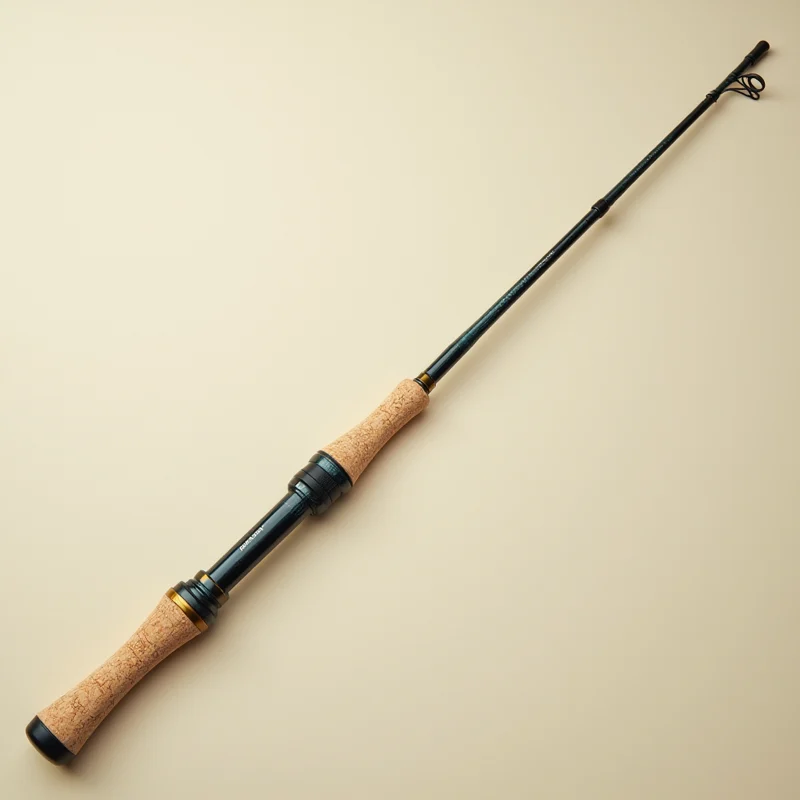
Thirteen feet of soft graphite built to mend line across a tributary current and protect 6-lb fluoro from a hot steelhead.
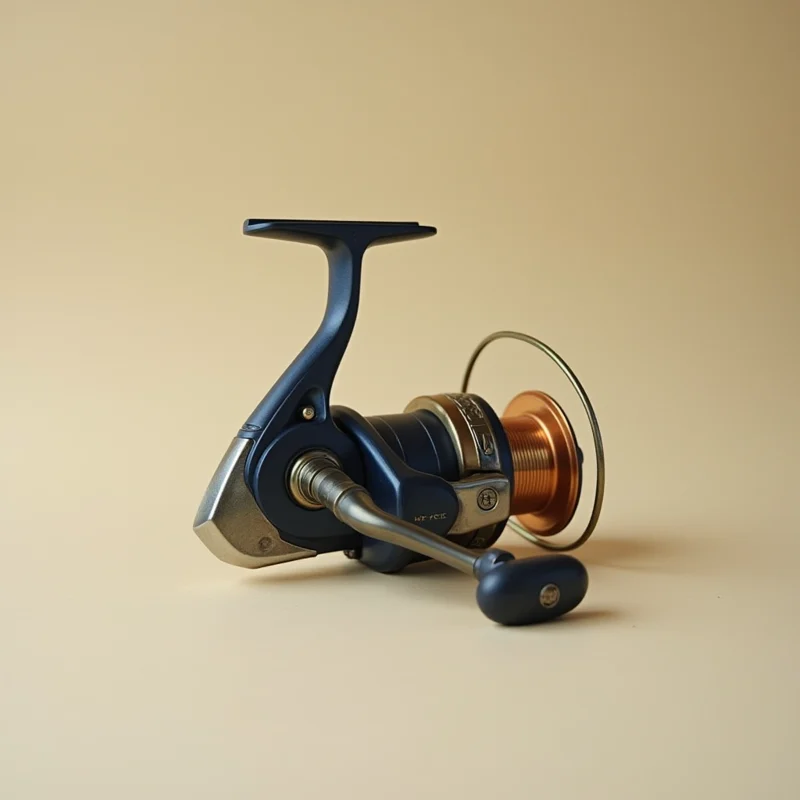
An affordable entry into centerpin float fishing — a free-spinning drum that lets a float drift at true current speed.
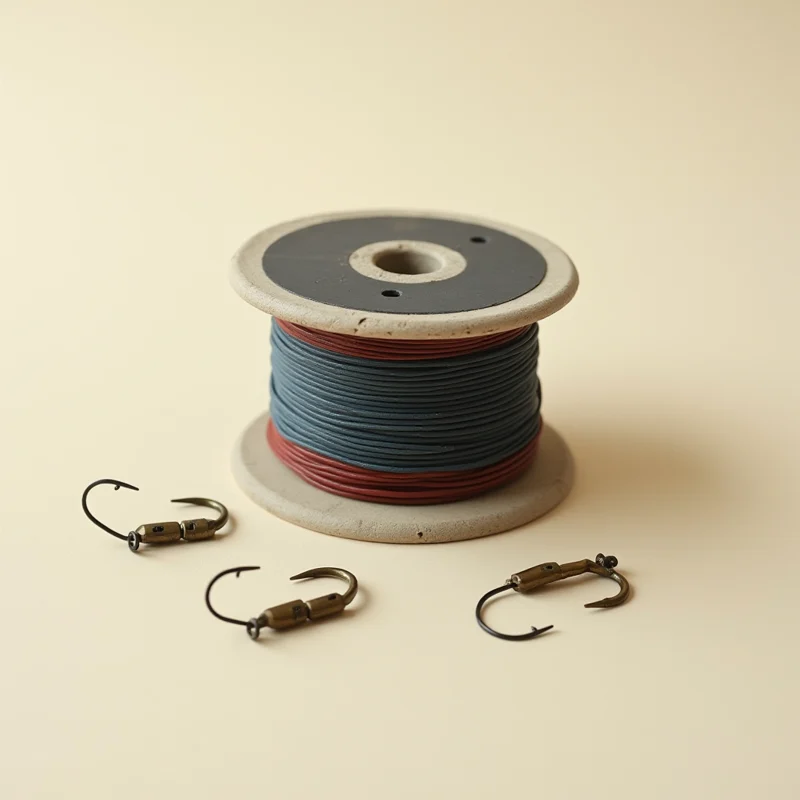
Everything you need to build a float program for tributary steelhead, assembled by the company that made float fishing normal in the Great Lakes.
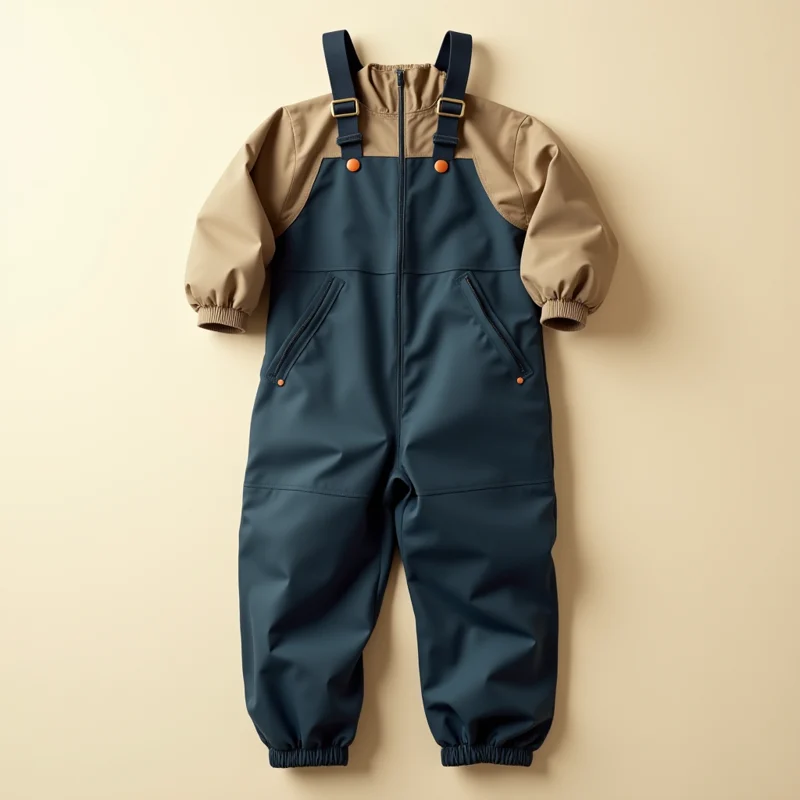
Breathable waders at a third the price of premium, which is the right first pair for someone who has not yet decided how many steelhead trips a year they want.
The leader material that makes braid usable over mussel-covered rock, and the whole line when smallmouth get selective in gin-clear water.
Questions
Same fish, other water
Size limits, bag limits, and open seasons for steelhead on Lake Erie are set by Michigan DNR, NYSDEC, Ohio DNR Division of Wildlife and PA Fish & Boat Commission and change from year to year. Check the current rulebook before you keep a fish.
Sources
Last updated 2026-09-01