A river fishery
Lake St. Clair is a muskie, walleye, smallmouth and perch lake. It is
not a steelhead lake. Eleven feet of average depth warms fast in summer, and there
is no open-lake steelhead fishery here like the ones on Huron or Michigan.
What the system does have is a fast, cold river at its head and two stocked
tributaries feeding it. Steelhead move through all three. If
you live in the Thumb or metro Detroit, that is a real fishery inside an hour of
home. If you are planning a trip around steelhead, go to the
Lake Huron rivers instead and treat a St. Clair fish as a bonus.
The St. Clair River at Port Huron
Lake Huron drains into the St. Clair River under the Blue Water Bridge, and the
riverwalk along Thomas Edison Parkway is the best-known shore spot in the system.
Michigan DNR lists it as a Trout Trails site. Steelhead, Chinook and coho over 30
inches are caught here, along with stocked brown trout, and the occasional Atlantic
salmon drops down out of Huron.
The current is the whole story. It is fast enough that the DNR recommends more
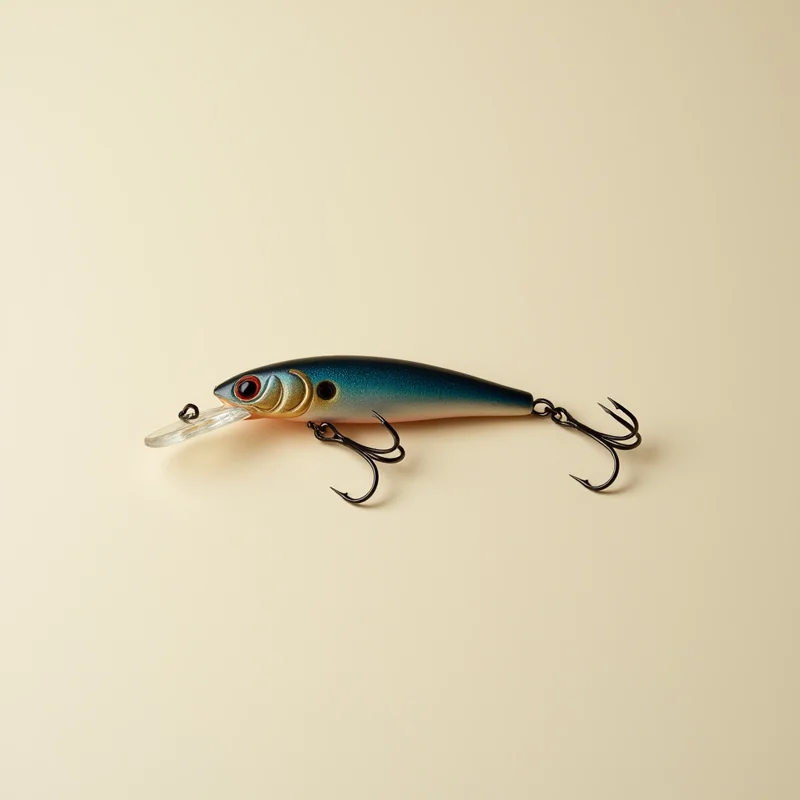
than 4 ounces of weight just to hold bottom. Anglers take fish on spoons and
crankbaits, and some net shiners off the wall and fish them live. The walk sits
high above the water, so bring a long-handled net or plan to lose the fish at your
feet.
The same water carries freighter traffic under the bridge. Shore anglers get a
front-row seat. Anyone in a small boat should treat the shipping channel with
respect and stay out of the way.
Downriver to Marine City
The steelhead do not stop at Port Huron. Michigan DNR weekly reports have logged
shore anglers taking steelhead and salmon at Marine City, usually in the cold
months and usually on minnows. It is the same heavy current and the same heavy
tackle. Fish it when the Port Huron wall is crowded, or when you are already there
for the river’s walleye. Walleye anglers on the river
pick up the occasional steelhead too.
Mill Creek and the Black River
The Black River meets the St. Clair at Port Huron. Its tributary Mill Creek, in
the Port Huron State Game Area, is stocked every year with yearling steelhead.
The young fish stay a short time, drop out to the lake, and come back as adults,
often 2 to 10 pounds.
This is small-water fishing. Spring is the main run. Some fish come in during the
fall and hold through the winter. The creek is wide enough for a fly rod or a
spinning rod, and the DNR’s own advice is spinners, spawn bags, or waxworms under a
float. Wear waders, fish the seams at the head and tail of each pool, and keep
moving.
The Clinton River
The Clinton runs through Oakland and Macomb counties and empties into Lake St.
Clair. Its lower river is stocked every year with yearling steelhead, and it is
the best-known steelhead stream on the lake side of the system. Yates Dam draws
the crowd. River Bend Park, downstream, lets you walk the trails and find your own
water.
Same rules as Mill Creek: mostly a spring fishery, with some fish entering in the
fall. Float-fish spawn or waxworms through the runs, or swing a spinner on fresh
fish. The general tributary playbook
works here.
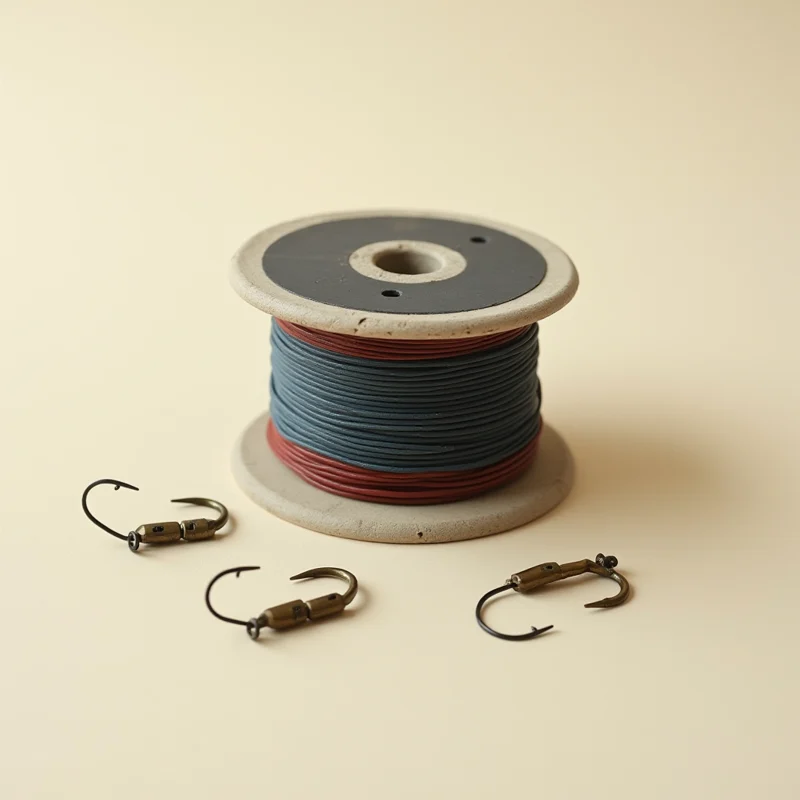
Gear for heavy current
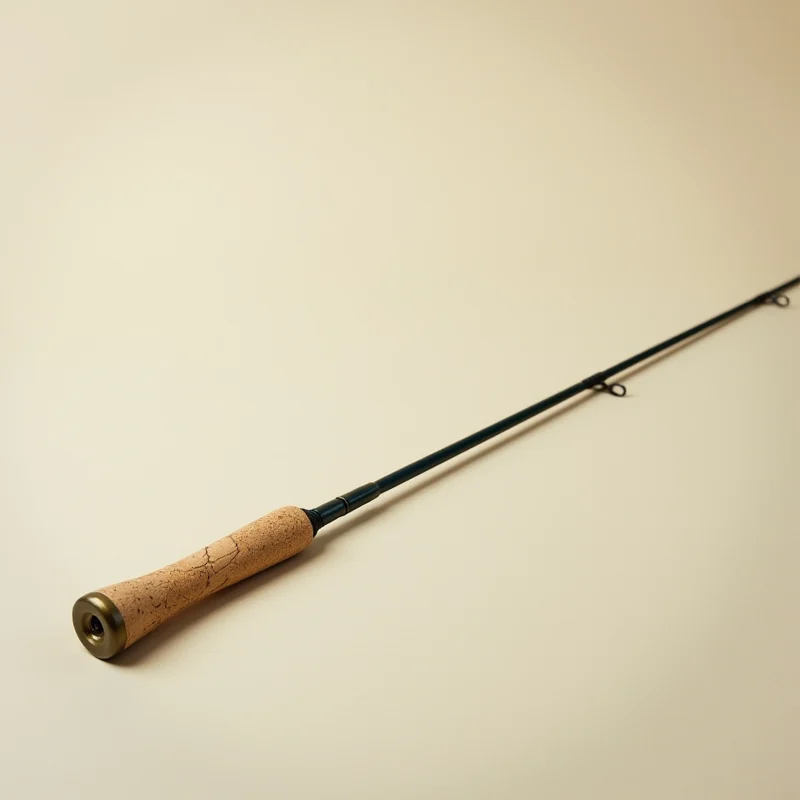
On the big river, use a 9-foot medium-heavy rod with enough backbone to throw 6
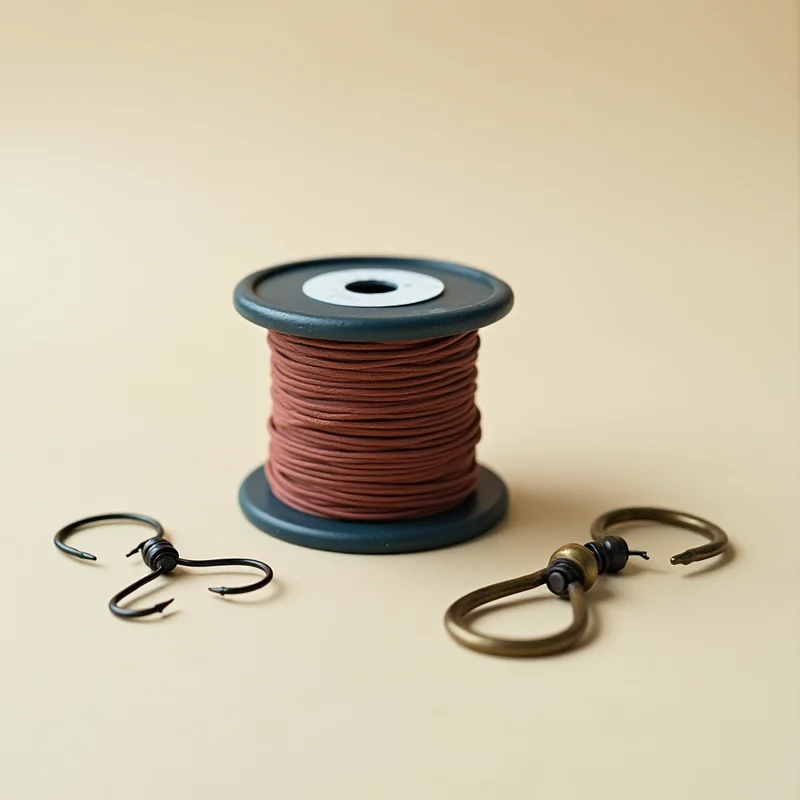
ounces of lead and steer a steelhead in current. Spool 12 to 15 pound line and
tie on a fluorocarbon leader. A three-way rig with a bell sinker on a weaker
dropper will cost you less lead when the bottom eats it.
In the tributaries, go light. Use a 9 to 10-foot rod, 6 to 8 pound fluorocarbon
leaders, small hooks and a float. Bring a net either way. These fish jump and run,
and they are hard to land by hand off a seawall.
Regulations
Michigan DNR manages the St. Clair River, Lake St. Clair and their Michigan
tributaries. Seasons, limits and gear rules differ between the river, the lake and
the creeks, and they change. Look up the water you plan to fish in the current
Michigan Fishing Guide from Michigan DNR.