Anchor Bay
The shallow northeastern corner, 6–12 ft over sand and cabbage. The best night-trolling water on the lake and close to the New Baltimore and Fair Haven launches.
Walleye · Lake St. Clair
St. Clair is an overlooked walleye lake sitting between two great ones, and its best fishing happens after dark in water shallow enough to wade. Come for the spring and fall night bite in Anchor Bay and the delta, not for a mid-summer daytime trolling program.
Prime time
Late April through early June, and again from late September into November
Depths
6–14 ft over grass and sand; 18–24 ft along the dredged shipping channel edges
Typical size
15–22 inches, 1.5–4 lb
Lake max depth
27 ft
Where
The shallow northeastern corner, 6–12 ft over sand and cabbage. The best night-trolling water on the lake and close to the New Baltimore and Fair Haven launches.
The North, Middle and South channels of the St. Clair River delta. Current-driven, and the seams behind Harsens Island and Dickinson Island hold fish through spring.
The dredged channel cuts a hard break into an otherwise flat lake. Fish slide up onto the lip at dusk. Watch for freighter traffic — this is a working channel and you do not have right of way.
Where the lake dumps into the river. Heavy current, hard bottom, and a strong fall concentration of fish staging to move down into the river system.
The 9 Mile to 14 Mile grass flats. Primarily smallmouth and muskie water, but walleye use the deeper grass edges after dark in June.
How
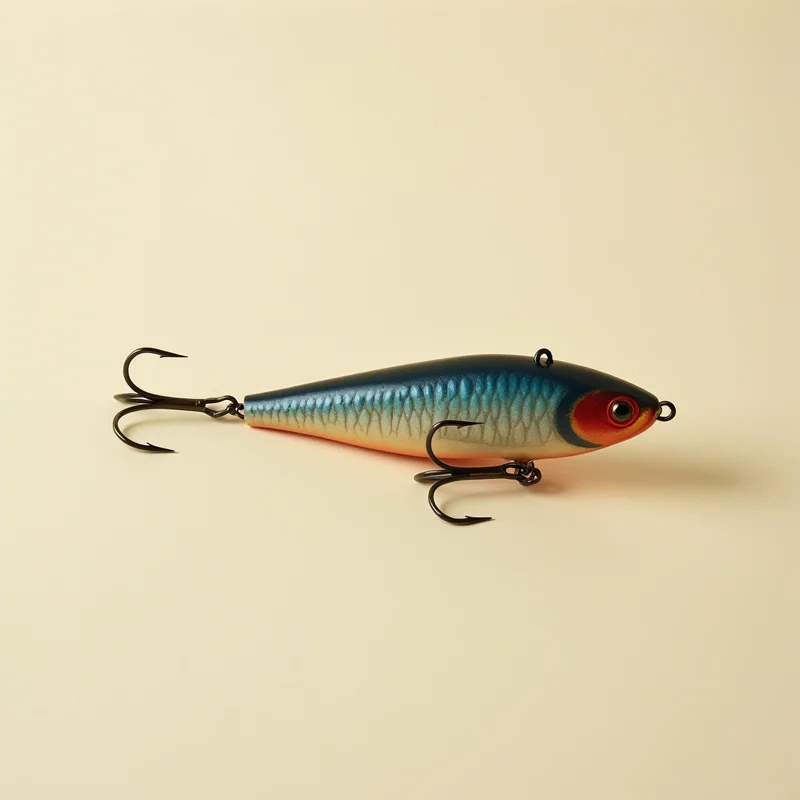
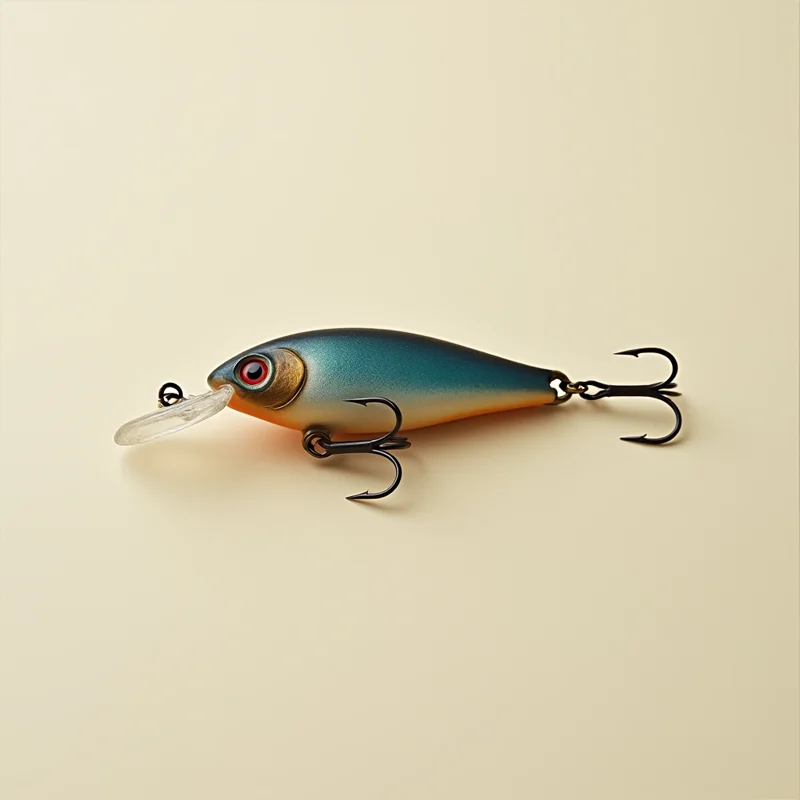
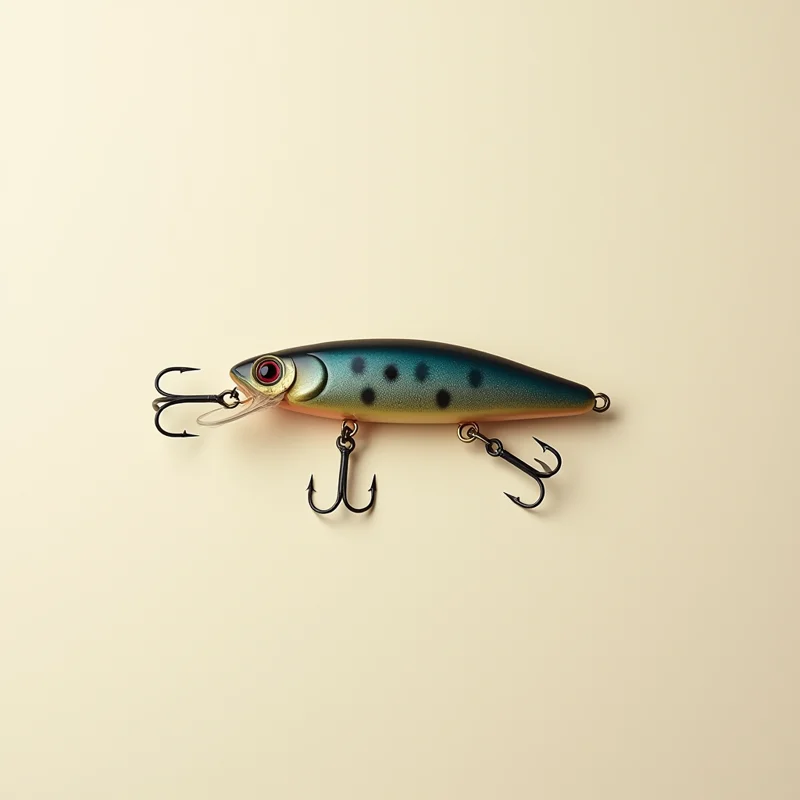
The defining St. Clair walleye pattern. Run long, slender stickbaits 100–150 feet behind planer boards at 1.6–2.0 mph over 7–12 ft, starting about an hour after sunset. Black, purple and clown patterns. Kill the deck lights — the fish are here because it is dark.
June through August, daylight. A drift sock keeps you at 0.8–1.2 mph over the cabbage in 9–14 ft. Small blades, short leaders, and enough weight to tick the top of the weeds without burying in them.
April and May. A 3/8 to 1/2 oz jig — heavier than the depth suggests, because the current is real — pitched upstream and swum back through the seam behind an island point. Minnow or a 3-inch paddle tail.
October and November, over 16–22 ft where the dredged channel breaks. Lift-drop a 1/2 oz blade bait off the edge. Water in the low 50s is the trigger; below 45°F slow the lift down to almost nothing.
Lake St. Clair is 430 square miles and averages 11 feet deep. That single number explains the entire fishery. It is not really a lake in the way Huron is a lake — it is a wide, shallow settling basin on the Huron-to-Erie corridor, fed by the St. Clair River delta at the north end and draining into the Detroit River at the southwest corner. Water moves through it constantly.
For walleye, that means two things. First, the population is partly transient: fish move through on their way somewhere else, and the fishing spikes when they do. Second, there is almost no thermocline and almost no deep-water refuge. The whole lake heats and cools as one body, and the fish respond to light more than to depth.
If you take one thing from this page: fish St. Clair walleye after dark. The water is clear over grass, the sun penetrates to the bottom nearly everywhere, and daytime walleye either bury in the cabbage or hold on the shipping channel break. At night they push up onto 7–12 feet of flat and hunt.
The program is simple and it has not changed in forty years. Long-billed stickbaits, well back, off planer boards, 1.6–2.0 mph, over sand and scattered weed in Anchor Bay. Start an hour after sunset. The first two hours of full dark are the best of the night. Run without deck lights, mark your turns on the plotter because the shoreline gives you almost no reference, and give a wide berth to anything showing a masthead light — the shipping channel runs right through this lake and freighters do not maneuver.
April and May, the St. Clair Flats. The delta channels carry current, and current plus a spring run equals jig fishing. Work the seams behind Harsens Island and Dickinson Island, along the drop where a channel edge falls from six feet to fourteen. Use a jig heavier than the depth suggests; if you cannot feel the bottom, you cannot fish the seam.
Water temperature drives this. Below 45°F the fish are lethargic and the bite is a subtle line movement. Between 48 and 55°F, they eat properly.
By late June the lake is in the 70s and the cabbage beds are up. Daytime walleye fishing means drifting a crawler harness over the top of the grass in 9–14 feet, slowly, with a drift sock to keep you honest in the wind. It works, it is not spectacular, and most people who fish St. Clair in July are chasing smallmouth or muskie for good reason.
Late September through November is the second peak. Fish stage along the dredged shipping channel and around Peche Island before dropping into the Detroit River. Blade baits and jigging spoons on the channel lip in 16–22 feet, worked with a slow lift and a controlled fall. This is the best chance of the year at a genuine heavy fish.
Eleven feet of average depth means St. Clair goes ugly in a hurry. A 20-knot wind builds a steep, short chop with no deep water to absorb it, and because the lake is round with fetch in every direction, there is no reliable lee shore. Add summer weekend traffic — this lake sits on the doorstep of metro Detroit and gets genuinely crowded — and a dark-hours trolling program becomes a real navigation exercise. Run lights, a VHF, and a plotter track you trust.
Michigan manages Lake St. Clair, and the walleye rules here have historically differed from Michigan’s inland waters. Seasons and limits are revised; read the current guide from the Michigan DNR rather than assuming.
Where to put in
Dark marks are launches named in this guide. Generalized shoreline, not for navigation.
Kit
A suspending jerkbait that hangs motionless between twitches — the cold-water bait for walleye, smallmouth and browns.
The other standard in-line board — slightly larger, pulls heavier loads, and handles copper and lead core better than most.
A short-shank round jig with a bait-keeper barb designed to hold a whole minnow — the standard river and reef walleye jig.
A thin metal blade that vibrates hard on the lift and flutters on the drop — the cold-water bait for deep, inactive walleye.
A cone of fabric that drags underwater and cuts your drift speed roughly in half, which is what turns an unfishable windy day on Erie into a productive one.
Questions
Same fish, other water
Size limits, bag limits, and open seasons for walleye on Lake St. Clair are set by Michigan DNR and change from year to year. Check the current rulebook before you keep a fish.
Sources
Last updated 2026-09-01