Callahan Reef
The best-known rock in the inner bay, northeast of the Saganing area. Fish stack on the edges in June when the surrounding flats go to 65°F and the reef stays a few degrees cooler.
Walleye · Lake Huron
Saginaw Bay is the second-best walleye fishery in the Great Lakes and it fishes nothing like Erie — shallower, weedier, and far more about structure than open-water schools. Come for June and October, and be willing to run 20 miles when the fish leave the bay.
Prime time
Mid-May through July inside Saginaw Bay, then September through early November off the Thumb
Depths
8–18 ft on the inner bay bars; 22–40 ft on the outer bay and along the Thumb shoreline
Typical size
15–22 inches, 1.5–4 lb
Lake max depth
750 ft
Where
The best-known rock in the inner bay, northeast of the Saganing area. Fish stack on the edges in June when the surrounding flats go to 65°F and the reef stays a few degrees cooler.
The mid-bay island complex and the old Charity Island light. This is where inner-bay fish transition to the outer bay in July. Troll the 22–30 ft breaks on either side.
The deeper trough running up the middle of the outer bay. Holds fish through the hottest part of summer when the flats are unfishably warm.
Classic inner-bay sand and gravel bars. May and early June, in 8–14 ft, often within sight of the launch.
Off the tip of the Thumb. Fall fish moving out of the bay funnel past here, and the reef holds a mix of walleye and smallmouth that keeps you honest about hook size.
The northern shoulder of the bay mouth. Early-season fish warm up here first, and the point breaks give you deep water within a mile of the ramp.
How
The Saginaw Bay standard from June through August. Run 1.0–1.4 mph with a 1.5–3 oz bouncer depending on depth, keeping the line at a 45-degree angle. Colorado blades in stained inner-bay water, smaller Indiana blades once you get out past Charity into cleaner water.
May and early June, in 8–14 ft, when the bay is still under 60°F. Planer boards get baits away from a boat that is running in less water than it draws comfortably. Pull 1.5–1.9 mph and let the boards do the searching.
A 1/4 to 3/8 oz jig with a minnow or a 4-inch plastic, worked slowly across Callahan or the Saganing bar. Effective from ice-out into early June while water is still under 55°F, and it stays effective on calm days when the trolling bite dies.
July and August, when inner-bay surface temps run past 74°F and the fish sit in the trough. Two to five colors of lead core, spoons or deep cranks, 2.0–2.4 mph, over 28–40 ft.
Saginaw Bay is one of the few Great Lakes walleye fisheries with a real ice season. Jigging spoons and rattle baits over 10–16 ft, tipped with a minnow head. Ice out there is wind-driven and can crack loose — never fish it without picks and a local report.
Lake Huron walleye means two different trips. One is Saginaw Bay: shallow, stained, structure-rich, and reachable from Bay City in a 16-foot boat. The other is the open Lake Huron shoreline from Au Gres north to Alpena and south around the Thumb to Harbor Beach — clear, deep, and fished the way you would fish salmon. The same fish move between the two over the course of a summer, and knowing when that happens is most of the game.
Saginaw Bay is a 1,100-square-mile bite taken out of Michigan’s east coast, most of it under 20 feet deep. The inner bay — everything inside a line from Point Lookout to Sand Point — is a shallow bowl of sand and gravel bars with scattered rock. Warm, fertile, and productive. The outer bay is deeper and cleaner and acts as the hinge between the bay and the big lake.
Huron’s walleye collapse and recovery is the piece of fishery history worth knowing here. When alewife numbers crashed in Huron in the early 2000s, the salmon fishery went with them, but walleye — a native fish that was suppressed by alewife predation on its fry — came roaring back on natural reproduction. Saginaw Bay stopped needing to be stocked. That is a rare thing in this system, and it is the reason the bay fishes the way it does today.
April. Fish are in the rivers. The Saginaw and the Tittabawassee carry a genuine spawning run, and jig-and-minnow from a boat or from shore is the game.
May. Post-spawn fish drop back onto the inner-bay bars in 8–14 ft. Water is in the low 50s. Boards and shallow cranks.
June. The best month. Harnesses on bouncers over the bars and reefs, water in the low 60s, fish feeding hard and spread across enough of the inner bay that you can find your own water on a Saturday.
July–August. The inner bay overheats. Fish push out past Charity Island into the Slot and beyond. Lead core, spoons, deeper trolling, longer runs.
September–November. The Thumb shoreline lights up. Harbor Beach, Port Austin and Grindstone City put you on big fall fish in 25–45 ft. This is the trophy window.
January–March. Ice, when it comes. The inner bay is one of the last big walleye ice fisheries in the Great Lakes, and it is also one of the most dangerous — the ice is wind-driven, the bay is wide open, and sheets break loose and drift. Nobody should be out there without a local report, picks, and a way to call for help.
On Erie you are usually looking for a school in open water and covering ground until you find it. On Saginaw Bay the fish relate to something — a bar, a reef edge, a weed line, a temperature break at the mouth of a creek. Trolling passes here are shorter and more deliberate. You are not sweeping the lake; you are working an edge and turning at the end of it.
The stained water is the other difference. Inner-bay visibility is often two to four feet, which means blade size and color carry more weight than they do on clean Erie water, and it means the fish will tolerate a boat passing directly over them. That is why shallow board-trolling works here at depths that would be hopeless on a clear lake.
The inner bay is shallow enough that a 20-knot wind produces a nasty, close- spaced chop with nowhere to hide, and the run back to Bay City from the Charity Island area is long. Watch the northwest and northeast winds in particular — both have unbroken fetch across the bay. File a plan, carry a handheld VHF, and remember that the bay looks flat from the ramp and does not stay that way.
Michigan sets Saginaw Bay and Lake Huron walleye rules, and both size limits and possession limits have changed more than once as the recovered population has been reassessed. Read the current Michigan DNR guide for the season you are fishing.
Where to put in
Dark marks are launches named in this guide. Generalized shoreline, not for navigation.
Kit
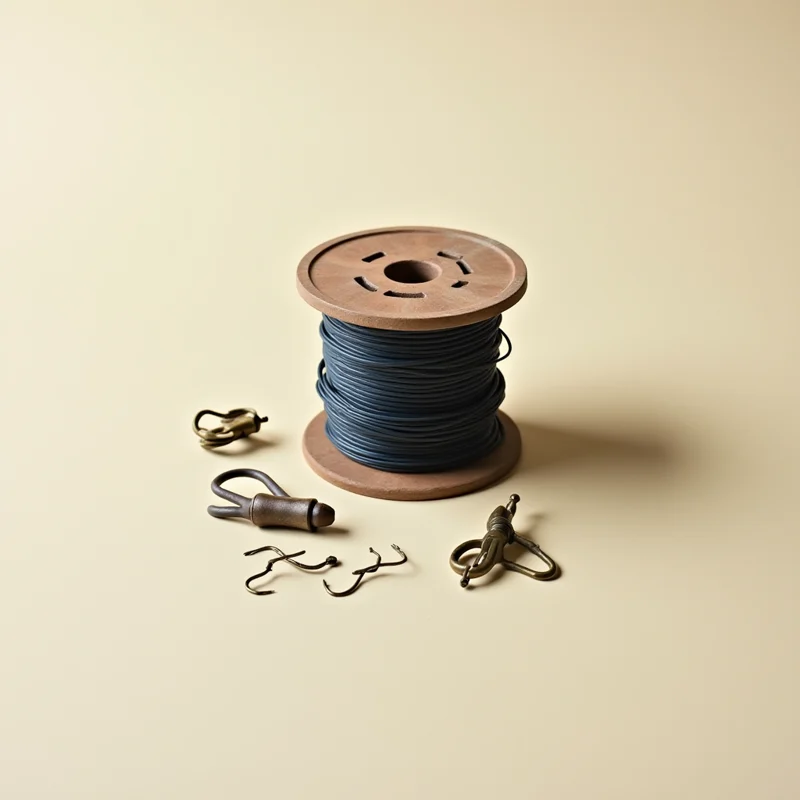
The June-through-September walleye rig on western Lake Erie, and the first terminal tackle a visiting angler should buy before a Saginaw Bay trip.
L-shaped wire weights that walk a harness along the bottom without burying it, sold in the three sizes that cover Great Lakes depths.
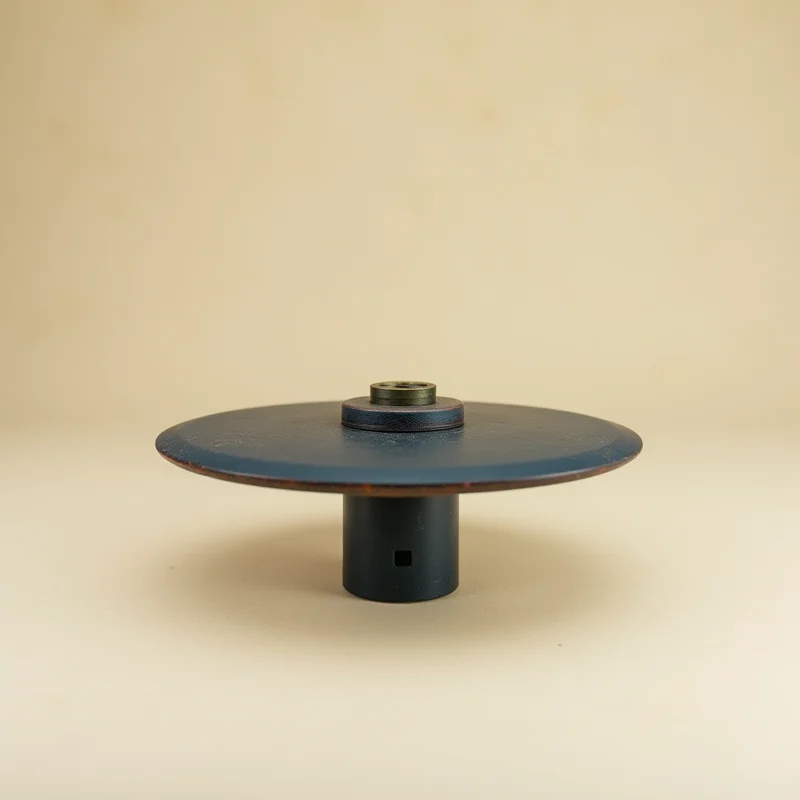
The in-line board that walleye trolling on Erie is essentially built around — it tracks hard, releases clean, and shows a bite.
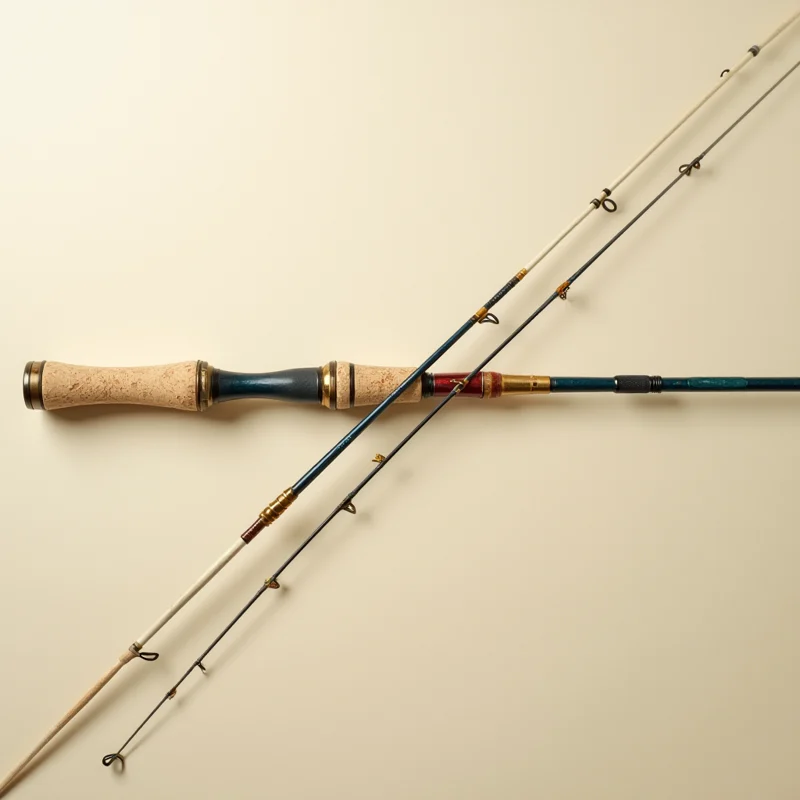
A purpose-built walleye jigging rod with a tip soft enough to feel a fish breathe and a butt stiff enough to bury the hook.
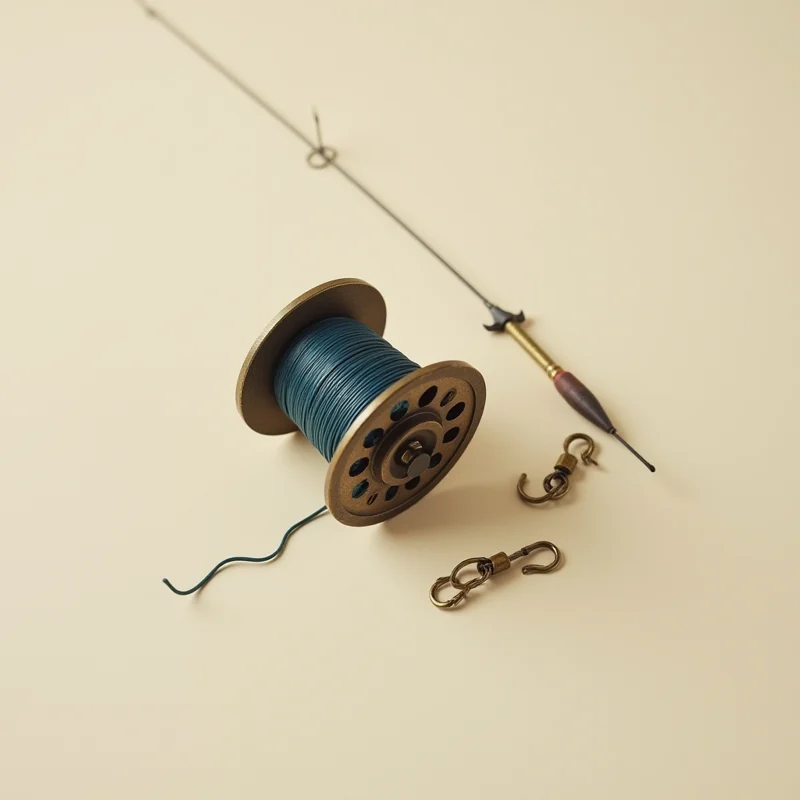
Braided-jacket lead core that sinks faster and takes up less spool than the old nylon-jacketed stuff.
Questions
Same fish, other water
Size limits, bag limits, and open seasons for walleye on Lake Huron are set by Michigan DNR and change from year to year. Check the current rulebook before you keep a fish.
Sources
Last updated 2026-09-01