The lower Fox River at Green Bay
The single largest walleye spawning run on Lake Michigan. Late March into April, from the De Pere dam downstream. Shoulder-to-shoulder shore access and a boat launch scene that runs day and night.
Walleye · Lake Michigan
Lake Michigan's open water is salmon country, but its bays hold some of the largest walleye in the system. Fish Green Bay and the Bays de Noc in spring and the drowned river mouths in summer, and skip the main basin entirely.
Prime time
Late March through May in the bays, then late June through August on the reef and open-bay pattern
Depths
4–12 ft on spring spawning gravel; 18–36 ft over mid-bay reefs and mud in summer
Typical size
15–22 inches, 1.5–4 lb
Lake max depth
925 ft
Where
The single largest walleye spawning run on Lake Michigan. Late March into April, from the De Pere dam downstream. Shoulder-to-shoulder shore access and a boat launch scene that runs day and night.
Escanaba to Gladstone. The best trophy walleye water on the lake, with a mix of shallow spring gravel, mid-bay reefs and a deep hole that holds fish through summer.
Cleaner and rockier than Little Bay. Reef trolling in 20–30 ft from June on, and far less pressure than the Escanaba side.
The Door County side of Green Bay. Spring fish on shallow rock, and a summer population that mixes with smallmouth on the same structure.
A drowned river mouth on the Michigan side that holds resident walleye year-round and gets a spring push. Fishable from a small boat when the big lake is unfishable.
Northwest Green Bay. Shallow, stained, and warming first in the spring — often the first good bite of the season on the whole lake.
How
Late March through April, water 38–48°F. A 1/4 to 3/8 oz jig with a shiner, fished vertically in the current or pitched to a slack-water seam. Lift no more than six inches. In cold water the fish do not chase, they inhale on the drop.
June through August in Green Bay and the Bays de Noc, over 18–32 ft of mud and scattered rock. Bottom bouncers at 1.0–1.3 mph, or in-line boards with snap weights when the fish are suspended off bottom. Big Colorado blades in the stained upper bay water.
May and early June once water passes 52°F. Shallow-to-medium divers, 1.7–2.1 mph, spread wide on planer boards over 8–16 ft of rock. This is the pattern that produces the ten-pound fish Green Bay is known for.
Late summer and fall, after dark, over 8–15 ft. Long stickbaits on boards at 1.8 mph in the same water that was full of boats at noon. Clear water and a bright moon make it worse, not better.
Mid-summer when surface water passes 72°F. Blade baits and heavy jigging raps over 45–60 ft, vertical, with the boat held on the mark. Electronics do the work here — you are jigging to a specific fish, not to a depth.
The main basin of Lake Michigan is 925 feet deep at its deepest and cold nearly all the way to the surface for most of the year. That is chinook and lake trout water. Walleye are a warm-water fish by comparison, and on this lake they concentrate in the shallow, fertile, wind-protected corners: Green Bay, the two Bays de Noc, Grand Traverse Bay, and the drowned river mouths along Michigan’s west coast.
Once you accept that, Lake Michigan becomes a very good walleye lake. Green Bay in particular is one of the top trophy walleye fisheries in the country — not for numbers the way Erie is, but for size.
Green Bay is 120 miles long and shallow at the south end, where the Fox River dumps in at the city of Green Bay. That upper bay is warm, stained, and enormously productive. It is also where the spawning run happens.
Late March through April, the lower Fox River from the De Pere dam downstream fills with fish. It is a genuinely crowded fishery, fished from boats and from the bank, and it runs around the clock. Jig-and-minnow, vertical, in current, in water that is often under 45°F. The bite is a weight change.
After the spawn the fish disperse down the bay. May and June put them on shallow rock along both the Wisconsin shore and the Door County side — Sturgeon Bay, Sawyer Harbor, Little Sturgeon. Planer boards and crankbaits over 8–16 feet is the pattern, and it is the one that produces the ten-pound-plus fish.
By July the bay stratifies and the walleye move to mid-bay flats and mud in 18–32 feet. Now it is bouncers and harnesses, or in-line boards with snap weights over suspended fish. Speeds stay slow, 1.0–1.3 mph.
At the top of Green Bay, Little Bay de Noc and Big Bay de Noc are separate fisheries and worth treating that way. Little Bay is narrower, more sheltered, and has a deep hole that holds fish through the hottest weeks. Big Bay is cleaner and rockier, with reef structure off the Garden Peninsula that fishes well from June onward and sees a fraction of the boat pressure.
Escanaba and Gladstone are the practical bases. The bays are far enough north that the season runs later — ice can hold into April in a cold year and the spring bite starts weeks behind the lower Fox.
Muskegon Lake, White Lake, Pentwater Lake, Manistee Lake and Portage Lake are drowned river mouths connected to the big lake by short channels. Each holds resident walleye, each gets a spring push, and each is fishable in a 16-foot boat on a day when the open lake is out of the question. This is the small-boat angler’s Lake Michigan walleye option, and it is badly underfished.
Grand Traverse Bay’s east arm and the Elk Rapids chain fill the same role farther north, with clearer water and a stronger night-fishing component.
Erie walleye fishing is about finding a school in open water and covering distance. Lake Michigan walleye fishing is about finding a specific piece of structure inside a specific bay. Passes are shorter. Electronics matter more for identifying a reef edge than for spotting a suspended cloud of fish. And clarity runs the whole spectrum — chocolate at the Fox River mouth, ten feet of visibility in Big Bay de Noc — which means you change blade size and color across a single day’s run.
The other difference is scale. You will not fill a cooler on Green Bay the way you can on a good June day off Port Clinton. You may catch the largest walleye of your life.
Green Bay is protected relative to the main lake, but it is still 120 miles long with unbroken fetch on a north or south wind, and the upper bay shallows stack waves fast. Crossings from the Wisconsin shore to the Door County side put you in open water with a long ride home. Check the forecast, carry a VHF, and treat the Bays de Noc as remote water — cell coverage on the Garden Peninsula side is patchy.
Green Bay is split between Wisconsin and Michigan, and the two agencies set walleye rules independently. Sizes, bags and seasons change. Read the current guide from whichever state’s water you are on.
Where to put in
Dark marks are launches named in this guide. Generalized shoreline, not for navigation.
Kit
A short-shank round jig with a bait-keeper barb designed to hold a whole minnow — the standard river and reef walleye jig.
The June-through-September walleye rig on western Lake Erie, and the first terminal tackle a visiting angler should buy before a Saginaw Bay trip.
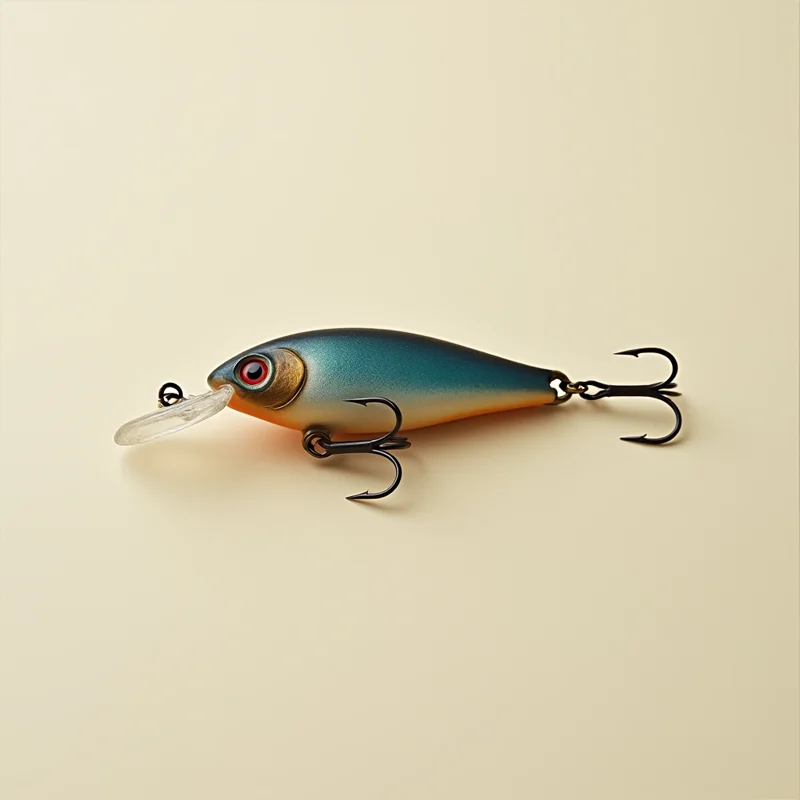
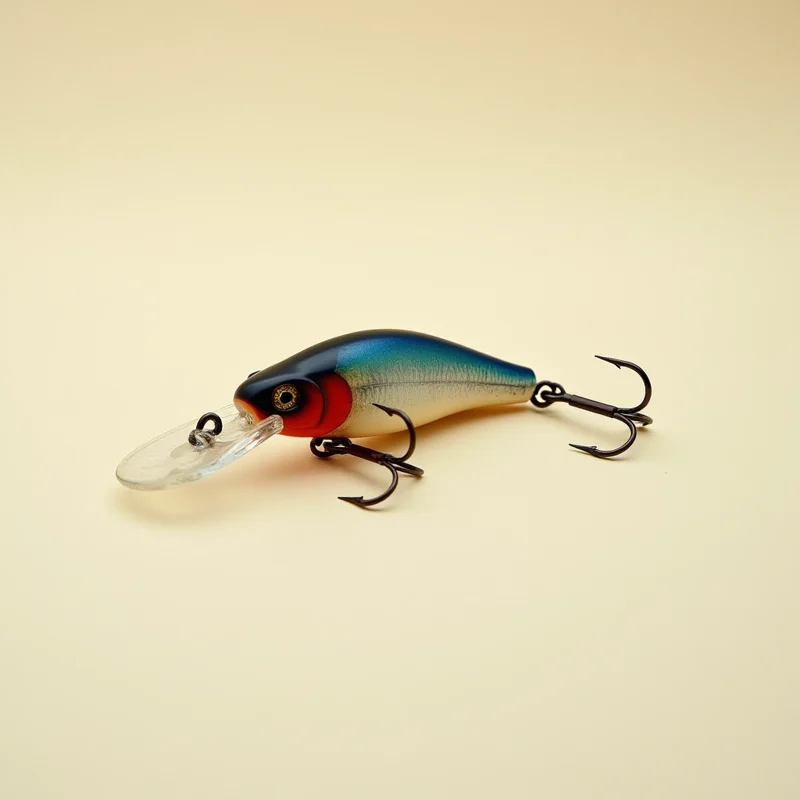
The crankbait Lake Erie walleye trolling runs on — it dives 18 to 22 feet on its own and the dive curves are published.
Clip-on weights that go 50 feet up the line, so the bait runs deep and there is no hardware near it.
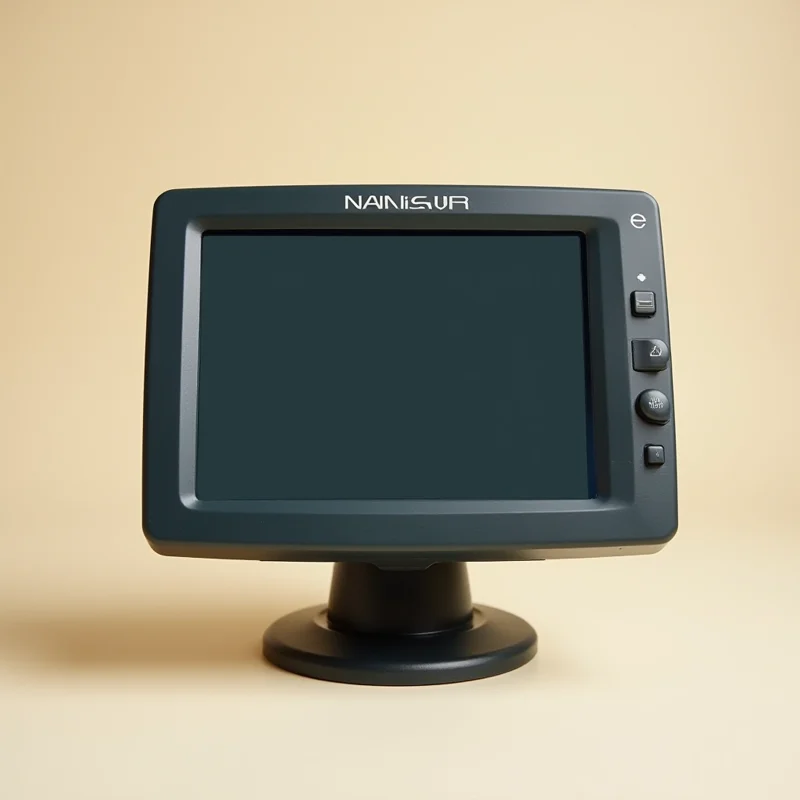
A 9-inch chartplotter-sonar with Navionics charts built in — the single most useful electronics purchase for a Great Lakes boat.
Questions
Same fish, other water
Size limits, bag limits, and open seasons for walleye on Lake Michigan are set by Michigan DNR, Wisconsin DNR, Illinois DNR and Indiana DNR and change from year to year. Check the current rulebook before you keep a fish.
Sources
Last updated 2026-09-01