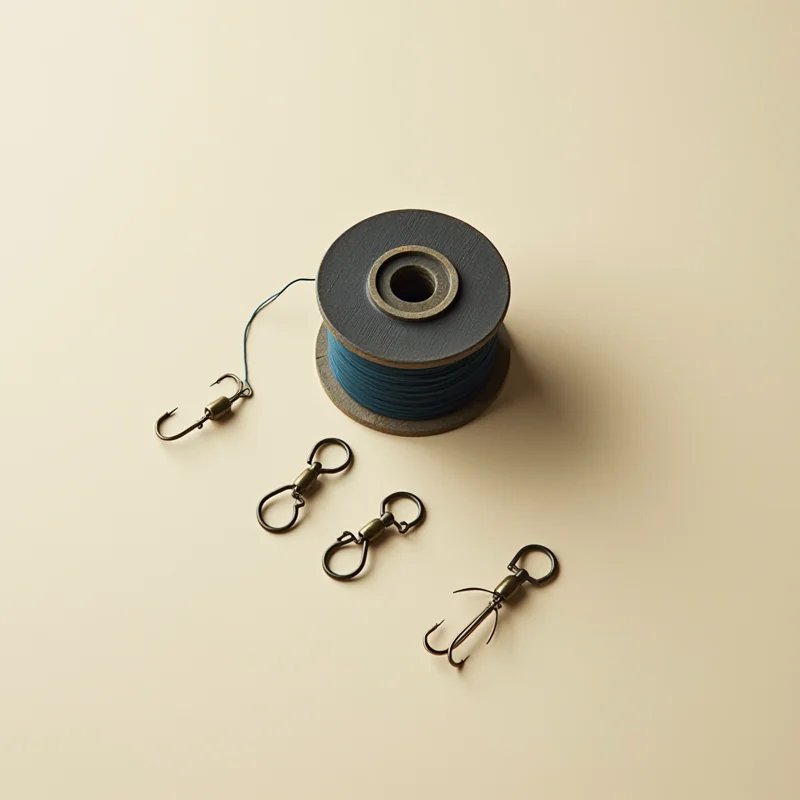
Spectra Braided Line
4.6(11,400)4.6 out of 5 stars, 11,400 reviews, on Amazon at the time this was writtenThe default braid on half the jigging rods in the system, and it holds up to zebra-mussel-scarred structure better than it has any right to.
Perch · Sander vitreus
The most-targeted fish in the system and the reason western Lake Erie has a charter fleet. Light-shy, structure-oriented, and the best-eating fish in fresh water.
Where to go
Ranked by how good the fishing actually is, not alphabetically. If a lake is not on this list, it is because the fish is not worth targeting there.
Lake Erie is the best walleye water in North America and it is not a close argument. If you get one walleye trip a year, spend it in the western basin between Port Clinton and the Bass Islands.
Saginaw Bay is the second-best walleye fishery in the Great Lakes and it fishes nothing like Erie — shallower, weedier, and far more about structure than open-water schools. Come for June and October, and be willing to run 20 miles when the fish leave the bay.
St. Clair is an overlooked walleye lake sitting between two great ones, and its best fishing happens after dark in water shallow enough to wade. Come for the spring and fall night bite in Anchor Bay and the delta, not for a mid-summer daytime trolling program.
Lake Michigan's open water is salmon country, but its bays hold some of the largest walleye in the system. Fish Green Bay and the Bays de Noc in spring and the drowned river mouths in summer, and skip the main basin entirely.
Lake Ontario is the thinnest walleye water on this site, and where it is good it is very good — the eastern basin bays hold a real population and almost nobody targets them. Fish Chaumont Bay and Black River Bay after dark in May and again in October.
Most of Lake Superior is too cold and too deep for walleye, and the fishery lives in a few warm, shallow corners. The St. Louis River estuary at Duluth-Superior holds the largest walleye stock on the lake, and Chequamegon Bay off Ashland is a solid second, so fish those two and don't bother with the open lake.
How to catch them
Ordered by how much of the annual catch each one accounts for across the chain. The lake-specific pages above tell you which one to lead with, and when.
Tackle
The default braid on half the jigging rods in the system, and it holds up to zebra-mussel-scarred structure better than it has any right to.
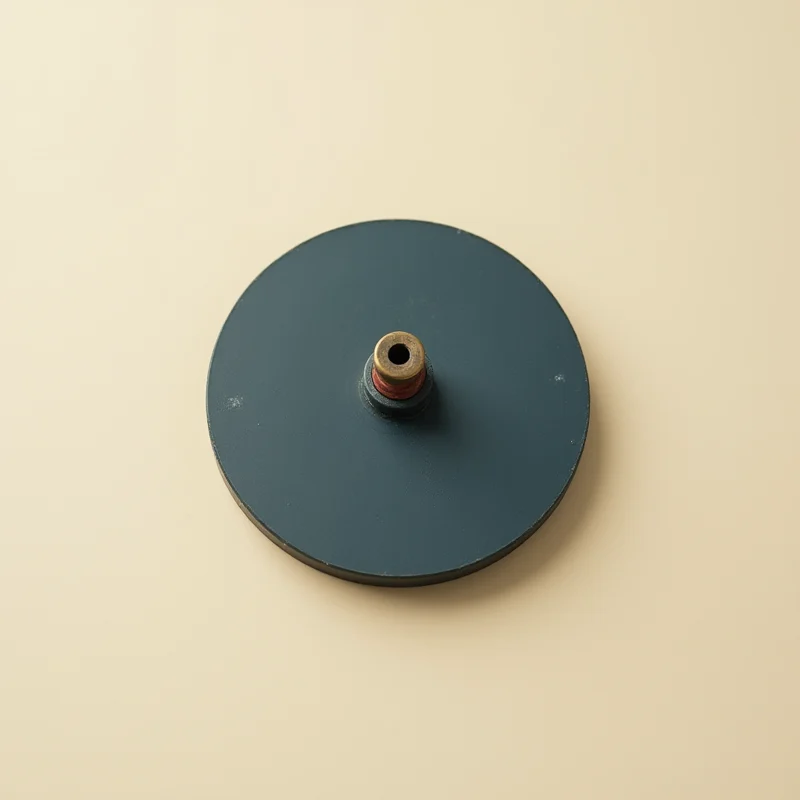
A directional diving disc that takes a bait down and out to the side — the cheapest way to widen a trolling spread.
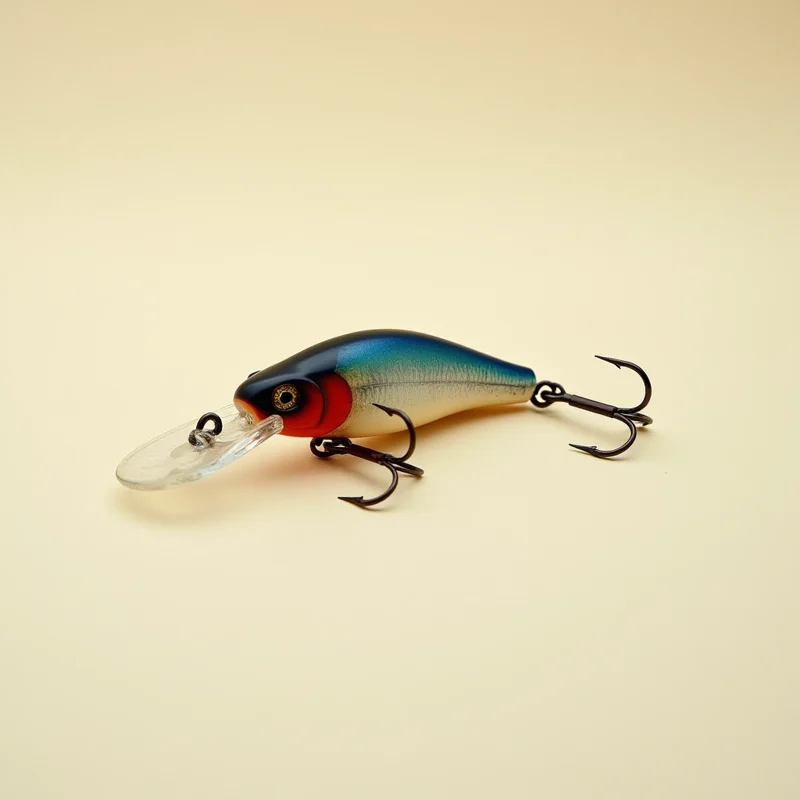
The crankbait Lake Erie walleye trolling runs on — it dives 18 to 22 feet on its own and the dive curves are published.
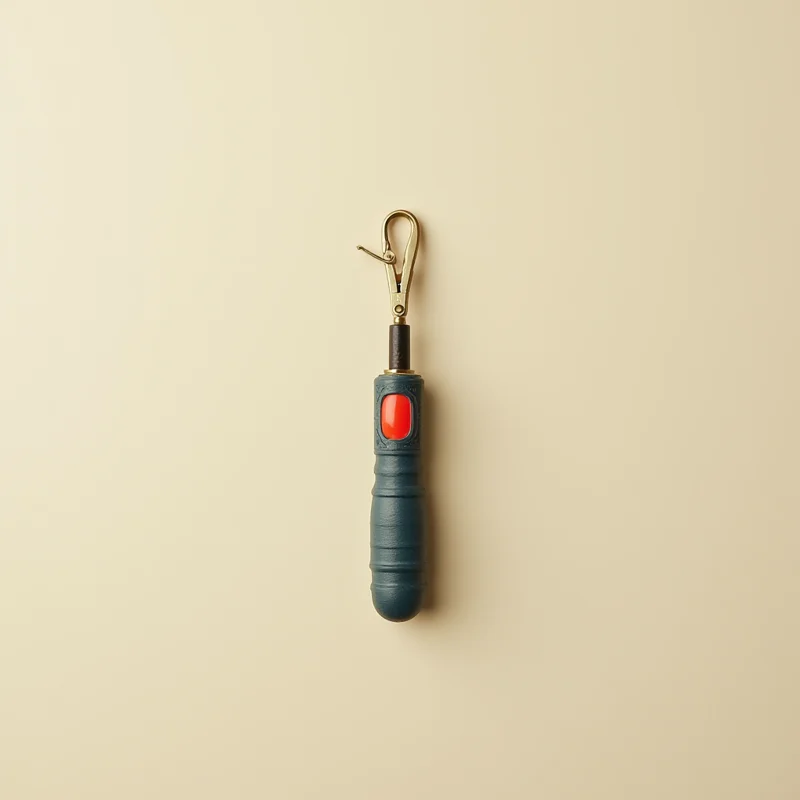
A knotless, rubber-coated net that does not strip slime or tangle trebles, in a hoop size that actually fits a Great Lakes fish.
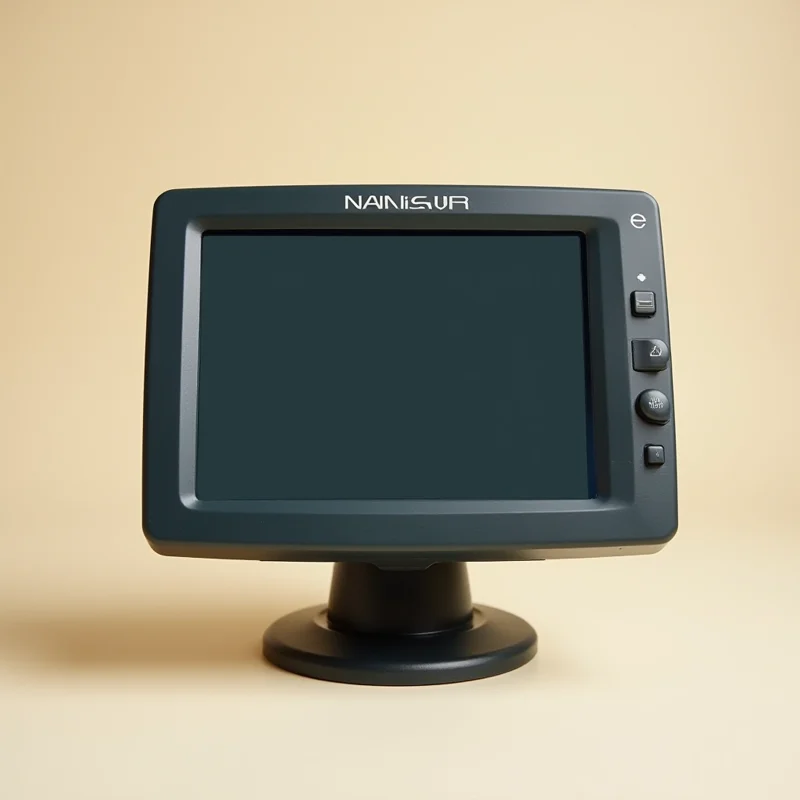
A 9-inch chartplotter-sonar with Navionics charts built in — the single most useful electronics purchase for a Great Lakes boat.
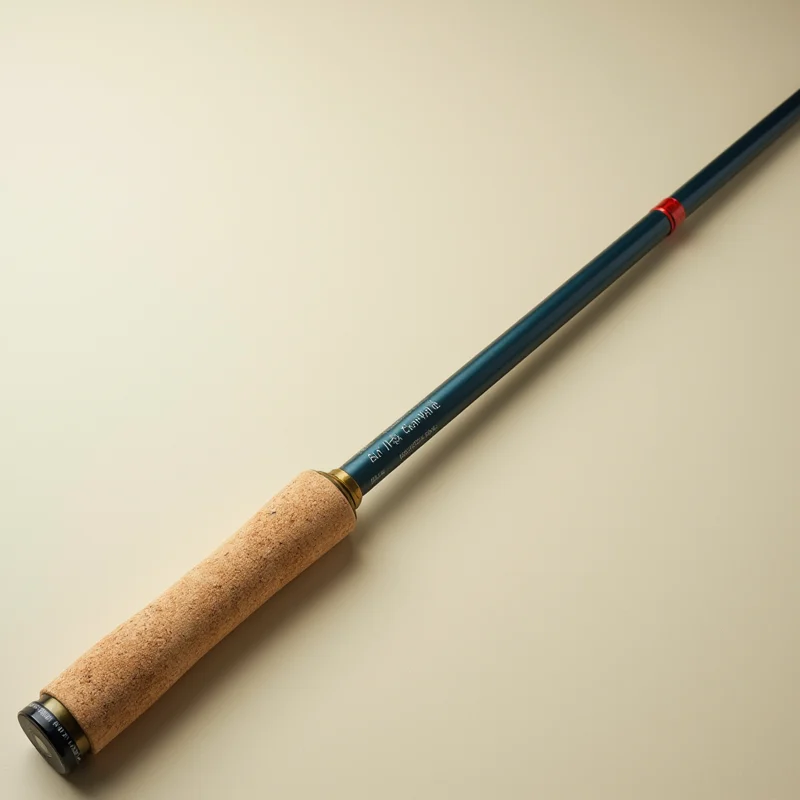
The rod most Great Lakes charter boats actually have in the holders, at a price that lets you buy six of them.
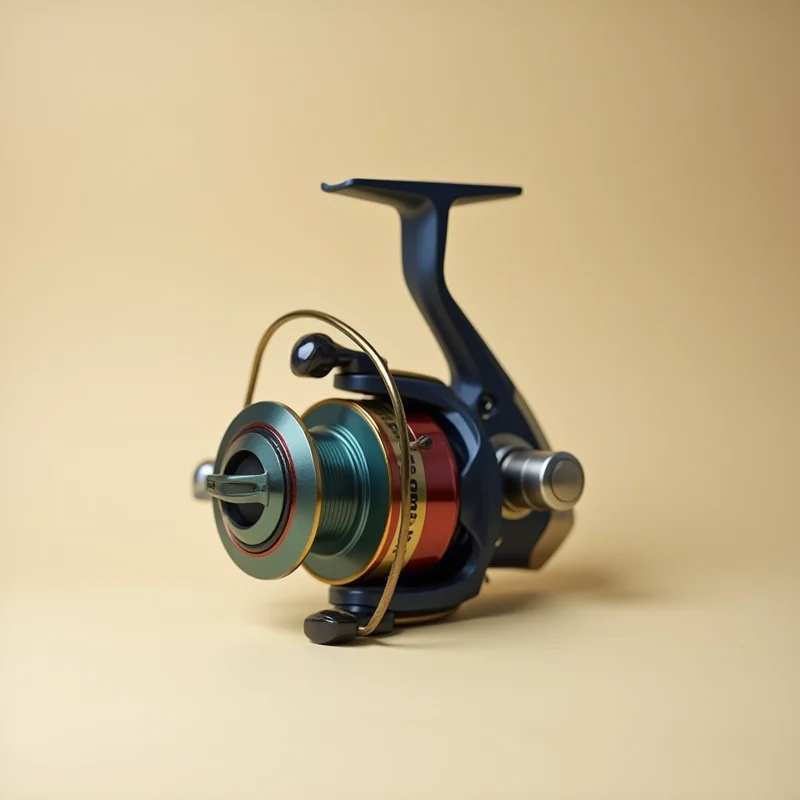
The line counter that put repeatable trolling depths within reach of everyone with a boat and eight rod holders.
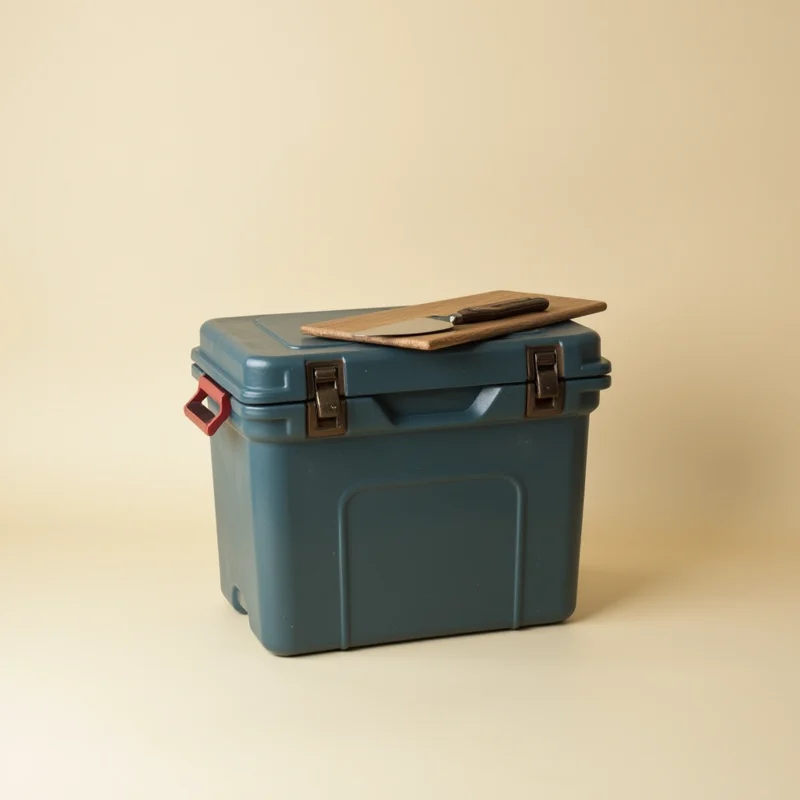
A rotomolded cooler that holds ice through a July weekend and swallows a Lake Michigan king whole, which a standard cooler does neither of.
Categories that matter for this fish
Read next
A layering system for Great Lakes spring and fall fishing: what each layer does, what cotton costs you, and why the outer shell is a safety decision.
Three ways to get a bait deep on the Great Lakes, what each costs in money and deck space, and an honest order to buy them in.
A realistic plan for a first Lake Erie walleye trip: forecast, launch, run, two proven presentations, and getting the fish home in good shape.
Ice thickness numbers, pressure ridges, current, and what safe ice on the Great Lakes actually means — plus the gear that gets you back off the ice.
What a line counter actually measures, why it drifts as the spool empties, how to calibrate one, and which reel size fits Great Lakes trolling jobs.
2D CHIRP, down imaging, side imaging, and live sonar compared for Great Lakes work, and which one earns its money on the water you fish.
Seasons, size limits, and daily bags for walleye are set by each state and change year to year. Read the current rulebook for the water you are fishing before you keep a fish — every state agency is linked here.