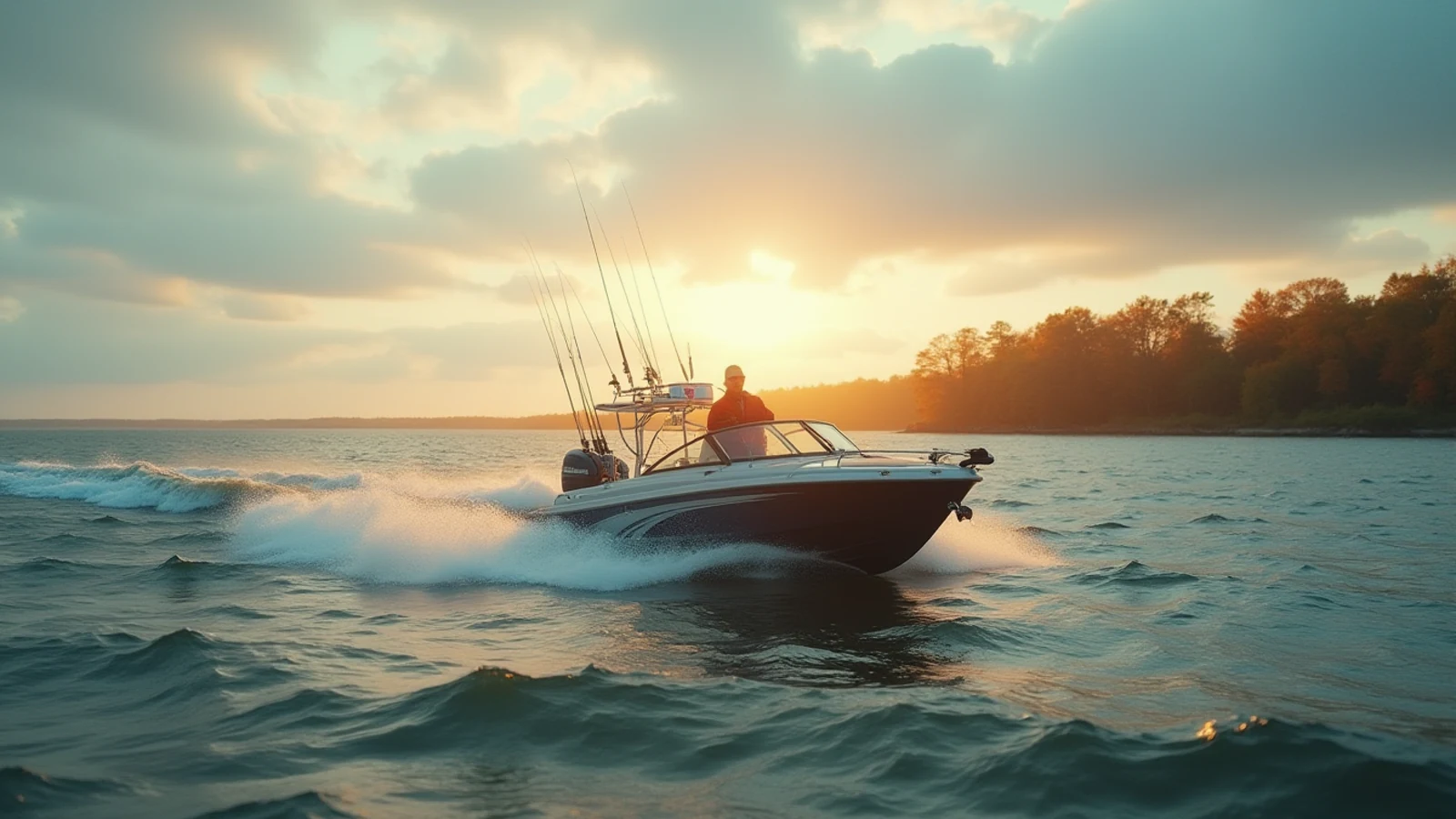
fishing · Lake Erie
Your First Day on Lake Erie: Launch, Run, and Come Home With Fish
A realistic plan for a first Lake Erie walleye trip: forecast, launch, run, two proven presentations, and getting the fish home in good shape.
Lake Erie is the friendliest of the Great Lakes to a first-timer and the least forgiving of a bad forecast. It is 9,910 square miles, averages 62 feet deep, and the western basin — the part you will fish first — is shallower than that by half. Shallow water grows more walleye per acre than anywhere in North America and stacks up into a steep, ugly chop faster than any lake on the chain.
Plan the day around those two facts and it is a very good first trip.
The night before
Read the marine forecast, not the weather app. NOAA’s Great Lakes marine forecast gives wave height and wind for each zone. For a first trip in a boat under 20 feet, one foot or less is a green light, one to two feet is a working day, and anything above two feet means go another day. Erie’s waves come close together, so two feet on Erie feels like three anywhere else.
Check a buoy. The National Data Buoy Center gives current, real conditions from buoys out in the basin. A forecast is a prediction; a buoy is a fact.
Have a turn-around rule and say it out loud. “If it hits two feet by 11 we come in.” Decisions made at the dock are better than decisions made in a building sea.
Rig the night before. Tie leaders, spool reels, charge batteries, load the cooler with ice. The ramp at 5:30 a.m. is not where you learn to tie a snell.
Buy the license and read the rules. Ohio and Michigan both sell online. Bag limits, size limits, and open seasons on Erie are set by the state and change annually — read the current regulations rather than relying on last year’s memory or a stranger’s advice.
The launch
Western basin ramps — Catawba, Mazurik, Port Clinton, Huron on the Ohio side, Bolles Harbor and Sterling State Park on the Michigan side — are deep, well-run, and slammed by 6 a.m. on a summer weekend.
Do the rest of the ramp a favor and prep in the staging lot, not on the ramp: straps off, plug in, batteries on, gear loaded, motor tilted. Backing down should take you ninety seconds. If you are new to backing a trailer, go on a Tuesday and practice in an empty parking lot first. Nobody at a Great Lakes ramp minds a slow beginner who is clearly trying; everybody minds someone doing their whole setup on the concrete.
Life jackets on before you leave the dock. Erie water in May is in the 40s and cold-water shock is the actual killer, not the swim.
The run
Pick a destination before you untie. In the western basin that usually means the reef complex — Niagara, Round, Crib, Toussaint — in spring and early summer, or open water out toward the islands and beyond as fish scatter in July and August.
Run at a speed the water allows. Quartering into a chop beats slamming straight through it. Keep the VHF on channel 16. Cell service on Erie is decent but not universal, and a handheld VHF talking directly to the Coast Guard is a different category of safety than a phone in a wet pocket.
Watch for other traffic and for the freighter channel. Commercial ships have the right of way in a practical sense whether or not the rulebook says so — they cannot stop.
Two presentations that catch fish
You do not need six techniques. You need two, done well.
Bottom bouncers and crawler harnesses. The default western basin producer from late May through summer. Run a 1.5- to 2-ounce bottom bouncer with a two-hook spinner harness and a whole nightcrawler, at 1.0 to 1.5 mph, letting out line until the bouncer ticks bottom about every ten seconds. Then hold that line. Blade color matters less than most people say; speed and bottom contact matter more. When you feel the bouncer stop ticking, let out a foot.
Trolled crankbaits. As fish suspend in summer, deep-diving walleye cranks on planer boards cover water. Set the boards wide, run 1.6 to 1.8 mph, and use line counters so that when a rod fires you can duplicate the setting on every other rod. That duplication is the entire point of a line counter reel: repeatability.
Start with harnesses in June, crankbaits in July and August, and let the day tell you.
If the walleye do not cooperate, Erie’s yellow perch are the best consolation prize in fresh water. A perch spreader rig with emerald shiners over 30 feet of hard bottom will fill a cooler and win over anyone you brought along.
Reading what you see
Erie’s sonar picture is easy compared to a deep lake. You are usually in 20 to 45 feet of water, and walleye show as low, thick arcs a few feet off bottom. Bait shows as clouds. Find the bait, find the fish. Mud lines after a blow, the edges of reefs, and any hard-to-soft bottom transition are the structure that concentrates them.
If you have marked nothing for 45 minutes, move a mile. Erie rewards movement more than patience.
Coming home with fish in good shape
Erie in July is hot and walleye go soft fast. Put fish on ice immediately — not in a bucket of lake water, not in a livewell all afternoon. A well-drained hard cooler with a bag of ice on top of the fish is the whole system.
Clean them the same day. If you are keeping fish over multiple days, vacuum sealing beats zipper bags by a wide margin for anything that goes in the freezer.
Rinse the boat, and rinse it well. Aquatic invasive species regulations require draining livewells and bilges and removing plants before you leave the ramp in every Great Lakes state. Pull the plug, dump the water, wipe the trailer down.
The honest expectations
A first Erie trip on a decent day with harnesses on the reefs should produce fish. It may not produce a limit, and it will produce more if you go with someone who has done it, or hire a charter for the first one. Charter captains out of Port Clinton and Marblehead run all summer, and a single day riding along teaches you more about speed, depth, and where the boats set up than a season of reading.
Then go do it yourself on a flat Tuesday in June. That is the day Erie is at its best.
Keep exploring
More from the field guide
Mentioned above
Gear from this guide
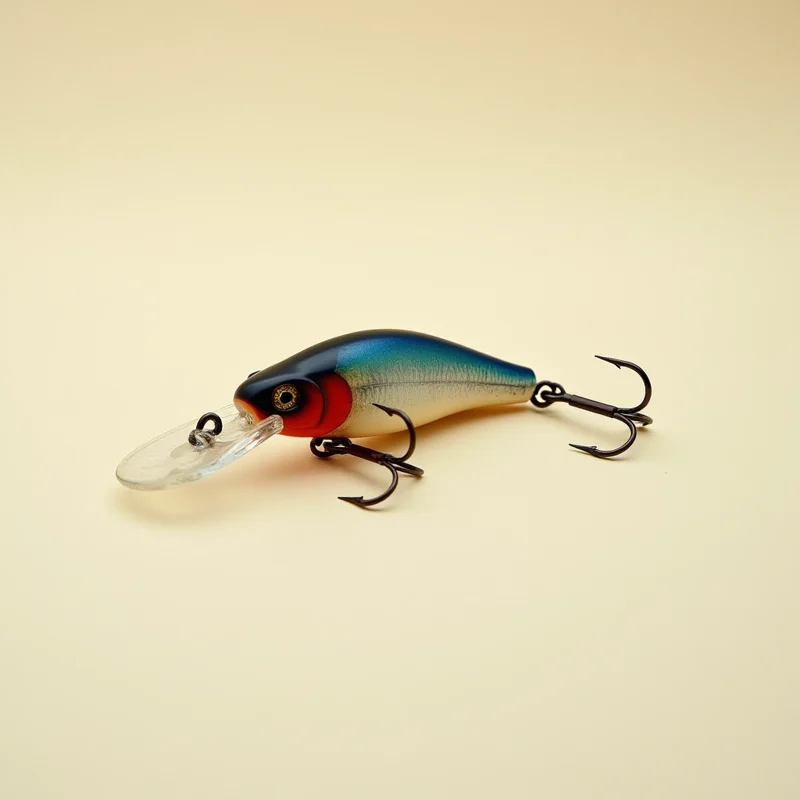
Walleye Deep Crankbait
4.6(2,600)4.6 out of 5 stars, 2,600 reviews, on Amazon at the time this was writtenThe crankbait Lake Erie walleye trolling runs on — it dives 18 to 22 feet on its own and the dive curves are published.
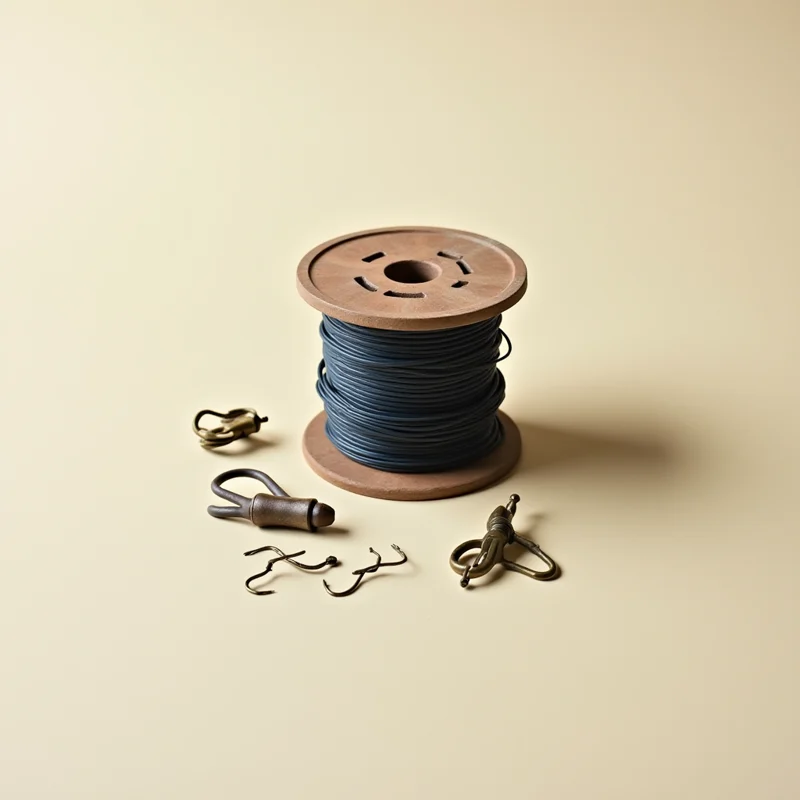
Baitfish Spinner Harness
4.4(4,600)4.4 out of 5 stars, 4,600 reviews, on Amazon at the time this was writtenThe June-through-September walleye rig on western Lake Erie, and the first terminal tackle a visiting angler should buy before a Saginaw Bay trip.
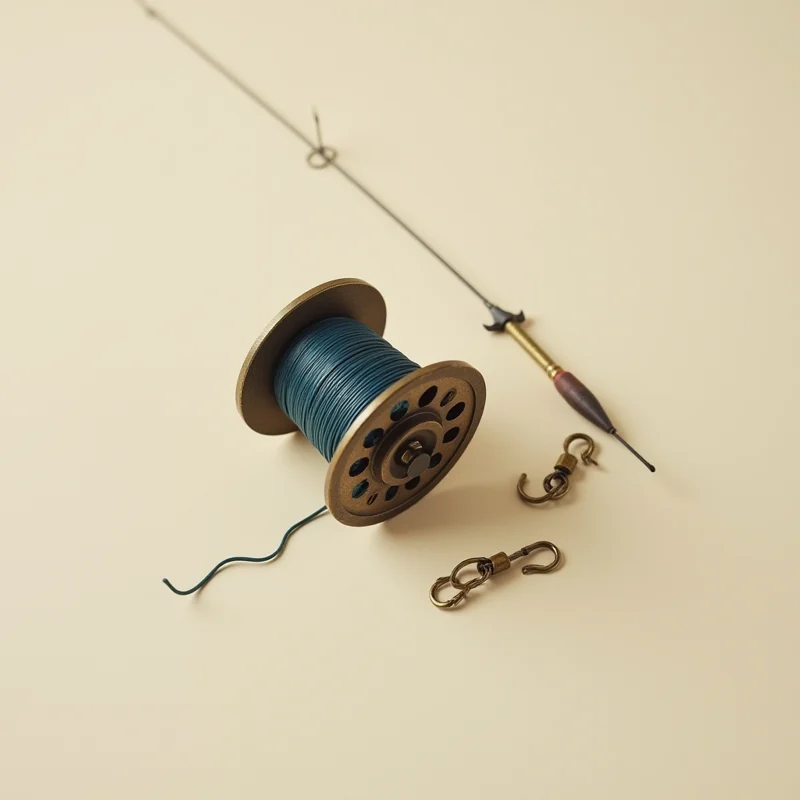
Bottom Bouncer Assortment
4.3(1,250)4.3 out of 5 stars, 1,250 reviews, on Amazon at the time this was writtenL-shaped wire weights that walk a harness along the bottom without burying it, sold in the three sizes that cover Great Lakes depths.
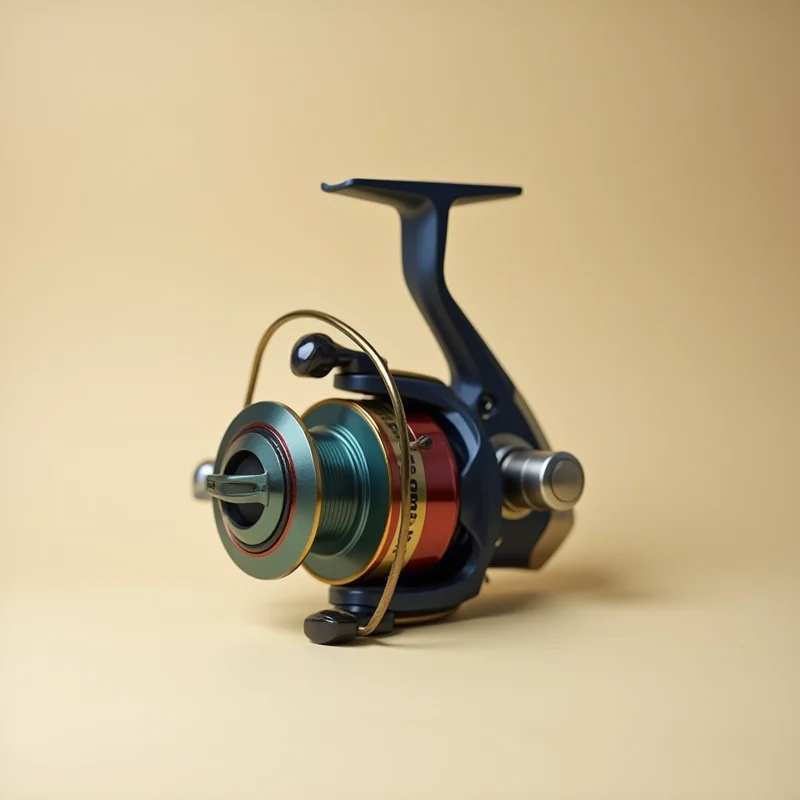
Cold Water Line Counter Reel
4.5(2,100)4.5 out of 5 stars, 2,100 reviews, on Amazon at the time this was writtenThe line counter that put repeatable trolling depths within reach of everyone with a boat and eight rod holders.
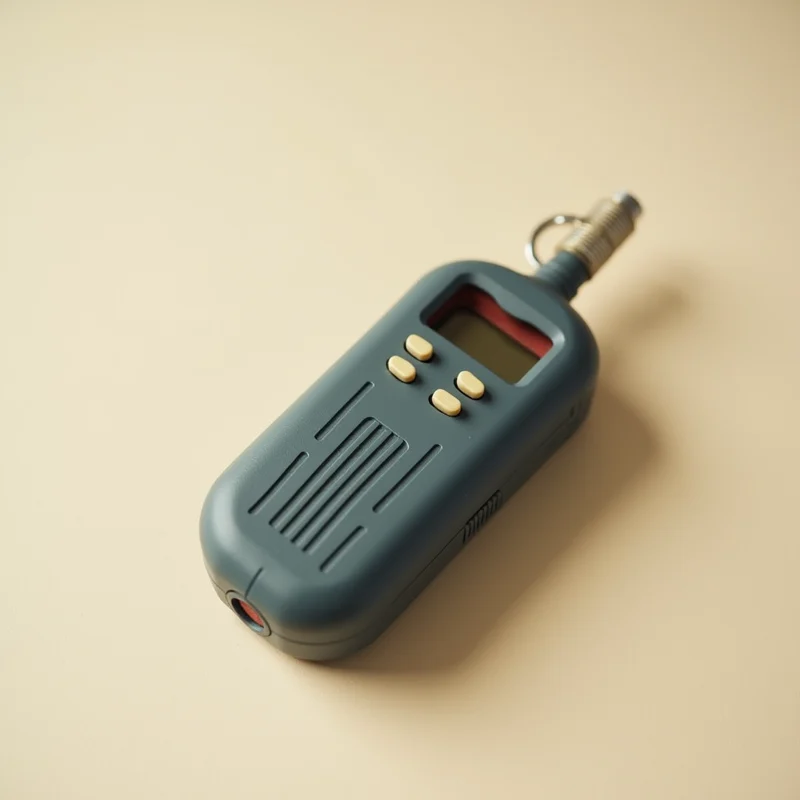
HX210 Handheld VHF
4.6(2,200)4.6 out of 5 stars, 2,200 reviews, on Amazon at the time this was writtenA floating, submersible six-watt handheld that reaches the Coast Guard when a cell phone has no bars, which offshore on Superior and Huron is most of the time.
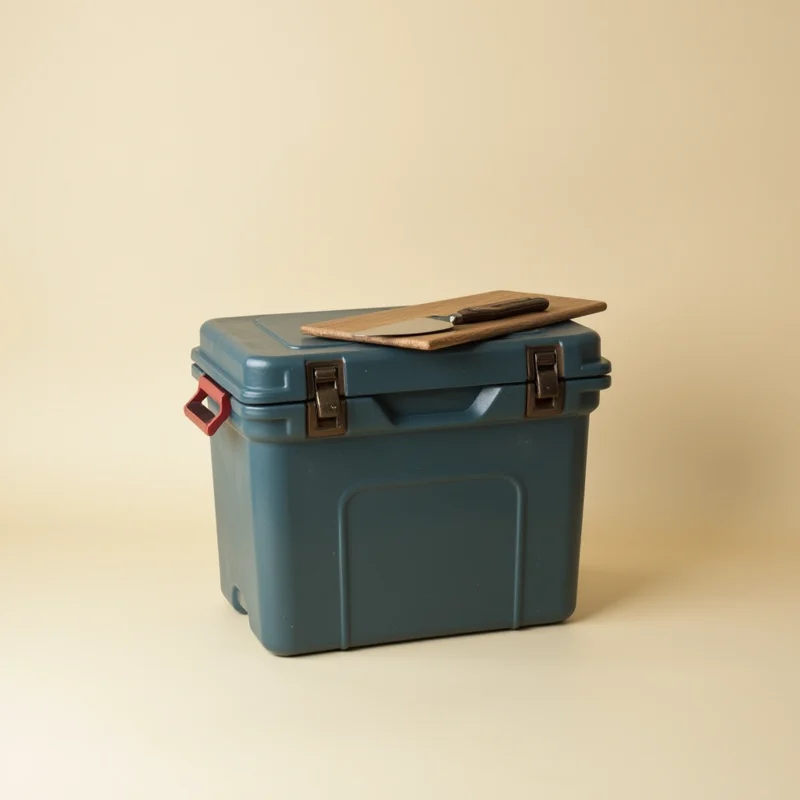
Tundra 65 Cooler
4.8(8,600)4.8 out of 5 stars, 8,600 reviews, on Amazon at the time this was writtenA rotomolded cooler that holds ice through a July weekend and swallows a Lake Michigan king whole, which a standard cooler does neither of.
Questions
- Where should a beginner launch on Lake Erie?
- Western basin ports out of Ohio — Port Clinton, Catawba, Marblehead, Huron — put you on productive water within a short run and have deep, well-maintained ramps. Michigan anglers use Bolles Harbor and Sterling State Park out of Monroe. All of them get busy by 6 a.m. on a June Saturday.
- How rough is too rough for a first trip on Lake Erie?
- If the marine forecast calls for waves over two feet, a first-timer in a boat under 18 feet should stay in. Erie averages 62 feet deep and the western basin is far shallower, so it builds a short, steep, close-spaced chop that beats a small boat far worse than the wave height suggests.
- Do I need a big boat to fish Lake Erie?
- No, but you need the right day. Plenty of 16- and 17-foot aluminum boats fish the western basin reefs safely on calm mornings. The boat is rarely the limiting factor; judgment about the forecast is.
- What are Lake Erie walleye limits?
- Bag limits, size limits, and seasons on Erie are set by each state and change from year to year, and Ohio and Michigan rules differ. Check the current regulations with Ohio DNR or Michigan DNR before you leave the dock.
Read next
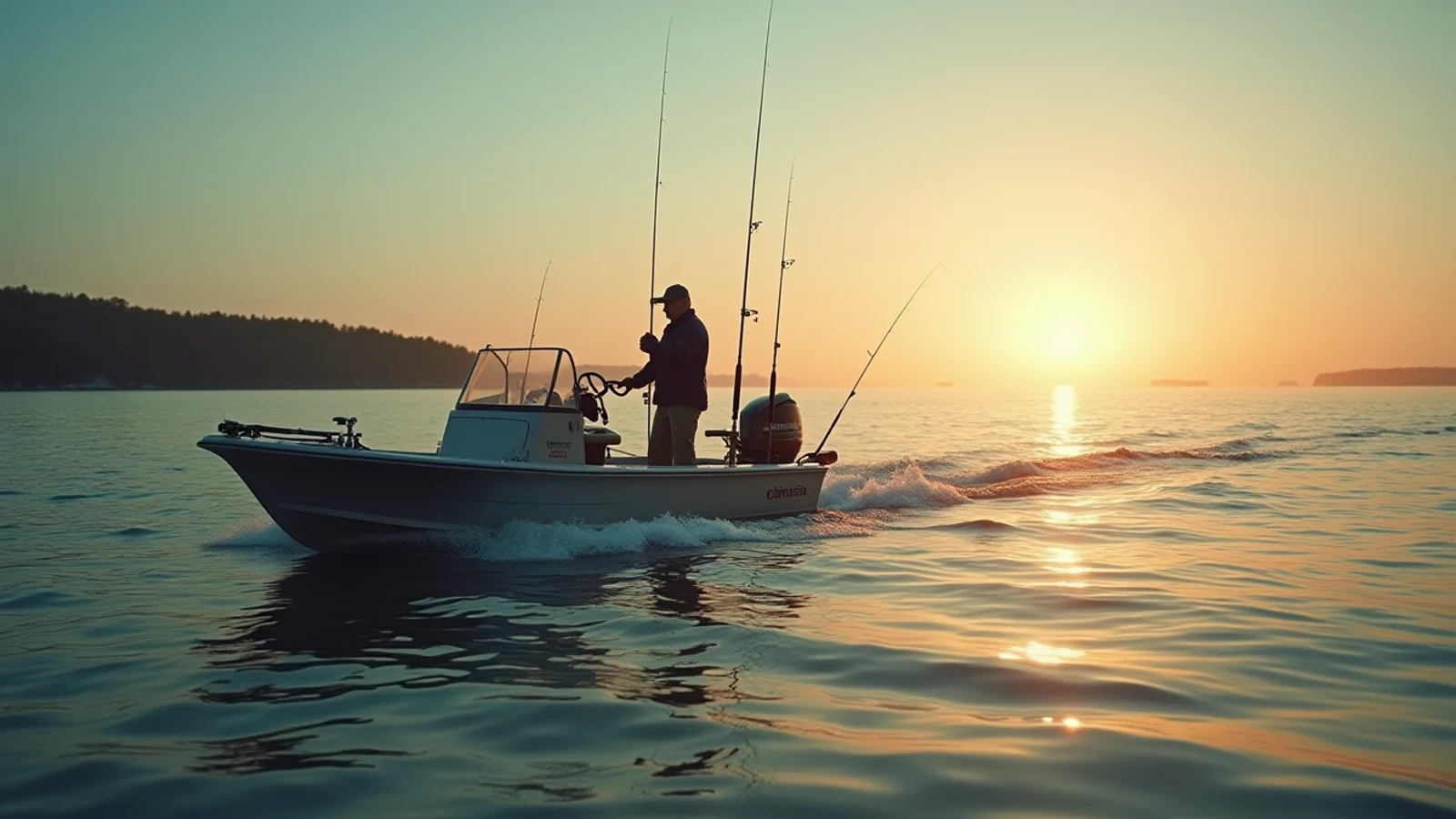
Fishing the Tributaries: Fall and Spring Runs Without Crowding Anybody
How Great Lakes steelhead and salmon runs work, what water conditions turn them on, and the river etiquette that keeps a crowded hole fishable.
Ice Fishing the Great Lakes Safely
Ice thickness numbers, pressure ridges, current, and what safe ice on the Great Lakes actually means — plus the gear that gets you back off the ice.
Trolling Speed, Lure Depth, and How to Know Where Your Bait Is
Speed at the ball vs. speed over ground, dive curves, and line counters: the math that puts a trolling bait at a known depth instead of a hopeful one.