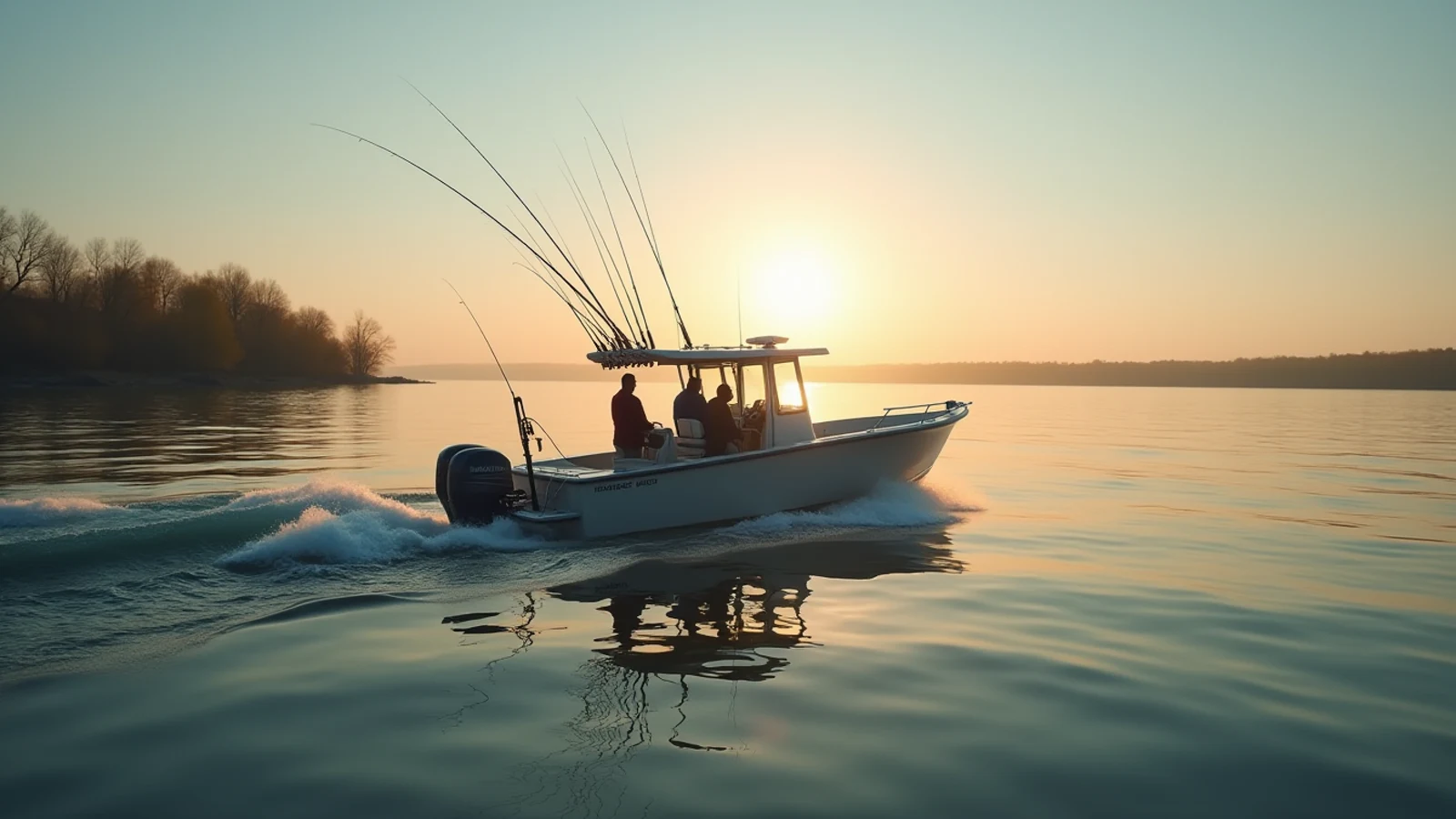
fishing · Lake Michigan
Trolling Speed, Lure Depth, and How to Know Where Your Bait Is
Speed at the ball vs. speed over ground, dive curves, and line counters: the math that puts a trolling bait at a known depth instead of a hopeful one.
There are two questions a trolling boat has to answer every minute it is running: how fast is the bait moving, and how deep is it. Everything else — color, spoon size, leader length — is a distant third. Boats that answer those two questions precisely outfish boats that guess, and the gap is not close.
Speed over ground is not speed through water
Your GPS tells you how fast the hull is crossing the earth. It says nothing about how fast water is passing your spoon 70 feet down. On the Great Lakes those numbers separate constantly. A seiche, a wind-driven surface current, or a thermocline shear can have the top 30 feet moving one direction at half a knot while the deep water sits still.
The practical symptom is familiar: you troll north at 2.4 and the riggers fire, you turn south at 2.4 and everything goes dead. Nothing about your baits changed. The water changed. Turning back into the current bumped actual lure speed to 3.0, and the kings quit.
Three ways to close the gap:
- A paddlewheel transducer on the transom reads speed through the surface water. Cheap, useful, and blind below about 10 feet.
- A downrigger probe on the cannonball transmits speed and temperature at the ball. This is the only measurement that is actually true at fishing depth, and it changes how you fish within one trip.
- Turn discipline. In the absence of a probe, note your GPS speed on the productive heading and adjust the throttle on the reciprocal heading until the rods load the same way. Watch how hard the divers pull. Rod tip load is a crude speed probe you already own.
Starting numbers you can trust
- King salmon, summer: 2.4 to 2.8 mph GPS. Spoons pull best in that band.
- King salmon, cold spring water: 1.8 to 2.2 with flasher and fly.
- Coho and steelhead: 2.6 to 3.2. They like it moving.
- Lake trout on the bottom: 1.8 to 2.4, and slower on Superior than anywhere else.
- Erie walleye on crankbaits: 1.4 to 2.2, with 1.6 to 1.8 doing most of the damage.
- Erie walleye on crawler harnesses: 0.9 to 1.5. Slow enough that boat control in wind becomes the hard part.
Those are start points, not answers. Change speed in tenths, fish the new number for 20 minutes, and let the rods vote.
Knowing your depth: four systems, four kinds of error
Downriggers are the only trolling system where you set a number and get that number. A 10-pound cannonball at 2.5 mph blows back some — usually 10 to 20 percent at 80 feet — so a rigger reading 80 is fishing closer to 70. Heavier balls reduce blowback. A probe eliminates the guessing entirely.
Divers move a bait out to the side and down at the same time. Depth is a function of the diver setting, the line diameter, and line out. Braid dives deeper than mono at the same counter reading because it has less drag. Manufacturer dive charts get you close; the honest way to calibrate is to run a diver over a known depth in shallow water until it ticks bottom, then note the counter reading. Do that once and your charts become yours.
Lead core and copper put the bait down by weight of the line itself. Lead core sinks roughly five feet per color at 2.0 mph. Copper is heavier and more consistent — 45-pound copper runs about 22 feet down per 100 feet out at typical walleye and salmon speeds. Both lift when you speed up and dive when you slow, which means a turn changes depth on every rod in the spread at once. The inside rods on a turn drop; the outside rods rise. Fish often bite on exactly that change.
Flat lines and crankbaits dive by lip design. Precision Trolling-style dive curves exist for most Great Lakes crankbaits and they work, but only if you know your actual line diameter and your line counter is honest.
Line counters lie, and they lie predictably
A line counter measures spool revolutions, not feet. As the spool empties, each revolution pays out less line, so a counter that reads accurately at 50 feet reads long at 250. Different line diameters change the number again. Two identical reels spooled by two different people will not agree.
Fix it once a season: mark a known distance on a dock or a lawn — 100 feet is plenty — pull line to your mark, and note what the counter says. If it says 112 at a true 100, you now have a correction factor and you can stop wondering why your buddy’s 150-foot setting outfishes yours.
Then keep your spread honest by spooling all the reels on a given rod group with the same line, filled to the same level, at the same time.
Snap weights and inline weights: depth without a rigger
An 8-ounce inline weight ahead of a crawler harness on Erie is not a compromise, it is the standard. The 50/50 method — 50 feet of line, add weight, 50 more feet — is repeatable, and repeatable is the whole point. Torpedo-style inline weights fish cleaner in weeds than snap weights and cost you a rod-holder fight when a big fish comes in.
Whatever you use, write it down. The boats that consistently produce are not smarter, they just keep a notebook: date, speed, depth, weight, bait, and what it caught.
Building a spread that answers the question fast
Start wide and vertical. Two riggers at two depths, two divers spread outside them, one lead core or copper running the top. Different colors on every rod. You are not trying to catch fish in the first 30 minutes — you are trying to eliminate 80 percent of the water column and 80 percent of the color chart.
When two rods at the same depth fire, move a third to that depth. When two rods with the same spoon fire, tie that spoon on a fourth rod. Collapse the spread onto the pattern and stop experimenting. The willingness to abandon a pretty, balanced spread the moment the fish tell you something specific is what separates a good day from a long one.
Keep exploring
More from the field guide
Mentioned above
Gear from this guide
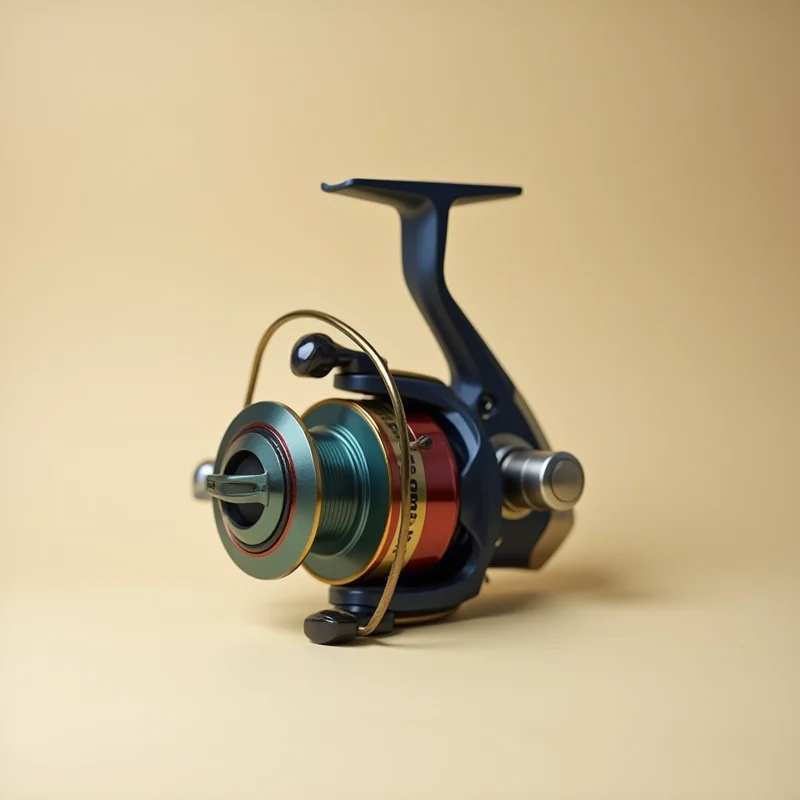
Cold Water Line Counter Reel
4.5(2,100)4.5 out of 5 stars, 2,100 reviews, on Amazon at the time this was writtenThe line counter that put repeatable trolling depths within reach of everyone with a boat and eight rod holders.
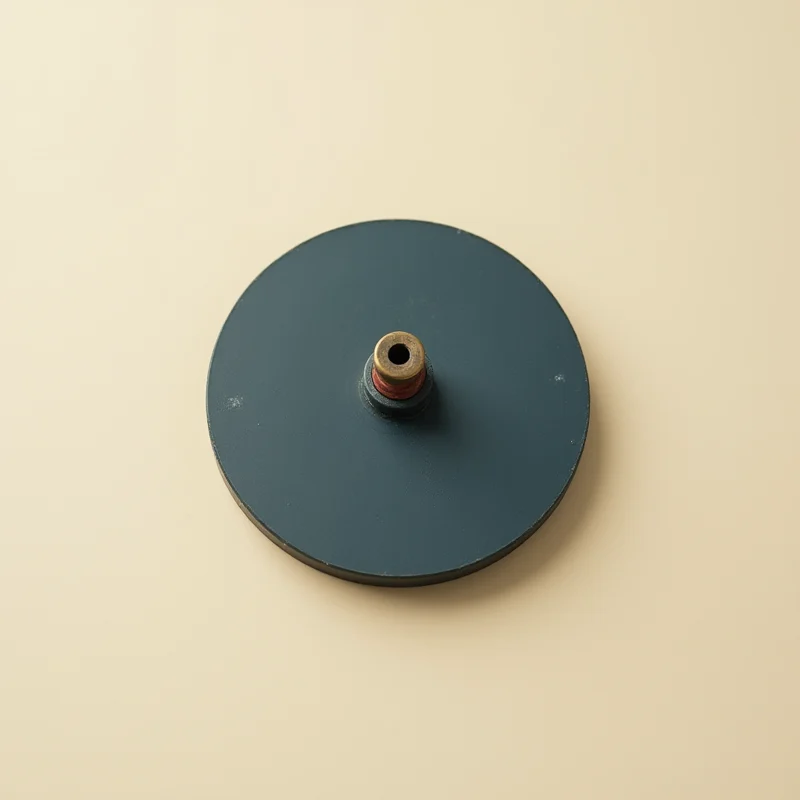
Dipsy Diver
4.6(3,800)4.6 out of 5 stars, 3,800 reviews, on Amazon at the time this was writtenA directional diving disc that takes a bait down and out to the side — the cheapest way to widen a trolling spread.
832 Advanced Lead Core
4.6(1,100)4.6 out of 5 stars, 1,100 reviews, on Amazon at the time this was writtenBraided-jacket lead core that sinks faster and takes up less spool than the old nylon-jacketed stuff.
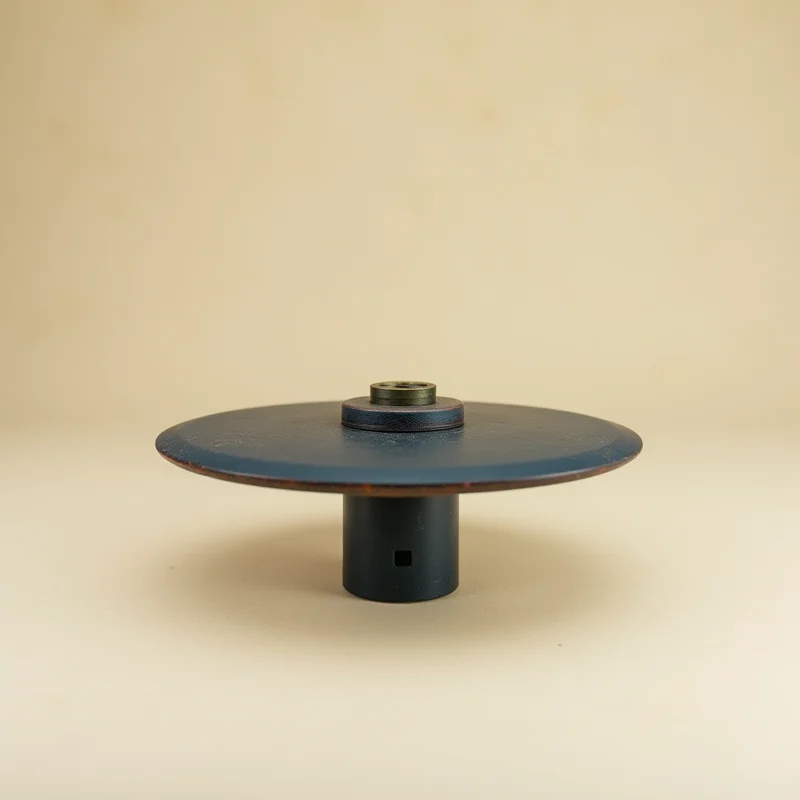
TX-44 Planer Board
4.7(2,200)4.7 out of 5 stars, 2,200 reviews, on Amazon at the time this was writtenThe in-line board that walleye trolling on Erie is essentially built around — it tracks hard, releases clean, and shows a bite.
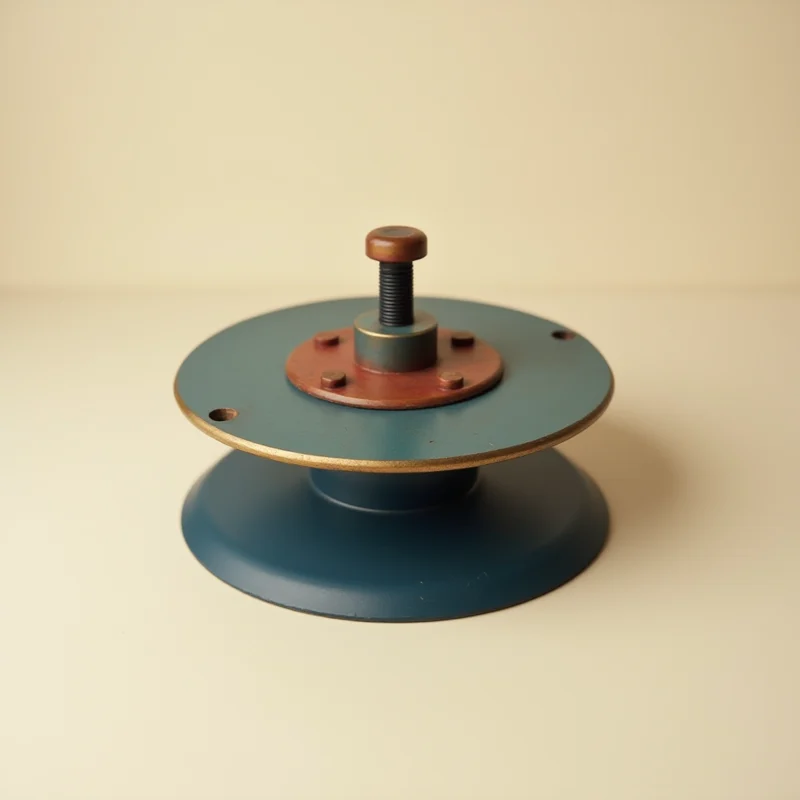
Inline Trolling Weight Set
4.4(560)4.4 out of 5 stars, 560 reviews, on Amazon at the time this was writtenShaped inline weights that add depth to a flat line or a board line without the tangle a rubber-core sinker causes.
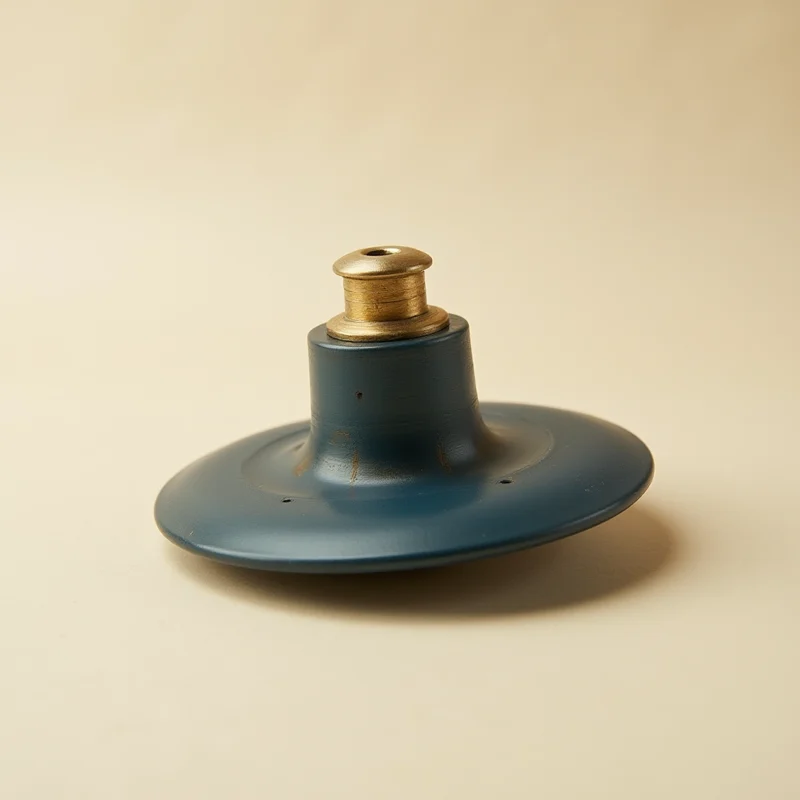
45 lb Copper Trolling Line
4.5(380)4.5 out of 5 stars, 380 reviews, on Amazon at the time this was writtenSolid copper trolling line that puts a spoon 60 to 100 feet down with no diver, no rigger, and a much better fight.
Questions
- What is the best trolling speed for Great Lakes salmon?
- Most king salmon programs run 2.2 to 2.8 mph on the GPS, with 2.5 as the default starting point. Cold early-season water often fishes better at 1.8 to 2.2. Speed at the ball can differ from GPS speed by half a knot when there is current, which is why probes exist.
- How deep does a Dipsy Diver run?
- It depends on setting, line diameter, and how much line is out. A size 1 Dipsy on the 3 setting with 30-pound braid runs roughly a third of the line out as depth, so 150 feet back is near 50 feet down. Every manufacturer publishes a dive chart, and your own results on your own line are more accurate than any chart.
- How many colors of lead core do I need to reach 30 feet?
- Classic 18-pound lead core sinks about five feet per 10-yard color at 2.0 mph, so six colors puts you near 30 feet. Faster speeds lift it, slower drops it, and adding a longer fluorocarbon leader changes the number again.
- Do I use GPS speed or paddlewheel speed for trolling?
- Use GPS speed to know where the boat is going and paddlewheel or probe speed to know what the lure feels. When they disagree by more than a couple tenths, current is moving the water and the lure speed is what the fish votes on.
Read next
Your First Day on Lake Erie: Launch, Run, and Come Home With Fish
A realistic plan for a first Lake Erie walleye trip: forecast, launch, run, two proven presentations, and getting the fish home in good shape.
Fishing the Tributaries: Fall and Spring Runs Without Crowding Anybody
How Great Lakes steelhead and salmon runs work, what water conditions turn them on, and the river etiquette that keeps a crowded hole fishable.
Ice Fishing the Great Lakes Safely
Ice thickness numbers, pressure ridges, current, and what safe ice on the Great Lakes actually means — plus the gear that gets you back off the ice.