Brown Trout
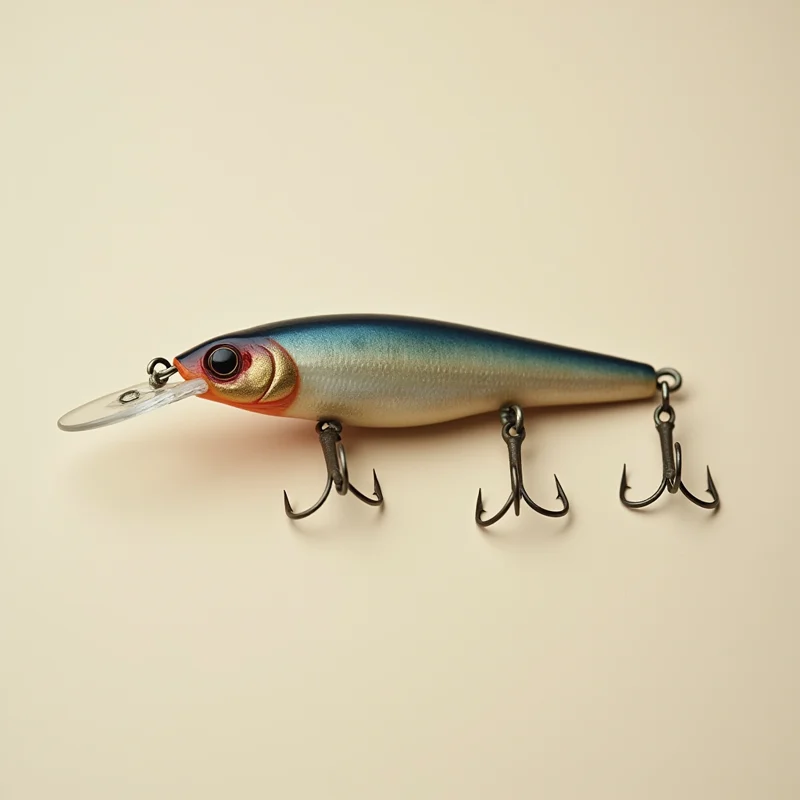
The shallow-water prize. Browns hold tight to the beach in cold water, which puts genuine 15-pound fish inside 20 feet of water within sight of shore in early spring.
The Deep End of the Chain
Smallest in surface area, but deeper than Erie and Huron and holding the heaviest average king salmon in the system. New York runs one of the most aggressive stocking programs on the chain, and the Niagara Bar in spring is as good as brown trout fishing gets.
Surface area
7,340sq mi
Max depth
802ft
Average depth
283 ft
Shoreline
712mi
Volume
393cu mi
Elevation
243 ft asl
What swims here
The shallow-water prize. Browns hold tight to the beach in cold water, which puts genuine 15-pound fish inside 20 feet of water within sight of shore in early spring.
The king. Stocked into the lakes in the 1960s to eat alewives and now the single biggest driver of Great Lakes charter money. Fights deeper and harder than anything else out there.
The fish of ten thousand casts, except on Lake St. Clair, where the population density is high enough that the number is a lot closer to a few hundred. The best muskie water on the continent.
The spring opener. Cohos school tight near the surface in April and May off the southern Lake Michigan ports, which makes them the most beginner-accessible salmon on the chain.
Ambush predator of every weed edge and back bay on the chain. Available to shore anglers, kayakers, and ice fishermen, which makes it the most democratic big fish in the system.
The native. Lakers were here before the stocking programs and survived the sea lamprey collapse in Superior when they vanished everywhere else. Deep, cold, slow-growing, long-lived.
Great Lakes smallmouth are a different animal from the river fish most anglers know: bigger, meaner, and living on open rock and grass where four pounds is an ordinary afternoon.
The people’s fish. Schooling, cooperative, catchable from a pier or a shanty, and the backbone of a Friday fish fry from Sandusky to Sheboygan.
The year on Ontario
March through May the south shore inside 30 feet is the place to be. Stained warmer water from the Niagara River and every creek mouth pulls brown trout, and the Niagara Bar off Fort Niagara is as good as brown trout fishing gets anywhere. Troll stickbaits and small spoons on planer boards in 8 to 25 feet at 2.0 to 2.5 mph. Lake trout and immature kings are mixed in. Tributary steelhead are still running through April.
By late June chinook are out over 300 to 600 feet of water holding on the 45-to-50-degree band, often 70 to 130 feet down. Downriggers, wire dipsies and copper all earn their keep. Flasher-and-fly combinations dominate here more than on any other lake. Lake trout sit on the bottom over deep structure and will fill a limit while you wait for a king. Smallmouth fishing on the eastern rock and in the Bay of Quinte country is excellent and largely ignored by the salmon fleet.
From September into November mature chinook and coho stage off Oswego, the Salmon River mouth and the Niagara before running upstream. The Salmon River at Pulaski is the largest tributary salmon run in the Great Lakes and it fills the town. Once the kings are through, steelhead and brown trout move in behind them and fish through winter. Egg patterns, beads and jigs under floats; centerpins are standard equipment here.
Ontario is deep and rarely freezes across. The winter fishery is the rivers — Salmon River steelhead and browns whenever flow and ice allow — plus protected ice on Chaumont Bay, Henderson Harbor and the eastern bays for perch, pike and walleye in a cold year. Dress for wet cold; the lake-effect belt off the east end gets enormous snow.
Ontario is the last basin in the chain and the one everything else drains through. Water arrives over Niagara Falls carrying nutrients and warmth from Erie, gets mixed hard at the bottom of the drop, and spreads into a lake deep enough to stay cold all summer. That combination — fertile inflow, cold storage — is why a comparatively small lake grows the heaviest salmon in the system.
The south shore drops off quickly. Deep water sits close to the beach, which means two things for anglers: in spring the narrow warm band along shore concentrates fish into a strip you can troll all day, and in summer the salmon are far enough out that you commit to a real run when you leave the harbor.
The east end is a different lake. Chaumont Bay, Henderson Harbor, Sackets Harbor and the water out toward the Thousand Islands is shallower, rockier, weedier and full of smallmouth, pike and walleye that the salmon fleet drives right past.
The lake also sits lowest in the chain by elevation and is governed on outflow by the Moses-Saunders dam, so water levels swing more visibly year to year than on the upper lakes. That matters mostly to marinas and shoreline property, but it shows up in launch ramp depth too.
Lake Ontario’s Atlantic salmon were gone by the late 1800s — dams on the tributaries, sawmill silt, and heavy netting. Lake trout were gone by the 1950s under sea lamprey. For a stretch of the twentieth century the lake had prodigious water quality problems and almost no coldwater sport fishery worth the name.
New York rebuilt it deliberately, and later than Michigan did. The state’s Department of Environmental Conservation began stocking chinook and coho into the Lake Ontario tributaries in the late 1960s, and scaled the program up sharply through the 1970s and 1980s while the DEC’s Salmon River hatchery came on line. Steelhead and brown trout stocking ran alongside, giving the lake a fishery in every month rather than a two-month king season. The Salmon River hatchery at Altmar is the anchor of the whole thing, and the fall run it produces reshaped Pulaski’s economy.
Ontario’s program has always been run with a closer eye on the forage base than some others. New York and Ontario province cut chinook stocking numbers in the 2010s when alewife assessments came in low, deliberately trading numbers of fish for size and stability. It is the same balance Lake Michigan managers ran into, handled with a smaller lake and a shorter feedback loop.
Lake trout are the other half of the story. Binational lake trout restoration on Ontario has been running for decades, paired with lamprey control in the tributaries, and natural reproduction has begun showing up in assessment surveys after a very long absence. That is a slower and quieter success than a 30-pound king, and arguably a more important one.
Olcott and Wilson on the western end are the spring brown trout capitals, a short run to the Niagara Bar and a big charter presence for their size.
Rochester and the Genesee River mouth put you on deep water quickly with good summer king access and a real city behind you.
Oswego is the eastern hub: harbor fishing right in town, a short run to summer salmon grounds, and the closest port to the Salmon River.
Pulaski is not a port at all — it is the town on the Salmon River, and in October it is the busiest fishing address on the Great Lakes.
Henderson Harbor and Sackets Harbor open the eastern basin: protected water, excellent smallmouth, walleye, and a completely different trip from the offshore troll.
Come in April for brown trout if you want the highest-percentage boat trip on the lake. The fish are shallow, the runs are short, and a modest boat is fine.
Come in July or August with a charter if you want a genuinely heavy chinook, and expect a long day starting in the dark.
Come in late October or November with a float rod if you want the tributaries at their best — after the crowds thin and when the steelhead have moved in behind the kings.
Watch the sky in the shoulder seasons. The east end’s lake-effect weather is not a gentle thing, and the same water that keeps the fish comfortable is what feeds the snow.
And spend a day on the east end even if you came for salmon. Chaumont Bay smallmouth on a calm September morning is one of the best-kept pieces of fishing on this entire chain.
Ports & launch towns
All 38 public Lake Ontario launches →
All 19 Lake Ontario lighthouses →
Shoreline states
Know before you go
Off the water
Eroded drumlin spires standing up to 150 feet over Lake Ontario in Wayne County, New York — a landform with no real match on the chain.
A sand beach and bluff park on Lake Ontario in Cayuga County, New York, between the lake and Little Sodus Bay.
A village on the eastern end of Lake Ontario in Jefferson County, New York — the U.S. Navy's main Great Lakes base during the War of 1812.
Read next
Two invasive species wrecked the Great Lakes food web, and a Michigan biologist answered with Pacific salmon. The history behind every charter boat here.
A layering system for Great Lakes spring and fall fishing: what each layer does, what cotton costs you, and why the outer shell is a safety decision.
Three ways to get a bait deep on the Great Lakes, what each costs in money and deck space, and an honest order to buy them in.
How Great Lakes steelhead and salmon runs work, what water conditions turn them on, and the river etiquette that keeps a crowded hole fishable.
The best swimming beaches on the Great Lakes, and how rip, structural, and channel currents form, how to spot them, and how to get out.
The Great Lakes hold more lighthouses than any coastline in America. These are the ones worth building a trip around, and what makes each one different.
Kit
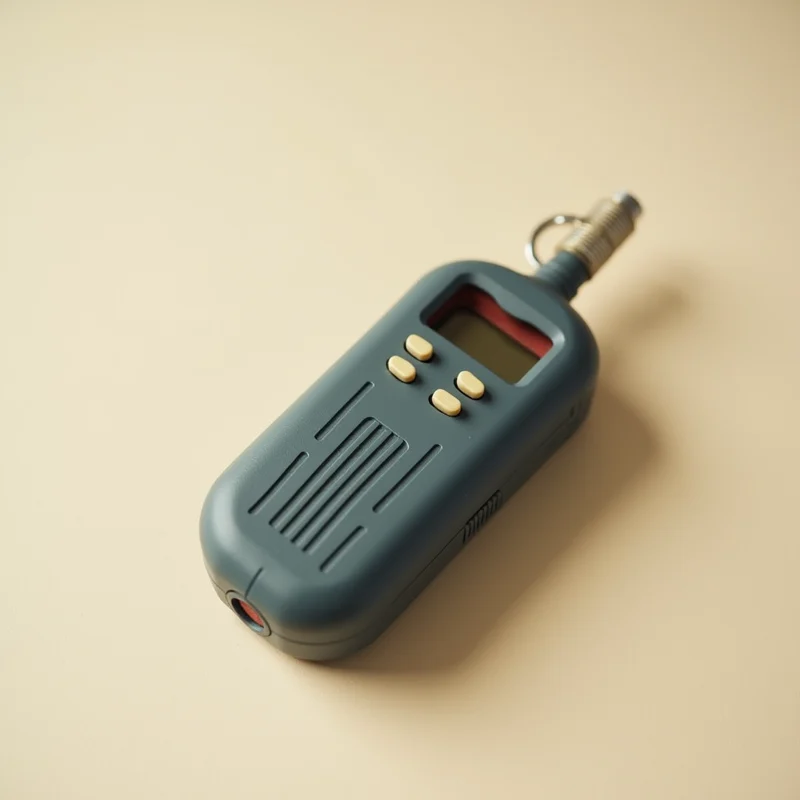
A floating, submersible six-watt handheld that reaches the Coast Guard when a cell phone has no bars, which offshore on Superior and Huron is most of the time.
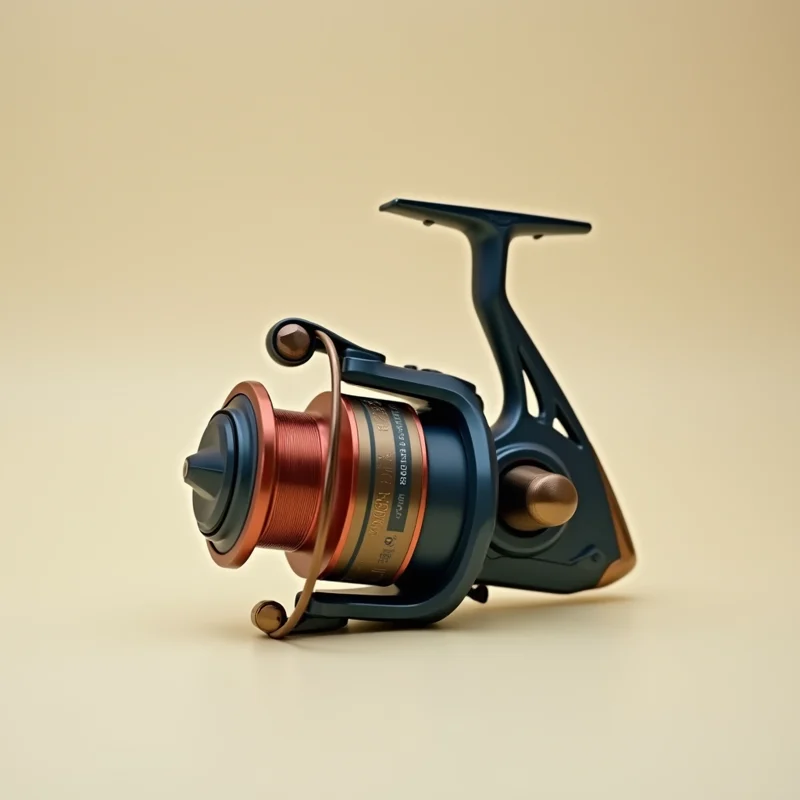
The reel the charter fleet actually runs, with a drag that stays smooth through a 20-pound king's third run.
A thin, high-action trolling spoon with genuinely long-lasting glow — the standard early-morning king spoon on Michigan and Ontario.
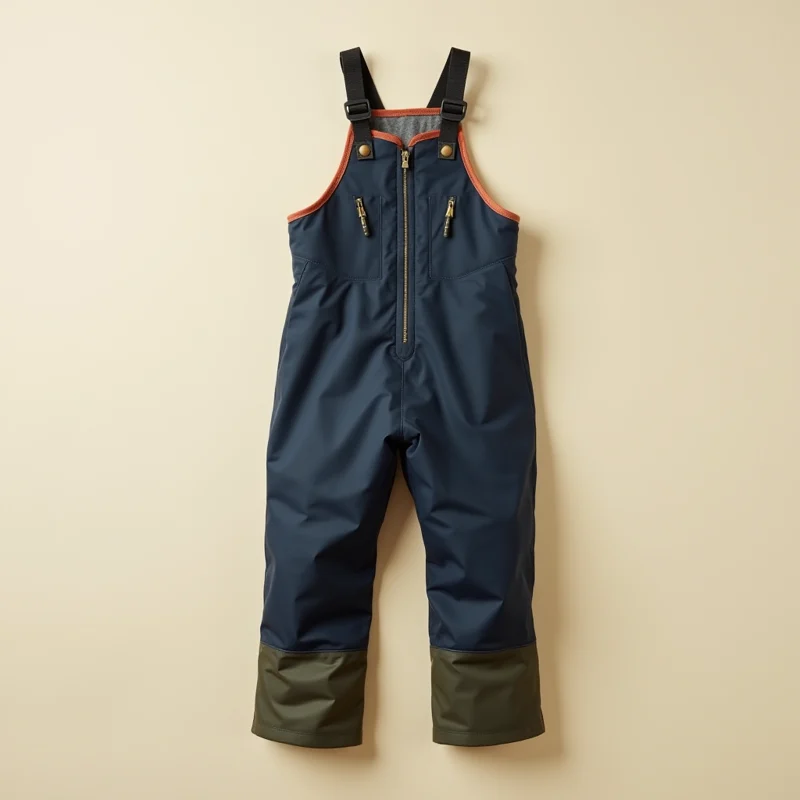
Commercial-grade PVC bibs that keep spray, rain, and fish slime off you through a full day of trolling, and that shrug off the things that destroy consumer rain gear.
Common questions