Chaumont Bay
The eastern basin's largest protected bay, out of Chaumont and Three Mile Bay. Big perch on the weed edges in fall and a strong ice fishery in a cold winter.
Yellow Perch · Lake Ontario
Lake Ontario perch fishing happens in the bays, not on the open lake, and the eastern basin around Chaumont produces the biggest fish in New York. Come in late fall or on winter ice, and expect to have most of the water to yourself.
Prime time
September through November open water; January through February on bay ice
Depths
8–25 ft over weed edges and channel breaks inside the bays
Typical size
8–11 inches
Lake max depth
802 ft
Where
The eastern basin's largest protected bay, out of Chaumont and Three Mile Bay. Big perch on the weed edges in fall and a strong ice fishery in a cold winter.
The best-known south-shore perch bay. Deep channel water inside a shallow weedy bay, with public access at the state boat launch and reliable fall fishing in 12–20 ft.
Just east of Rochester. Deep for a bay — over 70 ft in the middle — with perch stacked on the 18–28 ft slopes in late fall and through the ice.
Smaller south-shore bays between Sodus and Fair Haven. Less pressure, shallower, and best in October when the weeds start dying back.
Eastern basin, out of Dexter and Henderson. Mixed perch and smallmouth water over 10–20 ft of rock and grass.
Barrier-beach ponds south of Sackets Harbor. Shallow, weedy, and a traditional local perch and panfish ice fishery.
How
October and November. Two hooks, a 1 to 2 oz sinker, live fatheads or shiners, anchored over the outside edge of the dying cabbage in 12 to 20 feet. As the weeds break down through November, the fish slide out to the channel edge — follow them deeper rather than staying on the old spot.
January and February on Sodus, Irondequoit and Chaumont. A small spoon or tungsten jig with a minnow head over 15 to 28 feet. On Irondequoit the fish suspend on the slope rather than sitting on bottom, so watch a flasher and fish the band, not the mud.
A 3/8 oz weight with a small hook 15 inches up, worked slowly along a bay channel edge in 18 to 25 feet. This is the best presentation for late-fall fish that have moved off the weeds and are sitting on a hard break, and it also picks off the occasional walleye.
A 1/16 oz jig with a 2-inch plastic, cast to the weed pockets in North and South Sandy Ponds in 4 to 8 feet. Best in September and early October while the water is still in the 60s and the fish are shallow and aggressive.
Lake Ontario averages 283 feet deep and is the coldest, clearest lake on this site outside of Superior. It is a magnificent salmon and trout lake and a poor perch lake — except along its edges, where a chain of drowned river valleys and barrier-beach bays creates exactly the shallow, weedy, fertile water perch need.
Two clusters matter. The south shore, from Irondequoit Bay east of Rochester through Sodus Bay, Port Bay, Blind Sodus and Fair Haven. And the eastern basin, where Chaumont Bay, Black River Bay, Henderson Harbor and the Sandy Ponds sit in the sheltered corner of the lake out of Dexter and Sackets Harbor.
Sodus Bay is the flagship. It is a big, shallow, weedy bay with a deeper channel running through it, connected to the lake by a narrow inlet. Perch live on the outside edge of the cabbage all summer, and in October and November, as the weeds die back and the water cools through the 50s, they group hard on the channel edges in 12 to 20 feet.
Irondequoit Bay is the outlier: it is deep, over 70 feet in the middle, and its perch suspend on the slopes rather than sitting on bottom. That is a genuinely different fishing problem. Fish a flasher or good sonar and put the bait in the band, whether that band is at 18 feet over 26 feet of water or halfway down.
Port Bay and Blind Sodus are smaller and quieter versions of Sodus, worth a stop when Sodus has boats on every break.
Chaumont Bay is the best perch water in New York’s Great Lakes system and it is underfished. It is large, shallow, protected by Point Peninsula and Cape Vincent, and it holds heavy weed growth over hard bottom. Fall fishing there means anchoring on a weed edge in 12 to 20 feet with a spreader and live minnows.
Black River Bay and Henderson Harbor round out the area with a rock-and-grass mix that produces perch alongside smallmouth. The Sandy Ponds south of Sackets Harbor are shallow barrier-beach water and a traditional local ice fishery.
There is a reason this page keeps saying October and November. Through summer, Ontario’s bay perch are scattered through heavy vegetation and hard to concentrate. When surface temperatures drop through the low 60s and the cabbage starts breaking down, the fish come off the weeds and group on the first hard break outside them. That is when a spreader rig at anchor starts producing 30 fish instead of 6.
By late November they have moved farther out onto the channel edges in 18 to 25 feet, and a drop-shot fished slowly along the break beats a spreader.
Sodus, Irondequoit and Chaumont all support ice fishing in a cold winter, and none of them do it every year. Ontario’s bays are connected to a huge body of unfreezable water and the ice is affected by wind, current at the inlets, and mid-winter thaws. Inlet channels stay open or thin long after the main bay looks solid.
Get a current local report. Stay well away from the inlets and any channel with current under it. Carry picks. This is not the reliable, thick, drive-on ice of the upper lakes.
Lake Ontario’s fishing identity is chinook salmon and brown trout, and the charter economy from Olcott to Oswego is built around them. Perch anglers are a small minority here, which means Chaumont Bay on a Tuesday in November is often empty water holding jumbo perch. That is a rare thing on the Great Lakes and worth taking advantage of.
NYSDEC sets perch rules for Lake Ontario and its bays, and Great Lakes waters have carried limits and seasons distinct from inland New York. They are revised. Read the current regulations before your trip.
Where to put in
Dark marks are launches named in this guide. Generalized shoreline, not for navigation.
Kit
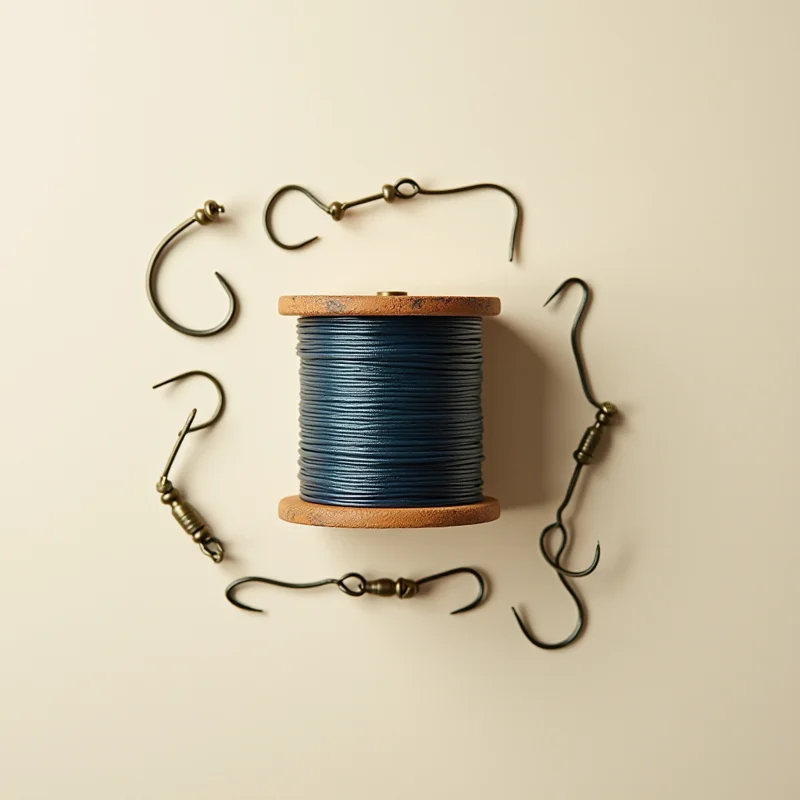
Two hooks held apart on a wire spreader so a pair of minnows fish clean above a sinker — the standard perch rig from Sandusky Bay to the Milwaukee piers.
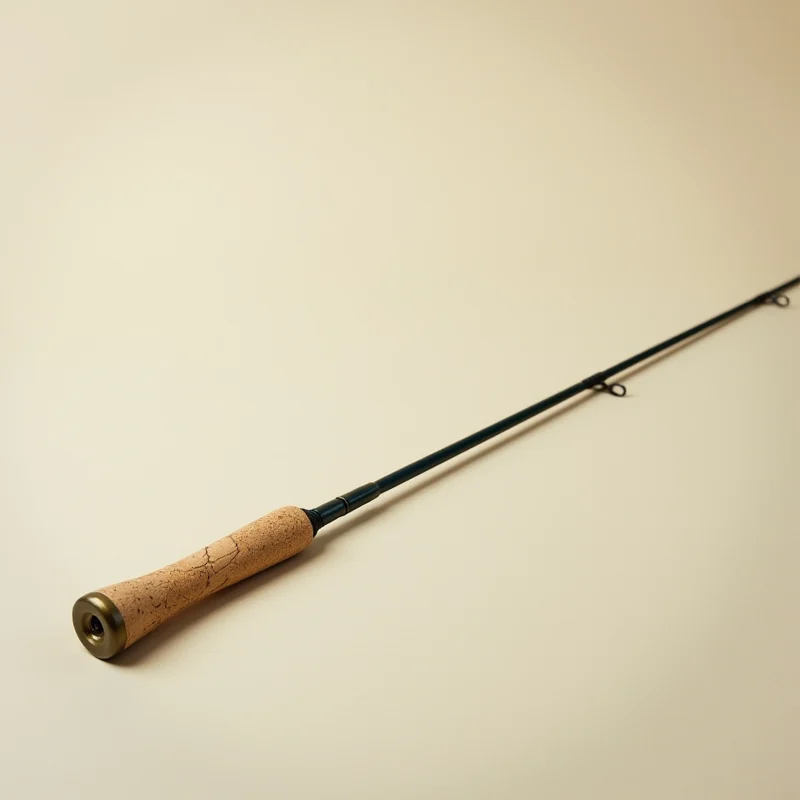
The all-purpose graphite spinning rod that covers smallmouth, walleye and perch without being the best at any one of them.
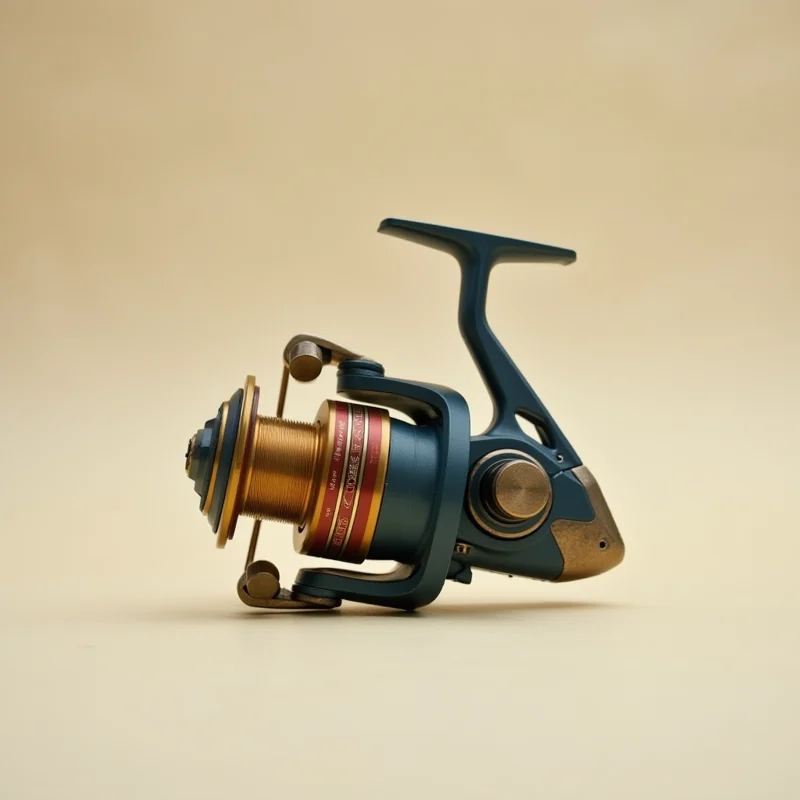
A sealed, cold-forged spinning reel that keeps its smoothness through years of spray, sand and freezing spray.
The ice rod that made a soft, evenly-loading tip standard — it shows you perch bites you would otherwise never feel.
An insulated bait bucket with a two-speed aerator that keeps emerald shiners alive all day instead of dead by ten in the morning.
Questions
Same fish, other water
Size limits, bag limits, and open seasons for yellow perch on Lake Ontario are set by NYSDEC and change from year to year. Check the current rulebook before you keep a fish.
Sources
Last updated 2026-09-01