The water off Huron
The classic Ohio perch port. Runs of three to eight miles put you on 45–58 ft of mud and shell that holds schools from September on.
Yellow Perch · Lake Erie
Lake Erie grows more yellow perch than any water in North America, and from September through November they are stacked in 45 to 65 feet off the Ohio central basin ports. Bring a bucket of emerald shiners, a spreader rig, and a cooler you are prepared to fill.
Prime time
Late August through November, with October the peak
Depths
30–45 ft in the western basin; 45–65 ft off the central basin ports
Typical size
8–11 inches
Lake max depth
210 ft
Where
The classic Ohio perch port. Runs of three to eight miles put you on 45–58 ft of mud and shell that holds schools from September on.
Deeper, 50–62 ft, and often the first central basin port to turn on in late August. Short run from the Black River launch.
The eastern Ohio ports. Colder, deeper water and the best average size of the Ohio fleet in late October and November.
Western basin perch on hard bottom in 25–38 ft. Faster limits when it is on, smaller average fish than the central basin.
Protected water inside the peninsula. Perch through fall and hard-water perch in a cold winter, with genuine shore and pier access from the state park.
Shallower western basin perch water. Watch the Camp Perry range closure flags — the boundary is enforced and the range boat will move you.
How
The Lake Erie standard and nothing beats it. Two hooks on a spreader, a 1.5 to 3 oz sinker depending on drift and depth, a live emerald shiner on each hook. Drop to bottom, crank up two turns, and hold still. When you feel the tap, wait one beat before lifting — you are trying to load the second hook.
Drift with the wind until you find fish on the sonar, then drop a marker and anchor upwind so the boat holds over the school. Perch schools are tight; ten feet of drift off the edge is the difference between a fish a minute and nothing.
For jumbo perch in cold water, late October into November. A 1/8 to 1/4 oz jigging spoon tipped with a minnow head, lifted six inches and dropped on a controlled line. Fewer bites, better fish, and no shiner bucket to keep alive.
When four boats have already worked a school. A 3/8 oz weight, an 18-inch tag, a single small hook with a shiner or a soft plastic minnow. Keeps the bait dead-still off bottom while the weight holds contact in a drift.
Walleye pay for Erie’s charter fleet. Perch feed the towns. From Monroe to Dunkirk, the fall perch run is the fishery that people take a Tuesday off for, that fills church fish fries, and that a family can do out of a 16-foot boat with two rods and a bucket of shiners.
Erie produces them in volume for the same reason it produces walleye in volume: it is shallow, warm, sunlit and enormously fertile. The difference is that perch are not going anywhere. They live in the same basins year-round, they school tightly, and once you find a school you can stay on it.
August. Fish start grouping in the central basin off Lorain and Huron in 48 to 60 feet. Scattered, but the first real limits of the year come in.
September. It builds. Schools tighten and the run out of Huron shortens. Western basin fish set up on the shoals around Kelleys and the Bass Islands in 25 to 38 feet.
October. The peak. Central basin fish in 45 to 65 feet, jumbos in the mix, and the fleet knows it. Weekday mornings are meaningfully better than weekend mornings simply because a school breaks up under pressure.
November. Colder, deeper, fewer boats, biggest average fish of the year. Also the month with the least forgiving weather.
Winter. Presque Isle Bay in Pennsylvania and the protected western basin bays can offer hard-water perch in a cold year. Erie ice is unreliable, wind-driven and prone to breaking free. Do not go out on a hunch.
Perch mark as a fuzzy band a few feet off bottom, and they can be dense enough to show as a solid smear. What matters is that the school is small in area. You may be sitting on the edge of a hundred fish and catching one every ten minutes; move the boat thirty feet and it becomes a fish a drop.
The standard method is to drift until you contact, mark the spot, and then anchor upwind so the boat sits over the fish. On a light day a drift sock lets you keep drifting slowly through the school instead of anchoring. In a hard wind, anchor — you will not hold a school otherwise.
Depth control is the other half. Perch feed up, not down. Get the rig to bottom and crank up two turns. Sitting on the mud catches gobies.
Two hooks on wire arms, a sinker below, a live shiner hooked once through the nose or behind the dorsal on each hook. Heavy enough sinker to keep the rig vertical — in a two-mph drift over 55 feet, that means 3 ounces, not 1.
The technique is stillness. Perch inspect. Hold the rod steady, let the bait sit, and when you feel the first tap, do not set. Wait for the second hook to load, then lift smoothly. Two-at-a-time is the whole point of the rig.
A 12-inch-plus Erie perch is a different animal from the 8-inch school fish, and it behaves like one. Jumbos hold on the edges of the main school, often slightly deeper, and they will take a jigging spoon or a blade bait that the little ones ignore. Late October and November, in the coldest water you are willing to fish, on the deepest end of the range.
Erie averages 62 feet and the central basin perch grounds sit five to eight miles offshore. That combination is what makes the lake dangerous. A northwest wind building to 20 knots turns a flat morning into a steep four-foot chop in under an hour, and the ride back to Huron or Lorain is directly into it. The perch fleet gets caught out every fall.
Watch the afternoon wind shift. Have a hard turnaround time. Carry a VHF and a throwable. Erie does not give you the long-period swell of Superior that you can quarter across — it gives you short, steep, stacked water that beats a small hull apart.
Perch limits on Erie vary by state and, within Ohio, by management zone, and they are adjusted based on the annual stock assessment. Never carry last season’s number in your head. Read the current rules from the managing agency before you launch.
Where to put in
Dark marks are launches named in this guide. Generalized shoreline, not for navigation.
Kit
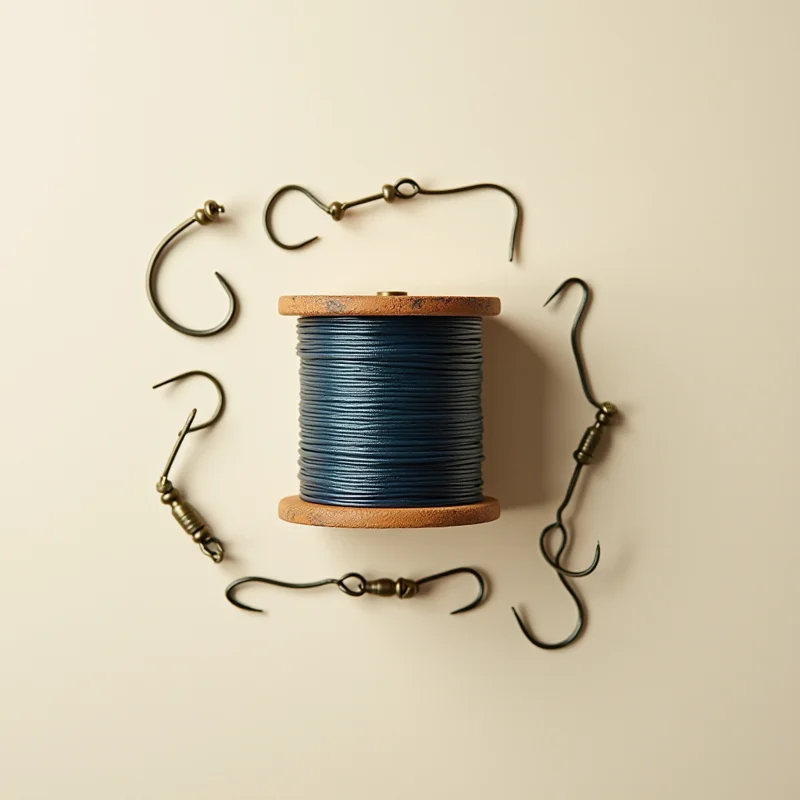
Two hooks held apart on a wire spreader so a pair of minnows fish clean above a sinker — the standard perch rig from Sandusky Bay to the Milwaukee piers.
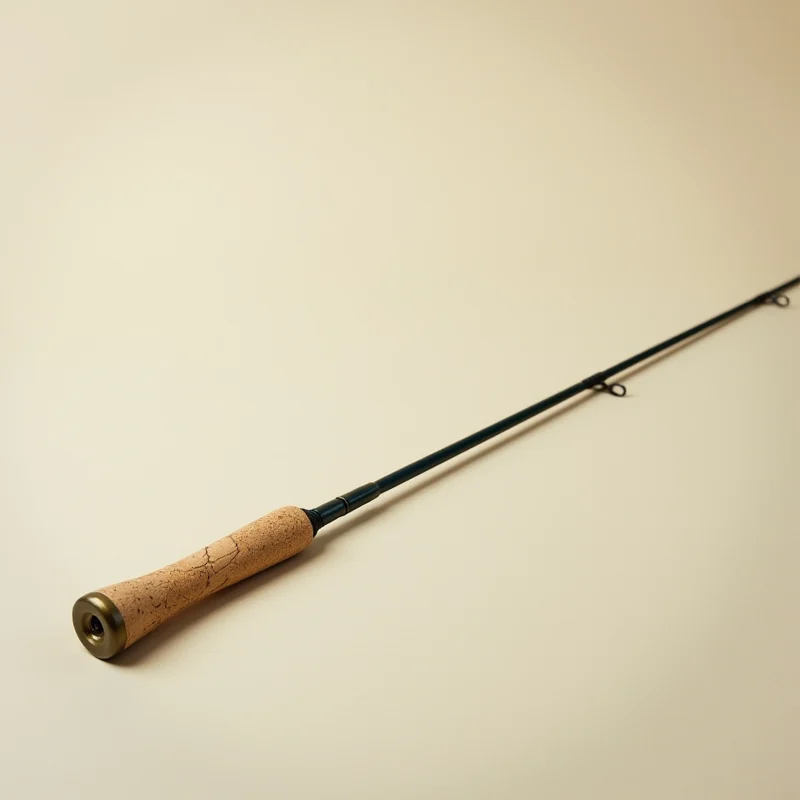
The all-purpose graphite spinning rod that covers smallmouth, walleye and perch without being the best at any one of them.
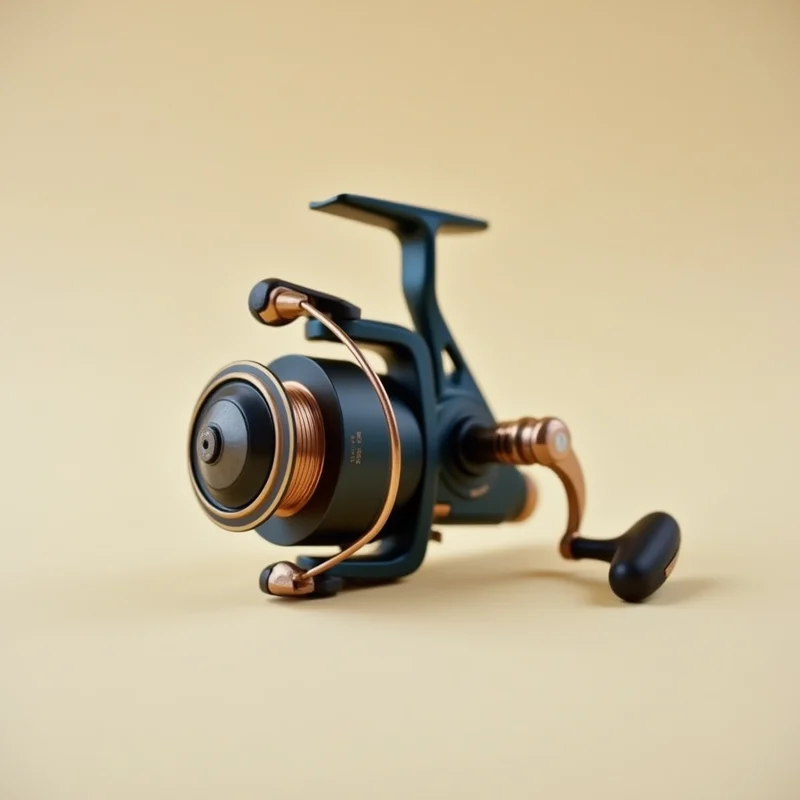
The best spinning reel under $80 by a wide margin, and the correct first real reel for a Great Lakes angler.
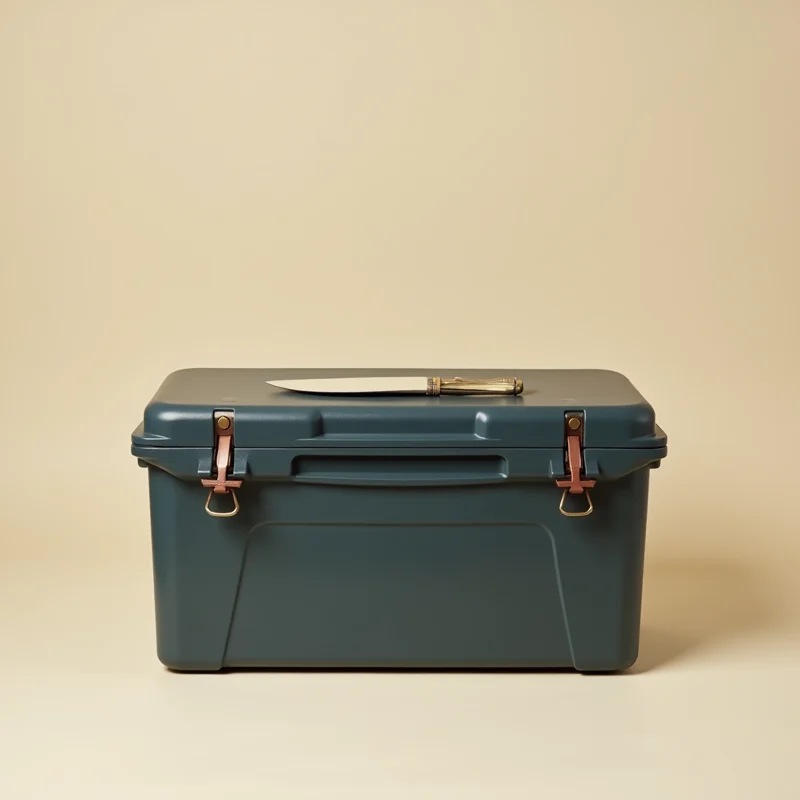
An insulated bait bucket with a two-speed aerator that keeps emerald shiners alive all day instead of dead by ten in the morning.
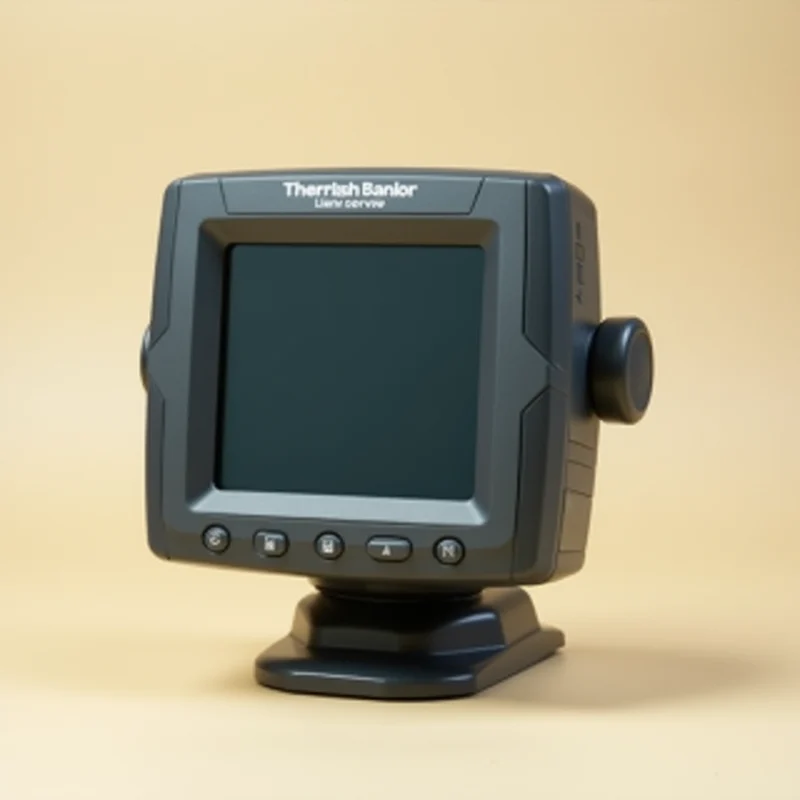
The value 7-inch unit — CHIRP, down and side scan in one transducer, at half the price of the tier above.
Questions
Same fish, other water
Size limits, bag limits, and open seasons for yellow perch on Lake Erie are set by Michigan DNR, NYSDEC, Ohio DNR Division of Wildlife and PA Fish & Boat Commission and change from year to year. Check the current rulebook before you keep a fish.
Sources
Last updated 2026-09-01