Bay Port and Wildfowl Bay
The southeast corner of Saginaw Bay, and the historic center of the Great Lakes commercial perch trade. Shallow sand and grass in 6–12 ft that holds perch all summer.
Yellow Perch · Lake Huron
Saginaw Bay and the Les Cheneaux Islands are the two Lake Huron perch fisheries worth planning a trip around, and they could not be more different. The bay gives you numbers from a boat; Les Cheneaux gives you the best jumbo perch ice fishing in Michigan.
Prime time
July through October on Saginaw Bay; January through early March on the Les Cheneaux ice
Depths
6–18 ft on the Saginaw Bay flats; 12–30 ft in the Les Cheneaux channels
Typical size
8–11 inches
Lake max depth
750 ft
Where
The southeast corner of Saginaw Bay, and the historic center of the Great Lakes commercial perch trade. Shallow sand and grass in 6–12 ft that holds perch all summer.
A maze of protected channels at the north end of the lake. Winter perch here run bigger than anywhere else on Huron, and the islands break the wind well enough to make ice reliably.
Inner Saginaw Bay shallows on the east shore. Warms early, fishes from a small boat, and holds perch mixed with pike along the grass lines.
The protected pocket behind Tawas Point at the north side of the bay mouth. Perch through summer and into fall in 10–20 ft, with a state harbor and easy access.
West-shore inner bay. Shallow structure that holds perch in the same water walleye anglers troll, and often at the same time.
The northwest shoulder of the bay. Good late-summer perch in 12–20 ft, and one of the better bets when the inner bay is too warm.
How
July through October in Saginaw Bay. A two-hook spreader with a 1 to 2 oz sinker and live minnows, held dead over 8 to 16 feet of sand and scattered grass. Anchor once you find a school — the bay's schools are tight and a drift takes you off in under a minute.
January through early March, over 12 to 30 feet between the islands. A small jigging spoon or a heavy tungsten jig with a minnow head, dropped to bottom, pounded twice, then lifted a foot and held. The jumbos come through in waves — sit still and let them arrive rather than hole-hopping every ten minutes.
A 1/16 to 1/8 oz jig with a minnow or a small plastic, drifted along the outside edge of the cabbage in 6 to 12 feet with a drift sock controlling speed. This is the best way to cover water in the inner bay when the schools have not grouped yet in early summer.
February and March on the inner bay in 8 to 14 feet. Same spoon-and-minnow-head presentation as the Les Cheneaux. Saginaw Bay ice is wind-driven and has broken free with anglers on it more than once — this is a fishery that requires a current local report every single time.
Lake Huron has more shoreline than any other Great Lake — 3,827 miles including islands — and most of it is quiet. For perch, two areas matter, and they sit at opposite ends of the state.
Saginaw Bay is the volume fishery: a shallow, warm, fertile bite taken out of Michigan’s east coast, fishable from Bay City, Sebewaing, Bay Port, Au Gres and Tawas. The Les Cheneaux Islands, up at the northern tip near Cedarville and Hessel, are the quality fishery: a protected maze of channels that produces the best jumbo perch ice fishing in Michigan.
The inner bay is a shallow bowl — much of it under 20 feet — of sand, gravel bars and cabbage. Perch use all of it. From July into October they school on the flats in 6 to 16 feet, often in the same water the walleye fleet is trolling.
The method is a spreader rig with live minnows, held still. The critical detail is anchoring. Saginaw Bay perch schools are compact, and in a wind you will drift through one in less than a minute. Find them with a drift, mark the spot, and set an anchor upwind so the boat sits on top of the fish.
Bay Port and Wildfowl Bay in the southeast corner are the historic heart of this fishery. Bay Port was one of the largest freshwater fish shipping points in the country when the commercial perch trade was at its height, and the shallow grass and sand out front still holds fish.
Note that the inner bay gets stained. Visibility is often two to four feet, which is the opposite of St. Clair and it changes what you fish: brighter jig heads, larger baits, and less concern about the boat sitting directly over the school.
Thirty-six islands off the north shore, forming a network of narrow protected channels around the towns of Cedarville and Hessel. The islands break the wind, the channels are deep enough — 12 to 30 feet — to hold fish, and the ice sets up more reliably than on any exposed part of the lake.
The perch here are big. A 12- to 14-inch fish is not the story of the day. The fishery has been a Michigan winter institution for generations, and it is genuinely worth the drive from downstate.
The presentation is a small jigging spoon or a heavy tungsten jig with a minnow head. Drop to bottom, pound twice to raise silt, lift a foot, and stop. Jumbo perch travel in waves through the channels, so patience beats hole-hopping — settle on a good depth transition and let them come to you.
Saginaw Bay also has an ice fishery, and it is the more dangerous of the two by a wide margin. The bay is broad, shallow, and completely exposed. Wind-driven ice breaks free from shore, and anglers have needed rescue from drifting sheets more than once. There are years when the bay never sets up safely at all.
Never go out without a current local report from someone who was on the ice that day. Carry picks, fish with a partner, and pay attention to a forecast that turns the wind offshore.
Erie perch is a deep-water fall fishery — 45 to 65 feet, five to eight miles offshore, out of Ohio ports. Saginaw Bay perch is a shallow-water summer and fall fishery in 6 to 16 feet, often within sight of the launch. Erie gives you more fish. Huron gives you shorter runs, smaller boats, and in the Les Cheneaux, bigger fish.
Michigan manages Lake Huron perch, and Saginaw Bay has at times carried rules distinct from the rest of the lake. Limits change. Check the current Michigan DNR guide before you fish.
Where to put in
Dark marks are launches named in this guide. Generalized shoreline, not for navigation.
Kit
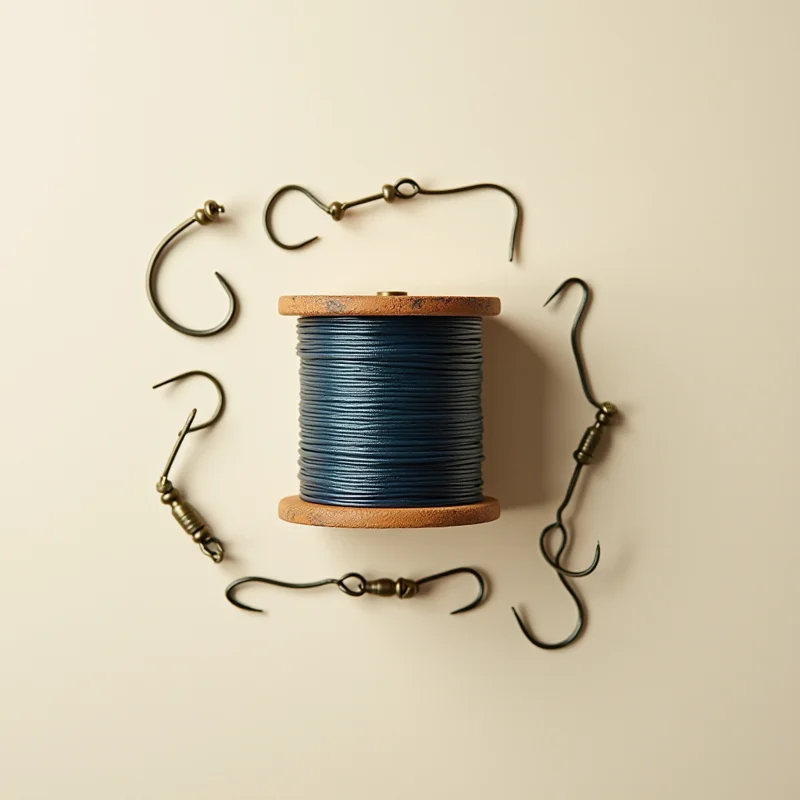
Two hooks held apart on a wire spreader so a pair of minnows fish clean above a sinker — the standard perch rig from Sandusky Bay to the Milwaukee piers.
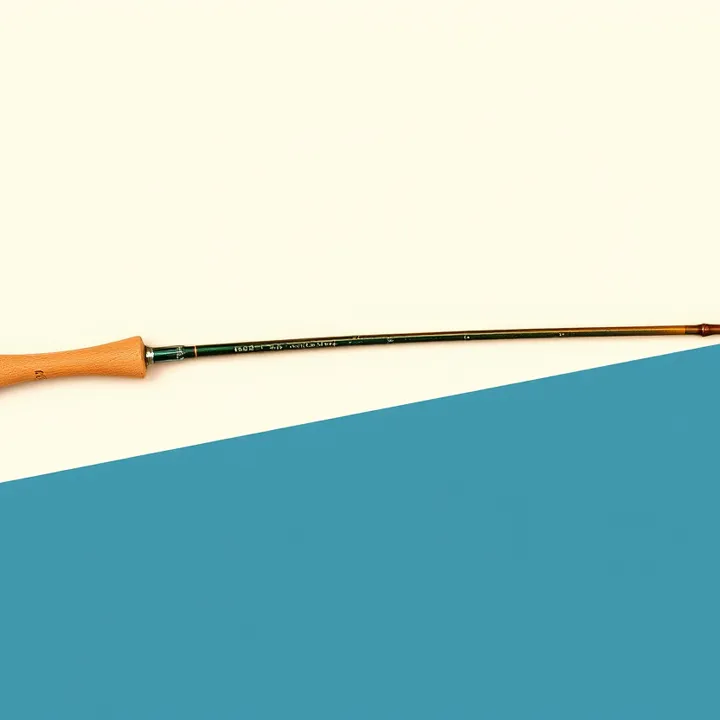
The ice rod that made a soft, evenly-loading tip standard — it shows you perch bites you would otherwise never feel.
A hub shelter that goes up in under a minute and gives two anglers a windbreak, which on a Great Lakes bay is the difference between a full day and two hours.
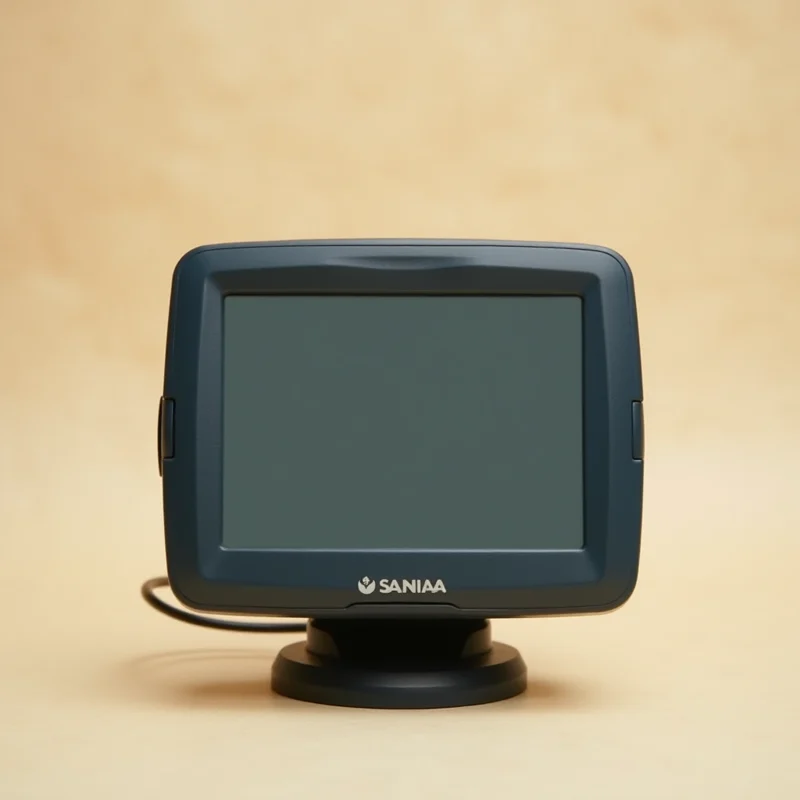
The ice flasher that has been the standard for thirty years — zero lag, and it shows your jig and the fish coming to it.
An insulated bait bucket with a two-speed aerator that keeps emerald shiners alive all day instead of dead by ten in the morning.
Questions
Same fish, other water
Size limits, bag limits, and open seasons for yellow perch on Lake Huron are set by Michigan DNR and change from year to year. Check the current rulebook before you keep a fish.
Sources
Last updated 2026-09-01