Rogers City and Swan Bay
The most consistent king water left on the American side of Huron. The Swan River plant and wild fish from the Ocqueoc keep this stretch relevant when the southern ports have none.
Chinook Salmon · Lake Huron
Lake Huron's chinook fishery is a fraction of what it was before the alewife crash of 2003, and anyone promising you a Michigan-style king box is selling something. Wild, naturally reproducing fish still run the northern end from Rogers City to De Tour, and they are lean, fast and worth targeting if you go in with the right expectations.
Prime time
July through early September, best in the northern ports from Rogers City north
Depths
40–100 ft down over 80–250 ft of water
Typical size
10–18 lb
Lake max depth
750 ft
Where
The most consistent king water left on the American side of Huron. The Swan River plant and wild fish from the Ocqueoc keep this stretch relevant when the southern ports have none.
Cold water pushes close to shore along this shoreline and bait holds against the drop. Fish the 60 to 140 line from Forty Mile Point north.
Thunder Bay produces mixed bags — the occasional king among lake trout and walleye. Fish the outside of North Point and the deeper water east of Thunder Bay Island.
Current through De Tour concentrates bait, and cold St. Marys River water keeps the temperature honest into August. This is the far northern end of the fishery.
The southern shore is thin water for kings now, but a cold summer and an offshore push can still put fish over the deep basin east of Harbor Beach in July.
How
Huron kings are chasing smelt, bloaters and round goby rather than fat alewives, and they respond better to spoons than to heavy meat rigs. Run 2.4 to 2.8 mph, riggers at 45 to 90 feet on the 50 to 54 degree band, and lean on small to medium magnum spoons in silver, blue and green.
A No. 1 Dipsy on a 3 setting, 150 to 220 feet back on braid, covers 40 to 70 feet and keeps the bait out of a spread that is competing with lake trout down low. Add a small flasher only when you mark bait balls stacked hard.
In June and early July, fish are higher. Five colors of lead core off a board runs about 25 to 30 feet down at 2.2 mph — enough to get above the lake trout and into the kings and steelhead that ride the top of the thermocline.
From mid-August the fish off Rogers City and the Ocqueoc slow down. Drop to 2.0 mph and run cut-bait heads behind an 8-inch flasher on a 30-inch leader in 50 to 90 feet of water at first light.
For thirty years Lake Huron ran the same play Lake Michigan did: stock chinook, let them eat alewives, sell charter trips. Then in 2003 the alewife population essentially disappeared from the main basin. The reasons are still argued — several severe winters, predation pressure from a very large salmon population, and the bottom of the food web reorganized by zebra and quagga mussels — but the outcome is not in dispute. Chinook, which are close to obligate alewife eaters in this system, lost their food and their condition, and the fishery went from world-class to marginal in about two seasons.
What came after is genuinely interesting. Walleye exploded in Saginaw Bay and spread across the main basin. Lake trout, which had never fully recovered from sea lamprey, began reproducing naturally at a scale nobody expected. Huron turned back into something closer to the lake it was before 1966.
Chinook did not vanish. Michigan and Ontario tributaries still produce wild smolts, and those fish are the backbone of the modern Huron king fishery. They concentrate in the northern third of the lake, where colder water, current through De Tour Passage, and smelt and bloater populations give them something to eat. Rogers City is the center of it. From there north to Hammond Bay and De Tour, a July morning can still put two or three kings in the boat.
These are not Ontario fish. A Huron king running 12 to 16 pounds is a good one, and they tend to be long and lean rather than deep and thick. They also fight differently — a lean fish makes faster, longer runs.
Because the forage is goby, smelt and bloater rather than alewife, spoons outfish flasher-fly rigs here more often than they do on Michigan or Ontario. Run faster than you would on a staging Lake Michigan fish — 2.4 to 2.8 mph — and size down. Huron is also shallower on average than Michigan, at 195 feet, so the thermocline compresses into a narrower band and the whole cold-water community stacks in it. You will catch lake trout and steelhead in the same spread. That is not a failure of the program; it is what the lake is now.
Do not go to Saginaw Bay looking for kings. It is warm, shallow, turbid and one of the great walleye factories in North America. The kings are north, on the clean rock shoreline from Alpena up.
If you fish Lake Michigan or Ontario, the Huron story is worth understanding because it is the risk case for both. Both of those lakes are running on alewife populations that are thinner than they were, and both stocking programs have been cut in response. Huron is what the bottom of that curve looks like — and also what the recovery looks like, since the native lake trout and walleye that replaced the salmon are doing better now than at any point since the lamprey era.
Huron has more shoreline than any Great Lake — 3,827 miles — and most of it is quiet, with long stretches between working harbors on the northern shore. If you are running from Rogers City to Hammond Bay you may be a long way from help. Carry a VHF, watch the northwest wind, and remember that Thunder Bay’s shipwreck field exists because this lake gets ugly with very little notice.
Where to put in
Dark marks are launches named in this guide. Generalized shoreline, not for navigation.
Kit
A simple, nearly unbreakable electric downrigger with a 60-inch telescoping boom and no software to fail.
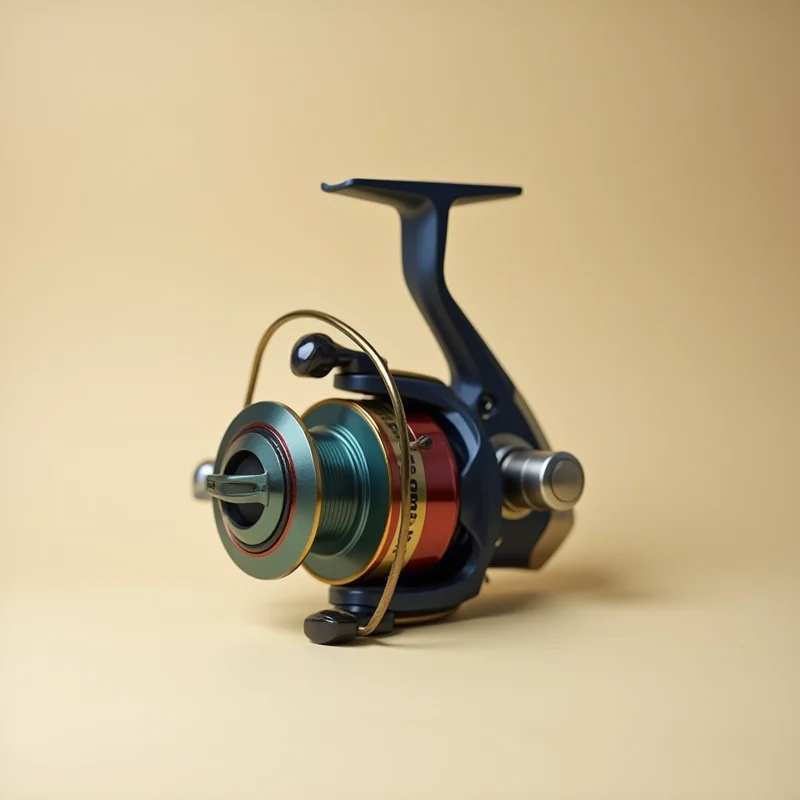
The line counter that put repeatable trolling depths within reach of everyone with a boat and eight rod holders.
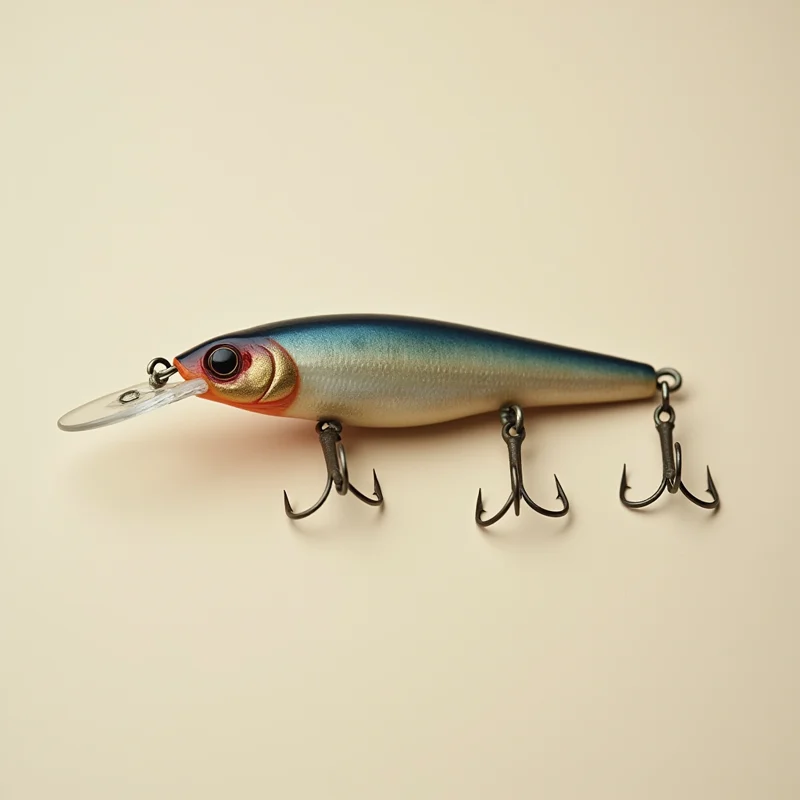
A thin, high-action trolling spoon with genuinely long-lasting glow — the standard early-morning king spoon on Michigan and Ontario.
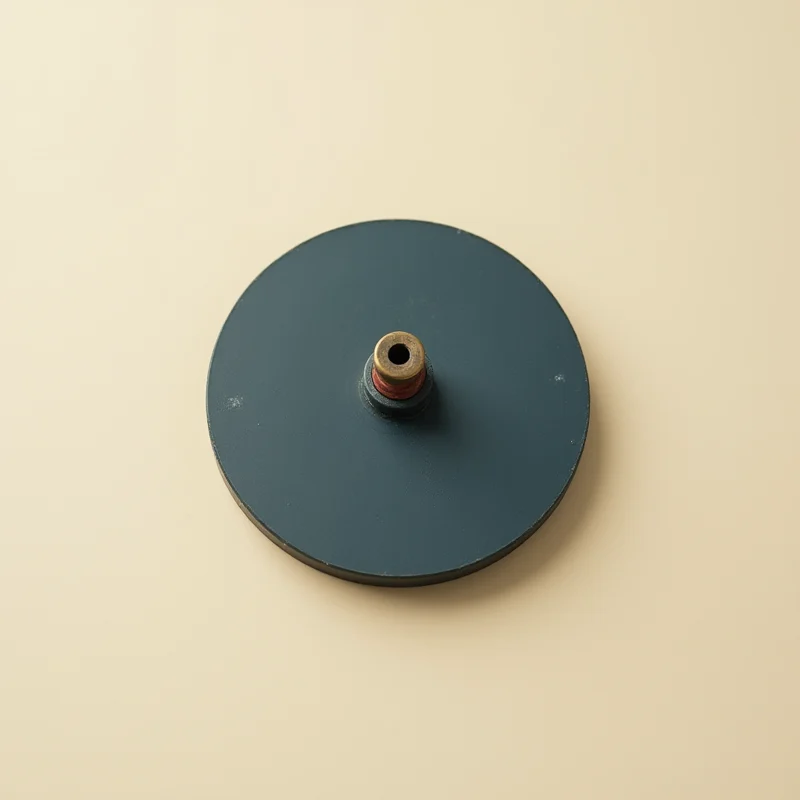
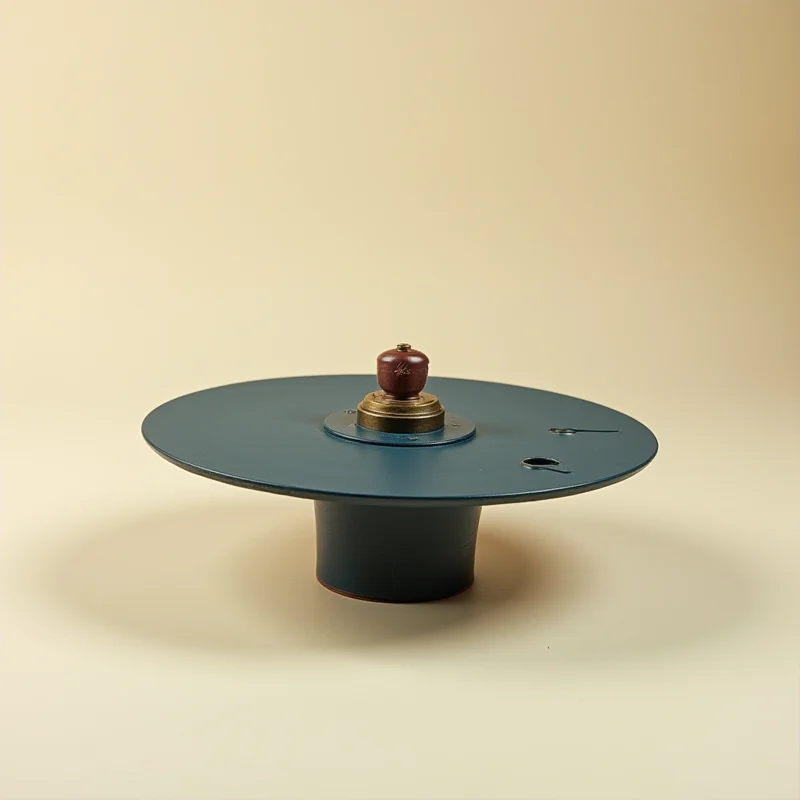
A directional diving disc that takes a bait down and out to the side — the cheapest way to widen a trolling spread.
Braided-jacket lead core that sinks faster and takes up less spool than the old nylon-jacketed stuff.
Questions
Same fish, other water
Size limits, bag limits, and open seasons for chinook salmon on Lake Huron are set by Michigan DNR and change from year to year. Check the current rulebook before you keep a fish.
Sources
Last updated 2026-09-01