Lake Trout
The native. Lakers were here before the stocking programs and survived the sea lamprey collapse in Superior when they vanished everywhere else. Deep, cold, slow-growing, long-lived.
The Big Lake
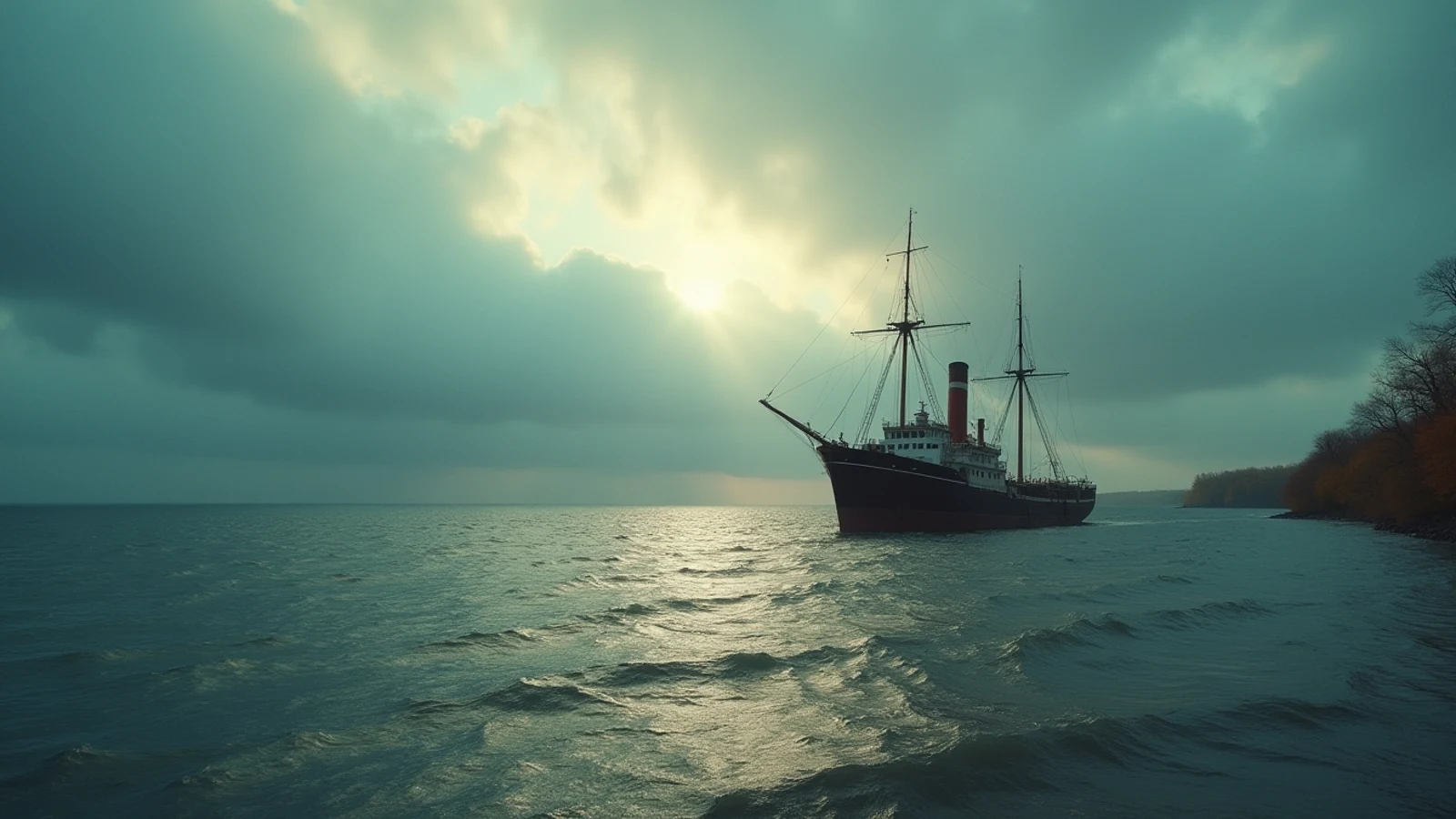
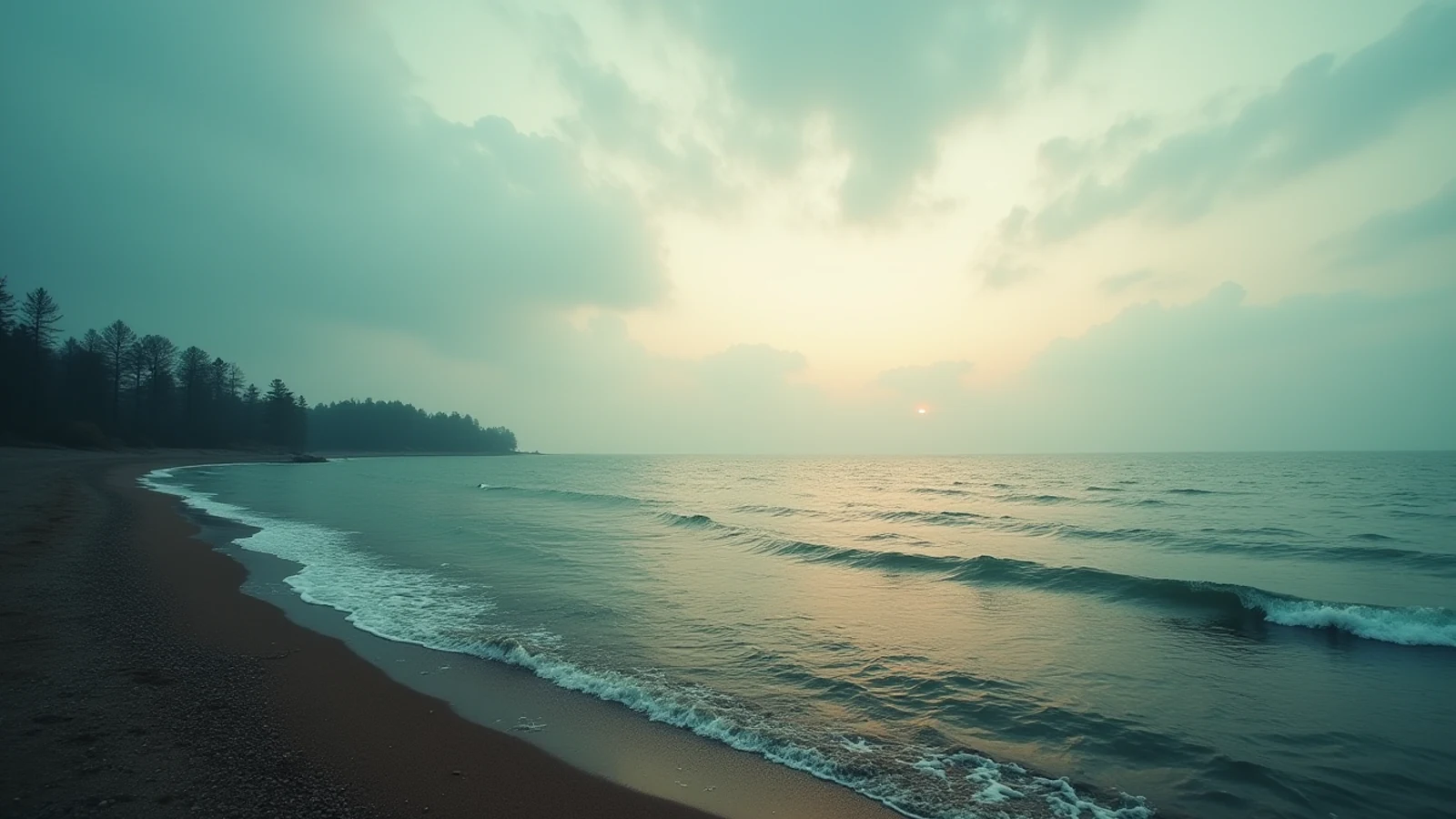
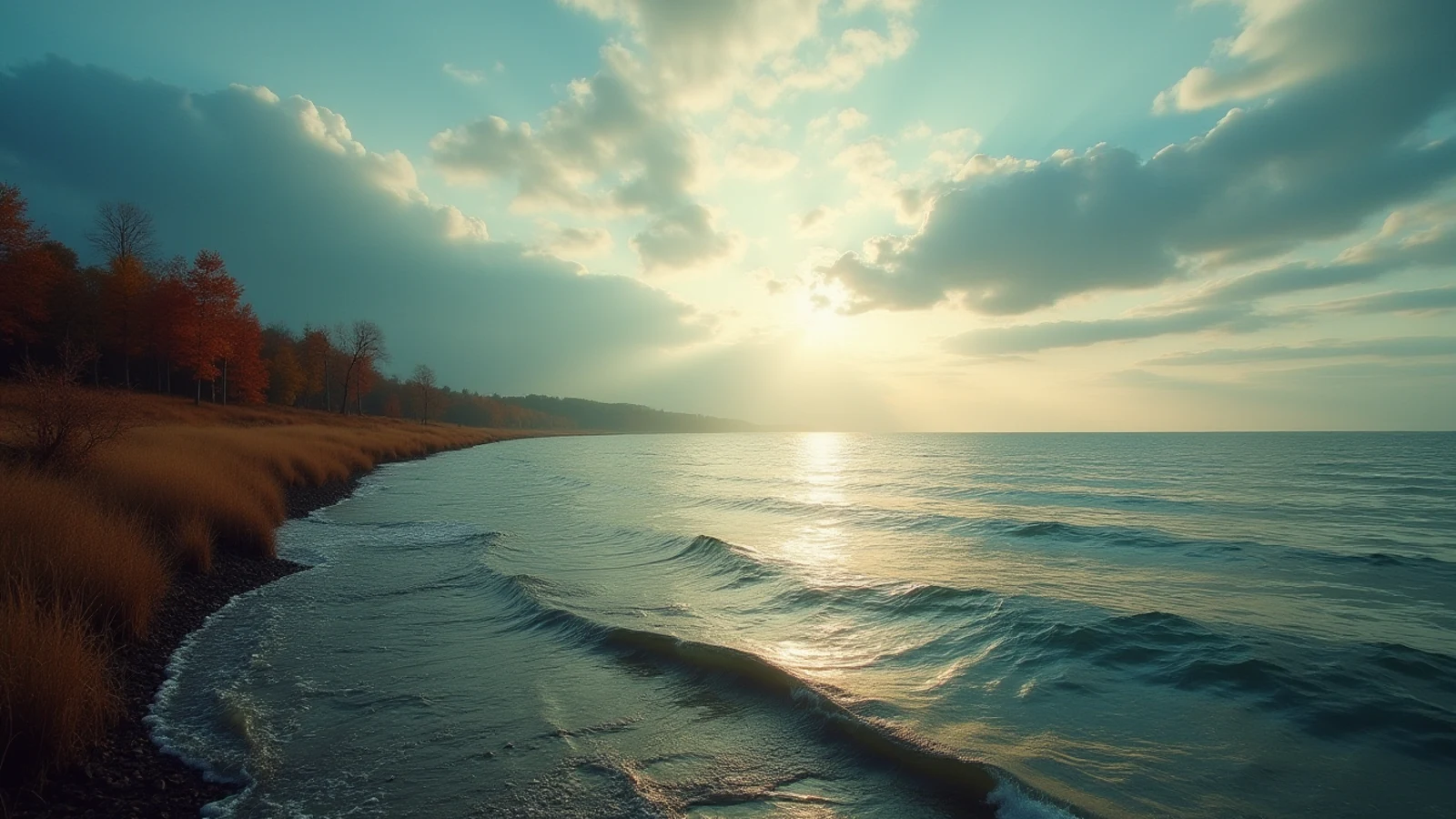
The largest freshwater lake on earth by surface area, and cold enough year-round that it behaves less like a lake than an inland ocean. Deep-water lake trout, big water, short seasons, and weather that turns without asking.
Surface area
31,700sq mi
Max depth
1,332ft
Average depth
483 ft
Shoreline
2,726mi
Volume
2,900cu mi
Elevation
601 ft asl
What swims here
The native. Lakers were here before the stocking programs and survived the sea lamprey collapse in Superior when they vanished everywhere else. Deep, cold, slow-growing, long-lived.
The commercial fish that became a sport fish. Whitefish took over the ice-fishing calendar in northern Michigan and Wisconsin once anglers worked out they will chase a jigging spoon in 60 feet of water.
The spring opener. Cohos school tight near the surface in April and May off the southern Lake Michigan ports, which makes them the most beginner-accessible salmon on the chain.
The king. Stocked into the lakes in the 1960s to eat alewives and now the single biggest driver of Great Lakes charter money. Fights deeper and harder than anything else out there.
The shallow-water prize. Browns hold tight to the beach in cold water, which puts genuine 15-pound fish inside 20 feet of water within sight of shore in early spring.
A living fossil, protected nearly everywhere on the chain, and a genuine conservation success story in the St. Clair system. Catch-and-release only in most waters — check the state rulebook before you even rig a rod.
Ambush predator of every weed edge and back bay on the chain. Available to shore anglers, kayakers, and ice fishermen, which makes it the most democratic big fish in the system.
The people’s fish. Schooling, cooperative, catchable from a pier or a shanty, and the backbone of a Friday fish fry from Sandusky to Sheboygan.
Great Lakes smallmouth are a different animal from the river fish most anglers know: bigger, meaner, and living on open rock and grass where four pounds is an ordinary afternoon.
The fish of ten thousand casts, except on Lake St. Clair, where the population density is high enough that the number is a lot closer to a few hundred. The best muskie water on the continent.
The year on Superior
Ice leaves the bays in April and the shallows warm first, so everything worth catching moves inside of 30 feet. Coho and immature lake trout push into the same 40-to-50-degree water along dark rock and river mouths. Troll stickbaits and small spoons on planer boards in 8 to 20 feet, in close enough that you can read the shoreline. Tributary steelhead run the North Shore and the Keweenaw streams through May, and the fish are fresh and hot.
By July the surface can hit the low 60s while 100 feet down it never leaves the high 30s. Lake trout settle onto reefs and mid-lake humps in 80 to 180 feet, and downriggers or heavy jigs are the only honest way to reach them. Chinook and coho suspend over deep water chasing smelt and cisco. Mornings are calm more often than afternoons; the wind builds after noon almost every day.
From late September into November lakers move onto shallow cobble and boulder reefs to spawn — the one time of year a native fish that lives at 150 feet is catchable at 30. Whitefish stage in the same window. Coho stack at the tributary mouths and steelhead start their fall push. It is the best fishing of the year and the worst weather; November on Superior is not a casual outing.
Superior rarely freezes over. What does freeze is protected water — Chequamegon Bay near Ashland, the Duluth-Superior harbor, Munising Bay, Keweenaw Bay — and those bays carry a real hardwater fishery for splake, coho, lake trout, whitefish and burbot. Ice conditions on a lake this big are local and change with one hard offshore wind. Check with a bait shop the morning you go, not the week before.
Superior is cold, deep, and poor. That is not an insult — it is the whole explanation. The basin is scoured granite and basalt with very little agricultural runoff feeding it, so there is not much dissolved phosphorus, not much plankton, and not much of the biological engine that turns sunlight into fish flesh. Biologists call it oligotrophic. Anglers call it big empty water.
The consequence is that Superior grows fewer fish than the lower lakes, and it grows them slowly. A lake trout that would be four years old in a fertile lake takes eight or ten here. The upside is that those fish live a long time. Superior lake trout past 25 years old are routinely aged out of creel samples. You are not fishing a crop. You are fishing an accumulation.
Cold also organizes everything vertically. Superior stratifies late and weakly compared to the rest of the chain, and the deep water never really warms. Fish that need cold — lakers, whitefish, cisco, burbot — have the run of the lake and can be almost anywhere in the water column depending on the month. Fish that want warmth get squeezed into a narrow band along shore and into the bays. Learn where 50-degree water is on a given week and you have solved most of the puzzle.
The most important thing that ever happened to this fishery arrived through a canal. Sea lamprey reached the upper lakes after the Welland Canal was reconstructed, and by the late 1940s they were established in Superior. A single lamprey kills roughly 40 pounds of fish in its parasitic phase. The lake trout population — the top predator, the native fish, the commercial backbone of every port from Duluth to Whitefish Point — collapsed.
Commercial lake trout landings on Superior fell by better than 90 percent inside of a decade. Ports that had run trout boats for three generations stopped. The United States and Canada stood up the Great Lakes Fishery Commission in 1955 specifically to deal with it, and the answer turned out to be a selective lampricide, TFM, applied in the tributary streams where larval lamprey burrow into the silt for years before migrating out.
It worked, and it has to keep working forever. Lamprey control on Superior’s tributaries is an unglamorous, permanent, annually funded piece of infrastructure, and it is the reason there is a lake trout fishery at all. Superior recovered better than any other lake in the system because enough wild fish survived in deep refuge water to rebuild from. That is why the fish you catch here are wild and the ones in Lake Michigan are mostly stocked. It is also why nobody who works on this lake treats invasive species as an abstraction.
Duluth and Superior sit at the western tip and share the largest harbor on the lake. Protected water, a working freighter port, and access to the shallow warm end where coho show up first in spring.
Bayfield, Wisconsin is the gateway to the Apostle Islands, and the islands are the practical answer to Superior’s biggest problem. Whatever direction the wind comes from, there is a lee somewhere in the archipelago. Lake trout, smallmouth in the warm shallow bays, and the most forgiving big-water fishing on the lake.
Marquette, Michigan is the best all-around base on the south shore: a protected harbor, deep lake trout structure inside a short run, coho along the beach in spring, and enough town that a blown-out day is not a wasted one.
Munising puts you behind Grand Island with the Pictured Rocks cliffs as scenery and a genuinely good splake and lake trout fishery in the bay. It also freezes reliably, which makes it one of the more dependable ice destinations.
Grand Marais, Minnesota and the North Shore ports are small, exposed, and spectacular. Steep basalt shoreline, deep water close in, and steelhead rivers every few miles. Launch capacity is limited and the weather window matters more here than anywhere.
Plan around weather, not around dates. Book a week, not a day, and accept that two of those days will not be fishable. Everyone who fishes Superior regularly plans this way; it is not pessimism, it is how the lake works.
Check the marine forecast the night before and again at the ramp. If the forecast says four feet and you are in a boat you would take on an inland lake, stay in. The lake is not going anywhere and Superior does not hand out second chances the way a shallow lake does.
Dress for the water temperature, not the air. That is the single piece of advice every guide on this lake gives and the one visitors ignore most. A 75-degree July morning over 42-degree water is still an immersion hazard, and a float coat or an inflatable PFD worn — actually worn, not stowed under the console — is the difference between an embarrassing story and a fatality.
Hire a charter for the first day if you can. Superior rewards local knowledge more than any other lake on the chain because the productive structure is scattered, deep, and invisible from the surface. One day with somebody who knows which reef holds fish in which week will save you a season of guessing.
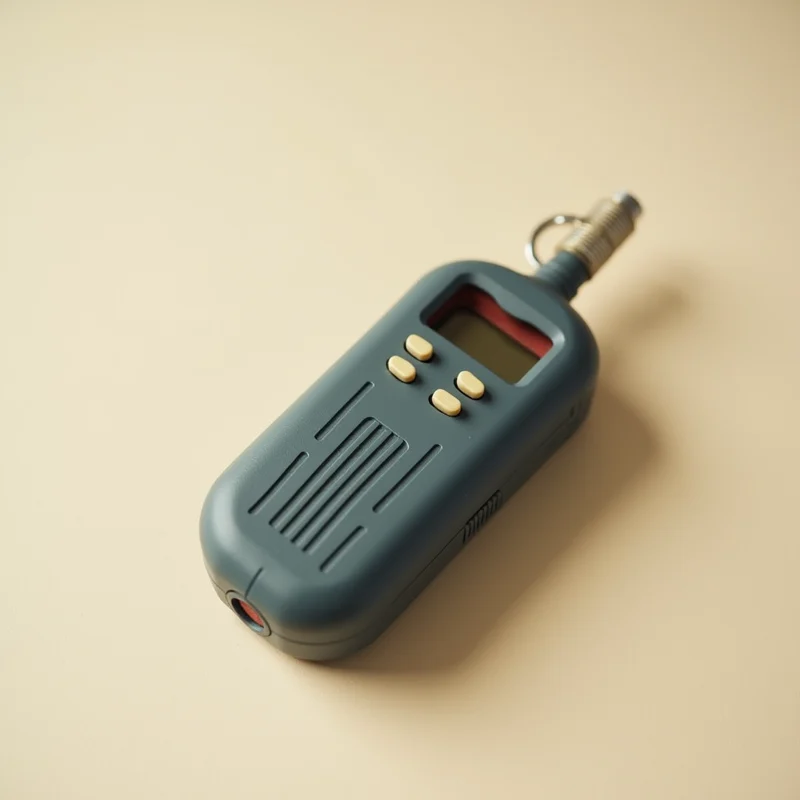
And carry a chart, a plotter, and a handheld VHF. Cell coverage on this coast is a courtesy, not a service.
Ports & launch towns
Largest ramps with published lane counts (MI/MN)
All 82 public Lake Superior launches →
All 51 Lake Superior lighthouses →
All 186 Lake Superior beaches, with water testing →
Shoreline states
Know before you go
Off the water
Twenty-one islands and 12 miles of Lake Superior mainland shore off Bayfield, Wisconsin, with sea caves, six historic lights and cold, clear water.
Five waterfalls on the Gooseberry River within a short walk of Highway 61, on Minnesota's North Shore of Lake Superior.
The Minnesota North Shore run from Duluth to the Canadian border: about 150 miles of basalt cliff, river gorges and Lake Superior on your right.
Forty-two miles of banded sandstone cliff on Lake Superior between Munising and Grand Marais, Michigan — the first national lakeshore in the country.
A 1910 light station on a 130-foot diabase cliff above Lake Superior, built after the November 1905 gales wrecked or stranded 29 ships in a single storm.
Michigan's largest waterfall and the Lake Superior point that guards Whitefish Bay, an hour apart on the eastern Upper Peninsula.
Read next
Two invasive species wrecked the Great Lakes food web, and a Michigan biologist answered with Pacific salmon. The history behind every charter boat here.
A layering system for Great Lakes spring and fall fishing: what each layer does, what cotton costs you, and why the outer shell is a safety decision.
Three ways to get a bait deep on the Great Lakes, what each costs in money and deck space, and an honest order to buy them in.
How Great Lakes steelhead and salmon runs work, what water conditions turn them on, and the river etiquette that keeps a crowded hole fishable.
The best swimming beaches on the Great Lakes, and how rip, structural, and channel currents form, how to spot them, and how to get out.
The Great Lakes hold more lighthouses than any coastline in America. These are the ones worth building a trip around, and what makes each one different.
Kit
A floating, submersible six-watt handheld that reaches the Coast Guard when a cell phone has no bars, which offshore on Superior and Huron is most of the time.
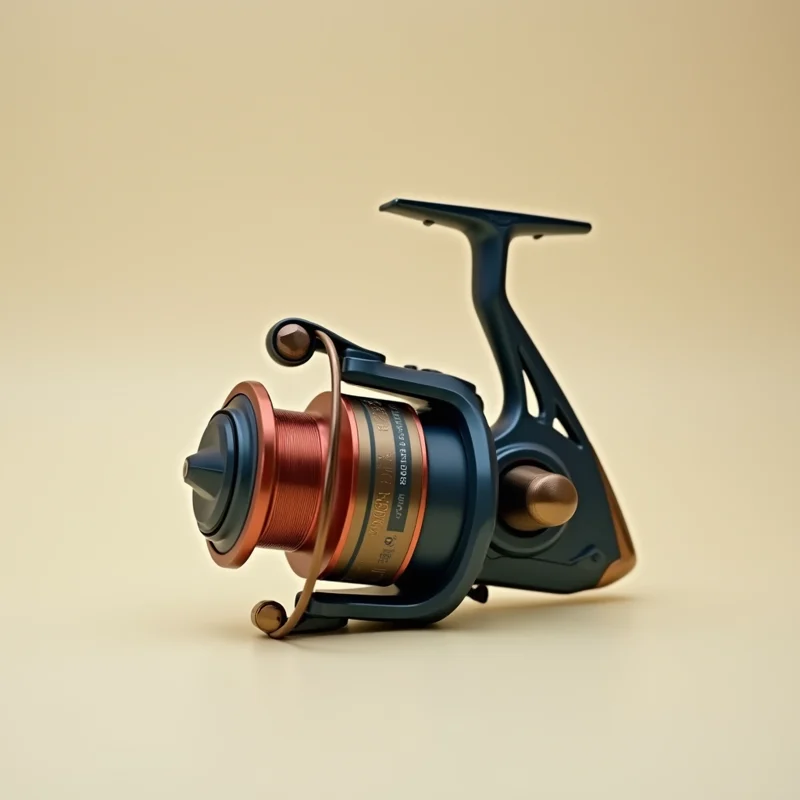
The reel the charter fleet actually runs, with a drag that stays smooth through a 20-pound king's third run.
A satellite personal locator beacon that puts your GPS position in front of search and rescue from anywhere on the lakes, with no subscription and no cell signal.
The ice flasher that has been the standard for thirty years — zero lag, and it shows your jig and the fish coming to it.
Common questions