Duluth and the Superior entry
The harbor entries dump warmer water into a cold lake and the first coho of the year gather there. Boats fish 20 to 60 feet within a mile of the piers in May.
Coho Salmon · Lake Superior
Lake Superior grows fewer and smaller coho than Lake Michigan, but almost all of them are wild fish and they are catchable in the top 20 feet of water within sight of the North Shore highway. Spring and early summer off Duluth, Knife River and the Apostles is the most consistent coho water on the lake.
Prime time
May through July, with a second shot at maturing fish near the river mouths in September
Depths
5–40 ft down over 40–200 ft of water
Typical size
3–8 lb
Lake max depth
1,332 ft
Where
The harbor entries dump warmer water into a cold lake and the first coho of the year gather there. Boats fish 20 to 60 feet within a mile of the piers in May.
The two best-known coho tributaries on the Minnesota shore. Fish return here and juveniles rear here, so the water off both mouths holds fish through the season.
A steep North Shore drop puts deep water close in. Troll the 80 to 200 foot contour a half mile to a mile out and stay in the top 30 feet.
The Wisconsin end warms first and holds the earliest fish. Fish the bay in May, then work out toward Basswood and Madeline Island as the water climbs past 50 degrees.
Devils Island and Sand Island break the sea and concentrate bait on their lee sides. Coho and the odd chinook ride the temperature seams around the outer islands in June and July.
How
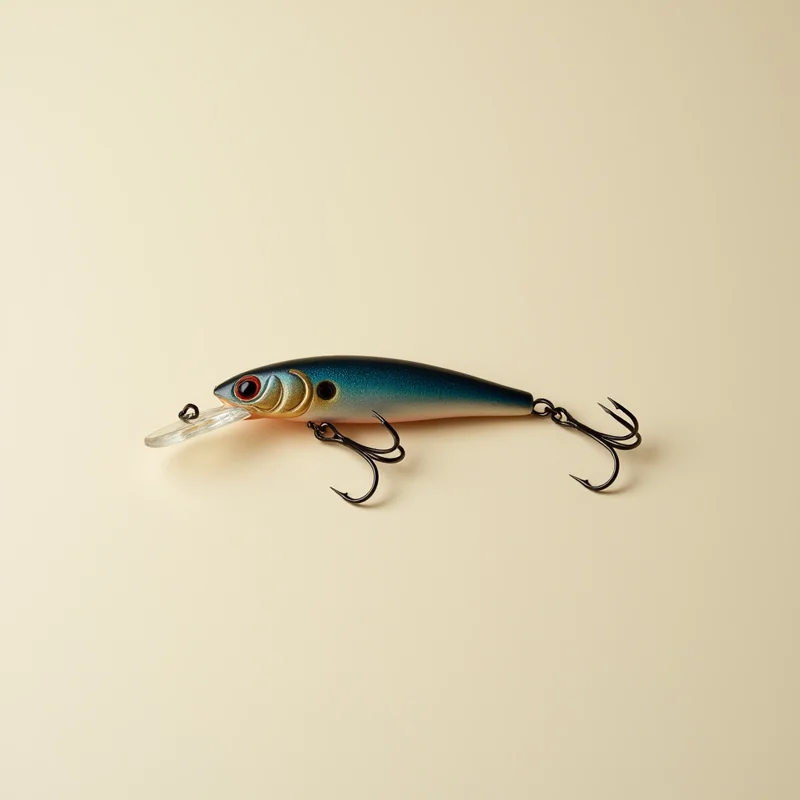
Superior coho eat smelt and young herring, so fish small — 2 to 3 inch spoons and 3 inch minnow baits. Run 100 to 175 feet behind a side planer at 1.9 to 2.3 mph in the top 20 feet. Silver, blue-silver and orange are the three finishes that matter.
Two to four colors of lead core off a board fishes 10 to 25 feet down at 2.0 mph and keeps the bait out of the boat's wake in water this clear. This is the single most productive rig on the Minnesota shore in June.
A four-inch dodger and a small squid or peanut fly on a 12-inch leader, run at 1.8 to 2.0 mph, works when spoons stop producing. Keep it shallow — Superior coho rarely need to be deeper than 40 feet even in August.
Warm, stained runoff at the Knife, French, Lester and Brule mouths pulls fish in tight. Troll the plume edge in 10 to 30 feet at first light in September, when maturing fish stage before running.
Lake Michigan’s coho fishery runs on hatchery smolts. Superior’s runs largely on natural reproduction in North Shore and Wisconsin tributaries, supplemented modestly. The difference shows up in the fish. Superior coho are smaller, leaner, and noticeably harder-fighting for their size, and their distribution follows the streams that make them rather than the ports that stock them.
Minnesota anglers call the western-arm fish loopers, on the understanding that they spend the year circling the Duluth end of the lake instead of dispersing into the open basin. Whether or not that is exactly true, it captures the useful fact: the coho are concentrated at the western end, and Duluth to Silver Bay is where you fish for them.
Superior never really stratifies the way the lower lakes do. In June the whole top 60 feet may be in the 40s, and even in a warm August the thermocline sits shallower than a Lake Michigan angler expects. Coho ride the upper layer where the smelt are. If you are putting a downrigger below 50 feet on this lake in July, you are fishing for lake trout, not coho.
The practical version: planer boards, lead core, and small spoons run in the top 25 feet. You do not need a rigger to fish Superior coho, and this is the reason a lot of North Shore boats are 18-footers.
The forage here is rainbow smelt and juvenile lake herring — thin, silver, three to five inches. Big magnum spoons designed for alewife-fed Lake Michigan kings are the wrong size. Two-inch spoons, small stickbaits and a light dodger with a squid cover almost every situation. Superior’s water is also extraordinarily clear, often 25 feet of visibility or more, which argues for longer leads, boards run wide, and finishes closer to natural than to fluorescent — with orange as the long-standing exception that keeps producing.
Maturing coho stage off their home rivers in September. On the North Shore that means the Knife, French and Lester; in Wisconsin, the Brule. Warm autumn rain pulls them tight to the mouths and puts them in reach of shore casters throwing spoons. It is a short, weather-dependent, worth-planning-around week or two.
Superior is cold enough to be an immersion hazard in every month of the year. Surface temperature in June is commonly in the low 40s and the open lake rarely exceeds the mid-50s. Cold water shock is immediate and grip strength fails within minutes. Wear a float coat or an inflatable PFD any time you are underway.
The North Shore compounds it. There are long stretches — Two Harbors to Silver Bay, Silver Bay to Grand Marais — with no protected harbor, a rock coastline that offers nothing to a swimmer, and a northeast wind that can build eight-foot seas in a couple of hours. File a plan, carry a VHF, and turn back early. Superior has a long memory and no sympathy.
Where to put in
Dark marks are launches named in this guide. Generalized shoreline, not for navigation.
Kit
The other standard in-line board — slightly larger, pulls heavier loads, and handles copper and lead core better than most.
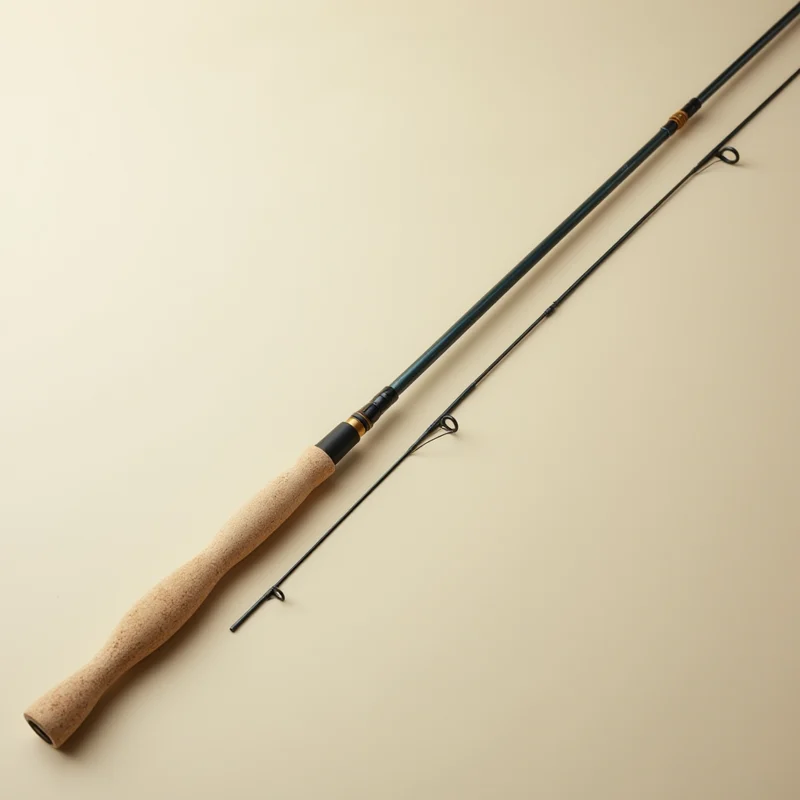
A step up from budget glass — better guides, better reel seat, and enough backbone to run a big Dipsy without folding.
Braided-jacket lead core that sinks faster and takes up less spool than the old nylon-jacketed stuff.
The pier spoon. A heavy, wobbling casting spoon that has caught fall salmon and spring steelhead off Great Lakes breakwalls for sixty years.
A Coast Guard approved coat you will actually wear, which is the only meaningful difference between a PFD that saves you and one stowed under a seat.
Questions
Same fish, other water
Size limits, bag limits, and open seasons for coho salmon on Lake Superior are set by Michigan DNR, Wisconsin DNR and Minnesota DNR and change from year to year. Check the current rulebook before you keep a fish.
Sources
Last updated 2026-09-01