GreatAmericanLakes

Lake Trout · Lake Superior

Lake Trout Fishing on Lake Superior

Lake Superior holds the last great wild lake trout population in the world and you can catch them here without a hatchery truck in the story anywhere. Fish the reefs and shoals — Stannard Rock, the Apostles, the Keweenaw — and you can take fish shallow in spring and 100 to 200 feet down in August.

Prime time

May and June shallow, July through September deep, plus a strong fall shoal bite in October

Depths

15–40 ft in May, 90–200 ft from July on

Typical size

5–12 lb

Lake max depth

1,332 ft

Where

Water worth running to

Stannard Rock

A shoal in open water 24 miles off Marquette that rises from more than 600 feet to under 20. It is the most famous lake trout structure in North America and the reason a lighthouse stands in the middle of nowhere. A serious, weather-dependent run.

Keweenaw Peninsula — Copper Harbor to Eagle Harbor

Steep rock shorelines with 200 feet of water close in and reefs off both harbors. Fish the drop-offs and the humps north of Copper Harbor.

The Apostle Islands and Devils Island shoal

Wisconsin's islands break the sea and the surrounding reefs hold fish year-round. Devils Island and the Gull Island shoal are the traditional deep spots.

Marquette — Granite Island and Shot Point

A short run from a good harbor. Granite Island's surrounding drop and the Shot Point reef give up fish from May through fall.

Isle Royale

Michigan's island wilderness sits in the middle of the lake with shoals in every direction and lake trout that have never been stocked. A trip that requires planning and a capable boat.

Munising and Grand Island

Trout Bay and the water off Grand Island's north end offer relatively protected deep water — the friendliest big-laker fishing on the Michigan shore.

How

Tactics, in the order we would try them

  1. 01

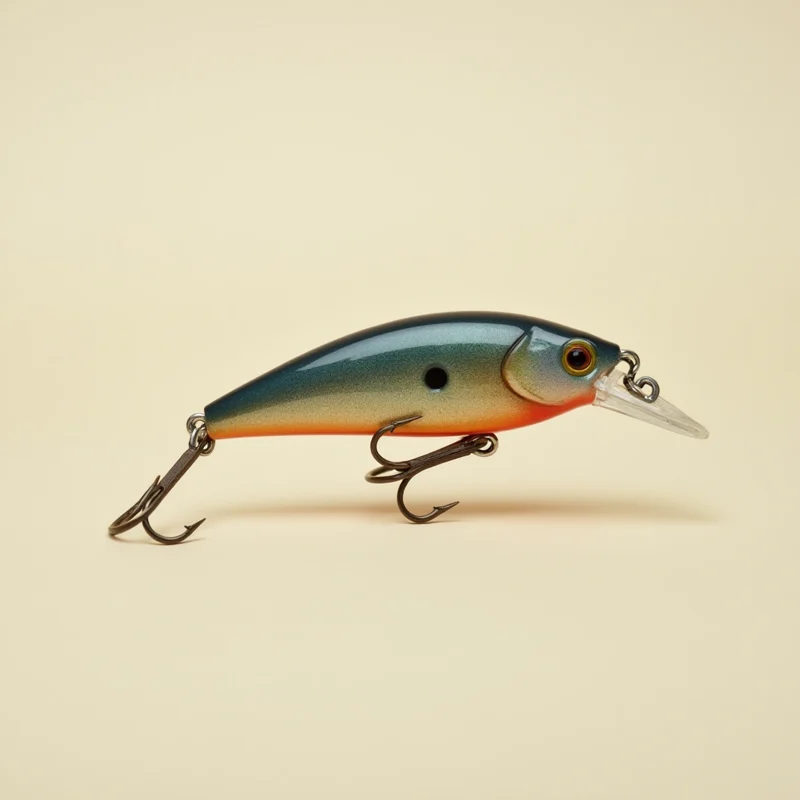
    Deep trolling with cowbells and spoons

    The Superior standard. Run a cowbell attractor with a spin-glo or a peeled minnow at 1.6 to 2.0 mph, right on the bottom in 90 to 180 feet from July onward. Downriggers with a wire dropper or heavy weights get you there. Lakers hold within five feet of the bottom in summer, so bounce it.

  2. 02

    Vertical jigging over reefs

    On a marked shoal in 60 to 140 feet, drop a 3/4 to 2 oz jigging spoon or a jigging minnow bait, hit bottom, then rip it two feet and let it fall on a slack line. Most strikes come on the drop. This is the most efficient way to fish Stannard Rock and the Apostle reefs.

  3. 03

    Shallow spring trolling

    In May and early June the whole lake is in the 40s and lake trout are in 15 to 40 feet on rocky shorelines. Pull spoons and stickbaits off planer boards at 2.0 to 2.4 mph — the same water you would fish for coho, with heavier hardware.

  4. 04

    Fall shoal fishing

    Lake trout move onto rocky reefs in 20 to 60 feet to spawn in late September and October. Casting or slow-trolling spoons over those reefs is productive, and this is the period when rules most often restrict fishing over spawning grounds — read the state regulations first.

The one that never left

Every other Great Lake lost its lake trout. Sea lamprey came up the Welland Canal and by the mid-1950s the native laker was functionally extinct in Michigan, Huron, Erie and Ontario. Superior held on. The lake is enormous, deep, cold and full of refuge habitat, and remnant populations around Isle Royale and the eastern shoals survived long enough for lamprey control and stocking to rebuild the rest.

The result is that Superior lake trout are wild fish. Stocking has been reduced or ended across much of the lake because natural reproduction carries it. You are fishing a native population in native habitat, which is a rare thing anywhere in North America and effectively unique in the Great Lakes.

Superior also kept its diversity. Lean lake trout in the shallows, deep-bodied siscowets in water below 300 feet, and stocky humpers on the offshore shoals are all still here — three life-history forms of the same species, the sort of thing that vanished from the lower lakes before anyone thought to write it down.

Structure over depth

New anglers on Superior fixate on depth. The fish care about structure and bottom. A featureless mud basin at 150 feet holds far fewer lake trout than a rock shoal that tops out at 60. Find the reefs — Stannard Rock, the Gull Island shoal, the humps off Copper Harbor, the drop east of Granite Island — and fish the bottom in and around them.

That is why sonar matters more here than a bigger downrigger does. A boat that can read a shoal edge in 130 feet and stay on it will outfish a boat with better tackle and worse electronics every time.

The season, top to bottom

May and June: the lake is uniformly cold and lake trout are shallow. Fifteen to 40 feet over rock, catchable on planer boards and spoons. This is the easiest laker fishing of the year and the least publicized.

July through September: they go down. Ninety to 200 feet, hard on the bottom. Cowbells and spin-glos trolled at 1.7 mph, or a jigging spoon dropped straight down over a marked shoal.

Late September and October: spawning fish move onto reefs in 20 to 60 feet. Many waters restrict fishing over spawning grounds during this window. Read the current rules for the state you are in before you plan a trip around it.

Bait and presentation

Superior lake trout eat smelt, lake herring, sculpin and — increasingly, in the eastern lake — round goby. Presentation is slow and near-bottom. Cowbells are old technology and they still work because the flash sells a slow-moving bait to a fish that hunts by sight in dim light. If you jig, remember that most bites come on the fall; a lake trout takes a spoon dropping through its face and you will feel weight rather than a strike.

What Superior demands from you

The Big Lake is an immersion risk in every month. June surface temperatures in the low 40s are normal, and open-water surface rarely exceeds the mid-50s. A run to Stannard Rock is 24 miles of open Lake Superior in a boat that had better be sized for it, with a forecast you checked twice. Wear a float coat, carry a VHF and a PLB, and understand that on much of this coast the nearest help is an hour away by water. The fish are worth the trip. They are not worth the risk of guessing about the weather.

Kit

What we would have in the boat

Questions

Lake Trout on Superior, answered

Why are Lake Superior lake trout wild when the other lakes stock them?
Superior never lost its lake trout entirely to sea lamprey the way the lower lakes did. Deep refuge habitat, a huge lake, and remnant populations around Isle Royale and the eastern shoals let the species hang on through the 1950s collapse, and lamprey control plus stocking restored it to self-sustaining.
What is Stannard Rock?
A shoal 24 miles off Marquette that rises from over 600 feet of water to less than 20 feet at its top, marked by an 1882 lighthouse. It is legendary lake trout structure and a genuinely committing open-water run.
How deep do you fish for Superior lake trout in summer?
Ninety to 200 feet is the normal working range from July into September, right on the bottom. In May and October they are far shallower — 15 to 60 feet over rock.
Are there different kinds of lake trout in Superior?
Yes. Superior holds several forms — shallow-water lean trout, deep-bodied siscowets that live below 300 feet, and humpers on the offshore shoals. It is the only lake in the system where that diversity survived intact.
Regulations

Size limits, bag limits, and open seasons for lake trout on Lake Superior are set by Michigan DNR, Wisconsin DNR and Minnesota DNR and change from year to year. Check the current rulebook before you keep a fish.

Sources

Last updated 2026-09-01