Galloo Island and Stony Point
Eastern basin shoals in comparatively shallow water, surrounded by hard bottom. The most reliable lake trout structure on the lake and protected enough for a mid-size boat.
Lake Trout · Lake Ontario
Lake Ontario has more lake trout than most of the boats out there are trying to catch, because the fleet is chasing chinook. Drop one rigger to the bottom in 120 to 200 feet along the south shore or fish the eastern basin shoals off Galloo Island and you will find them all summer.
Prime time
May and June shallow, July through September deep, with a fall concentration on the eastern shoals
Depths
30–70 ft in spring, 110–200 ft in midsummer
Typical size
5–12 lb
Lake max depth
802 ft
Where
Eastern basin shoals in comparatively shallow water, surrounded by hard bottom. The most reliable lake trout structure on the lake and protected enough for a mid-size boat.
Rock, current and depth close together. Fish the drops around the islands in 60 to 140 feet through summer.
Deep water off Oswego holds lake trout on the bottom under the king salmon fleet. Put one rigger down and let the rest of the spread fish salmon.
The western shore drop from 120 to over 400 feet. Lakers stack on the 150 to 220 line here in July and August.
The bar's abrupt break from 20 to 200 feet concentrates fish in spring. Lake trout are shallow here in April and May and reachable from small boats.
The contour east of the Genesee River holds fish on bottom through summer, and the run from Rochester is short.
How
Ball within five feet of bottom in 120 to 190 feet, 8- to 10-inch dodger, short leader to a spin-glo or peeled minnow, 1.7 to 2.0 mph. Ontario lakers are as bottom-oriented as any on the chain; if you are not occasionally ticking, you are high.
Around Galloo Island and the Duck Islands in 60 to 130 feet, drop a 1 to 2 oz jigging spoon on braid, tap bottom, snap it 18 inches and let it fall slack. Fast, efficient and it works in the middle of the day when trolling has slowed.
When sonar shows fish 20 to 40 feet off bottom, a magnum Dipsy on a 3 setting with 280 to 340 feet of wire and a big flasher reaches them at 2.2 mph. On this lake that same rig also takes kings, which is why nobody complains.
April and May, with surface water 40 to 48 degrees, lake trout hunt in 30 to 70 feet on the Niagara Bar and the eastern shoals. Spoons and stickbaits off planer boards at 2.2 mph — the same program that takes early browns.
Walk the docks at Oswego in August and every conversation is about kings. That is reasonable — Lake Ontario grows the heaviest chinook in the system — but it means a large, catchable lake trout population sits under the fleet largely unbothered. On a day when the salmon bite dies at nine in the morning, the lakers do not care.
Lake Ontario is 802 feet at its deepest and averages 283, so cold water is everywhere and the fish have room. Eight to fourteen pounds is the common range, with fish over twenty coming off the eastern shoals most years.
The western end — the Niagara Bar, Wilson, Olcott, Thirty Mile Point — is a steep drop fishery. The bottom falls from 20 feet to over 400 in a short distance, and you fish the contour. It produces well in spring when the fish are shallow on the bar, and again in summer at 150 to 220 feet.
The eastern basin is a different animal: shoals, islands and hard bottom around Galloo Island, Stony Point and the Ducks, in depths a mid-size boat can work comfortably. It is the friendliest lake trout water on the lake, it fishes well from May through October, and it is where vertical jigging really shines.
Everything in summer lake trout fishing comes down to bottom contact. In 170 feet of water, a bait at 155 catches occasional fish and a bait at 165 catches consistently. Follow the contour on the sonar and adjust the rigger constantly. The other half of it is speed: 1.7 to 2.0 mph, not the 2.4 you were running for kings an hour earlier.
If you are running a mixed spread — which most Ontario boats do — dedicate the low rigger and one wire diver to lakers and leave the rest high for salmon. The divers will catch both.
Ontario lake trout eat alewife, round goby and sculpin. The alewife component is larger here than on Huron or Superior because Ontario still has a substantial alewife population, which is also why the kings grow so heavy. Practical effect: silver and white spin-glos and dodgers earn their keep alongside the brown and olive goby imitations that dominate elsewhere.
There is a fishery-science wrinkle worth knowing. Lake trout that eat mostly alewife suffer thiamine deficiency that kills their fry, which is a major reason natural reproduction here lags behind Huron and Superior. The lake that grows the best salmon is, for the same reason, harder on its native char.
April and May on the Niagara Bar is one of the great underappreciated fisheries on the chain. The water is 40 to 48 degrees top to bottom, brown trout, lake trout and early kings are all in 20 to 70 feet, and you can catch them on planer boards with light tackle within sight of the river mouth. It is small-boat fishing, it happens before the crowds, and it takes big fish.
Ontario’s east-west orientation gives a westerly a long fetch, and the shallower eastern shelf stands the resulting waves up steep and close together. A pleasant morning run from Oswego to Mexico Bay can be a punishing return. The eastern islands offer shelter that the south shore does not. Carry a VHF, watch the wind forecast rather than the current conditions, and remember that the water you are fishing 150 feet down is in the 40s in every month of the year.
Where to put in
Dark marks are launches named in this guide. Generalized shoreline, not for navigation.
Kit
A simple, nearly unbreakable electric downrigger with a 60-inch telescoping boom and no software to fail.
A tougher, better-machined line counter than the budget tier, with a three-ball-bearing drive that stays smooth under a long run.
The value flasher — a smaller, lighter rotator that pulls less than an 11-inch chip and still drives a fly hard.
A balanced swimming jig that darts in a circle on the lift and glides back — the most productive ice lure ever made.
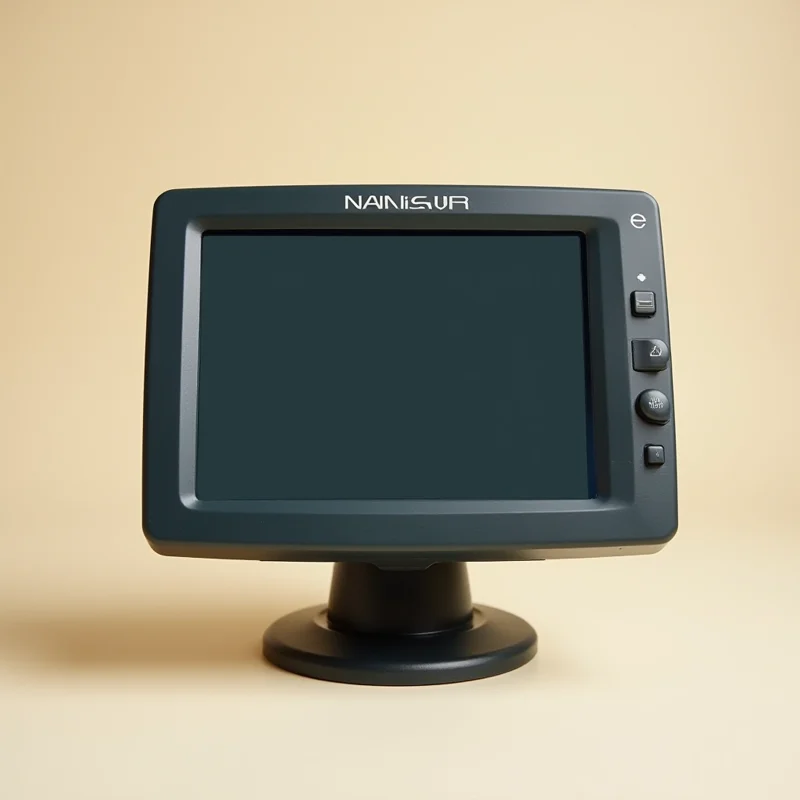
A 9-inch chartplotter-sonar with Navionics charts built in — the single most useful electronics purchase for a Great Lakes boat.
Questions
Same fish, other water
Size limits, bag limits, and open seasons for lake trout on Lake Ontario are set by NYSDEC and change from year to year. Check the current rulebook before you keep a fish.
Sources
Last updated 2026-09-01