A fish that was gone
Lake trout were once the top predator in Lake Erie’s eastern basin.
Commercial fishing, pollution and invasive species finished them. By about 1950
the native population was gone.
Cooperative stocking to bring them back began in the early 1980s. It has run on
two things ever since: hatchery yearlings and sea lamprey control. The Lake Erie
Committee’s stated goal is modest and specific — a lake trout population that
supports a cold-water fishery in the eastern and central basins.
That is what exists today. It is a stocked fishery, it is real, and it is small
next to the lake trout water on Superior, Huron or
Ontario.
Why the east end
Erie is the shallowest Great Lake, and most of it is no place for a cold-water
fish. The western basin is a warm saucer. The central basin goes low on oxygen
along the bottom in late summer.
The eastern basin is different. It is the deepest part of the lake, and off the
New York shore at Barcelona and Dunkirk, deep cold water sits within a short run
of the harbor. That cold bottom layer is where the lake trout live from July
through September. If you are not in it, you are not fishing for them.
Where the fish come from
Stocking rotates among sites at Dunkirk, Erie, Pennsylvania, Fairport, Ohio, and
two Ontario reefs, so no single location gets fish every year. In 2021 the
agencies put 255,338 yearlings into the east and central basins.
The milestone came in May 2021. DEC biologists set fry traps on a rock reef about
five miles west of Barcelona Harbor and caught newly hatched lake trout — the
first wild fish documented in Erie in about 60 years. In 2025 the DEC ran an
experimental project on Brocton Shoal, a historic spawning ground southwest of
Dunkirk, jetting silt and mussel shell off test sites to see whether clean rock
draws spawners.
Summer: bottom in 90 to 130 feet
From July into September, run straight out of Barcelona or northwest of Dunkirk
to 90 to 130 feet. Put the downrigger ball within a few feet of bottom and troll
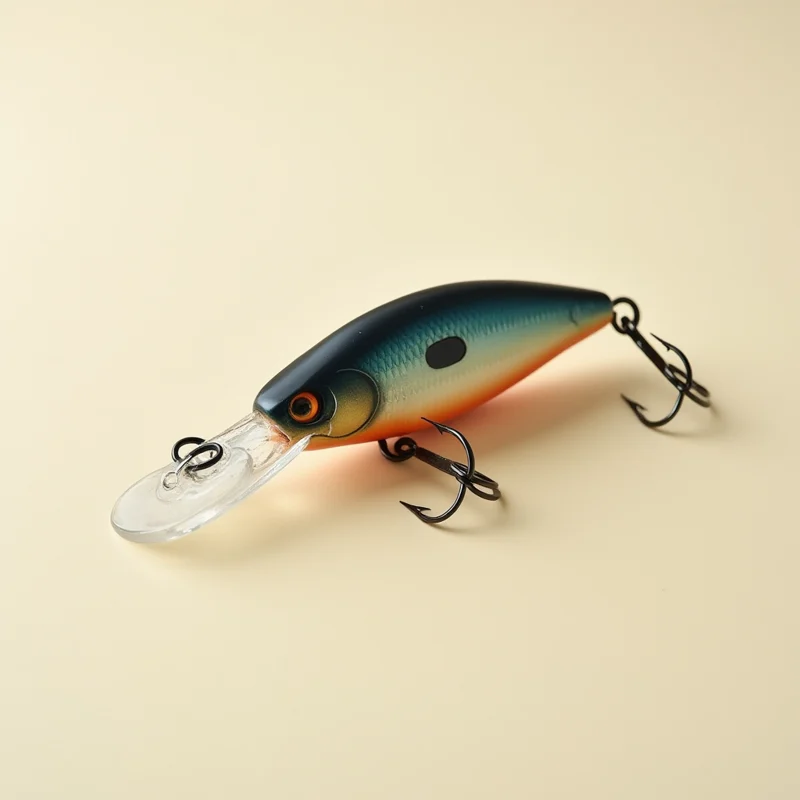
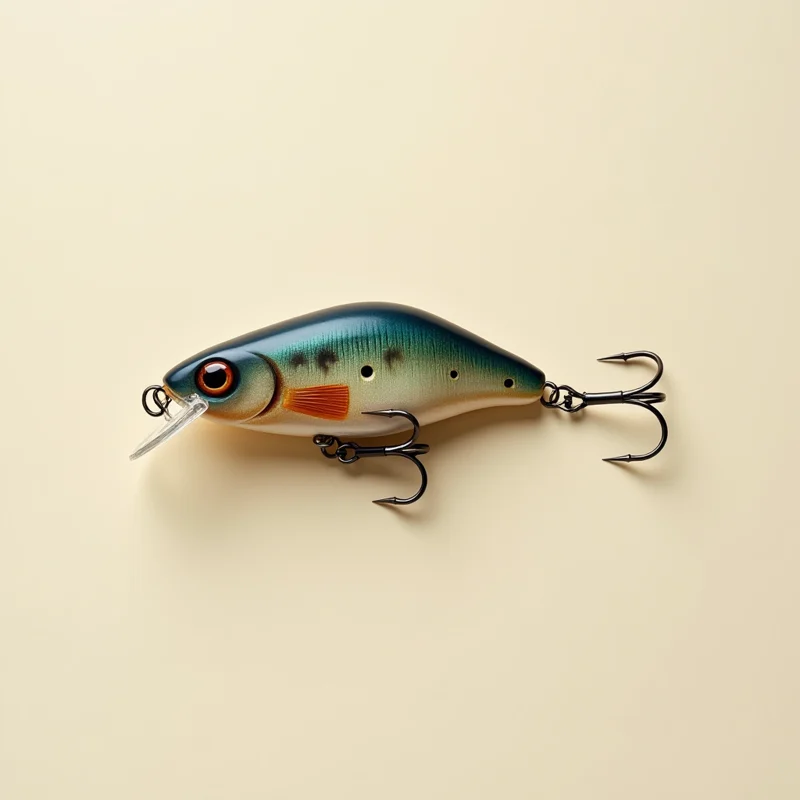
1.8 to 2.2 mph. A dodger and spin-glo is the standard bottom rig. Spoons work on
their own. When fish lift off bottom, a flasher and fly fished from 80 feet down
covers the gap.
Most boats out of these ports are walleye boats, and that is how most Erie
lakers are caught: one rod on bottom under a walleye
spread. If you are running the eastern basin for walleye in August, set that rod.
See downriggers vs. divers vs. lead core
for how to get a bait to 110 feet and keep it there.
Spring off North East
In May and June the fish are shallower. Off North East, Pennsylvania, two to two
and a half miles out in about 55 feet, is a structure local anglers call the
Mountain. Work it with riggers just off bottom and zig-zag across it. The Pennsylvania state record — 31 pounds, 13 ounces — came off
that structure in May 2019 on a copper-orange spoon over 55 feet of water.
Handle them like the investment they are
Every adult in this lake is a fish somebody raised in a hatchery and protected
from lamprey for five years or more. Lakers brought up from 100 feet can bloat, so
work them up steadily and release them fast. Leave Brocton Shoal and the
Barcelona reefs alone in fall. The fish on them are spawners, and those reefs are
the whole point of the program.
Erie’s weather applies here too. The eastern basin builds steep, short-period
waves in a southwest blow, and Barcelona and Dunkirk are small harbors. Read
how to read a Great Lakes marine forecast
before you commit to a 100-foot run.
Regulations
New York DEC manages the New York waters of Lake Erie and the Pennsylvania Fish
and Boat Commission manages Pennsylvania’s. Each sets its own lake trout season,
size and possession rules, and they differ from each other and change. Check the current regulations from the agency whose water you are on
before you go.