Keweenaw Bay — L'Anse and Baraga
The signature Superior whitefish ice fishery. Deep water close to accessible ice at the head of the bay, with fish on the 50 to 90 foot flats through February.
Lake Whitefish · Lake Superior
Lake whitefish are the best winter fish on Lake Superior and the reason Keweenaw Bay fills with shanties in February. They school over deep flats in 40 to 90 feet, they will chase a jigging spoon, and they are the finest eating fish in fresh water.
Prime time
January through March on the ice; late October and November on the shallow spawning reefs
Depths
40–90 ft on the ice; 15–40 ft on fall spawning reefs
Typical size
2–4 lb
Lake max depth
1,332 ft
Where
The signature Superior whitefish ice fishery. Deep water close to accessible ice at the head of the bay, with fish on the 50 to 90 foot flats through February.
Shallower and more protected than most of Superior. Reliable ice and whitefish over the deeper bay basin, with lake trout and splake on the same trip.
Protected water behind Grand Island freezes when the open lake will not. Whitefish hold on the deep flats between the island and the mainland.
The lake's warmest, most productive corner and the one it was named for. Fish the deep water off Brimley and the Bay Mills shoreline.
Open-water summer and fall whitefish over deep structure, and a fall spawning-reef bite that draws boats when conditions allow.
How
The Superior standard. Drop a 1/4 to 1/2 oz jigging spoon or a small jigging minnow bait to the bottom in 50 to 80 feet, then work it in the bottom three feet with sharp 8 to 12 inch lifts and a dead pause. Tip with a waxworm or a minnow head. Almost every strike comes on the pause.
Whitefish come in fast, hover, and leave. A flasher-style sonar shows them arriving off bottom and lets you time the lift. Bring the lure up two to three feet to draw a fish in, then drop it back and hold still. If a mark rises and stalls, stop moving entirely.
Set a second line with a small minnow 6 to 12 inches off bottom on a tip-down or a light deadstick rod. Fish drawn in by the jigging spoon frequently take the still bait instead. Two holes six feet apart is the classic setup.
Whitefish move onto rock in 15 to 40 feet to spawn in late October and November. They will take small spoons and jigs cast or jigged over those reefs, but spawning-season rules vary — check the state regulations before you plan around it.
Lake whitefish were a commercial species for two hundred years on Superior before anybody thought of them as something you catch on a rod. Then in the 2000s anglers in Keweenaw Bay and northern Michigan worked out that a whitefish in 70 feet of water will chase and eat a small jigging spoon, and a winter fishery appeared essentially from nothing.
It is now the defining ice fishery of the Upper Peninsula, and it happens in water deep enough that most people never thought to drill there.
The open lake does not freeze in a way anyone should trust. What freezes is the protected water: Keweenaw Bay behind the peninsula, Chequamegon Bay behind the Bayfield Peninsula and the Apostles, Munising Bay behind Grand Island, and the shallow eastern end of Whitefish Bay. Those are the whitefish destinations, and they are destinations precisely because they are the only places the ice cooperates.
Even there, a strong offshore wind can move ice out overnight. Local reports are not a formality on this lake. Carry picks around your neck, spread out, and never be the first person on a new sheet.
Drop a 1/4 to 1/2 ounce jigging spoon to the bottom in 50 to 80 feet. Work it within the lowest three feet: a sharp 8 to 12 inch lift, then a complete stop. Whitefish come to the flash and then commit to a motionless lure. The pause is where the bite lives, and anglers who keep jigging through it never figure out why the marks leave.
A flasher-style sonar is close to essential at that depth. You will see a fish rise off the bottom, stall three feet under the lure, and then either come or go. When it stalls, stop moving. If it drops back down, one small lift will often bring it again.
Tip the spoon with a waxworm, a minnow head or a couple of spikes. Whitefish have small, soft mouths and a light rod tip with a sensitive reel does more for your hookup rate than heavier gear.
The standard Superior setup is a jigging hole and a deadstick or tip-down six feet away with a small minnow 6 to 12 inches off bottom. The spoon draws fish in; a substantial share of them eat the still bait. If you fish alone, this is how you double your odds without doubling your effort.
Whitefish spawn in late fall over rock and gravel in 15 to 40 feet, and they become catchable from a boat in that period. Regulations covering spawning-season fishing differ by state and by water, and they change. Read the current rules before planning a trip around it.
Superior’s whitefish grow slowly in cold, low-productivity water — 2 to 4 pounds is typical and an 8-pounder is a trophy — but they are clean-tasting fish out of the cleanest water on the chain. Compared to Lake Michigan’s Grand Traverse Bay fishery, Superior’s is deeper, colder, more weather-dependent and considerably less crowded. Compared to Huron’s Les Cheneaux fishery, it is bigger water with less reliable ice.
You are sitting on ice over 70 feet of water that never gets above 40 degrees. Wear a float suit, carry picks, tell someone where you are, and be honest about a forecast. A pop-up or hub shelter is not a safety device but it will keep you out there long enough to fish properly, and being warm makes people patient — which is most of what whitefish fishing requires.
Where to put in
Dark marks are launches named in this guide. Generalized shoreline, not for navigation.
Kit
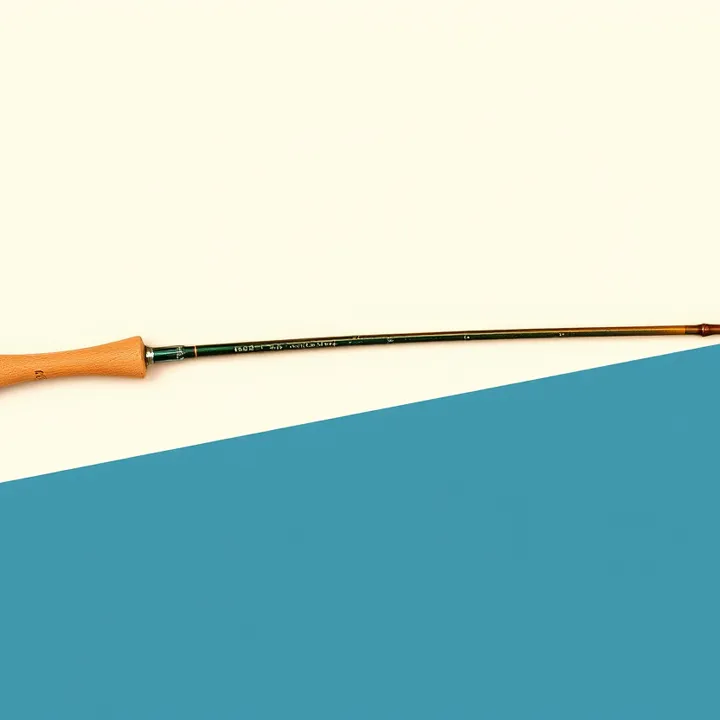
The ice rod that made a soft, evenly-loading tip standard — it shows you perch bites you would otherwise never feel.
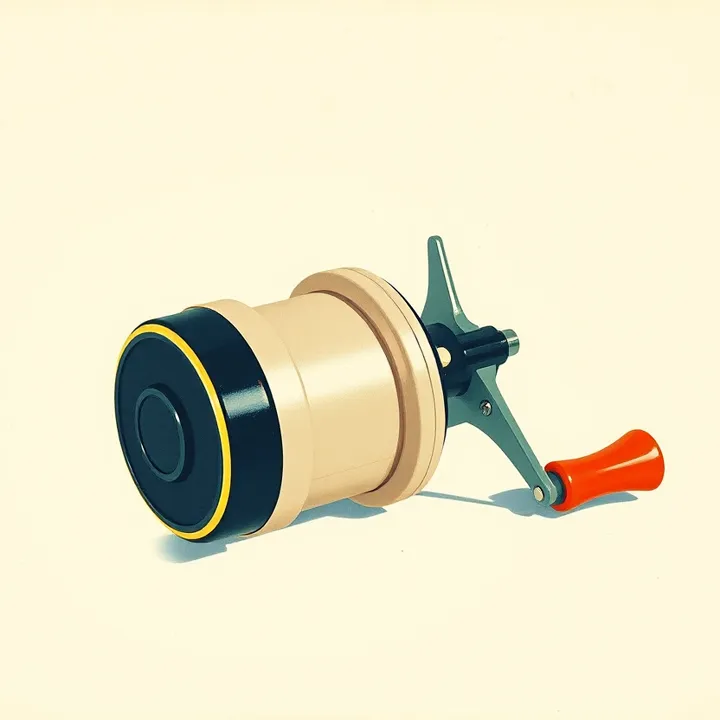
An inline ice reel that drops a jig straight down without spinning it, which is the difference between a bite and a look.
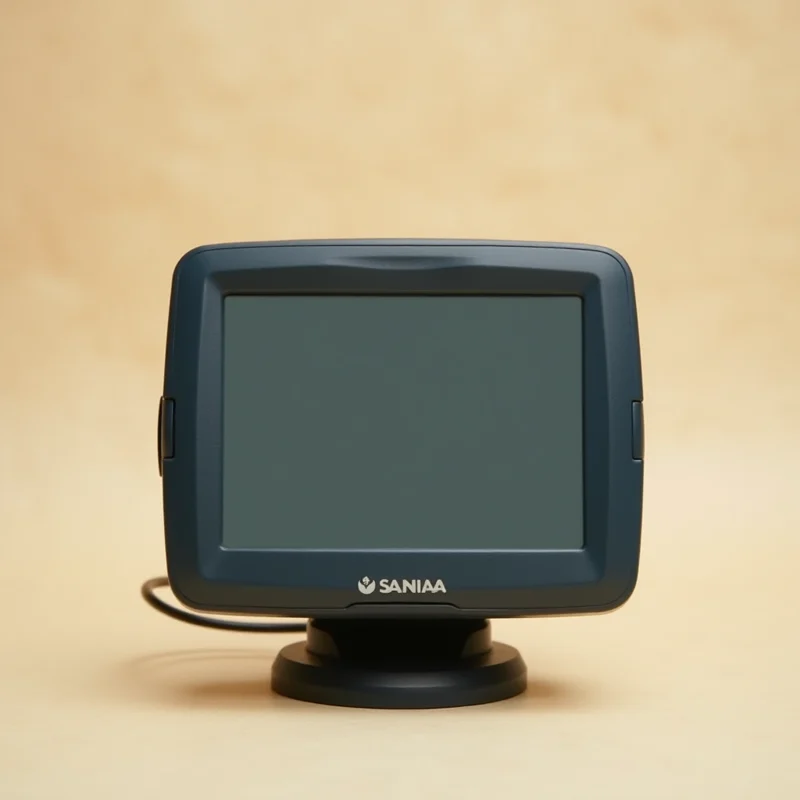
The ice flasher that has been the standard for thirty years — zero lag, and it shows your jig and the fish coming to it.
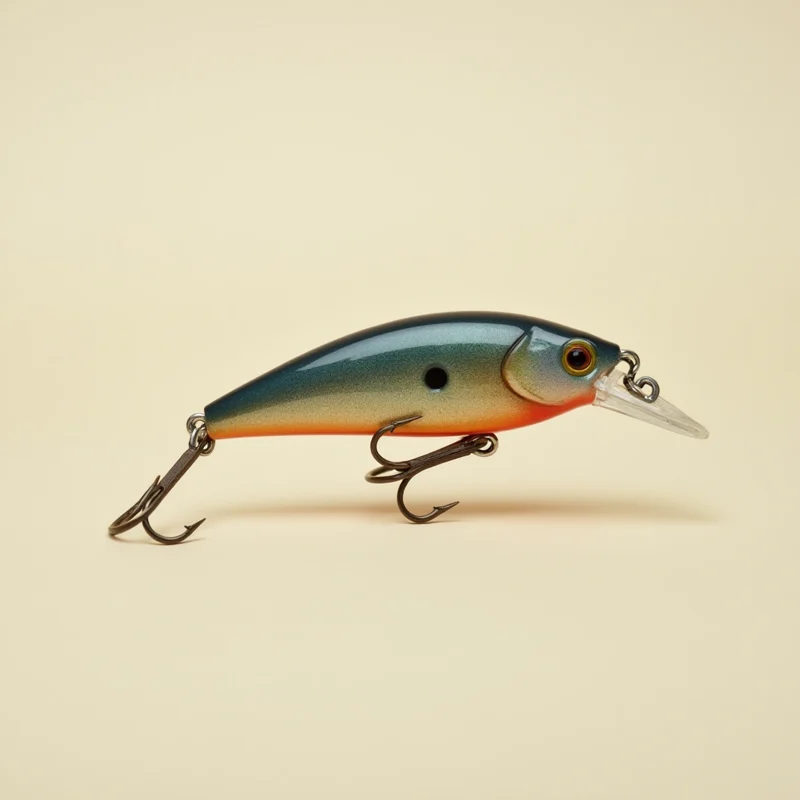
A balanced swimming jig that darts in a circle on the lift and glides back — the most productive ice lure ever made.
Two steel awls on a cord around your neck. The cheapest piece of gear that has ever saved a Great Lakes angler's life, and the most commonly skipped.
Questions
Same fish, other water
Size limits, bag limits, and open seasons for lake whitefish on Lake Superior are set by Michigan DNR, Wisconsin DNR and Minnesota DNR and change from year to year. Check the current rulebook before you keep a fish.
Sources
Last updated 2026-09-01