Grand Traverse Bay — East and West Arms
Deep, protected and holding whitefish nearly year-round. The West Arm exceeds 600 feet, but the fish use the 60 to 120 foot flats and the drop-offs off Elk Rapids and the Old Mission Peninsula.
Lake Whitefish · Lake Michigan
Grand Traverse Bay is the marquee whitefish water on Lake Michigan and it produces from a boat in open water as well as through the ice, which very few whitefish fisheries do. Fish 60 to 120 feet on the deep flats and the fish are there most of the year.
Prime time
December through March through the ice; October through April from a boat in Grand Traverse Bay
Depths
60–120 ft from a boat; 30–80 ft on the ice
Typical size
2–4 lb
Lake max depth
925 ft
Where
Deep, protected and holding whitefish nearly year-round. The West Arm exceeds 600 feet, but the fish use the 60 to 120 foot flats and the drop-offs off Elk Rapids and the Old Mission Peninsula.
A smaller version of Grand Traverse with the same character. Whitefish hold on the deep flats and come shallow onto reefs in late fall.
Protected northern Lake Michigan bays that make reliable ice and hold whitefish on the deeper basins along with walleye and perch.
Wisconsin's Door County water holds whitefish on hard bottom, with a fall spawning movement onto the reefs and a winter fishery on the bay side.
The channel and the deep water outside it concentrate whitefish in late fall and early winter.
How
The Grand Traverse Bay specialty. Anchor or hold on a marked school in 60 to 120 feet and drop a 1/2 to 1 oz jigging spoon or jigging minnow bait to bottom. Work the lowest three to five feet with sharp lifts and full pauses. Braid is essential at that depth for feel and hookset.
Through the ice in Grand Traverse Bay, Little Traverse and the Bays de Noc, fish 30 to 80 feet with a 1/4 to 1/2 oz spoon tipped with a waxworm or minnow head. Lift 8 to 12 inches, stop dead, and let a fish commit to the motionless lure.
Whitefish appear as fast-moving marks rising off bottom. When one stalls beneath your lure, stop moving entirely. If it drops back, a single small lift often brings it again. Continuous jigging drives them off — this is the mistake that separates good whitefish anglers from frustrated ones.
In late October and November, whitefish move onto rock and gravel in 15 to 40 feet to spawn. They will take small spoons and jigs, and the Door Peninsula and northern Michigan reefs are the classic locations. Seasonal rules differ by water — check before planning around it.
Most Great Lakes whitefish fishing is an ice fishery, because most of the places whitefish live in winter are only reachable when the surface is solid. Grand Traverse Bay broke that rule. It is deep, protected from the open lake by the Leelanau Peninsula, and it holds whitefish on flats and drop-offs that a boat can work all winter in a year with no ice — and in October, November, March and April in every year.
The result is that Traverse City has a whitefish fishery that runs six or seven months instead of eight weeks, and a generation of anglers who learned to jig them in 90 feet of open water from a boat.
Lake Michigan whitefish use deeper water than the Les Cheneaux fish do — 60 to 120 feet from a boat is normal in Grand Traverse Bay, and 30 to 80 feet through the ice. That depth argues for heavier lures (1/2 to 1 ounce), braided line for feel and hookset, and a graph that can actually resolve a fish two feet off bottom at 100 feet.
The West Arm of Grand Traverse Bay exceeds 600 feet. Ignore that number. The fish are on the flats and the breaks, in the depths listed above, and a boat that follows the contour will find them.
Big Bay de Noc and Little Bay de Noc at the top of Green Bay are the other significant Lake Michigan whitefish water. They are shallower and more protected, make reliable ice, and hold whitefish alongside walleye and perch — the sort of place you can catch three species in an afternoon. Wisconsin’s Door Peninsula and Sturgeon Bay carry a fall reef movement and a winter fishery on the Green Bay side.
Little Traverse Bay at Petoskey is essentially a smaller Grand Traverse and fishes the same way.
Repeat this until it is automatic: lift, then stop. Whitefish come to the flash of a rising lure and eat it when it stops moving. On a graph or a flasher you will watch a mark climb off bottom and stall three feet below the spoon. That stall is the moment. Hold absolutely still. If the mark sinks back, one small lift resets it.
Tip the spoon with a waxworm, spikes or a minnow head. Whitefish have small, soft, downward-facing mouths and they inhale rather than strike. A soft rod tip and a light drag save more fish at the hole than any hookset does.
Quagga mussels reorganized Lake Michigan’s bottom, stripping the plankton and crushing the Diporeia amphipod population that whitefish historically ate. Growth rates in parts of the lake declined as a result, and the fish have shifted toward round goby and other prey. Practical effect for an angler: whitefish are more willing to eat a minnow-profile bait than the invertebrate-feeding fish of thirty years ago were, and a small jigging minnow bait is a legitimate first choice alongside a spoon.
Grand Traverse Bay makes ice in the bays and arms but not dependably in the middle, and it can go out fast in a warm wind. The Bays de Noc are more reliable. Wherever you fish, carry picks, check local reports, and treat pressure cracks and current areas as unknown regardless of how thick the ice is elsewhere. From a boat in November, the hazards are simpler and no less serious: 45-degree water, short daylight, and wind that comes up while you are anchored on a school.
Where to put in
Dark marks are launches named in this guide. Generalized shoreline, not for navigation.
Kit
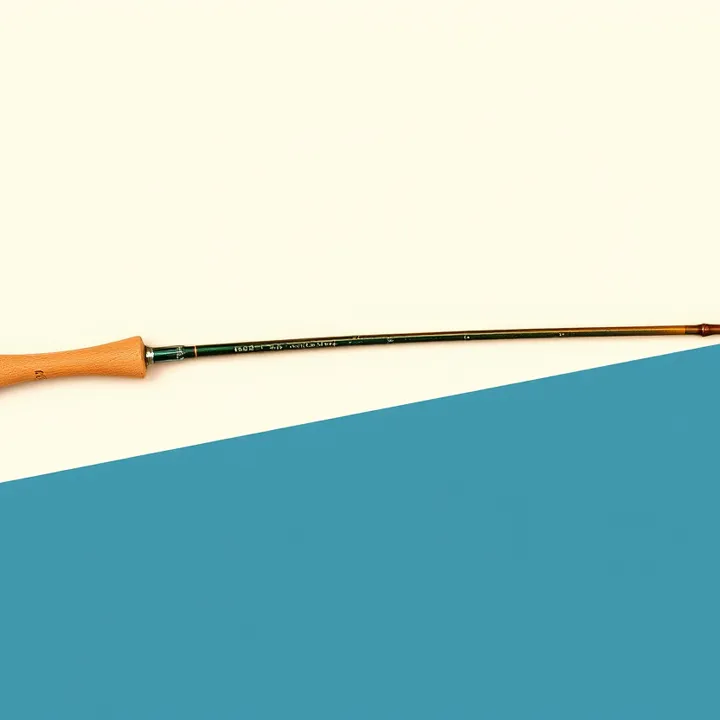
The ice rod that made a soft, evenly-loading tip standard — it shows you perch bites you would otherwise never feel.
MEGA side imaging that shows individual rocks and fish out to 125 feet either side — the shallow-water structure tool.
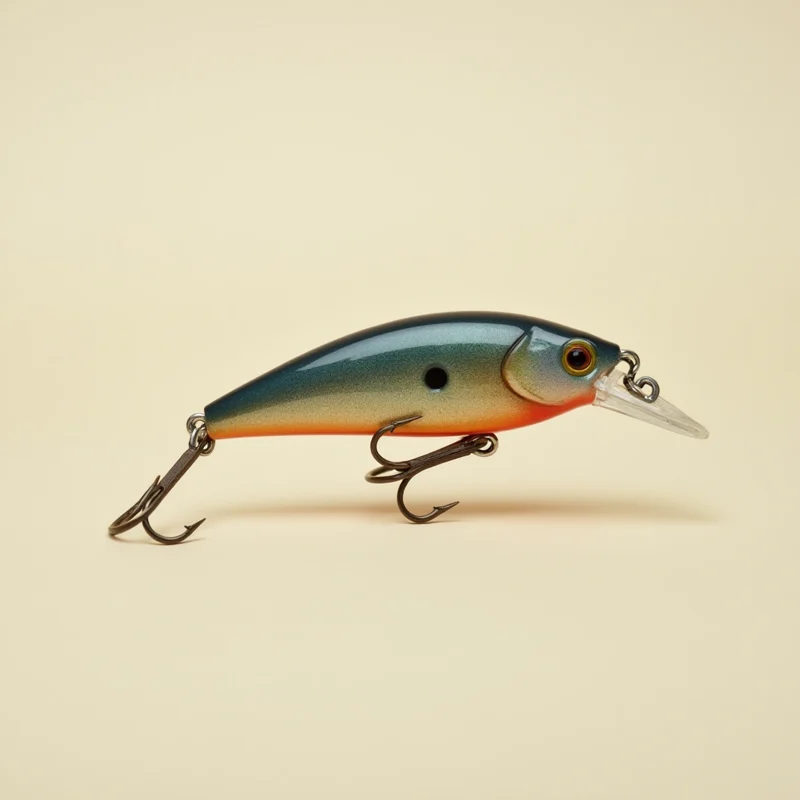
A balanced swimming jig that darts in a circle on the lift and glides back — the most productive ice lure ever made.
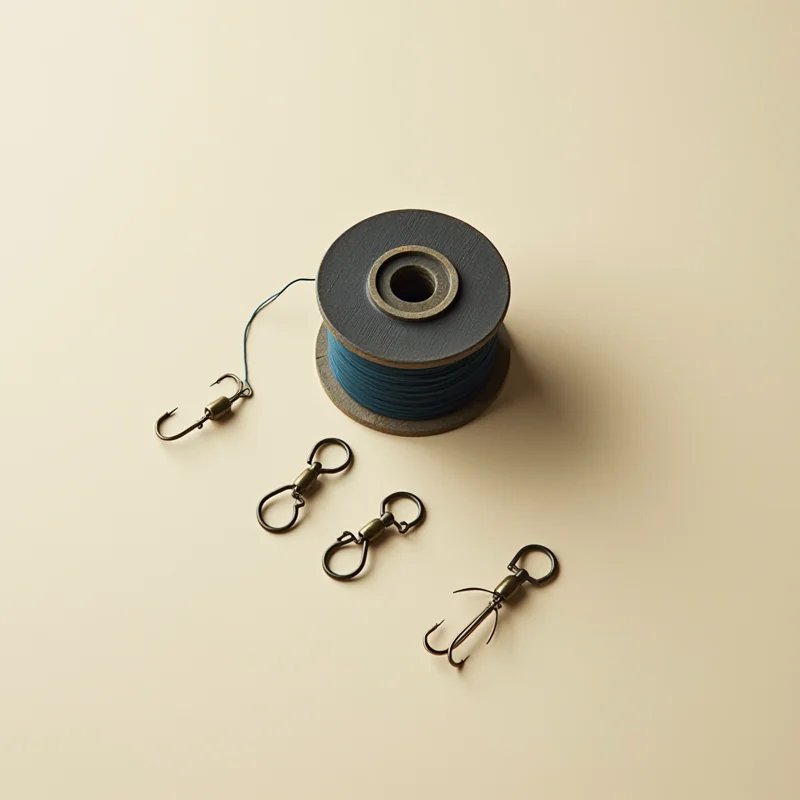
The default braid on half the jigging rods in the system, and it holds up to zebra-mussel-scarred structure better than it has any right to.
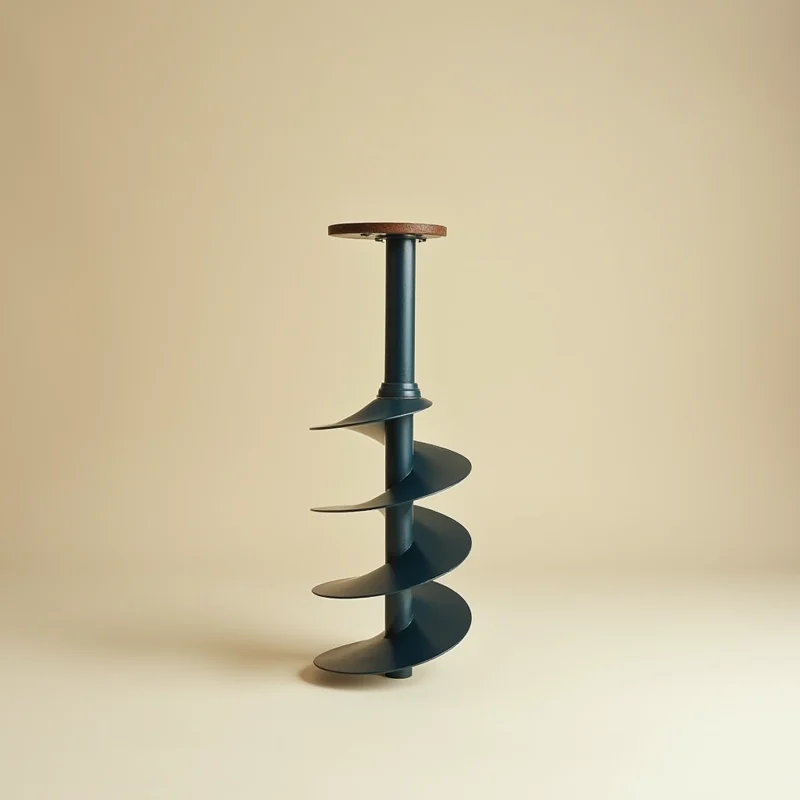
A cordless auger that cuts forty-plus holes in Saginaw Bay ice on one battery and never asks you to carry gas onto the lake.
Questions
Same fish, other water
Size limits, bag limits, and open seasons for lake whitefish on Lake Michigan are set by Michigan DNR, Wisconsin DNR, Illinois DNR and Indiana DNR and change from year to year. Check the current rulebook before you keep a fish.
Sources
Last updated 2026-09-01