Rogers City and the Ocqueoc River mouth
The most consistent salmon water left on American Huron. Coho hold in the top 40 feet over 60 to 150 feet of water in June, often shallower than the kings in the same spread.
Coho Salmon · Lake Huron
Lake Huron has the thinnest coho fishery on the American side of the chain, a consequence of the same alewife collapse that took the chinook down. The northern shore from Rogers City to De Tour and the water off Alpena still give up coho in early summer, usually mixed into a lake trout and steelhead program.
Prime time
May through July, best in the northern third of the lake
Depths
15–60 ft down over 60–200 ft of water
Typical size
3–8 lb
Lake max depth
750 ft
Where
The most consistent salmon water left on American Huron. Coho hold in the top 40 feet over 60 to 150 feet of water in June, often shallower than the kings in the same spread.
Cold St. Marys River water pushing through the passage concentrates smelt and holds coho later into summer than the open lake does. Fish the current seams on either side of the channel.
A quick drop close to shore and a cold-water shoreline. Troll the 60 to 140 foot line in June with shallow gear.
Mixed-bag water. Coho show among lake trout and steelhead on the outside of North Point and around Thunder Bay Island in early summer.
The southern shore produces coho in cold springs when the fish push down the Michigan side. It is inconsistent, but a May run of 45-degree water off Harbor Beach can be very good.
How
Coho on Huron ride the top 30 feet in spring. Three to five colors of lead core off a side planer runs 15 to 30 feet at 2.0 to 2.3 mph. Fish 2 to 3 inch spoons in orange, silver and green — smaller than what the lake trout crowd is running.
A four- to six-inch dodger, a 12-inch leader and a small fly, run at 1.9 mph, is the reliable coho rig anywhere on the chain and it still works here. Set it 20 to 45 feet down on a rigger or short copper.
Where cold St. Marys water meets warmer Huron water, temperature can swing 8 degrees across a few hundred yards. Troll along the seam at 2.1 mph with baits in the top 25 feet and let the boards work both sides.
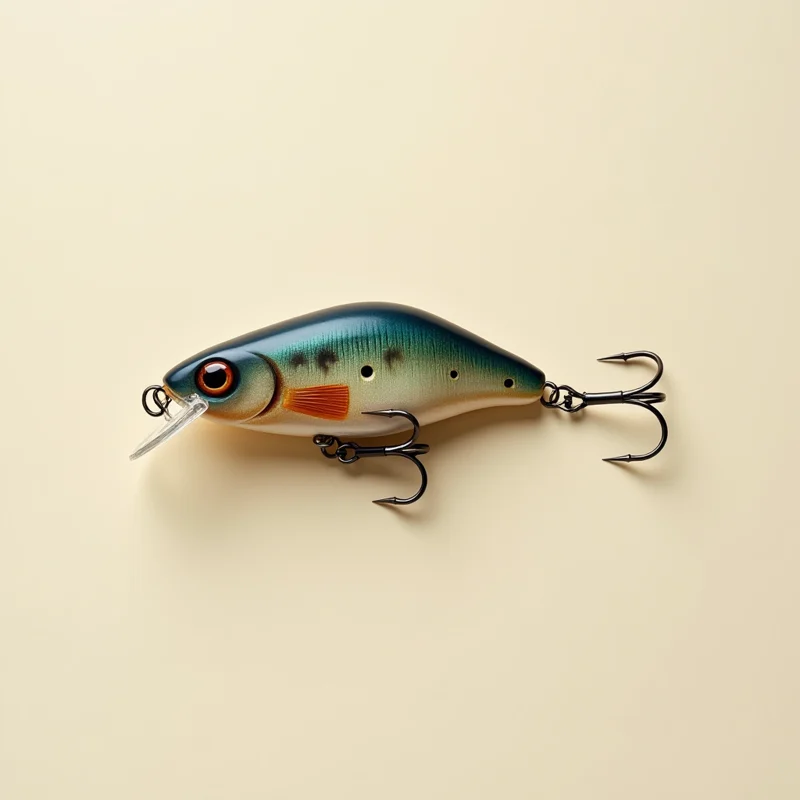
In May and early June, a 3 to 4 inch minnow bait pulled 120 feet behind a board in the top 10 feet at 2.0 mph will take coho in 20 to 50 feet of water close to shore before the sun gets on the water.
The 2003 alewife collapse on Lake Huron is the fact that governs everything about salmon here. Chinook, which are nearly obligate alewife feeders in this system, crashed hardest. Coho are more flexible — they will eat smelt, emerald shiners, young bloaters and insects — so they did not disappear, but they lost the food base that made them numerous. What is left is a real fishery at a small scale.
Huron also got something in return. Walleye rebounded across the main basin and Saginaw Bay, and lake trout began reproducing naturally at levels not seen since before the sea lamprey era. If you fish Huron today you are fishing a mostly native cold-water community with a Pacific salmon component around the edges.
Two rules cover most Huron coho trips. Fish north of Alpena, and fish the top 40 feet. Huron averages 195 feet deep, considerably shallower than Michigan or Ontario, so the summer thermocline compresses. Coho sit at the warm top of it — 52 to 58 degrees — while lake trout stack underneath. If your entire spread is below 60 feet you are running a laker program.
The Rogers City stretch, Presque Isle and Hammond Bay all put deep water close to shore, so a modest boat can be over 100 feet within a mile or two. De Tour Passage at the far north end is the outlier: current-driven, cold, and holding fish weeks after the open lake has warmed past coho tolerance.
Where a Lake Michigan coho boat throws four-inch spoons at alewife-fed fish, Huron’s forage now runs to smelt, round goby and juvenile bloater. Small profiles win. Two to three inch spoons, small dodger-and-fly combos and 3 to 4 inch stickbaits cover the water. Bright colors still matter in the stained water near river mouths; go more natural on the clean rock shorelines.
The best small-boat window on Huron is late May and early June, when the near shore band from Harbor Beach to Rogers City holds 45 to 52 degree water within sight of the launch. Coho, steelhead and browns all use it. Pull minnow baits and small spoons in the top 15 feet, close in, before the sun is up. It is short-lived and it is the least technical salmon fishing on the lake.
Huron has 3,827 miles of shoreline, more than any Great Lake, and long stretches of it are empty. Between Rogers City and De Tour there are few refuges, cell coverage is patchy, and a northwest blow builds quickly across a long fetch. The Thunder Bay shipwreck sanctuary near Alpena — more than a hundred wrecks in protected waters — is a permanent record of what this lake does to people who misread it. Carry a VHF, tell somebody your plan, and go in early.
Two or three coho, a couple of steelhead, a lake trout and possibly a wild king, taken in the top 40 feet over 80 to 150 feet of water off Rogers City between first light and ten in the morning. That is the realistic ceiling and it is a genuinely good morning of fishing on quiet water with almost no other boats around. Anyone selling you a limit box of salmon on Lake Huron is describing 1995, not the lake that exists now.
Where to put in
Dark marks are launches named in this guide. Generalized shoreline, not for navigation.
Kit
The other standard in-line board — slightly larger, pulls heavier loads, and handles copper and lead core better than most.
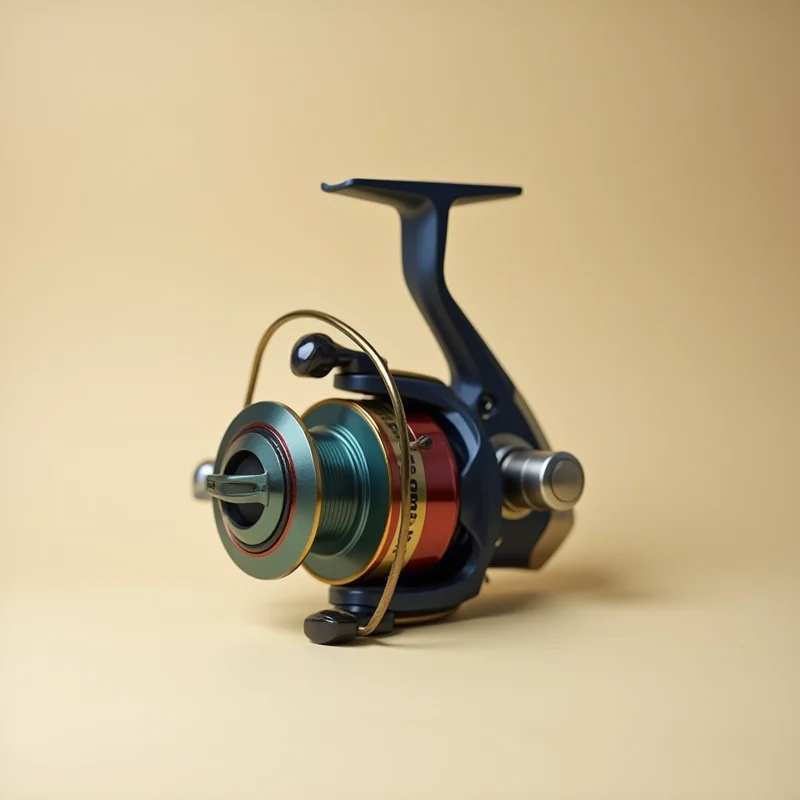
The line counter that put repeatable trolling depths within reach of everyone with a boat and eight rod holders.
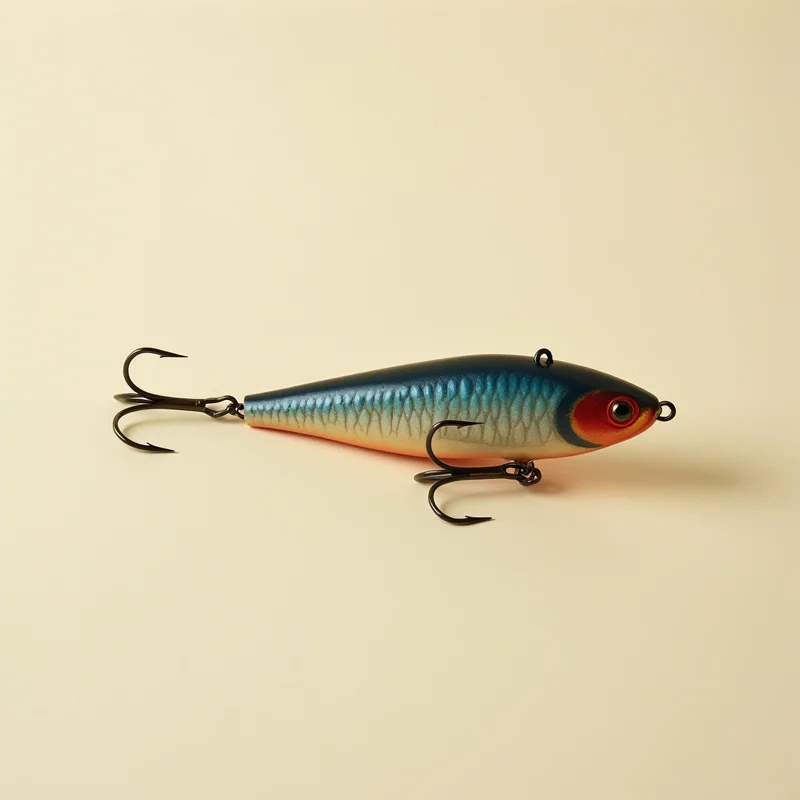
A suspending jerkbait that hangs motionless between twitches — the cold-water bait for walleye, smallmouth and browns.
Braided-jacket lead core that sinks faster and takes up less spool than the old nylon-jacketed stuff.
A narrow, fast-fluttering spoon built for higher trolling speeds — the steelhead and coho answer when kings are not the target.
Questions
Same fish, other water
Size limits, bag limits, and open seasons for coho salmon on Lake Huron are set by Michigan DNR and change from year to year. Check the current rulebook before you keep a fish.
Sources
Last updated 2026-09-01