Spirit Lake
A wide, shallow backwater in the upper estuary on the Minnesota side. Telemetry work found muskie concentrating here in spring, and it's still muskie water through summer.
Muskellunge · Lake Superior
Lake Superior has one muskie fishery, the St. Louis River estuary between Duluth and Superior, and it's a good one. Anglers who target muskie there catch them at better rates than recent creel surveys found on Leech Lake or Mille Lacs. Away from the estuary, plan nothing.
Prime time
September and October, with October the peak; an early-season window in late spring
Depths
4–14 ft over weed and wood in the upper bays; 15–25 ft along dredged channel edges in the lower harbor
Typical size
About 36 inches
Lake max depth
1,332 ft
Where
A wide, shallow backwater in the upper estuary on the Minnesota side. Telemetry work found muskie concentrating here in spring, and it's still muskie water through summer.
A large bay on the Wisconsin side of the upper estuary. Tagged fish used it from spring through fall, and it's the area they moved through on the way down to the lower river in autumn.
The lower estuary: dredged shipping channels, slips, riprap and the bays behind Park Point and Wisconsin Point. Muskie spread down here in summer and fall. It's a working port, and the ore boats don't stop for you. You can launch at Barkers Island in Superior.
In fall some estuary muskie move out into the open lake. They're real fish, but too scattered to target on purpose. Fish the estuary.
How
September and October, over weed edges, wood and points in 6 to 14 feet in Spirit Lake, Pokegama Bay and the lower river. 8- to 10-inch rubber baits and double-blade bucktails. Figure-eight every bait at the boat. A lot of estuary fish follow before they eat.
Late October into November, when the fish drop toward the lower estuary. Big crankbaits 50 to 100 feet back along the breaks where the dredged channels meet the flats, at 2.8 to 3.8 mph. Slow down as the water cools.
In late spring and early summer, fish are spread through the shallow upper estuary. Cast smaller bucktails and glide baits across 4 to 10 feet of new weed. The creel survey found a quarter of the season's muskie were caught in May, mostly by walleye anglers who weren't trying.
Use 80 to 100 lb braid, a fluorocarbon or wire leader, and a rod that ends the fight quickly. Keep the fish in the water in a cradle or a big rubber net. Unhook it there with long pliers or cutters. Most anglers here release every muskie.
Lake Superior is not muskie water. Nearly all of it is too cold, too deep and too clear for muskellunge. The great Great Lakes muskie fishery is Lake St. Clair, and nothing on Superior compares to it for numbers.
One part of Superior is different: the St. Louis River estuary, at the western tip of the lake between Duluth, Minnesota, and Superior, Wisconsin. It covers 11,500 acres of bays, backwaters and dredged channels. It’s warm, weedy and stained, and it holds a real muskie population. This page is about that estuary, because on Superior’s US shore there’s nowhere else to fish for muskie.
The St. Louis River was badly polluted for most of the 20th century. In the 1950s and 1960s, locals wouldn’t fish it. The Clean Water Act cleanup changed that. In 1983 the Minnesota and Wisconsin DNRs began stocking muskellunge in the estuary and kept it up into the mid-2000s. Then they stopped to see if the fish would reproduce on their own. Fall surveys found young muskie in the estuary, which meant they did. More recently the agencies have added supplemental stocking. The Wisconsin DNR stocked 1,250 fall fingerlings in the estuary in 2021.
The result is a fishery anglers take seriously. In the 2015 creel survey, muskie passed northern pike as the second most-targeted species in the estuary, behind only walleye. Anglers who targeted muskie caught about 0.03 fish per hour. That’s not fast, but it beat recent creel surveys on Leech Lake and Mille Lacs.
From 2016 to 2018, researchers with Minnesota Sea Grant and the two state DNRs put acoustic tags in 60 muskie and followed them through the estuary. In spring the fish concentrated in Spirit Lake and around Pokegama Bay. In summer they spread from Spirit Lake through Pokegama Bay and down into the Duluth-Superior harbor. In fall they moved from Pokegama Bay toward the lower river and nearshore Lake Superior.
That gives you the plan. Fish the upper bays early. Follow the fish down the system as the season goes on, and finish on the lower river and harbor in late fall.
Nearly 40 percent of the tagged fish went out into Lake Superior at some point. One went as far as Chequamegon Bay near Washburn. That’s interesting biology, but it isn’t a fishery. A Superior muskie caught outside the estuary is a fish that wandered.
October is when the estuary is fished hardest and when it produces the most muskie. In the 2015 creel, October alone accounted for more than a quarter of the season’s catch. Cast big rubber and bucktails over weed edges and wood in the upper bays, then switch to trolling crankbaits along the channel breaks in the lower estuary as the water cools. Figure-eight at the boat every time.
There’s a second, smaller window in late spring. A quarter of 2015’s catch came in May, mostly to walleye anglers who weren’t targeting muskie. If you fish the estuary for walleye in May, use a leader.
The lower estuary is the Duluth-Superior harbor, a working port. The shipping channels are dredged deep for ore boats and lakers, and those ships can’t stop or turn for a small boat. Stay out of the channels when a ship is coming, and keep a radio on. When you fish channel edges, watch over your shoulder as much as your line.
Most muskie anglers here release every fish. Bring a large cradle or a rubber-coated net and keep the fish in it, in the water, while you unhook it with long pliers or cutters. If you lift it for a photo, support it horizontally and keep it out of the water for only a few seconds. Hold it upright in the water until it swims off on its own.
The St. Louis River estuary is a Minnesota-Wisconsin border water. It has its own muskellunge rules, separate from both states’ inland waters, and those rules have been tightened more than once. There is also a seasonal fish sanctuary in the upper estuary. Read the current border-water regulations from the Minnesota DNR and the Wisconsin DNR before you fish.
Where to put in
Dark marks are launches named in this guide. Generalized shoreline, not for navigation.
Kit
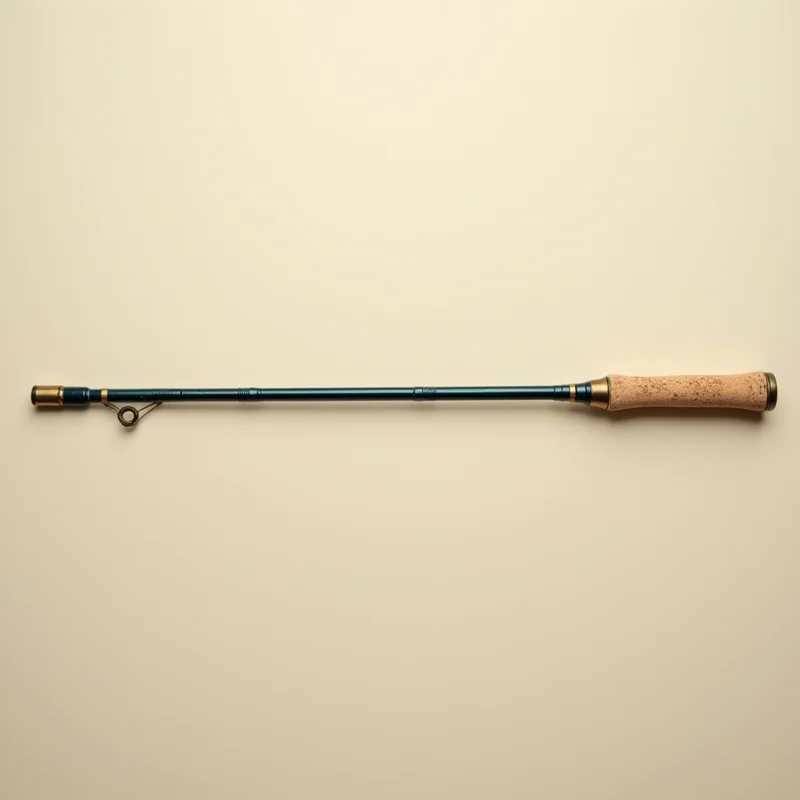
An 8-foot heavy musky stick that throws big rubber all day and still lets you finish a proper figure-eight boatside.
A round baitcaster built to throw 10-ounce rubber a thousand times a day and still have drag left for a 50-inch fish.
A single-blade inline bucktail that has caught muskies for sixty years and still gets bit on St. Clair every summer.
A big rubber bait with four independently moving tails that can be fished fast, slow, or as a slow-sinking glide.
The leader that stands between a Lake St. Clair muskie's teeth and your line, in the fluorocarbon that clear water demands.
A hoop big enough to take a fifty-inch St. Clair muskie without folding it, with a deep coated bag that becomes a holding pen boatside.
Questions
Same fish, other water
Size limits, bag limits, and open seasons for muskellunge on Lake Superior are set by Michigan DNR, Wisconsin DNR and Minnesota DNR and change from year to year. Check the current rulebook before you keep a fish.
Sources
Last updated 2026-10-08