Presque Isle Bay, Erie, Pennsylvania
The protected bay inside the peninsula. Weed flats, a warm shallow basin and a small but established muskellunge population. The most reliable muskie water on the lake.
Muskellunge · Lake Erie
Lake Erie is not a muskie destination and you should not plan a trip around it. Where the fish do concentrate — Presque Isle Bay, the upper Niagara River at Buffalo, and the western basin near the Detroit River mouth — they are genuinely large, and a fall fish there is a real trophy.
Prime time
September through November, with October the best window
Depths
6–16 ft over weed flats and river-mouth structure; 18–28 ft on late-fall current breaks
Typical size
38–46 inches
Lake max depth
210 ft
Where
The protected bay inside the peninsula. Weed flats, a warm shallow basin and a small but established muskellunge population. The most reliable muskie water on the lake.
Where Erie drains east. Strong current over hard bottom and weed, and a genuine muskellunge fishery on the New York side. Big fish, heavy current, and boat handling that demands attention.
The far western corner off Monroe, Michigan, where the Detroit River enters Erie. Fish moving down out of the Lake St. Clair system show up here, and they are the largest muskellunge caught in Erie water.
A large warm shallow bay with weed and a river mouth. Historically muskellunge water and still worth a fall cast, though the odds are long.
How
Presque Isle Bay and Sandusky Bay, September and October, over 6 to 14 feet. A 9- to 10-inch rubber bait or a big double-blade bucktail, worked over and along the outside edge of the cabbage. Cover water — in a low-density fishery, casts made is the number you control.
The best muskie water on Erie's drainage. Cast to the slack pocket behind a point or a weed edge and bring the bait through the seam. Use heavier baits than you would in still water to hold depth in current, and pay attention to boat position at all times — the Niagara moves fast and downstream is not where you want to drift.
Late October and November, 3.0 to 4.0 mph along the outside weed line in 12 to 20 feet, big crankbaits 60 to 100 feet back. In cold water slow to 2.8 mph and go bigger. This is how the heaviest late-season fish come out of Presque Isle Bay.
October and November off Monroe and Brest Bay, on the current break where the river dumps into the western basin. Big crankbaits or heavy rubber. These are fish that came down out of the St. Clair system and they are the largest muskie caught in Erie water.
Most of what gets written about Great Lakes muskellunge is about Lake St. Clair, and there is a reason for that. Erie is a walleye, perch and smallmouth lake. Its muskellunge fishery is small, localized and, in most of the lake, effectively nonexistent.
That is worth saying plainly, because a page that pretended otherwise would send someone on a wasted trip. If you want to catch a muskie, drive to St. Clair.
What follows is where Erie’s muskie actually are, and why a fish from those places is worth having.
The best muskie water on Lake Erie proper is inside Presque Isle, the sand peninsula that curls out from the Pennsylvania shore at the city of Erie. The bay behind it is shallow, warm, weedy and protected — the opposite of the open lake in every respect, and exactly the habitat muskellunge want.
The fishery is small but established. Fish it in September and October, casting large rubber or a big bucktail over 6 to 14 feet of cabbage, or trolling the outside weed edge at 3.0 to 4.0 mph in late October and November.
Presque Isle is also the most accessible of the three areas on this page. There is a state park, launches, and enough protected water that a modest boat can fish it.
At the east end, Erie drains into the Niagara River, and the upper river between Buffalo and the falls is a genuine muskellunge fishery — better in most respects than anything in the lake itself. Strong current over hard bottom and weed, and fish that run heavy.
The fishing method is current fishing: cast into the flow, work the bait through the seam behind a break, and be ready when it crosses into slack water.
The boat handling is the serious part. The upper Niagara moves fast, and the consequences of losing power or drifting the wrong direction are not theoretical. Know the river, stay well above any restricted zone, and treat it with more caution than you would give open water.
Erie’s western corner off Monroe, Michigan, is where the Detroit River empties into the lake. Muskellunge from the Lake St. Clair system move down the river, and the fish that reach Brest Bay and the river mouth are the biggest muskellunge caught in Erie water.
This is a fall pattern — October and November, on the current break where river water meets lake water, with big crankbaits or heavy rubber. It is opportunistic fishing. Nobody has a milk run of Detroit River mouth muskie spots, because the fish are transients.
Worth mentioning for completeness. A large, warm, shallow, weedy bay on the Ohio shore with a river feeding it — historically muskellunge habitat, and still occasionally productive on a fall cast. The odds are long enough that it is a place you fish because you are already there.
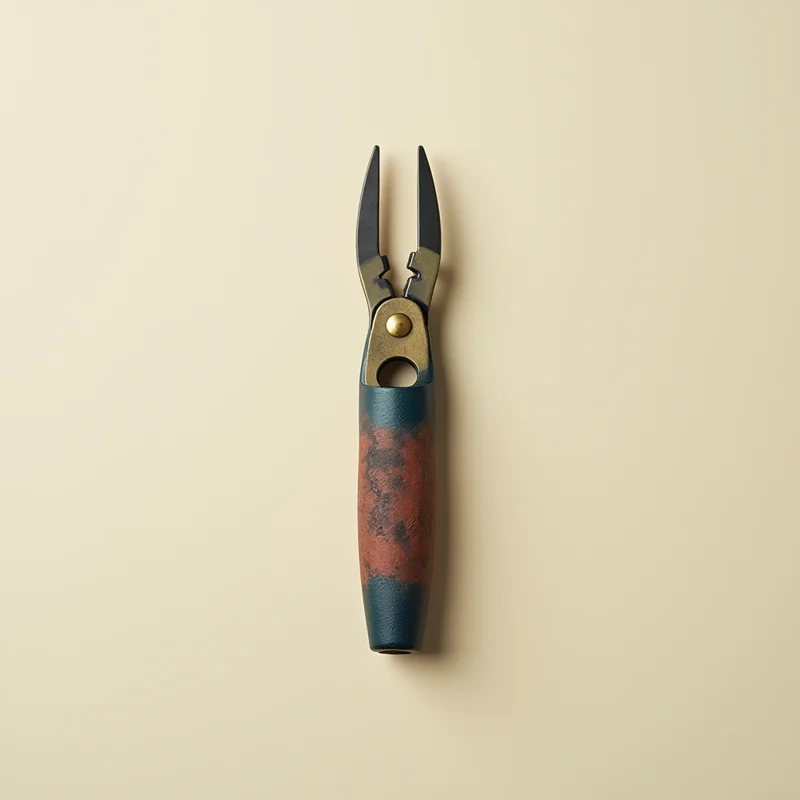
A muskie caught anywhere in Erie’s drainage is a meaningful individual out of a small population. Keep it in the water. Use a large cradle or rubber-coated net as a holding pen. Unhook with long pliers or a cutter while the fish is submerged. Support it horizontally if you lift it for a photo, and hold it upright into a slow idle until it kicks off on its own.
Everything on this page except the Niagara River is on a lake that averages 62 feet deep and stacks up faster than any water on this site. Presque Isle Bay is protected; the run out and back along the Pennsylvania shore is not. Brest Bay and the western basin are the shallowest water on the lake and the roughest in a northwest blow.
Check the forecast, set a turnaround time, carry a VHF.
Four states manage portions of Lake Erie and its connecting waters, and each sets its own muskellunge season, size and possession rules. They differ from each other and they change. Read the current regulations from the agency whose water you are on before you fish.
Where to put in
Dark marks are launches named in this guide. Generalized shoreline, not for navigation.
Kit
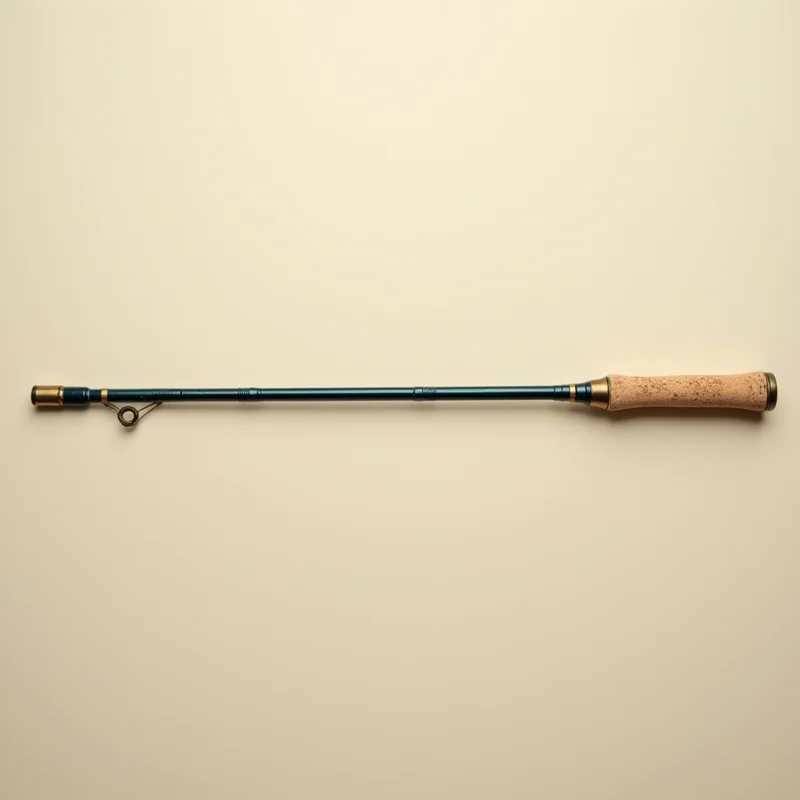
An 8-foot heavy musky stick that throws big rubber all day and still lets you finish a proper figure-eight boatside.
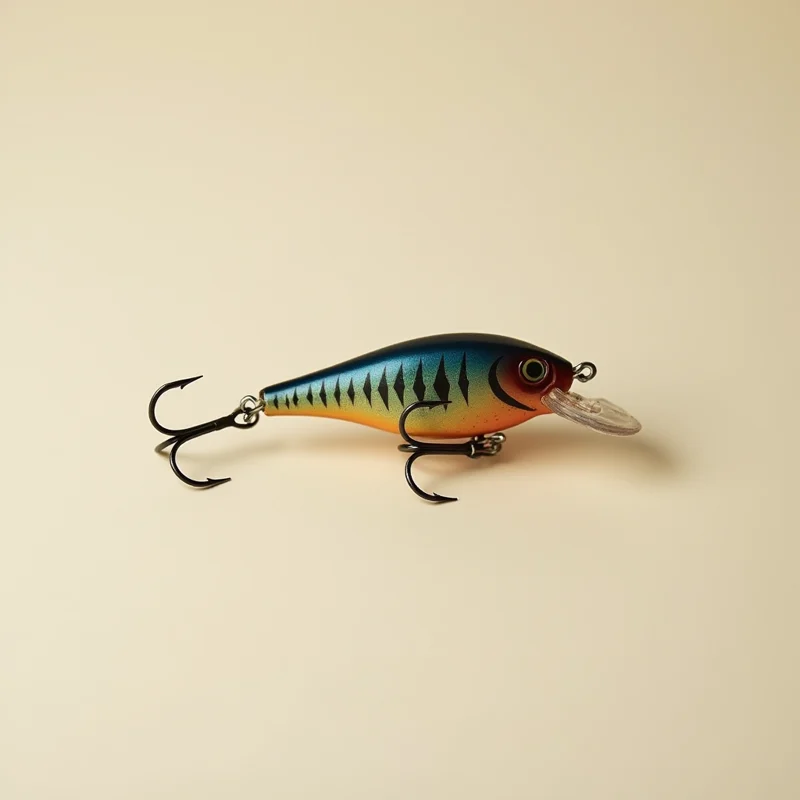
A single-blade inline bucktail that has caught muskies for sixty years and still gets bit on St. Clair every summer.
The leader that stands between a Lake St. Clair muskie's teeth and your line, in the fluorocarbon that clear water demands.
A hoop big enough to take a fifty-inch St. Clair muskie without folding it, with a deep coated bag that becomes a holding pen boatside.
A round baitcaster built to throw 10-ounce rubber a thousand times a day and still have drag left for a 50-inch fish.
Questions
Same fish, other water
Size limits, bag limits, and open seasons for muskellunge on Lake Erie are set by Michigan DNR, NYSDEC, Ohio DNR Division of Wildlife and PA Fish & Boat Commission and change from year to year. Check the current rulebook before you keep a fish.
Sources
Last updated 2026-09-01