GreatAmericanLakes

Muskellunge · Lake Michigan

Green Bay Muskie Fishing: The Lower Fox, Sturgeon Bay & Fall Trolling

Lake Michigan's main basin is not muskie water, but Green Bay holds a genuine trophy fishery for Great Lakes spotted muskellunge, rebuilt by stocking since 1989. Fish the lower Fox River, the southern bay and the Door County bays in fall, and understand that this is a big-fish, low-numbers fishery that stocking still holds up.

Prime time

September through November, with late October and November the heavy-fish window

Depths

6–18 ft over weed and soft bottom in the southern bay and Door County bays; the dredged lower Fox River channel in late fall

Typical size

43–50 inches

Lake max depth

925 ft

Where

Water worth running to

The lower Fox River, De Pere to the mouth at Green Bay

The center of the program. Wisconsin DNR nets adult muskellunge here every spring, takes eggs from Fox River spawners for the hatchery, and has stocked the river since 1989. Fish run the river below the De Pere dam and out into the bay.

Southern Green Bay off the Fox River mouth

Broad, shallow, fertile water fed by the Fox. The bay's muskellunge spread out from here, and this is where most of the fall trolling happens. Launch at Green Bay or Howard.

Sturgeon Bay, Sawyer Harbor and Little Sturgeon Bay

Protected Door County water on the east side of the bay. Sawyer Harbor and Little Sturgeon Bay are DNR stocking sites chosen because they hold both fingerling and adult habitat. Weed edges and soft bottom that suit casting.

The Menominee River at Marinette

The Wisconsin–Michigan border river and one of the bay's muskellunge spawning tributaries, stocked by Wisconsin and surveyed in some springs. Fish the river mouth and the bay water off it.

The west-shore river mouths: Oconto and Peshtigo

Smaller tributaries on the Wisconsin west shore, stocked since 2010. Fewer fish and less pressure than the lower bay, and worth a fall pass on the way north.

How

Tactics, in the order we would try them

  1. 01

    Trolling big crankbaits in the southern bay

    October and November, 3.0 to 4.0 mph over 8 to 18 feet, with large crankbaits 60 to 100 feet back and a planer board to spread the outside rods. Run contours and the edges of any weed or mud-line change rather than straight lines. As the water drops into the 40s, slow to about 2.5 mph and go to bigger baits.

  2. 02

    Casting rubber and bucktails in the Door County bays

    September and October in Sturgeon Bay, Sawyer Harbor and Little Sturgeon Bay, over 6 to 14 feet. A 9- to 10-inch rubber bait or a double-blade bucktail along the outside weed edge, with a figure-eight at the boat on every cast. In a low-density fishery, casts made is the number you control.

  3. 03

    Working the lower Fox River in late fall

    November, when fish push into the river. Troll or cast the channel edges and current breaks below De Pere with heavier baits that hold depth in moving water. This is close-in, urban, commercial-channel water — watch the traffic and the bridges.

  4. 04

    Heavy tackle and a short fight

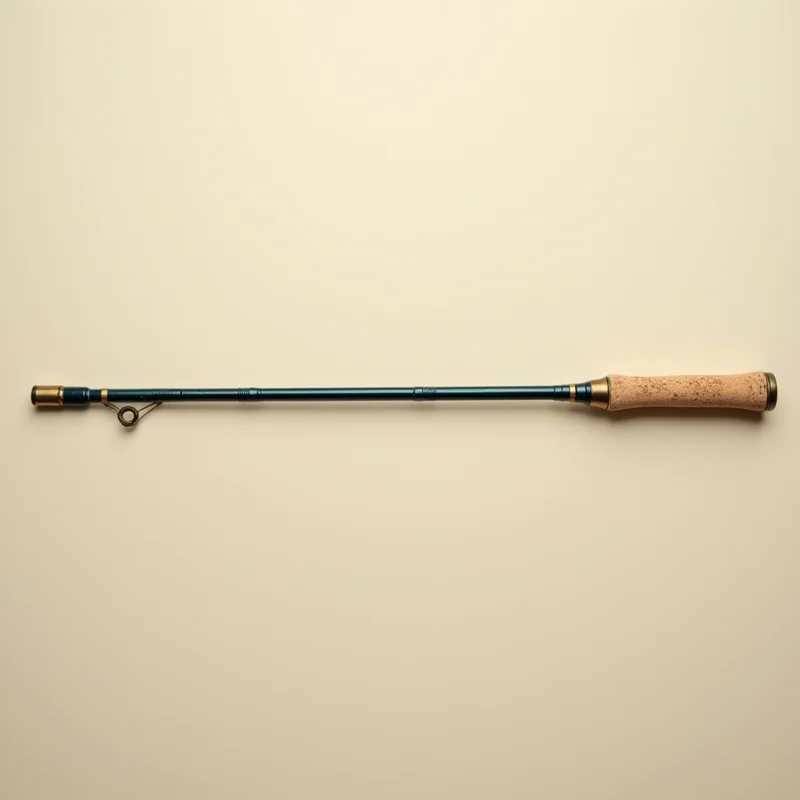
    Female muskellunge in the Fox River spring nets have averaged about 50 inches in recent DNR surveys. Fish an 8- to 9-foot heavy rod, 80 to 100 lb braid and a 100 to 130 lb fluorocarbon leader, and get the fish to the net fast.

Green Bay is the fishery

Lake Michigan is a salmon and lake trout lake. Its main basin is deep, cold and clear, and it does not hold muskellunge in any number worth chasing.

Green Bay is different. It is long, shallow at the southern end, fertile, and fed by rivers. The same conditions that make it a northern pike and walleye factory make it muskie water. When people talk about Lake Michigan muskie, they mean the lower Fox River, southern Green Bay and the protected bays on the Door County side.

A fish that had to be brought back

Muskellunge are native to Green Bay. Through the middle of the last century, habitat loss and pollution in the lower bay and its rivers effectively eliminated them.

In 1989 the Wisconsin DNR, working with local musky clubs and the Musky Clubs Alliance of Wisconsin, started stocking Great Lakes spotted muskellunge — the strain native to these waters — back into Green Bay. Today the DNR takes eggs from adults spawning in the Fox River, rears fingerlings at its hatcheries, and supplements them with yearlings that trace back to Detroit River spawners through a partnership with Michigan.

The program took a hit in the mid-2000s, when the DNR stocked little to nothing from 2007 to 2009. Catch rates in the fall river surveys sank in the years after. Stocking has since increased, and survey numbers have climbed back.

Michigan has joined in on its side of the bay. In 2016 the Michigan DNR stocked 5,000 Great Lakes spotted fingerlings into Little Bay de Noc. That is a young effort; plan a muskie trip around the Wisconsin end of the bay.

What you are fishing for

These are big fish. In recent DNR spring netting on the Fox River, females have averaged about 50 inches and males about 43 to 44 inches. Tagged recaptures have included a fish more than 20 years old.

They are also not numerous. The DNR’s 2021 creel survey estimated roughly 20 hours of directed fishing for each muskellunge caught on Green Bay and the lower Fox. That is respectable muskie fishing. It is not Lake St. Clair, and it is not a numbers fishery.

The weakness is reproduction. Adults return to their stocking sites and try to spawn, but very few naturally produced young have shown up in two decades of surveys. Stocking is what holds this population up.

The lower Fox and the southern bay

Everything starts at the mouth of the Fox River in the city of Green Bay. The river below the De Pere dam is where the DNR nets spawners every spring, and the broad, shallow southern bay off the river mouth is where most of the fall fishing happens.

The standard program is trolling. Big crankbaits, 3.0 to 4.0 mph, 60 to 100 feet behind the boat, over 8 to 18 feet of water. Run a planer board on each side to spread the outside rods and cover more of the flat. When the water falls into the 40s in November, slow down and go bigger.

Late in the fall, fish push into the river itself. The lower Fox is a working commercial channel lined with bridges, docks and industry. Fish it with your head up.

Launch at Green Bay or Howard for the lower bay.

Sturgeon Bay and the Door County side

Across the bay, Sturgeon Bay, Sawyer Harbor and Little Sturgeon Bay are protected water with weed edges and soft bottom. The DNR stocks Sawyer Harbor and Little Sturgeon Bay specifically because they hold habitat for both young fish and adults.

This is casting water. September and October, 6 to 14 feet, a 9- to 10-inch rubber bait or a big double-blade bucktail along the outside weed edge. Figure-eight every bait at the boat. Launch at Sturgeon Bay or from Potawatomi State Park in Nasewaupee.

The rest of the bay

The DNR also stocks the Menominee River at Marinette and, since 2010, the smaller west-shore rivers: the Oconto, Peshtigo, Pensaukee and Suamico. Fish stocked in those places tend to come back to them to spawn. The population is spreading north out of the lower bay, and the DNR’s creel work shows anglers now targeting muskellunge throughout Green Bay, not just at the south end.

Handle a stocked trophy carefully

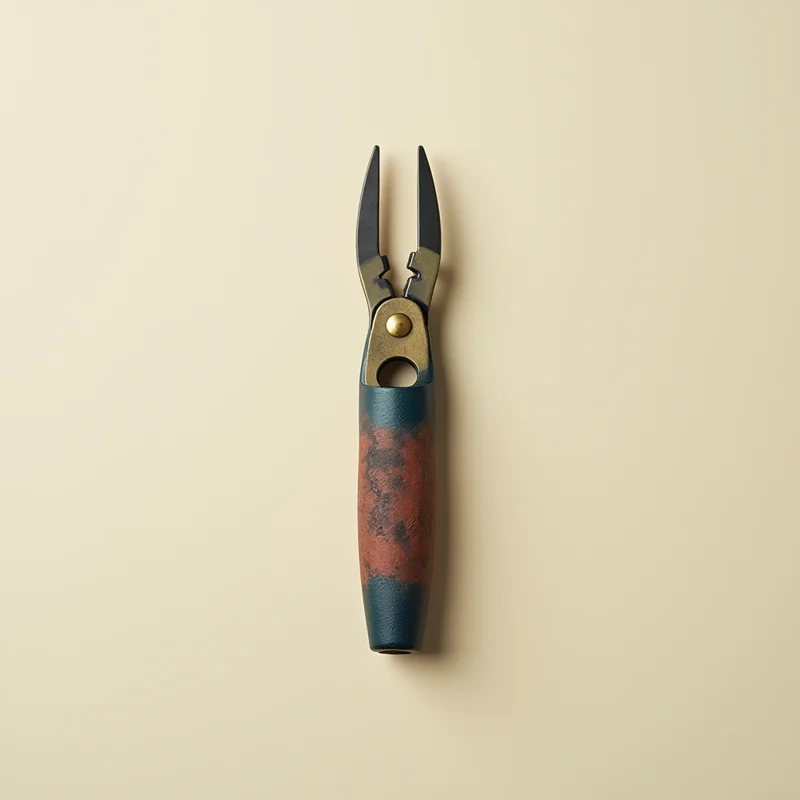
Every adult in this bay represents years of hatchery work and survival. Keep it in the water in a large cradle or rubber net while you unhook it with long pliers or a cutter. Lift it horizontally with support under the belly if you want a photo, and keep it out of the water for seconds. Revive it into a slow idle until it swims off on its own. Late-season water is cold and helps you; a September fish in warm water needs more care.

Green Bay is shallow, and a strong southwest or northeast wind stacks it up fast. Read the marine forecast before you run the open bay in November.

Regulations

Wisconsin and Michigan both manage Green Bay water, and Wisconsin sets its Green Bay and Great Lakes muskellunge rules separately from its inland waters. Seasons, size limits and boundary-water rules differ and change. Read the current regulations from the Wisconsin DNR or Michigan DNR for the water you are fishing before you go.
Where to put in

Launches for muskellunge on Michigan

Chart of Lake Michigan with the launches for muskellunge markedMystery ShipScott Paper Co6th Street SlipBoom LandingBreakwater Park Boat RampCecil Depeau Bay Shore Park Boat RampChaudiors Dock Park Boat RampCounty BB (Klingsborns) Peshtigo River Access

Dark marks are launches named in this guide. Generalized shoreline, not for navigation.

Every public Lake Michigan launch →

Kit

What we would have in the boat

Questions

Muskellunge on Michigan, answered

Are there muskie in Lake Michigan?
In Green Bay, yes, and some of them are very large. The open main basin is too deep, cold and clear to hold a fishery. Wisconsin DNR has stocked Great Lakes spotted muskellunge into Green Bay and its tributaries since 1989, and the fishery is concentrated in the lower Fox River, southern Green Bay and the Door County bays.
Do Green Bay muskie reproduce naturally?
Not enough to sustain the fishery. Wisconsin DNR reports that stocked fish grow fast, mature and attempt to spawn in several tributaries, but few naturally produced young have turned up in surveys. For now, stocking maintains the population.
When is the best time to fish Green Bay for muskie?
Fall. September through November, with late October and November producing the heaviest fish as they feed hard in cooling water. The lower bay trolling fishery is at its best then.
How hard is it to catch a Green Bay muskie?
It takes time. Wisconsin DNR's 2021 creel survey worked out to roughly 20 hours of directed fishing per muskellunge caught on Green Bay and the lower Fox River. Budget for long days and fish them hard.
What are the muskie rules on Green Bay?
Wisconsin and Michigan both manage Green Bay water, and Wisconsin treats Green Bay and its connected waters separately from its inland lakes. Seasons and size rules differ and change. Read the current regulations from the state whose water you are fishing.
Regulations

Size limits, bag limits, and open seasons for muskellunge on Lake Michigan are set by Michigan DNR, Wisconsin DNR, Illinois DNR and Indiana DNR and change from year to year. Check the current rulebook before you keep a fish.

Sources

Last updated 2026-10-08