Little Bay de Noc and Big Bay de Noc
The top of Green Bay out of Escanaba and Gladstone. Shallow protected weed flats, a huge pike population, and one of Michigan's better tip-up fisheries when the ice sets up.
Northern Pike · Lake Michigan
Lake Michigan's main basin holds almost no pike, and Green Bay holds an enormous number of them. Fish the Bays de Noc, the Oconto and Peshtigo marshes, and Door County's bay side — plus the drowned river lakes on the Michigan shore for small-boat access.
Prime time
May and June, September through November, and January through February on Green Bay ice
Depths
3–12 ft over marsh and cabbage; 12–20 ft on outside weed edges in fall
Typical size
24–32 inches
Lake max depth
925 ft
Where
The top of Green Bay out of Escanaba and Gladstone. Shallow protected weed flats, a huge pike population, and one of Michigan's better tip-up fisheries when the ice sets up.
Northwest Green Bay, Wisconsin. Vast shallow marsh and weed flats that warm ahead of everything else on the bay and hold pike from ice-out onward.
Protected Green Bay pockets with cabbage in 5–14 ft. Best known for smallmouth and walleye, and they hold pike the entire season with almost no directed pressure.
Drowned river mouths on the Michigan shore. Resident pike year-round, weed edges and old channel breaks in 8–18 ft, and fishable in a small boat when the big lake is impossible.
Weed flats in the shallow bays and the connected Elk Rapids chain. Clear water, so natural-colored baits and longer casts.
More Michigan-shore drowned river lakes with heavy weed growth. Underfished, close to launches, and a good kayak option.
How
May and June in the Green Bay marshes and the Bays de Noc, over 3 to 10 feet, once water reaches the mid-50s. A 3/4 oz casting spoon or a large spinnerbait retrieved just above the weed tops. Bright colors in the stained upper-bay water, natural silver and gold in the clear Door County and Grand Traverse water.
January and February on Little Bay de Noc and Sturgeon Bay. Large dead smelt or suckers on quick-strike rigs, a foot off bottom along a weed edge in 6 to 16 feet. Spread flags over a depth range and then move them all onto whatever produces the first two.
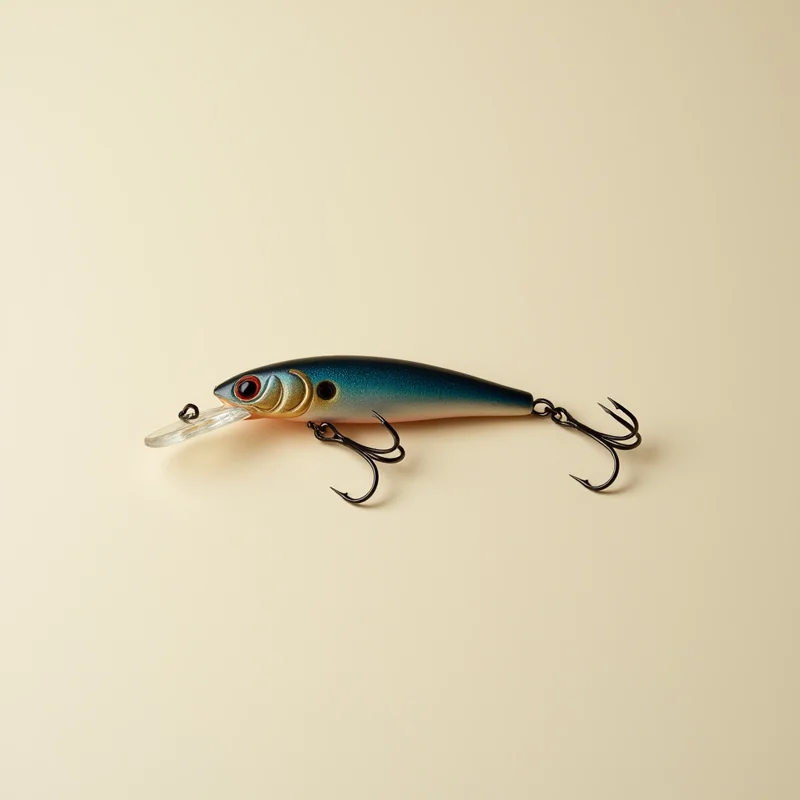
September through November in 12 to 20 feet as the cabbage dies back. Hard pulls with three-second pauses on a large jerkbait, or a paddle-tail swimbait on a 3/4 oz head. This is when the biggest open-water fish of the year come in.
Muskegon, White, Portage and Manistee lakes hold pike year-round on weed edges and old channel breaks in 8 to 18 feet. Troll a shallow crankbait or a spinnerbait at 2.2 to 2.8 mph along the weed line to find them, then cast the stretch that produced.
Lake Michigan is 925 feet deep at its deepest and averages 279 feet. Cold, clear and open, with a fishery built on chinook salmon and lake trout. Northern pike want the opposite: shallow, warm, weedy, sheltered.
So the pike on this lake live in the edges, and there is one enormous edge. Green Bay is 120 miles long, shallow at its southern end, fed by a string of rivers draining marsh country, and warm and fertile in a way the main basin never is. Add the Bays de Noc at the top, the Door County pockets on the east side, and the chain of drowned river lakes along Michigan’s west coast, and you have a genuinely large pike fishery attached to a lake that has no business holding one.
The Wisconsin northwest shore — the Oconto and Peshtigo river marshes and the water around them — is the heart of it. Vast shallow flats of emergent and submerged weed in three to ten feet, warming weeks ahead of everything else on the bay.
Pike are here from ice-out onward. In May and June, once water passes the mid-50s, a heavy casting spoon or a big spinnerbait worked just over the weed tops is all the technique required. The upper-bay water is stained, so brighter colors — orange, chartreuse, firetiger — outfish natural patterns.
Little Bay de Noc and Big Bay de Noc at the top of the bay, out of Escanaba and Gladstone, are the Michigan version of the same water. Protected, weedy and productive, with the added advantage of a reliable ice season.
Winter is arguably the best pike fishing on Lake Michigan. Tip-ups with large dead baits on quick-strike rigs, set a foot off bottom along a weed edge in six to sixteen feet. Spread flags across a depth range first, then move everything onto the depth that produces.
Quick-strike rigs matter. They put hooks in the jaw rather than the throat, and that is the difference between a fish you can release and one that will not survive.
Sturgeon Bay, Little Sturgeon and Sawyer Harbor on the bay side of the Door Peninsula are famous for smallmouth and walleye. They also hold pike in five to fourteen feet of cabbage all season, and effectively nobody fishes for them.
Water on this side is clearer than the upper bay, so switch to natural silver and gold spoons and make longer casts.
Along Michigan’s west coast, a series of drowned river mouths — Muskegon Lake, White Lake, Pentwater Lake, Portage Lake, Manistee Lake — connect to the big lake through short channels. Each is a small, weedy, protected lake in its own right with a resident pike population.
This is the small-boat and kayak option. They are fishable in wind that closes the big lake completely, they have public launches, and they are almost entirely overlooked by anglers who drive past them to launch on Lake Michigan proper.
Method: troll a shallow crankbait or spinnerbait along the outside weed line at 2.2 to 2.8 mph to locate fish, then stop and cast the stretch that produced.
September through November, as surface temperatures fall back through the 60s and the cabbage starts dying, pike feed hard and move to the outside weed edge in 12 to 20 feet. Large jerkbaits with hard pulls and long pauses, or a heavy swimbait. The biggest open-water fish of the year are caught in this window and it gets a fraction of the summer’s traffic.
Little Bay de Noc and Sturgeon Bay both make good ice, and both are connected to a huge body of open water. Wind-driven pressure cracks open, ice conditions vary across a single bay, and vehicles go through most winters somewhere on Green Bay.
Current local report every time. Picks around your neck. A partner. A spud bar to test across a crack rather than a hopeful stride. Being able to see other shanties is not a safety assessment.
Four states manage Lake Michigan and Green Bay is split between two of them, with pike rules that can differ on the same water. Seasons, sizes and limits change. Read the current guide for the state whose water you are fishing.
Where to put in
Dark marks are launches named in this guide. Generalized shoreline, not for navigation.
Kit
The pier spoon. A heavy, wobbling casting spoon that has caught fall salmon and spring steelhead off Great Lakes breakwalls for sixty years.
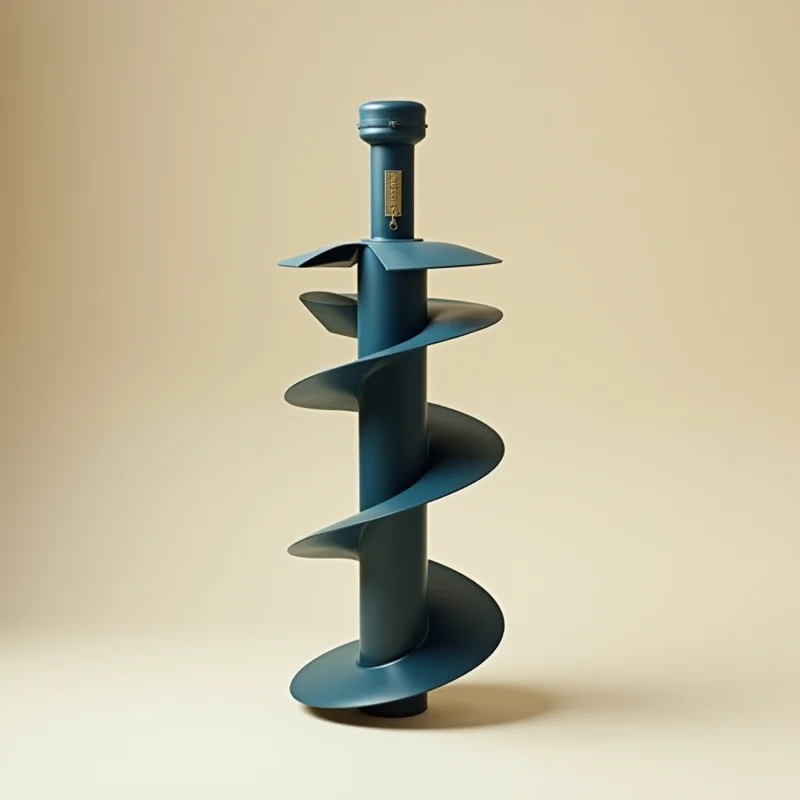
The wooden tip-up that has been catching Great Lakes pike since the 1940s, with a sealed underwater spool that does not freeze up at fifteen below.
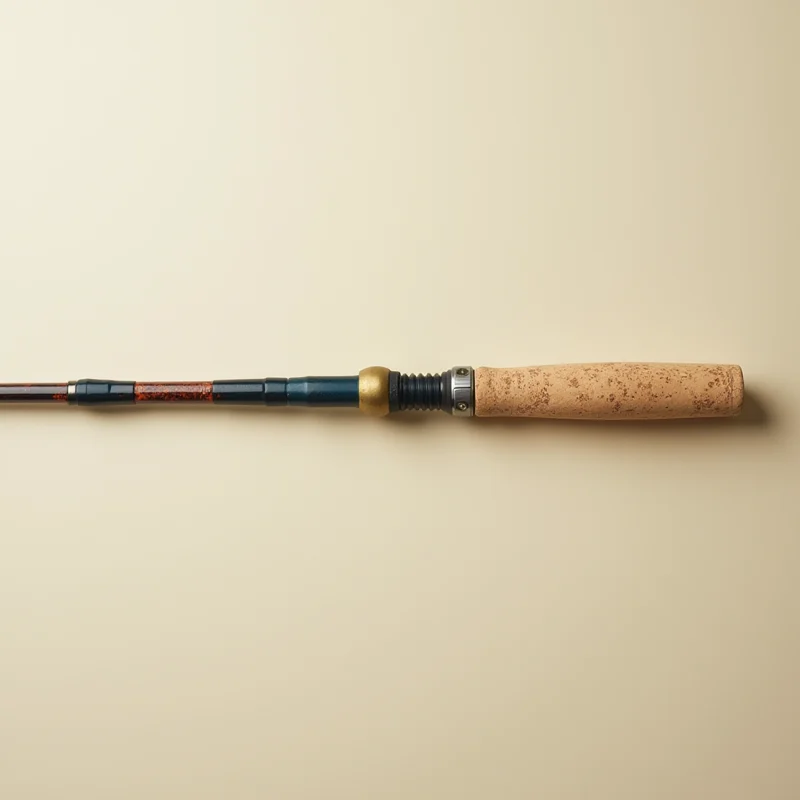
The rod you hand a kid, keep as a pier spare, and never worry about again.
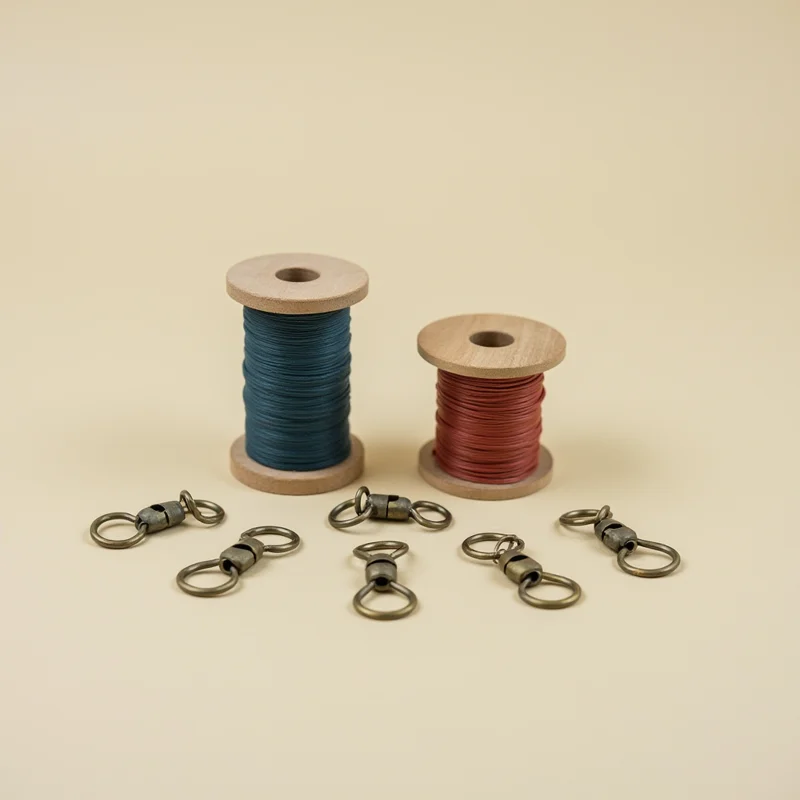
The leader that stands between a Lake St. Clair muskie's teeth and your line, in the fluorocarbon that clear water demands.
A knotless, rubber-coated net that does not strip slime or tangle trebles, in a hoop size that actually fits a Great Lakes fish.
Questions
Same fish, other water
Size limits, bag limits, and open seasons for northern pike on Lake Michigan are set by Michigan DNR, Wisconsin DNR, Illinois DNR and Indiana DNR and change from year to year. Check the current rulebook before you keep a fish.
Sources
Last updated 2026-09-01