Wildfowl Bay and the Bay Port shoreline
Southeast Saginaw Bay. Shallow marsh, cabbage and sand in 4–10 ft, and one of the most reliable pike areas on the lake in both open water and winter.
Northern Pike · Lake Huron
Lake Huron is the best all-around pike lake on the chain because it has more shallow weedy bay than anywhere else. Fish Saginaw Bay's east-shore marshes and the northern island country, and take the ice season seriously — it is the best time of year here.
Prime time
May and June, September through November, and January through February on ice
Depths
4–12 ft on cabbage and marsh edges; 12–20 ft on the outside weed lines in fall
Typical size
24–32 inches
Lake max depth
750 ft
Where
Southeast Saginaw Bay. Shallow marsh, cabbage and sand in 4–10 ft, and one of the most reliable pike areas on the lake in both open water and winter.
Protected channels between thirty-six islands. Cabbage beds in 5–14 ft, sheltered from almost any wind, and a strong tip-up fishery when the ice comes.
A broad weedy bay with current at the top of the lake. Heavy vegetation and good numbers of pike, with the occasional muskellunge to keep you honest about leader strength.
Inner Saginaw Bay west and south of Bay Port. Shallow, warms fast, and holds pike along the grass lines from ice-out onward.
The protected pocket behind Tawas Point on the north side of the bay mouth. Weed edges in 8–16 ft and a state harbor for easy access.
Remote island bays with big weed flats and boulder edges. Very lightly fished, and the pike here run larger than the inner Saginaw Bay average.
How
The simplest and most effective open-water pike method here. A 3/4 to 1 oz casting spoon thrown over the top of the weeds in 4 to 10 feet and retrieved just fast enough to keep it above the growth. Silver and gold in clear northern water, orange and chartreuse in stained Saginaw Bay water. A wire or heavy fluorocarbon leader is not optional.
January and February on Saginaw Bay and in the Les Cheneaux. Set tip-ups along a weed edge in 6 to 14 feet with a large dead smelt or sucker on a quick-strike rig, suspended a foot or two off bottom. Spread flags across a depth range and let the pattern tell you which depth is holding fish, then move the rest.
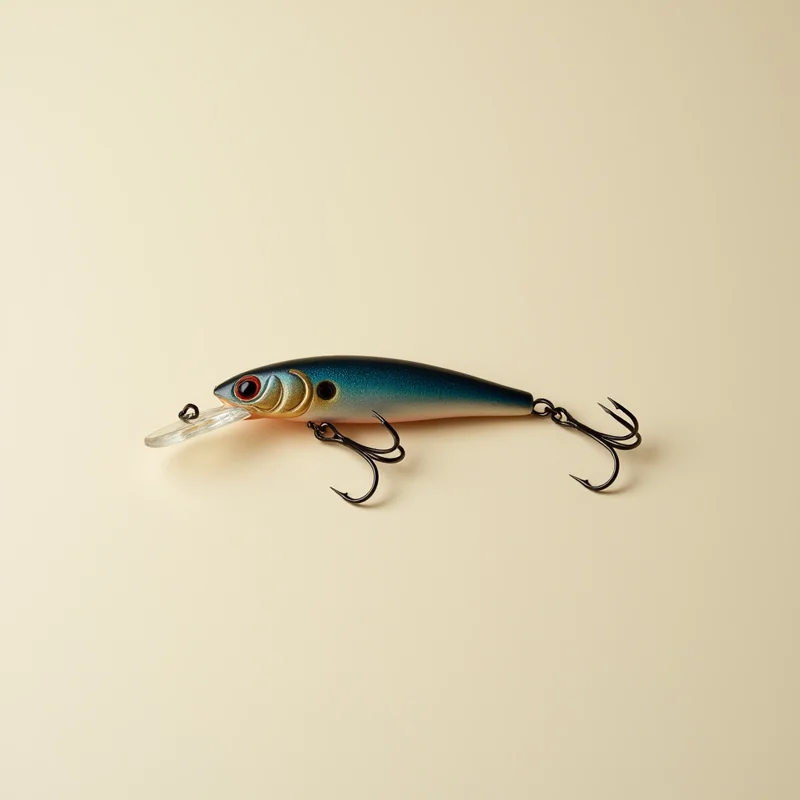
September through November, over 12 to 20 feet on the outside edge of dying cabbage. A large jerkbait worked with hard pulls and three-second pauses, or a paddle-tail swimbait on a 3/4 oz head. Fall pike feed heavily and this is when the biggest fish of the open-water year are caught.
June, over 8 to 16 feet. Shallow-running crankbaits or big spinnerbaits pulled at 2.2 to 2.8 mph along the outside of a weed bed. A good way to locate fish across a large bay quickly before you switch to casting the area that produced.
Lake Huron has 3,827 miles of shoreline, more than any other Great Lake, and an unusual share of it is exactly what northern pike want: shallow, weedy, protected bay. Saginaw Bay’s marshy southeast corner. The Les Cheneaux channels. Munuscong Bay in the St. Marys system. Wildfowl Bay. Tawas Bay. Potagannissing Bay.
Pike are not deep-water fish. They are ambush predators that live on a weed edge and wait. Huron gives them thousands of acres of weed edge and gives you a fish that is available from a boat, from shore, from a kayak and from the ice.
The inner bay’s east and south shores — Quanicassee, Sebewaing, Bay Port, Wildfowl Bay — are a shallow, stained, fertile system of marsh, cabbage and sand in 4 to 10 feet. It warms fast in spring, holds pike all season, and is close enough to Michigan’s population centers to be a day trip.
The open-water method is unglamorous and it works: a heavy casting spoon thrown over the top of the weeds and retrieved just fast enough to stay above them. Because the water is stained, brighter colors outfish natural ones here, which is the opposite of the northern part of the lake.
Les Cheneaux, Munuscong Bay and Potagannissing Bay off Drummond Island are a different fishery. Clear water, harder bottom, more rock mixed with the cabbage, and a fraction of the boat pressure. The average fish runs larger.
Munuscong Bay adds current, which matters — pike sit in the slack behind a point or weed edge and take what the flow brings. Potagannissing is remote enough to be genuinely wild.
One practical note for the northern bays: these waters also hold muskellunge. If your leader is set up for a 28-inch pike and a 48-inch muskie eats the spoon, you lose both the fish and the bait. Fish a 100 lb leader up there.
September through November, once surface temperatures drop back through the 60s, pike feed hard. The cabbage starts dying back, fish move to the outside weed edge in 12 to 20 feet, and the largest open-water fish of the year get caught.
Large jerkbaits with hard pulls and long pauses, or a paddle-tail swimbait on a 3/4 oz head, worked slowly along that edge. Slower than summer. Cold-water pike will follow a bait a long way and eat it when it stops.
Saginaw Bay and the Les Cheneaux both support a serious pike ice fishery, and for a lot of Michigan anglers it is the main event.
The method is tip-ups with large dead baits — smelt or sucker — on quick-strike rigs, set a foot or two off bottom along a weed edge in 6 to 14 feet. Spread your flags across a range of depths and distances from the weed line, then consolidate onto whatever depth produces the first two flags.
Quick-strike rigs matter, and not only for hookup rates. They put the hooks in the jaw rather than the throat, which is the difference between a pike you can release and one you cannot.
Saginaw Bay ice is dangerous. The bay is broad, shallow and completely exposed, and wind-driven ice breaks free from shore. Anglers have needed rescue off drifting sheets more than once, and there are winters when the bay never sets up safely at all.
Never go out without a current local report from someone who was on the ice that day. Carry picks around your neck. Fish with a partner. Watch for a forecast that turns the wind offshore, and get off before it does.
The Les Cheneaux channels are more sheltered and more reliable, which is part of why the winter fishery there has been a Michigan institution for generations — but “more reliable” is not “safe,” and the same rules apply.
Michigan manages Lake Huron pike, and Great Lakes waters have carried seasons and size rules distinct from the state’s inland lakes. They change. Check the current Michigan DNR guide before you fish.
Where to put in
Dark marks are launches named in this guide. Generalized shoreline, not for navigation.
Kit
The pier spoon. A heavy, wobbling casting spoon that has caught fall salmon and spring steelhead off Great Lakes breakwalls for sixty years.
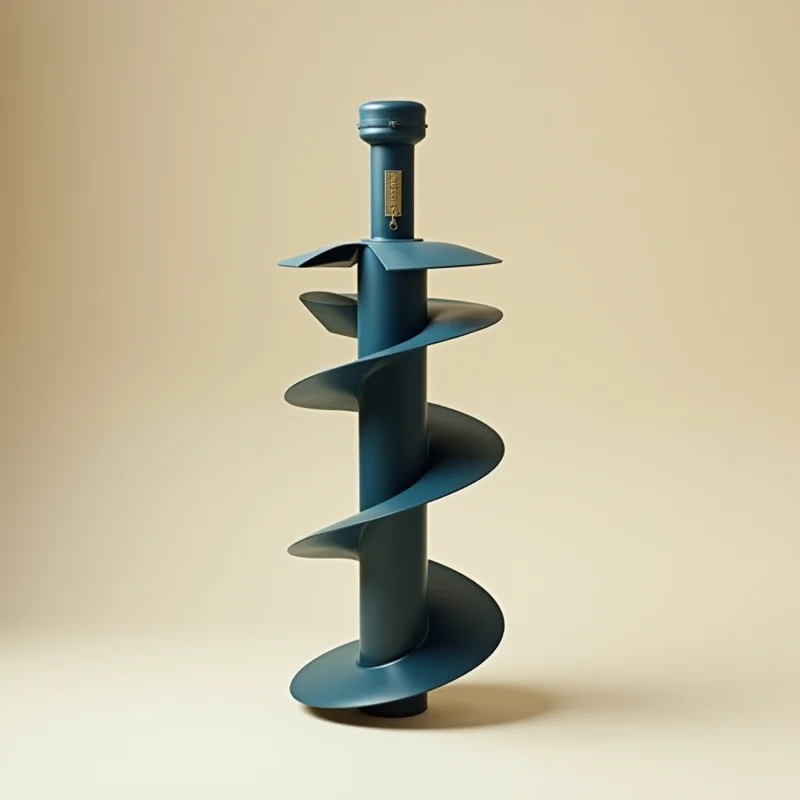
The wooden tip-up that has been catching Great Lakes pike since the 1940s, with a sealed underwater spool that does not freeze up at fifteen below.
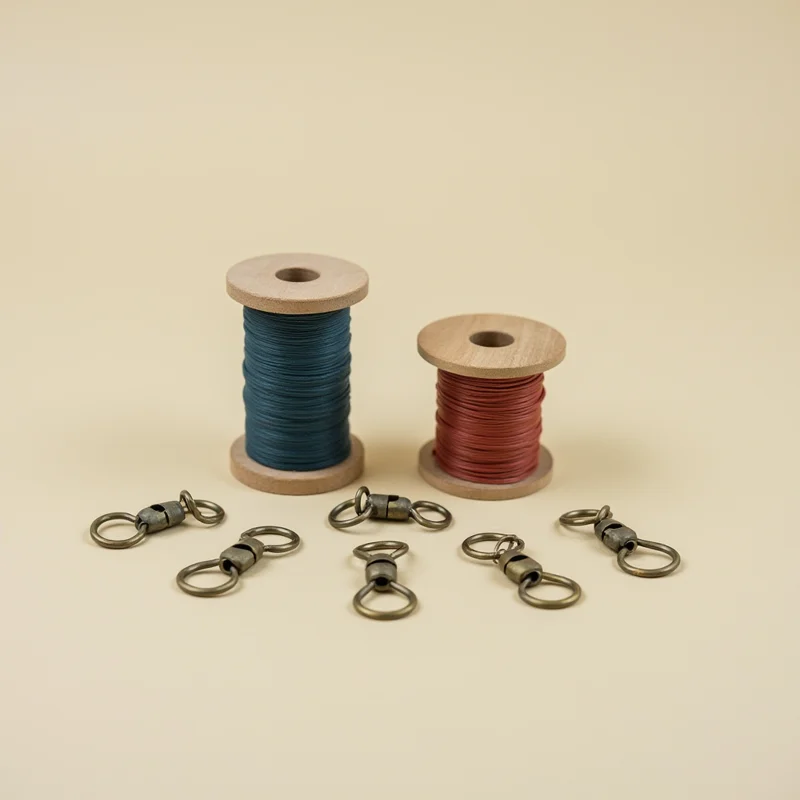
The leader that stands between a Lake St. Clair muskie's teeth and your line, in the fluorocarbon that clear water demands.
A knotless, rubber-coated net that does not strip slime or tangle trebles, in a hoop size that actually fits a Great Lakes fish.
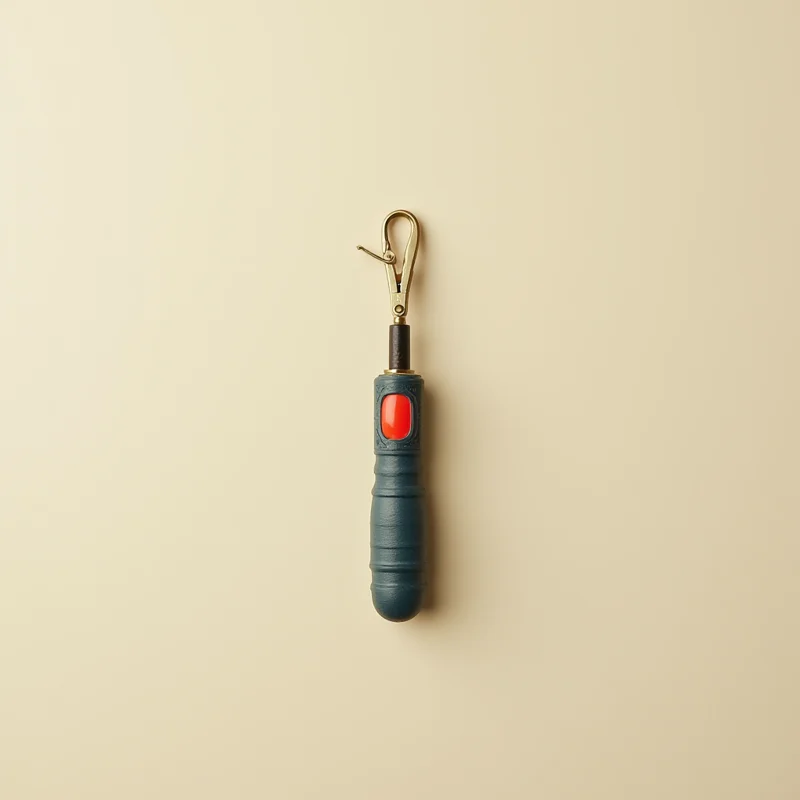
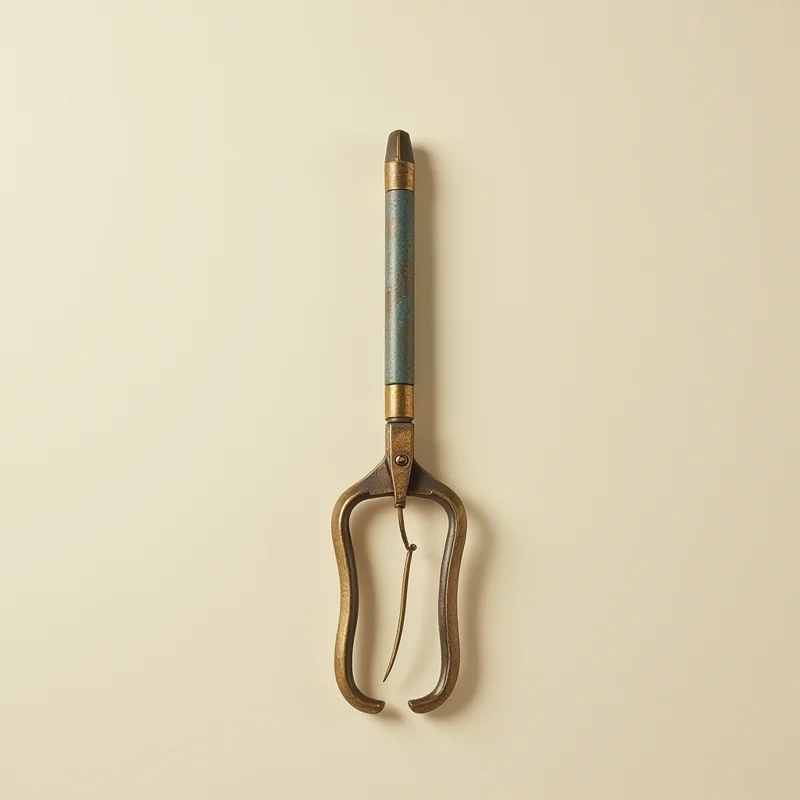
Eleven inches of stainless that reaches a hook past a pike's teeth without putting your hand in there, which is the entire product.
Questions
Same fish, other water
Size limits, bag limits, and open seasons for northern pike on Lake Huron are set by Michigan DNR and change from year to year. Check the current rulebook before you keep a fish.
Sources
Last updated 2026-09-01